


Last Updated: December 30th, 2024
Amrita Vishwa Vidyapeetham strengthened its commitment to sustainable water management and water-security advancement beyond its campuses. Through large-scale community engagement, infrastructure interventions, educational outreach, and scientific support, the university contributed to improved water availability, quality, and conservation practices in rural and semi-urban regions across India.
Social Impact
These off-campus water initiatives improve:

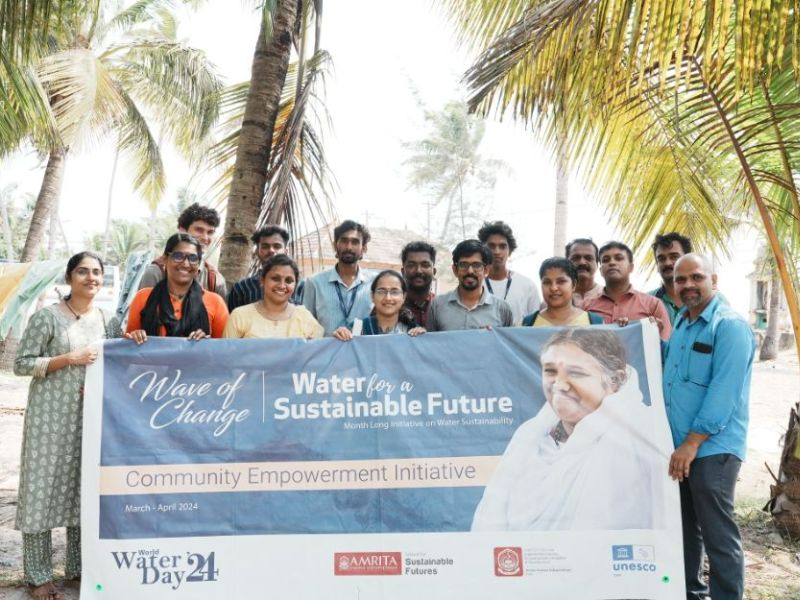
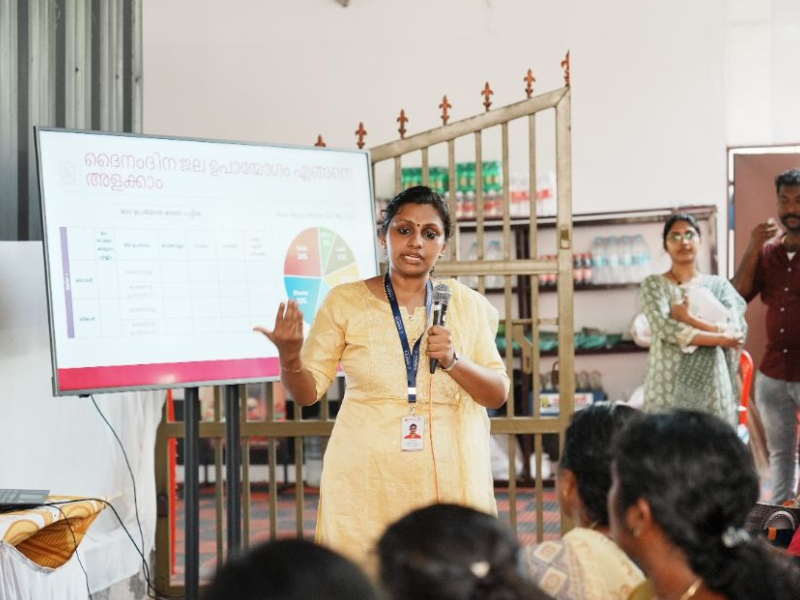
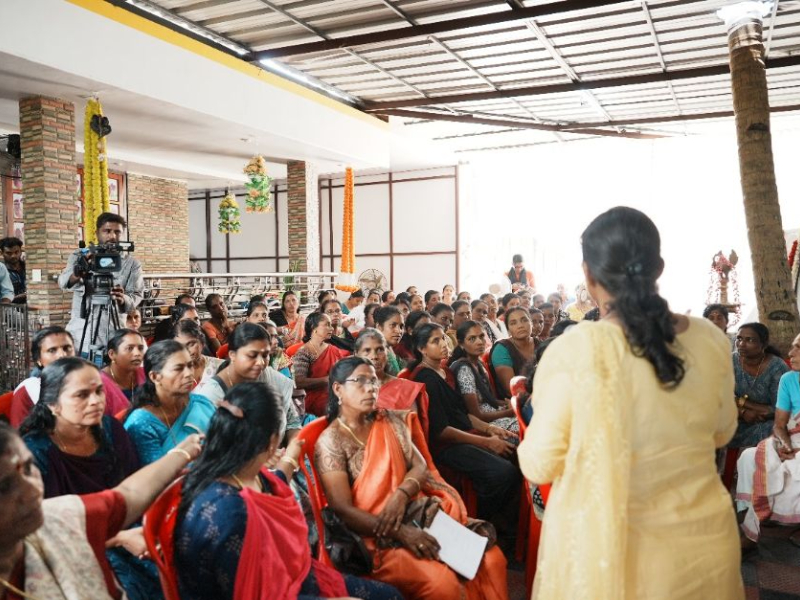
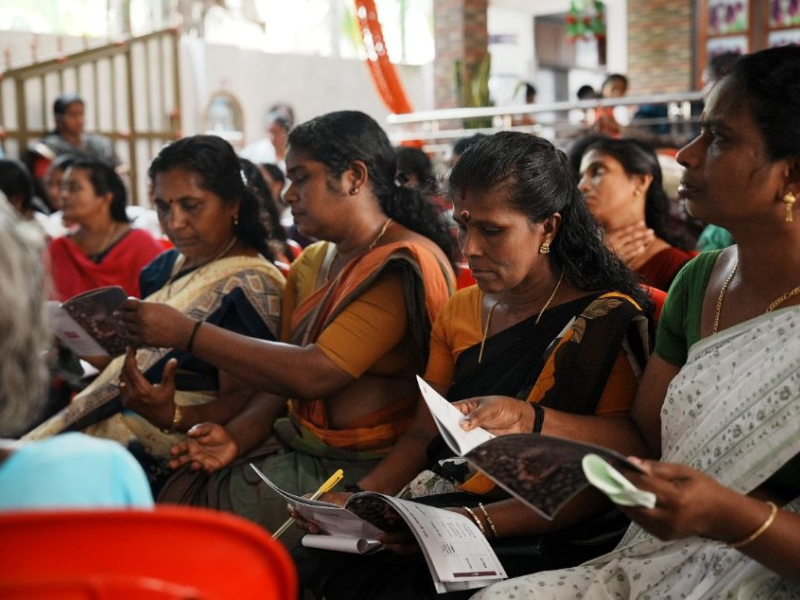
A month-long campaign conducted around World Water Day 2024 focused on educating community members, educators, panchayat representatives, and youth on:
The initiative developed local “Water Champions,” who continue to encourage responsible consumption and conservation actions in their communities.
Amrita expanded implementation of the internationally recognized “My Village, Our Water” community model, enabling local residents to:
This model improves community-driven water stewardship and fosters long-term sustainability.
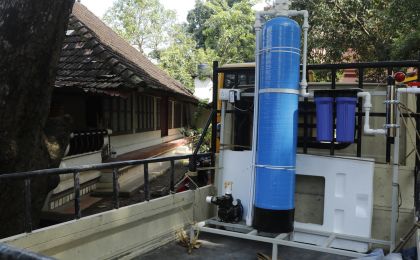
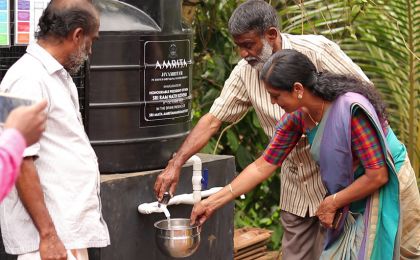
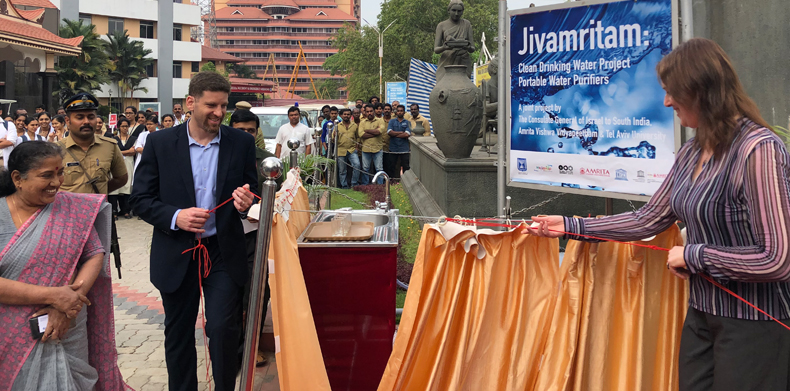
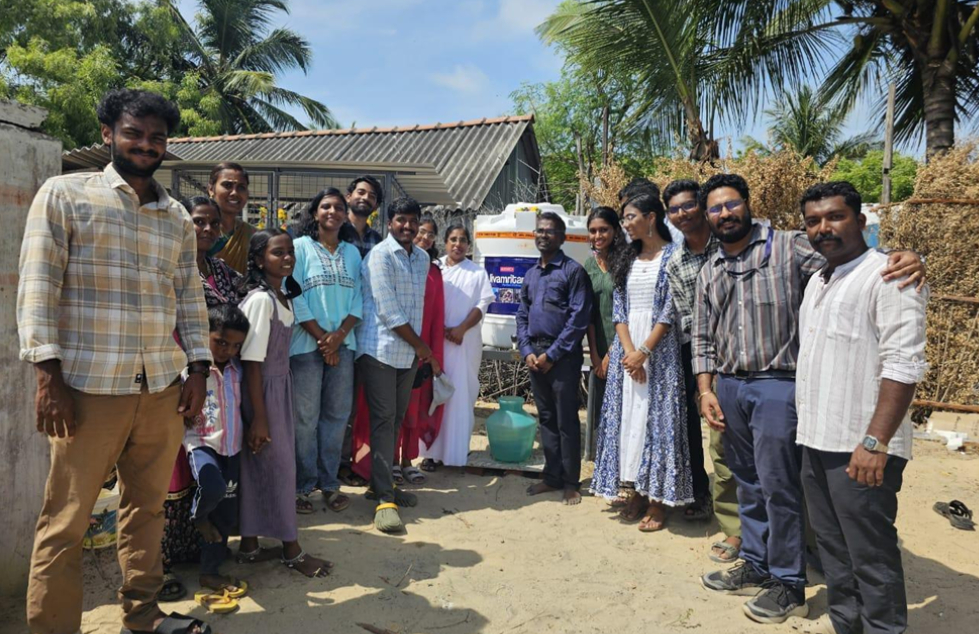
In 2024, Amrita Vishwa Vidyapeetham strengthened its commitment to SDG 6 by expanding the Jivamritam Purified Drinking Water Programme to 11 additional rural communities across India, addressing critical gaps in access to safe drinking water. These communities were identified through a rigorous multi-stakeholder engagement process involving local government bodies, community leaders, health workers, and residents. Selection was based on demonstrated drinking water quality challenges, community vulnerability, and the willingness of local stakeholders to participate in long-term sustainability efforts.
For each community, Amrita conducted a detailed water quality assessment to determine source-specific contaminants and seasonal variations. These assessments enabled the deployment of modular water purification systems, designed to target contaminants unique to each location and adaptable to future changes in water quality. This evidence-driven approach ensured that the filtration technologies were not only effective but also resource-efficient and contextually relevant.
A core component of the Jivamritam model is community empowerment. In every newly added village, a dedicated community water committee was established with representation from all households. These committees received comprehensive training on water quality testing, system operation, daily management, financial planning, and routine maintenance. This capacity-building process has enabled communities to fully adopt the technology, foster a sense of ownership, and ensure uninterrupted access to clean drinking water.
The impact of the programme extends beyond technological intervention. By integrating participatory methods, capacity building, and sustainable technological solutions, Amrita continues to advance its mission of delivering scalable, community-driven water solutions. Through these efforts, the Jivamritam programme contributes directly to SDG 6 while reinforcing Amrita Vishwa Vidyapeetham’s broader commitment to sustainable rural development and inclusive societal impact.
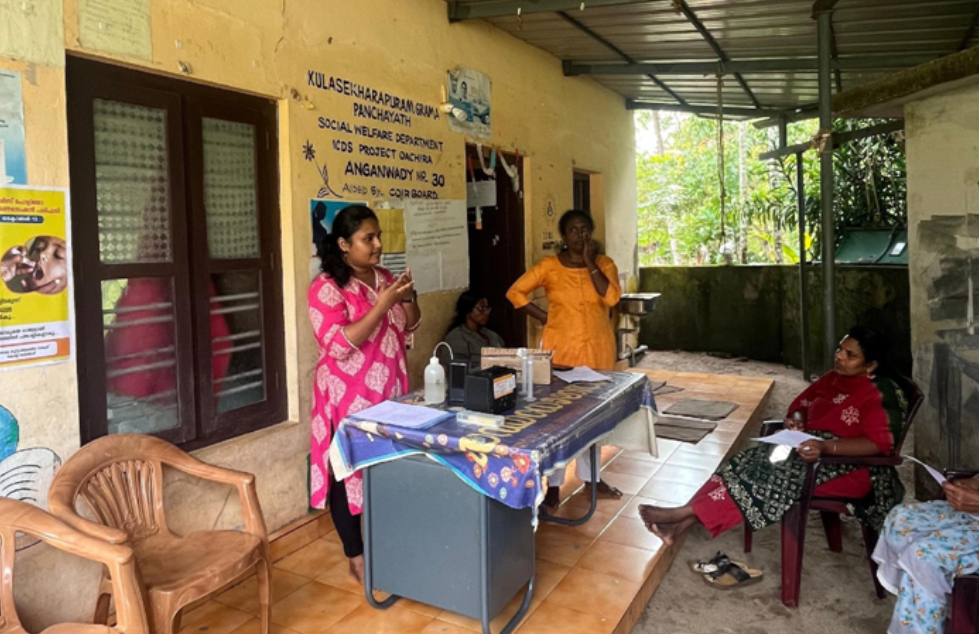
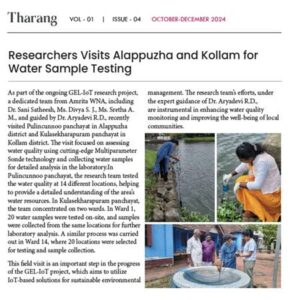
As part of the ongoing GEL-IoT research project, a dedicated scientific team from Amrita WNA, including Dr. Sani Satheesh, Ms. Divya S. J., and Ms. Sretha A. M., under the expert guidance of Dr. Aryadevi R.D., conducted field visits to Pulincunnoo Panchayat in Alappuzha district and Kulasekharapuram Panchayat in Kollam district.
The purpose of the visit was to assess water quality using advanced Multiparameter Sonde technology and to systematically collect water samples for laboratory-based analysis.
Pulincunnoo Panchayat
Kulasekharapuram Panchayat
These systematic testing activities are essential for evaluating contaminant distribution patterns and identifying potential threats to drinking water safety in local communities. The initiative reflects the GEL-IoT project’s objective to use IoT-based water monitoring tools for sustainable environmental management and community health enhancement.
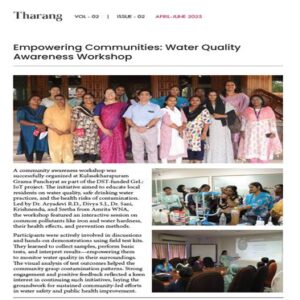
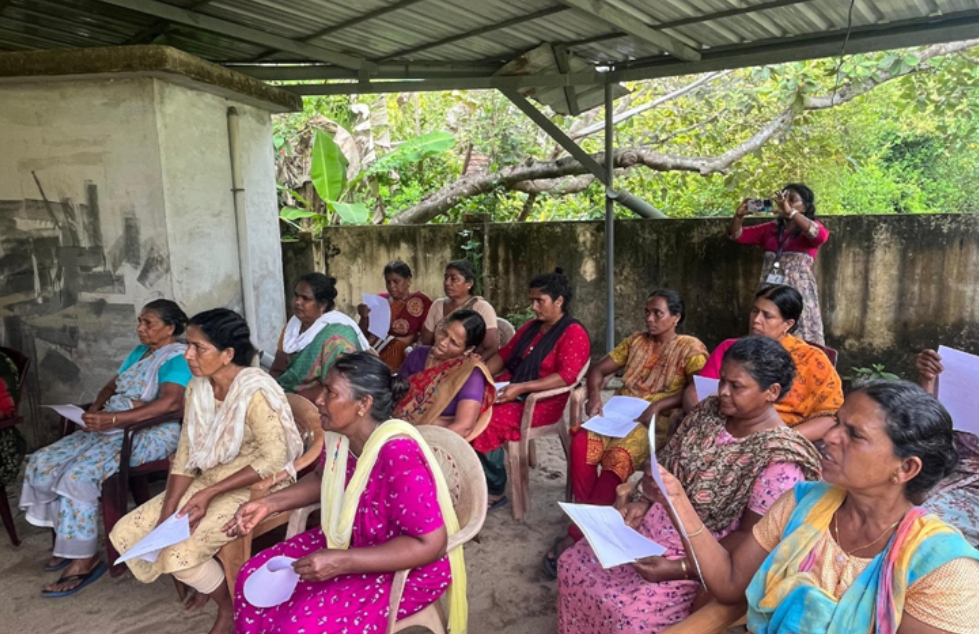
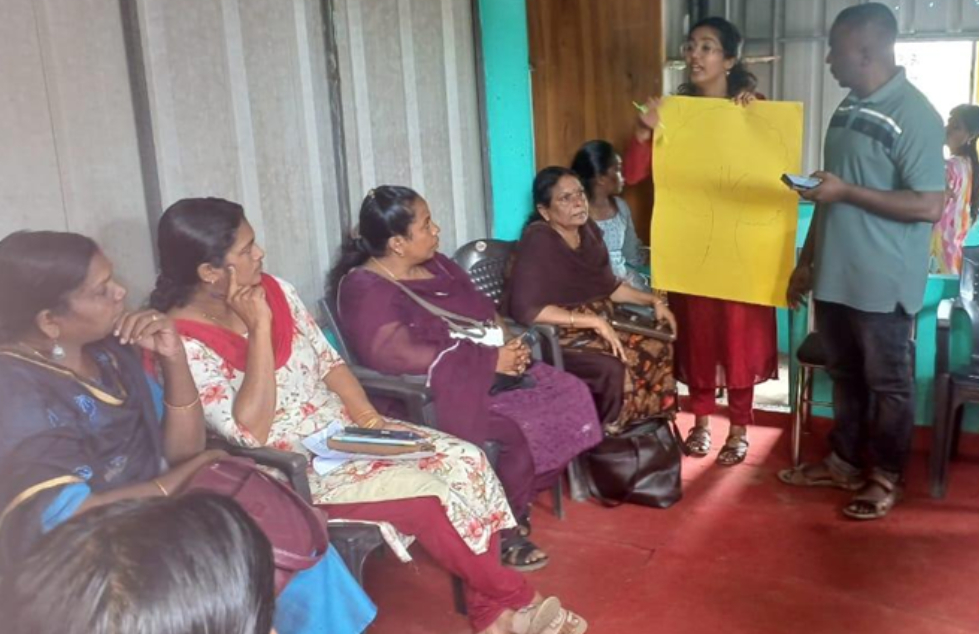
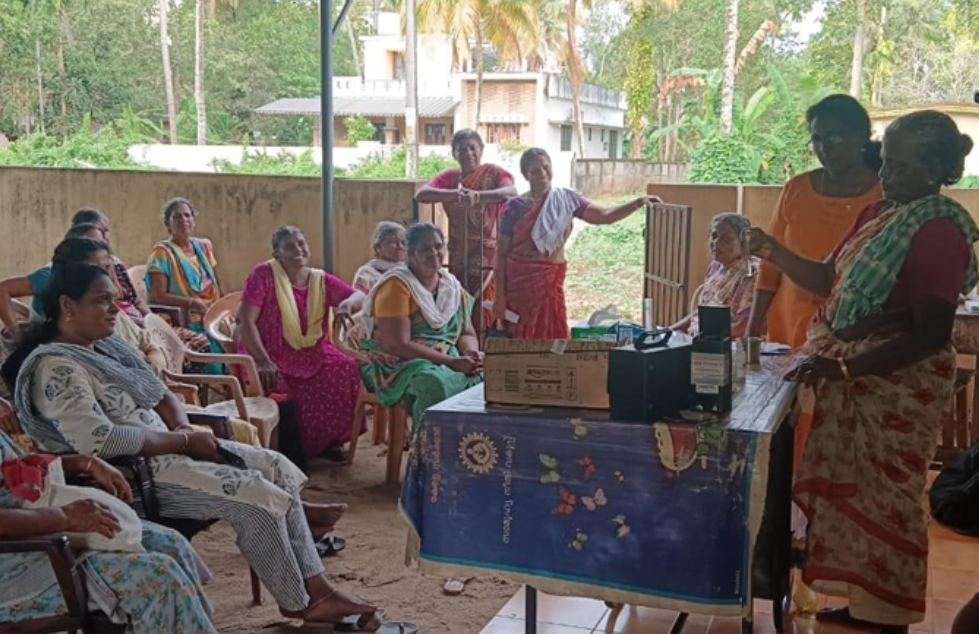
A comprehensive water-quality awareness workshop was held at Kulasekharapuram Grama Panchayat, as part of the DST-funded GEL-IoT programme. The workshop was led by Dr. Aryadevi R.D., Divya S.J., Dr. Sani, Krishnendu, and Sretha from Amrita WNA.
The objective of the workshop was to educate local residents on:
Participants were actively trained through:
The initiative empowered local citizens to monitor their own water sources, improving awareness and building self-reliance in environmental and public-health decision-making. Positive community feedback highlighted strong interest in continuing such capacity-building programs, laying a foundation for community-led water safety governance.
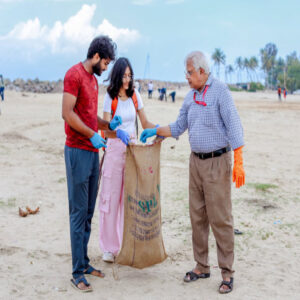
In September 2024, Amrita University reaffirmed its commitment to sustainability through a series of cleanup drives focused on nearby water bodies. Students and faculty worked together to remove plastics, non-biodegradable waste, and other pollutants from these vital ecosystems.
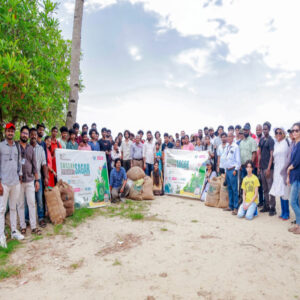
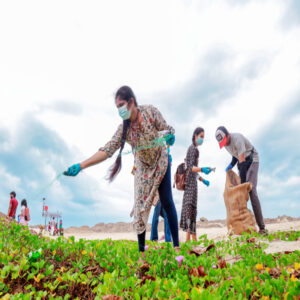
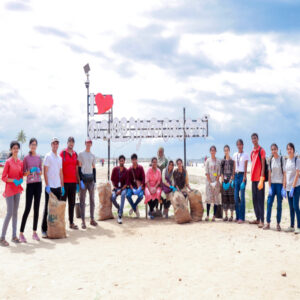
In collaboration with the UNESCO Chair at the Amrita School for Sustainable Futures and AYUDH Amritapuri, a major beach cleanup was held at Vellanathuruthu Beach in Alappad. The initiative formed part of the Ministry of Earth Sciences’ Swachh Sagar, Surakshit Sagar campaign, a nationwide effort promoting marine conservation and sustainable development.
Over 100 volunteers from Amrita Yuva Dharmadhara and the Amrita School for Sustainable Futures participated. The drive was led by Alappad Panchayat President U. Ullas; members Udayakumari and Sujimol; and faculty members, along with students, participated in the drive. In just two hours, volunteers collected 13 sacks of plastic waste, which were handed over to the Panchayat for proper disposal.
The initiative also emphasised community engagement. Volunteers spoke with local residents about the impacts of water pollution and the importance of responsible waste management, helping build greater environmental awareness and encouraging collective action.
The cleanup drives resulted in cleaner surroundings, healthier habitats, and strengthened ecological stewardship among participants—further advancing Amrita’s mission to foster sustainable, community-driven action.
In 2024, Amrita Vishwa Vidyapeetham continued to extend water-sustainability efforts beyond academic boundaries and into real-world, community-owned practices. The university remains committed to fostering technological solutions, social empowerment, and environmental responsibility that benefit communities across India.


