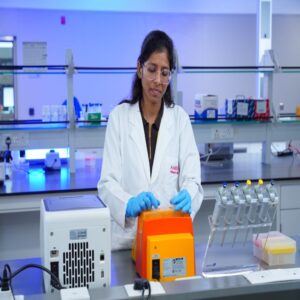
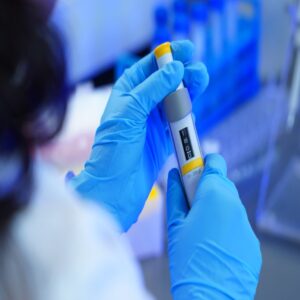
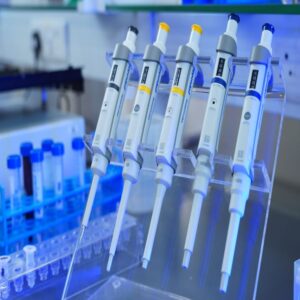
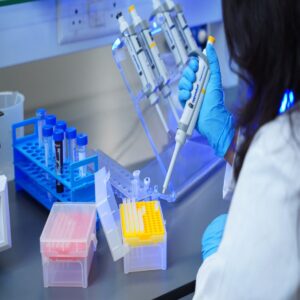
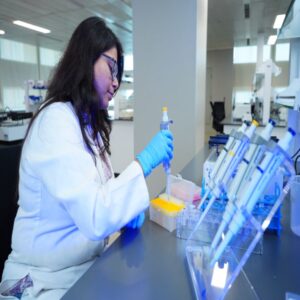
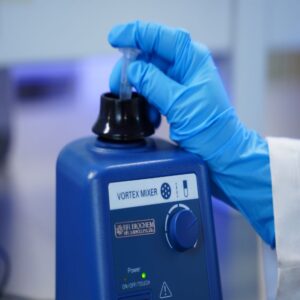
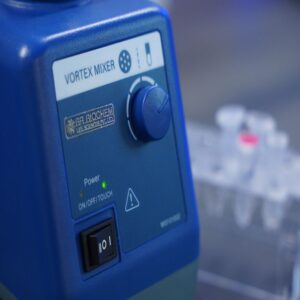
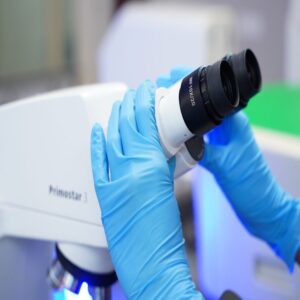
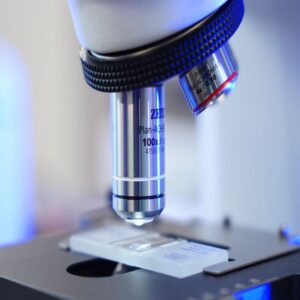
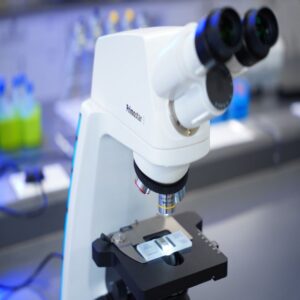
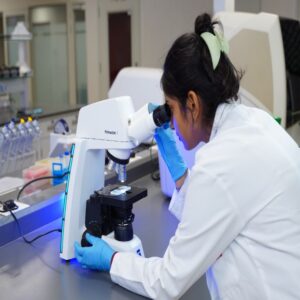
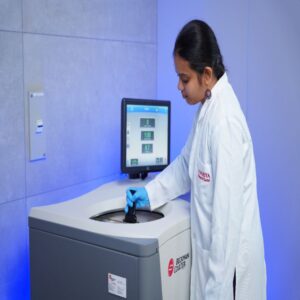
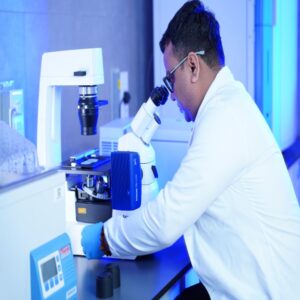
ARCD’s molecular biology ecosystem is equipped with advanced tools that support cloning, PCR, gene expression analysis, nucleic-acid QC, and molecular manipulation. The Zeiss Primostar microscopes enable routine observation of stained samples and morphological assessments, while DNA and protein electrophoresis units and the Bio-Rad Gel Documentation System allow researchers to visualize, validate, and document nucleic acid and protein experiments. High-precision quantification is supported by the Nanodrop spectrophotometer and ultrapure Type I/II water purification systems that ensure contamination-free reactions. Refrigerated high-speed centrifuges facilitate plasmid preparation, nucleic-acid extraction, and buffer exchange workflows.
ARCD’s genomics infrastructure supports high-precision genetic analysis, biomarker discovery, and sequencing-based studies. The QuantStudio™ 5 Real-Time PCR System supports gene expression profiling, pathogen quantification, SNP typing, and nucleic-acid detection. The Nanopore MinION sequencer brings long-read, real-time sequencing capabilities to ARCD, allowing rapid analyses such as amplicon sequencing, structural variant detection, and metagenomic profiling. Complementary systems like gel documentation units, refrigerated centrifuges, and electrophoresis equipment support all steps of genomic QC, library preparation, and downstream bioinformatics workflows.
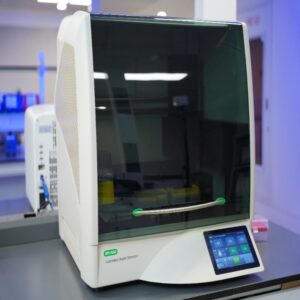
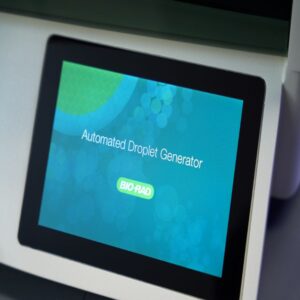
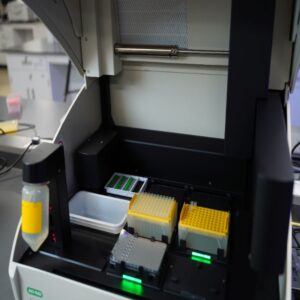
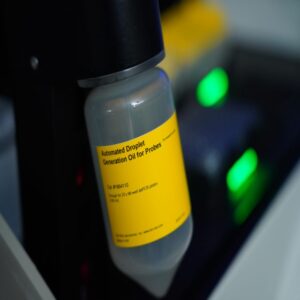
Facilities for molecular microbiology at ARCD support microbial growth, genetic manipulation, and molecular characterization of microorganisms. Microbial shaker incubators enable efficient cultivation, plasmid amplification, and recombinant protein production under controlled temperature and aeration. Class II biosafety cabinets ensure aseptic handling of microbial cultures and BL-2 organisms, while 4 °C, –20 °C, and –80 °C freezers provide secure storage for microbial stocks, enzymes, plasmids, and sensitive reagents. Standard PCR and electrophoresis systems support microbial gene amplification, detection, and genomic characterization. Droplet Digital PCR platform (Bio-Rad QX600) enable ultra-sensitive and absolute quantification of DNA/RNA, facilitating microbial detection and clinical biomarker research. Together, this infrastructure allows robust microbial genomic studies, strain engineering, and experimental microbiology research at ARCD.
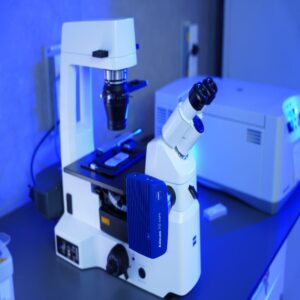
ARCD’s cell biology facilities include a comprehensive suite of instruments for imaging, culturing, and analyzing mammalian cells. The Zeiss inverted fluorescence microscope enables high-resolution visualization of fluorescent markers, intracellular signalling, and transfection efficiency, while the AxioVert phase-contrast microscope supports routine monitoring of cell lines for confluency and contamination. CO₂ incubators maintain stable physiological conditions essential for growth, viability, differentiation studies, and drug-response assays. Complementing these capabilities, the Varioskan™ Lux multimode plate reader enables cell viability assays, proliferation studies, biochemical quantification, and fluorescence- or luminescence-based readouts.
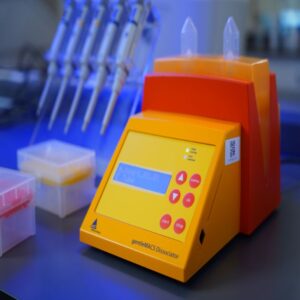
The immunology research environment at ARCD is anchored by high-end cytometry and tissue processing capabilities. The BigFoot™ high-speed flow cytometer enables multiparameter immune profiling, rare cell detection, cytokine marker analysis, and sterile high-precision sorting for downstream culture or molecular applications. Tissue samples are processed using the GentleMACS system to generate uniform single-cell suspensions suitable for immunophenotyping or functional assays. Class II biosafety cabinets ensure safe handling of primary immune cells, PBMCs, and clinical specimens under sterile and BL-2 compliant conditions. Together, these facilities support extensive immunological research, including cell-activation studies, immune signalling, and translational immunotherapy workflows.
Protein biology research at ARCD is supported by an integrated set of instruments enabling expression, purification, quantification, and functional characterization of proteins. Electrophoresis systems support SDS-PAGE, Western blot workflows, and protein purity assessment, while the Bio-Rad Gel Documentation System enables accurate imaging and digital record keeping of protein gels. Refrigerated centrifuges provide temperature-controlled separation and fractionation essential for protein extraction, isolation, and enzyme-based assays. The Varioskan™ Lux multimode reader supports ELISA, enzyme kinetics, fluorescence-based assays, and other biochemical analyses. This suite of equipment allows ARCD scientists to study protein function, stability, and interactions with high precision.
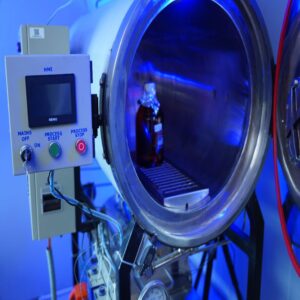
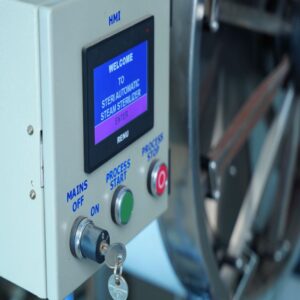
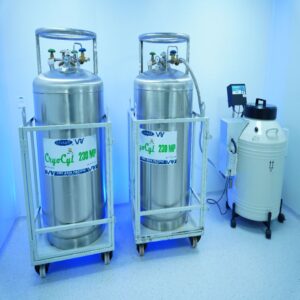
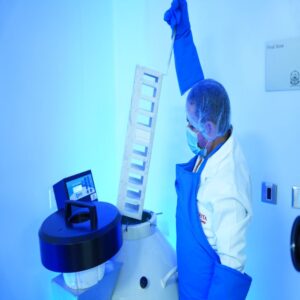
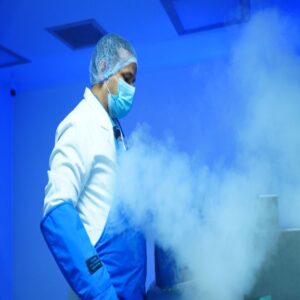
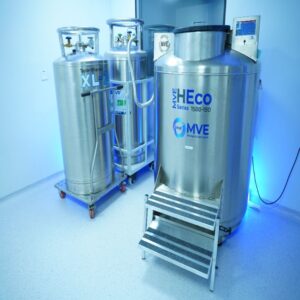
ARCD’s GMP floor is equipped with high-quality, regulatory-compliant infrastructure to support cell-based manufacturing, clinical-grade research, and translational studies. Class II biosafety cabinets and CO₂ incubators ensure aseptic processing of materials and controlled expansion of GMP-grade cell products. The Zeiss inverted fluorescence microscope located in the GMP zone is used for batch-wise QC, morphology assessment, and documentation of in-process materials. Cryogenic storage is supported by PESO-approved liquid nitrogen cylinders, which maintain uninterrupted –196°C supply for cryopreservation of cell banks, patient-derived materials, and long-term storage required for regulatory compliance. In addition, a controlled-rate freezer (CRF) supports standardized, gradual cooling of cell products to preserve viability and ensure compliance with regulatory cryopreservation protocols critical for GMP workflows. These facilities maintain safety, traceability, and sterility standards compliant with DCGI, AABB, ICMR, and FDA-oriented frameworks.