


In 2024, Amrita Vishwa Vidyapeetham initiated and actively led cross-sectoral dialogue on the Sustainable Development Goals (SDGs) through a series of international conferences, global policy forums, and multi-stakeholder platforms. These engagements convened government agencies, UN bodies, civil society organisations, academia, industry leaders, and community stakeholders, facilitating policy-relevant dialogue, knowledge exchange, and collaborative action across priority SDG themes.
Amrita’s cross-sectoral dialogues are intentionally designed to translate evidence, community experience, and research into SDG policy discourse, implementation strategies, and adaptive governance, positioning the university as a neutral convenor and knowledge intermediary within SDG ecosystems.
UNESCO–African Union Global Forum on Transforming Knowledge for Africa’s Future
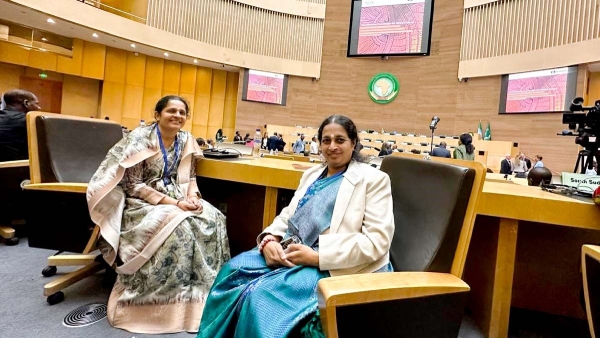
In 2024, Amrita’s UNESCO Chairs participated in the UNESCO–African Union Global Forum in Addis Ababa, engaging with national education ministries, universities, and international organisations from all 55 African Union member states. Amrita contributed to cross-sectoral policy dialogue on water research cooperation, gender equality in STEM, and SDG-aligned higher education systems, strengthening collaboration across SDGs 4, 5, 6, and 17.

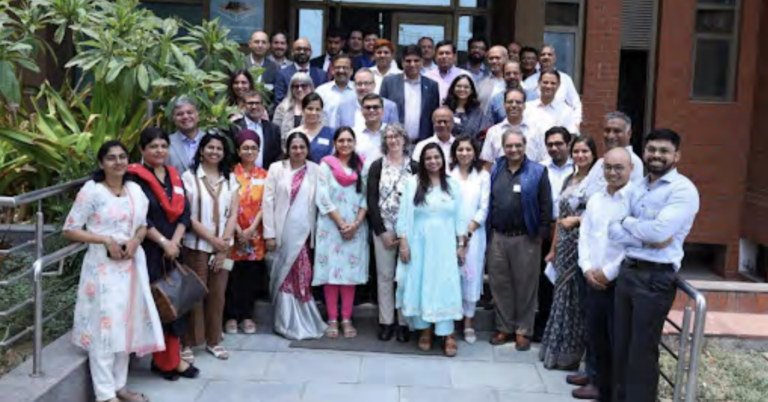
Amrita Vishwa Vidyapeetham engages in cross-sectoral dialogue on UN SDGs through its collaboration with the University of Minnesota under the Sustainable GeoCommunities (SGC) initiative. The project convenes structured dialogues involving academia, government agencies, industry representatives, non-governmental organisations, and community stakeholders to collectively examine SDG challenges and opportunities. Through international workshops, thematic sessions, and multi-stakeholder discussions, partners exchange perspectives on issues such as water security, climate resilience, sustainable livelihoods, and community infrastructure, fostering shared understanding and informed approaches to advancing the SDGs across diverse regional contexts.
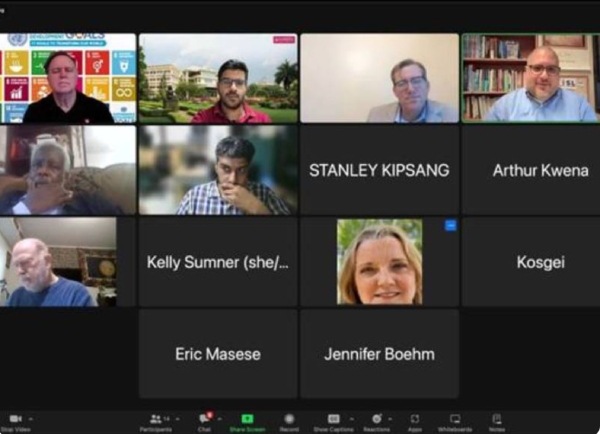
Amrita was invited to participate in the multi-country SDG Global Conversation hosted by Indiana University in November 2024, alongside universities, NGOs, health institutions, and development partners from India, the United States, and Africa. The dialogue facilitated cross-sector exchange on community-based SDG implementation, with Amrita presenting Live-in-Labs® as a scalable model informing SDG 3, SDG 4, and SDG 17 policy discussions.
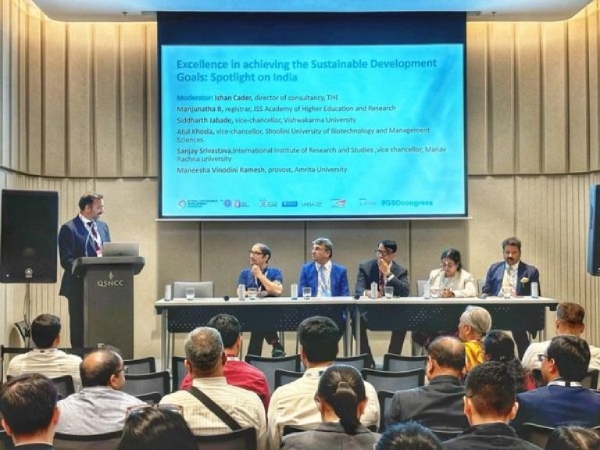
At the Times Higher Education Global Sustainable Development Congress, Amrita engaged with 2,100+ institutions from 125 countries, participating in cross-sector sessions involving governments, UN agencies, industry, and higher-education leaders. Amrita shared evidence-based approaches on sustainability governance, climate action, water management, and community resilience, contributing to global SDG policy dialogue and peer learning.
International Conference on Tsunami Risk Reduction and Community Resilience
In December 2024, Amrita convened the International Conference on Tsunami Risk Reduction and Community Resilience, bringing together UNESCO, UNESCAP, national disaster authorities, scientific institutions, NGOs, and policymakers. The conference facilitated structured cross-sectoral dialogue on early-warning systems, disaster-risk governance, coastal resilience, and climate adaptation, directly informing SDG 11 and SDG 13 policy discourse.

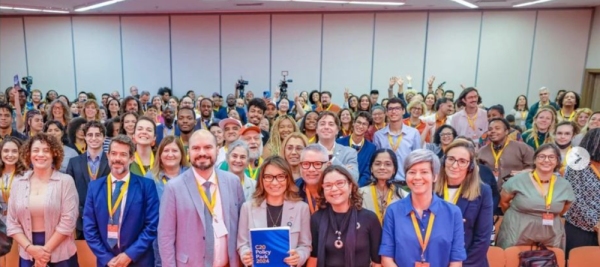
Building on its leadership during C20 India, Amrita played an active role in C20 Brazil 2024, engaging with government representatives, international civil society organisations, and G20 stakeholders. These dialogues supported continuity in SDG policy deliberations on climate resilience, social justice, and sustainable development, strengthening links between civil society evidence and government decision-making under SDGs 13, 16, and 17.

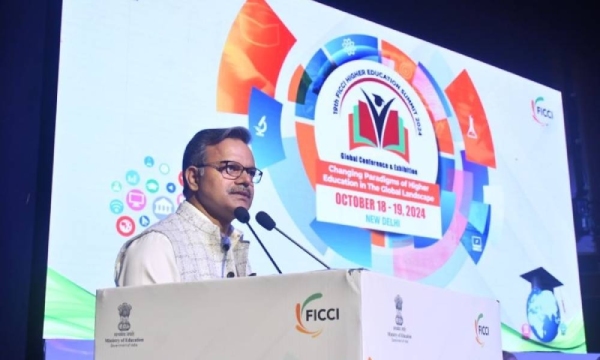
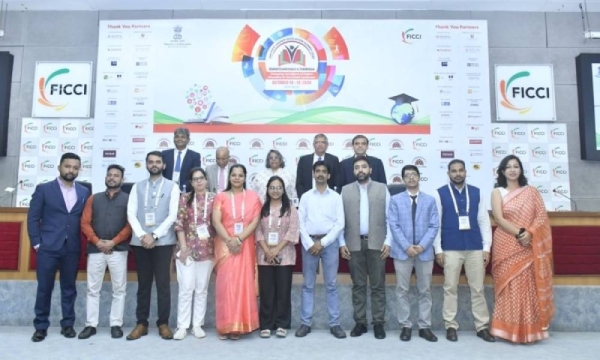
Amrita participated in the 19th FICCI Higher Education Summit, a national platform convening industry leaders, policymakers, academic institutions, and government representatives. Contributions focused on sustainability-driven innovation, inclusive education, and emerging technologies, reinforcing the role of universities in cross-sector SDG policy dialogue under SDGs 4, 9, and 12.

AYUDH Europe Summit 2024
Amrita engaged in cross-sectoral SDG dialogues at the AYUDH Europe 20th Anniversary Summit in Germany, convening youth leaders, UN representatives, policymakers, academics, NGOs, and community organisations from over 20 countries. Through its UNESCO Chair, Amrita led workshops on Sustainable Communities and experiential SDG learning, strengthening global youth-driven SDG collaboration.
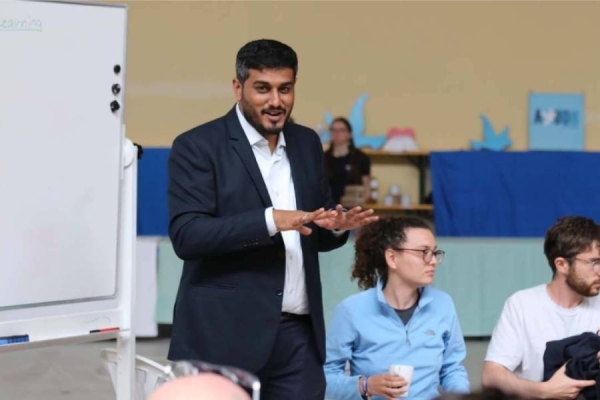
In December 2024, Amrita conducted a cross-sectoral policy dialogue with Government of India science and technology officials, applying the AWESOME framework developed under its UNESCO Chair. The programme enabled structured dialogue between academia and government on gender-responsive governance, aligned with SDGs 5, 10, and 17.

Amrita hosted the Empowering Women for Blue Growth workshop, convening international experts, policymakers, researchers, and local stakeholders to advance gender-inclusive marine sustainability. The dialogue addressed women-led coastal livelihoods, blue economy models, and sustainable aquaculture, contributing to SDG-aligned policy discussions on inclusive economic development.

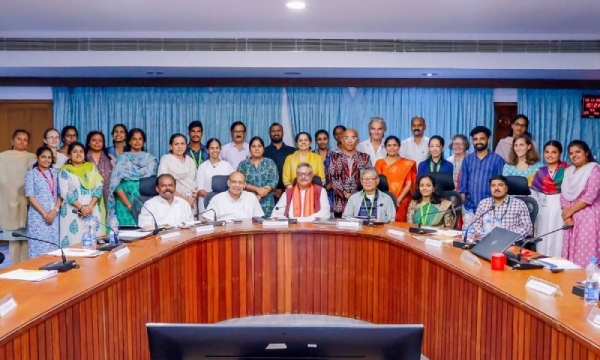
In 2024, Amrita Vishwa Vidyapeetham initiated and participated in multiple high-impact cross-sectoral dialogues on the Sustainable Development Goals, convening government bodies, UN agencies, NGOs, industry, academia, and community stakeholders to inform SDG policy discourse, implementation strategies, and adaptive governance at national and international levels.
Last Update : December 08, 2025
In 2024, Amrita Vishwa Vidyapeetham played a leading role in advancing cross-sectoral dialogue on the Sustainable Development Goals by convening and engaging in platforms that connected government agencies, NGOs, international organizations, academia, industry, and community groups. The university hosted and participated in conferences, policy roundtables, and multi-stakeholder workshops that promoted evidence-based SDG action across areas such as resilience, climate action, gender equality, health, and sustainable development. Through these initiatives, Amrita strengthened collaboration between research, policy, and practice, establishing itself as a bridge institution committed to accelerating progress toward the United Nations Sustainable Development Goals.
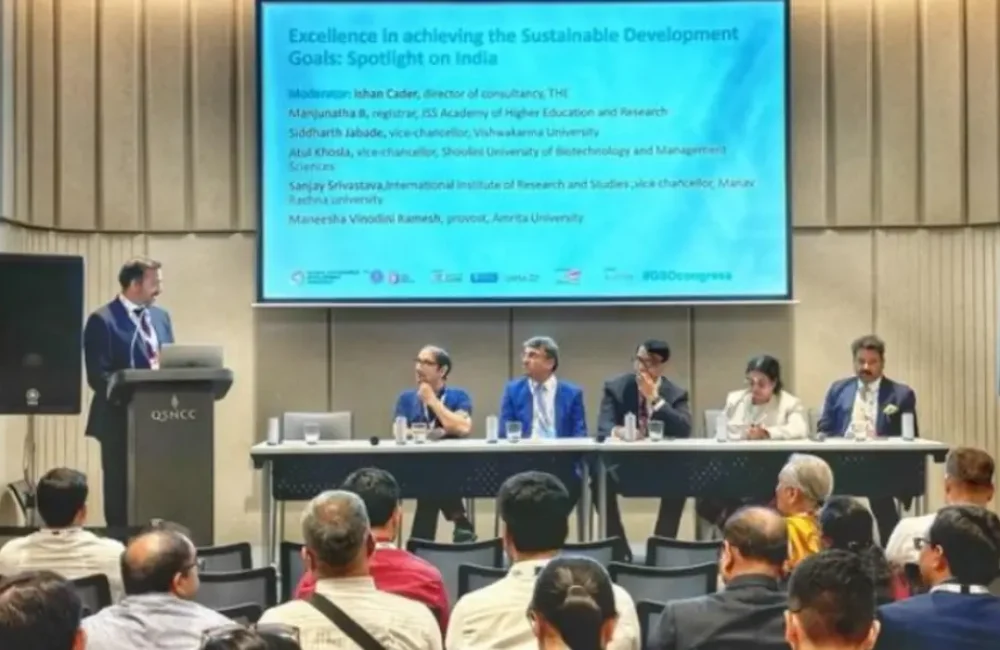
In June 2024, Amrita Vishwa Vidyapeetham participated in the Times Higher Education Global Sustainable Development Congress in Bangkok, which convened over 2,100 institutions from 125 countries to advance the UN Sustainable Development Goals. Amrita showcased its impactful sustainability initiatives through multiple sessions. Provost Dr. Maneesha V. Ramesh presented on India’s SDG achievements, highlighting Amrita’s comprehensive sustainability framework. Dr. Shivapratap Gopakumar contributed insights on research and innovation, while Mr. Krishnanandanshared community-engaged Live-in-Labs® projects. Ms. Reshma A. S. presented Amrita’s advanced water-management systems supporting SDG 6.
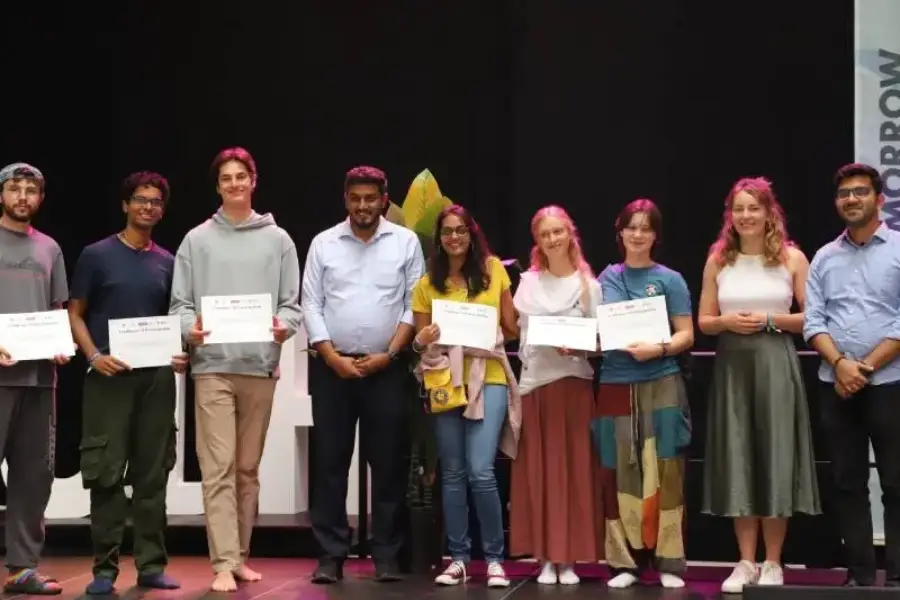
Amrita Vishwa Vidyapeetham actively participated in cross-sectoral SDG dialogues during the AYUDH Europe 20th anniversary summit held in Germany in July 2024, which brought together over 400 youth, UN representatives, policymakers, academics, NGOs, and community leaders from 20+ countries. Through its UNESCO Chair, Amrita led workshops on Sustainable Communities and Live-in-Labs®, fostering global collaboration on experiential learning for sustainable development. The summit, supported by the Erasmus+ programme, enabled intergenerational discussions and policy recommendations, showcasing Amrita’s role in advancing international dialogue and partnerships that strengthen youth engagement and accelerate progress toward the Sustainable Development Goals.

Amrita Vishwa Vidyapeetham participated in the National Workshop on SDG-4 Integration into Higher Education Institutions on July 9, 2024, engaging in cross-sectoral dialogue with academic leaders, government officials, and education policymakers. The workshop, hosted by SRM University, focused on advancing Quality Education through curriculum innovation and institutional strategies aligned with SDG-4. Amrita showcased best practices, including its Live-in-Labs®, vocational training models, and experiential learning frameworks. Through this collaboration, Amrita contributed to strengthening national efforts to integrate SDG-4 into teaching, research, and community engagement across India’s higher education ecosystem.
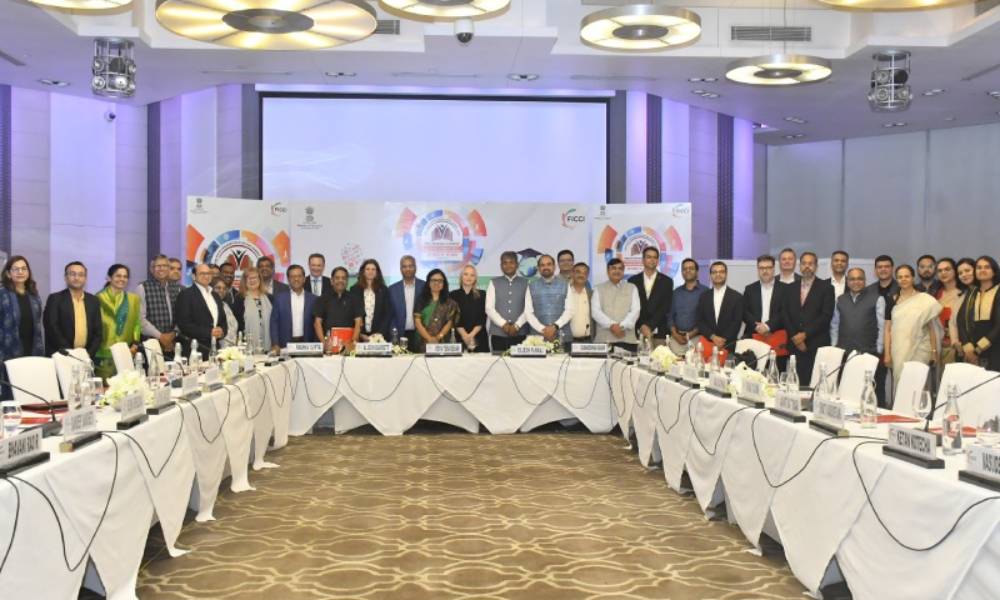
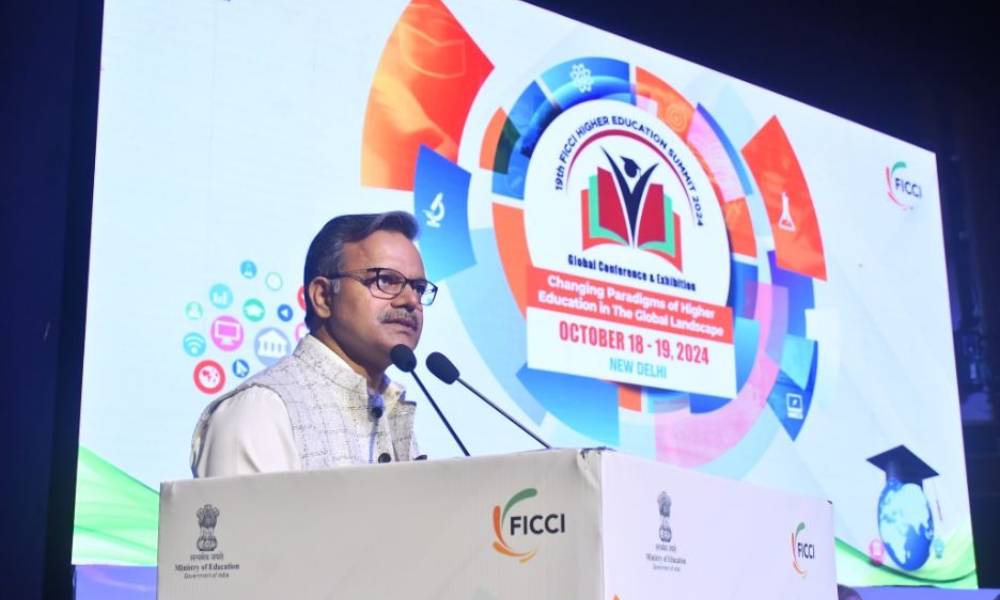
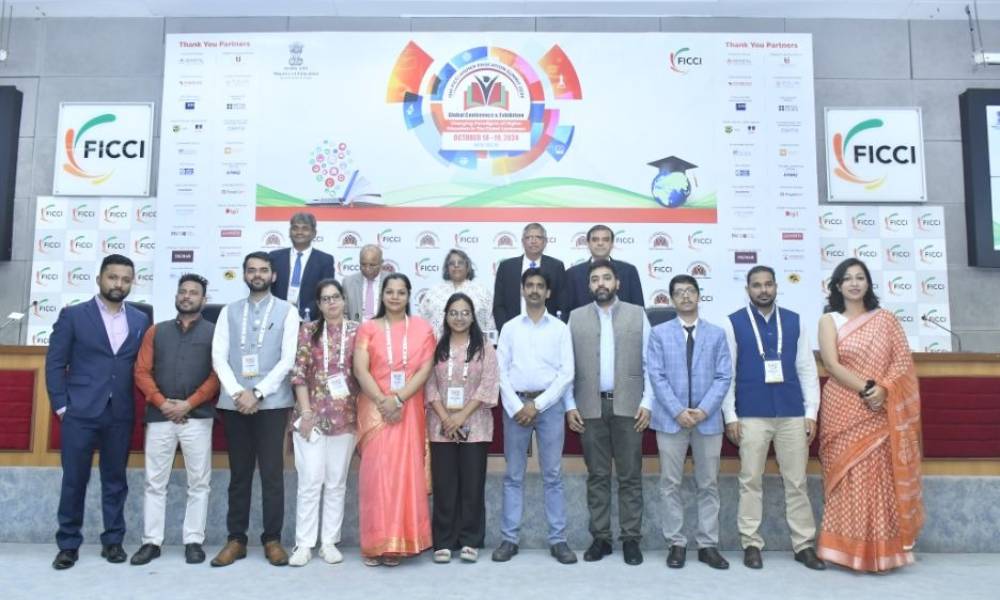
Amrita Vishwa Vidyapeetham actively participated in the 19th FICCI Higher Education Summit 2024, a major cross-sectoral forum bringing together academia, industry, and policymakers to discuss innovation, sustainability, and the future of higher education. At the VC–CEO Roundtable on “Redefining Education: Integrating New Age Technologies,” Prof. Bhavani Rao represented Amrita, highlighting the transformative potential of AI, AR/VR, blockchain, and predictive analytics in education. She also contributed to the panel “One Planet, Shared Future,” presenting Amrita’s compassion-driven, community-engaged research model. Through these dialogues, Amrita emphasized the critical role universities play in advancing sustainable development and the SDGs.
Amrita Vishwa Vidyapeetham participated in the multi-country “SDG Global Conversation” hosted by Indiana University Indianapolis on November 14, 2024, engaging with universities, health organizations, and development stakeholders to advance community-based SDG action. Representing Amrita, members of the Live-in-Labs® program and the Amrita Institute of Medical Sciences shared models for community-engaged research and health initiatives. Alongside experts from IU Indianapolis, Eskenazi Health Foundation, and Moi University (Kenya), Amrita contributed to discussions on education, healthcare, and partnerships addressing SDGs 3, 4, and 17. The event strengthened global collaboration and highlighted Amrita’s role in co-developing sustainable, community-centered solutions.
During 2023, Amrita Vishwa Vidyapeetham, under the visionary leadership of Chancellor Sri Mata Amritanandamayi Devi (Amma) as Chair of Civil20 India, initiated and participated in extensive cross-sectoral dialogues that brought together civil society organizations, government representatives, academia, and private sector stakeholders. The C20 India initiative, which continued into 2024 with Brazil’s G20 presidency, established a global platform for civil society to contribute policy recommendations on critical global challenges. This unprecedented engagement demonstrated Amrita’s commitment to facilitating dialogue that translates research and community insights into actionable policy recommendations for the G20 member countries.

Following the transition of C20 leadership from India to Brazil for the 2024-2025 G20 cycle, Amrita Dean Dr. Krishnashree Achuthan represented India’s leadership at the C20 Brazil closing summit held in Rio de Janeiro on November 13, 2024. The summit brought together Brazil’s First Lady, Janja Lula da Silva, and prominent G20 social representatives and Brazilian government officials including Minister Marcio Macedo (Brazilian G20 Sherpa), Mauricio Lyrio, South African Sherpa Zane Dangor, G20 Social General Coordinator Tatiana Beringer, National Secretary Eliane Aquino, and several ministers from the Brazilian government.

Amrita Vishwa Vidyapeetham hosted the International Conference on Tsunami Risk Reduction and Resilience from December 13–15, 2024, marking 20 years since the 2004 tsunami and fostering global cross-sectoral dialogue on disaster risk reduction. Organized by Amrita’s UNESCO Chair, ASF, and the Centre for Wireless Networks and Applications, the conference convened 40+ experts from 15 countries, including representatives from UN ESCAP, UNESCO, UNESCO-IOC, INCOIS, NDMA India, and NOAA. Discussions spanned disaster management, early warning systems, community resilience, and climate risks. The event showcased Amrita’s leadership in uniting researchers, policymakers, and practitioners to strengthen resilience and inform sustainable development policy.


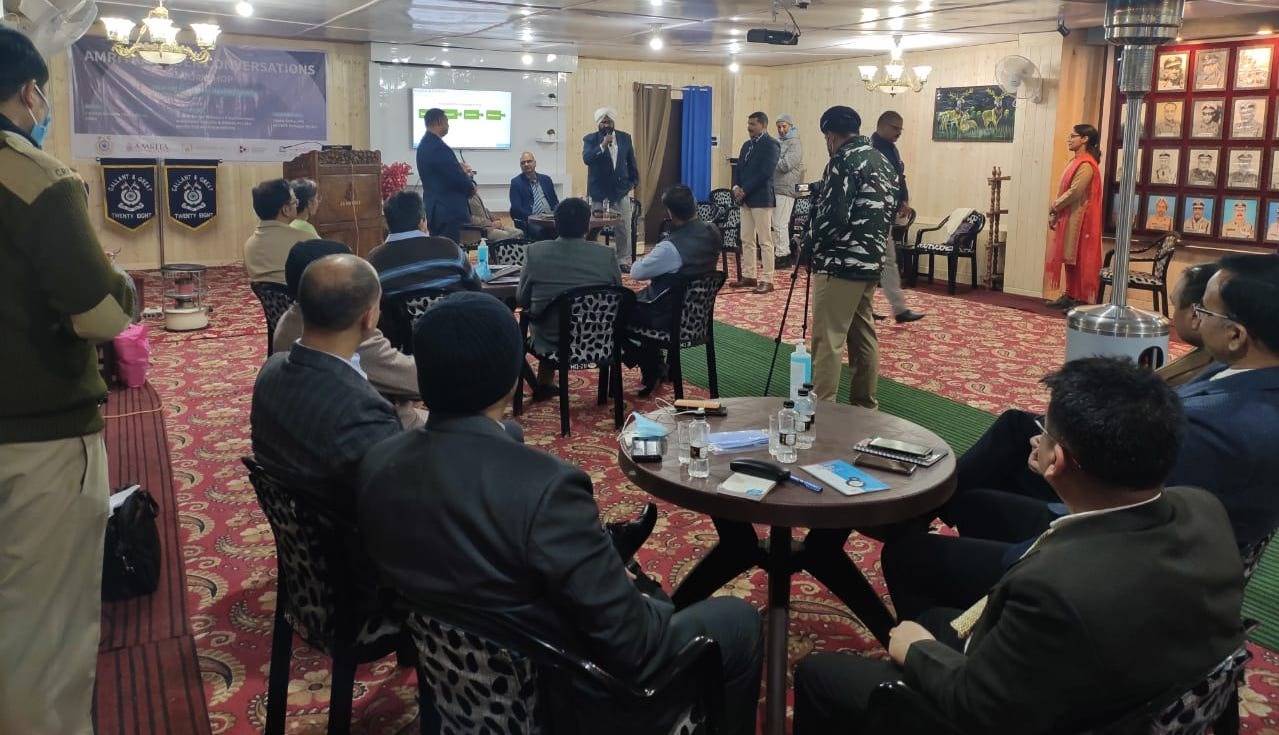
Amrita Vishwa Vidyapeetham conducted a Gender Sensitization and Gender Transformative Programme Workshop for Government of India employees from science and technology agencies, fostering cross-sectoral dialogue on advancing SDG-aligned gender equality. Using the AWESOME framework developed by Amrita’s Center for Women’s Empowerment and Gender Equality and UNESCO Chair, the workshop equipped participants with tools to address structural inequalities and workplace barriers. Aligning with national initiatives such as Beti Bachao Beti Padhao and Mahila Shakti Kendra, the program strengthened capacities for implementing SDG 5, SDG 10, and SDG 17. The workshop highlighted Amrita’s role as a knowledge partner supporting gender-transformative change within government institutions.
Amrita Vishwa Vidyapeetham hosted the “Empowering Women for Blue Growth” workshop on November 15, 2024, convening international experts, policymakers, local stakeholders, and researchers to advance gender-inclusive marine sustainability. Organized by the Center for Women’s Empowerment and Gender Equality (CWEGE), the workshop facilitated cross-sectoral dialogue on sustainable marine practices, seaweed cultivation, Integrated Multi-Trophic Aquaculture (IMTA), and women-led coastal livelihood models. Experts shared best practices from Japan, Indonesia, Israel, and India, helping develop locally relevant strategies for women’s economic empowerment in blue economy sectors. The event highlighted Amrita’s commitment to gender-responsive sustainable development and its role in integrating research, policy, and community-based solutions.


From February 2023 to June 2024, Amrita Vishwa Vidyapeetham engaged in sustained cross-sectoral dialogue with environmental NGOs—including CANSA, Industree, Vasudha Foundation, and Team Environment Kenya—to advance climate action and environmental sustainability. Through a series of collaborative workshops, the university facilitated discussions on climate finance, community-based adaptation, biodiversity protection, gender-responsive climate action, resilient built environments, and sustainable agriculture. More than 200 educators, students, and community stakeholders participated across India. This multi-year collaboration, involving the UNESCO Chairs network and government bodies, demonstrated Amrita’s commitment to integrating research, policy, and practice to strengthen climate resilience and support SDG implementation.
ARISE 2024, held at Amrita Vishwa Vidyapeetham’s Amaravati campus, convened leading academics, industry experts, researchers, and policymakers for cross-sectoral dialogue on innovation and sustainable development. Over two days, the symposium highlighted how research can address global challenges and advance societal well-being. Key contributors included leaders from IIT Tirupati, AIIMS Mangalagiri, Wipro, SUNY Buffalo, and India’s Department of Science and Technology. Roundtable discussions addressed One Health, emerging technologies, resilient cities, and lifelong learning. Through ARISE 2024, Amrita demonstrated its capacity to catalyze collaboration across sectors and strengthen research-driven approaches to the Sustainable Development Goals.
ALARM 2024 was a two-day international symposium on antimicrobial resistance, organized by Amrita School of Biotechnology, Amritapuri Campus, recognized by DST as Centre of Excellence for Antimicrobial Resistance, in conjunction with IIT Kanpur and CDRI Lucknow. The symposium theme “Educate. Advocate. Act Now” was aligned with WHO’s World AMR Awareness Week and reflected the urgent global need for coordinated action on antimicrobial resistance, which poses an increasing threat to global health security and sustainable development. The conference aimed to educate and facilitate awareness of the exponential rise in the global antimicrobial resistance crisis through cross-sectoral dialogue among researchers, clinicians, public health officials, and policymakers from India and internationally. By bringing together academic researchers, government health agencies, pharmaceutical industry representatives, and civil society stakeholders, ALARM 2024 demonstrated how universities can serve as platforms for addressing emerging global health challenges through evidence-based, multi-stakeholder dialogue.
The second International Conference on Comprehensive Education (ICCE-24) was held at Amrita Vishwa Vidyapeetham, Mysuru Campus from July 25 to 27, 2024, as a joint effort with faculty members from the College of Education and Health Sciences at Adelphi University, New York. This bi-annual conference provided an excellent platform to present innovative research and exchange ideas with leading national and international experts in education, advancing dialogue on how educational systems and practices can support comprehensive human development aligned with sustainable development objectives. The conference featured paper presentations, roundtable discussions, panels and poster sessions, with all proposals undergoing rigorous peer review to ensure research quality. Accepted proposals were included in conference proceedings with publication opportunities in edited books, providing mechanisms for disseminating research findings to broader academic audiences.
The Amrita Center for Responsible Innovations and Sustainable Enterprises (ARISE) operates as a trans-disciplinary research and impact center that promotes research and dialogue with various stakeholders including the research community, business leaders, policy makers, civil society, and the public at large. ARISE activities are categorized in practice areas including Research, Network, Social Entrepreneurship, Consulting, and Training, leading to building organizational capacity for sustainability management and social innovation. The center facilitates cross-sectoral engagement by bringing together diverse stakeholders to co-create knowledge and develop solutions for complex sustainability challenges, positioning universities as platforms for bridging research, policy, and practice.
Amrita Vishwa Vidyapeetham operates as a catalyst for global health transformation through strategic collaborations, recognizing that addressing health challenges requires coordinated engagement across multiple sectors and geographies. Aligned with SDG 3 (Good Health and Well-Being), SDG 17 (Partnerships for the Goals), and complementary SDGs including SDG 1 (No Poverty), SDG 5 (Gender Equality), and SDG 13 (Climate Action), the institution’s multitier partnership approach creates a powerful ecosystem where grassroots community health interventions seamlessly connect with cutting-edge research partnerships with world-renowned institutions. Through this integrated approach, Amrita demonstrates how universities can facilitate cross-sectoral dialogue on health challenges and coordinate multi-stakeholder action for sustainable health outcomes.
Through its comprehensive SDG engagement framework, Amrita Vishwa Vidyapeetham demonstrates institutional commitment across all 17 Sustainable Development Goals, with integrated monitoring, reporting, adaptive management systems, and cross-sectoral dialogue mechanisms embedded throughout the institution. The university’s approach recognizes that achieving the SDGs requires sustained engagement across research, education, community partnerships, and policy dialogue, translating academic expertise into action that benefits society.