


Amrita Vishwa Vidyapeetham demonstrates strong, multi-level cooperation with local, regional, national, and global government bodies to advance water security, aligned with SDG 6.5.5. All evidence is publicly available through the university’s SDG 6 portal.
Local and Regional Cooperation
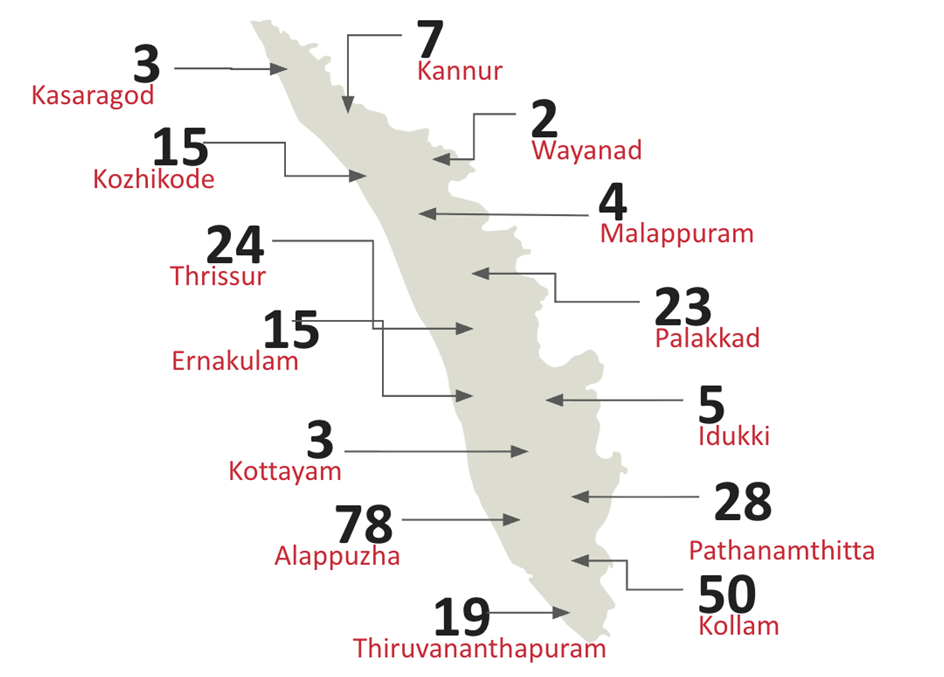
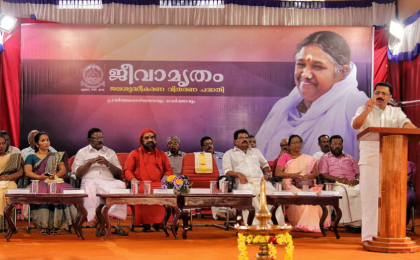
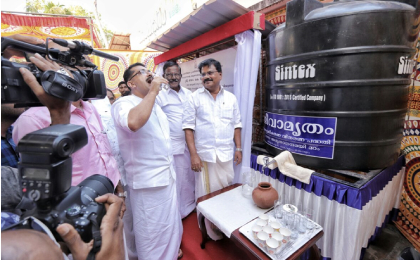
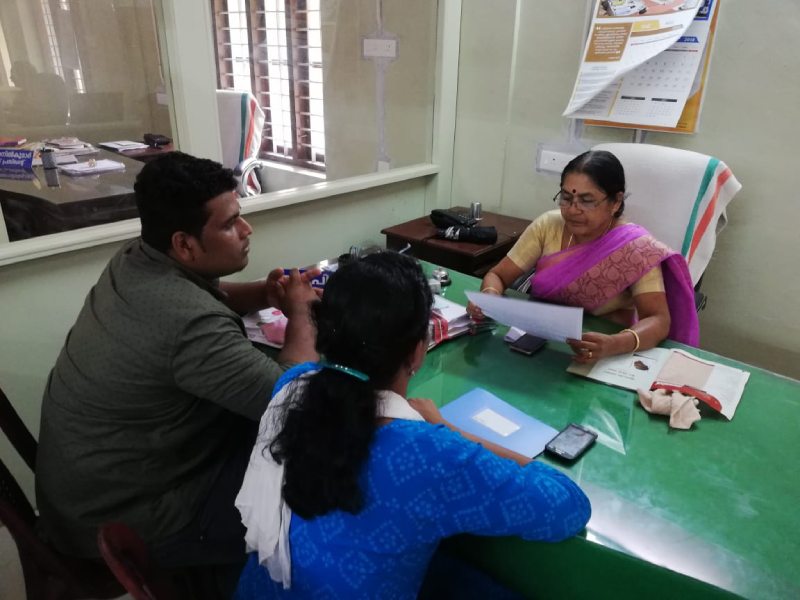
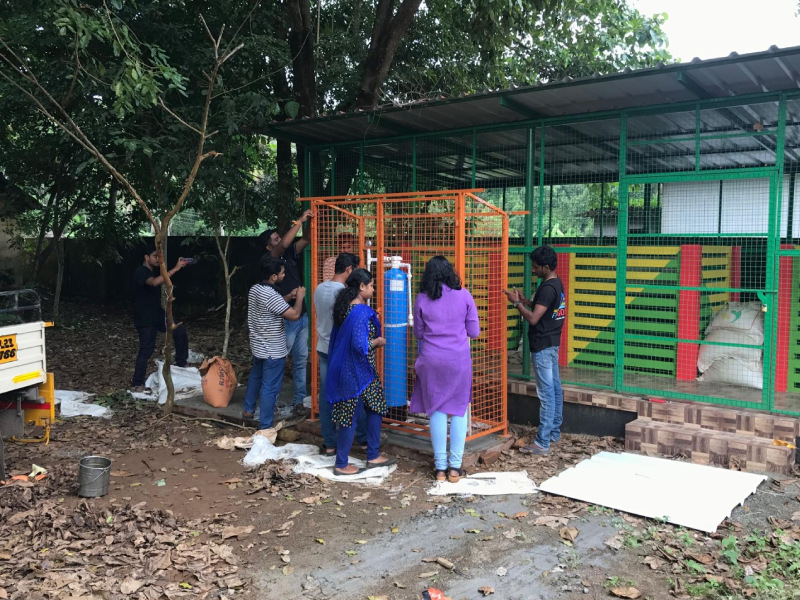
Amrita partners with ~300 Panchayats across Kerala and Tamil Nadu through community-based water initiatives.
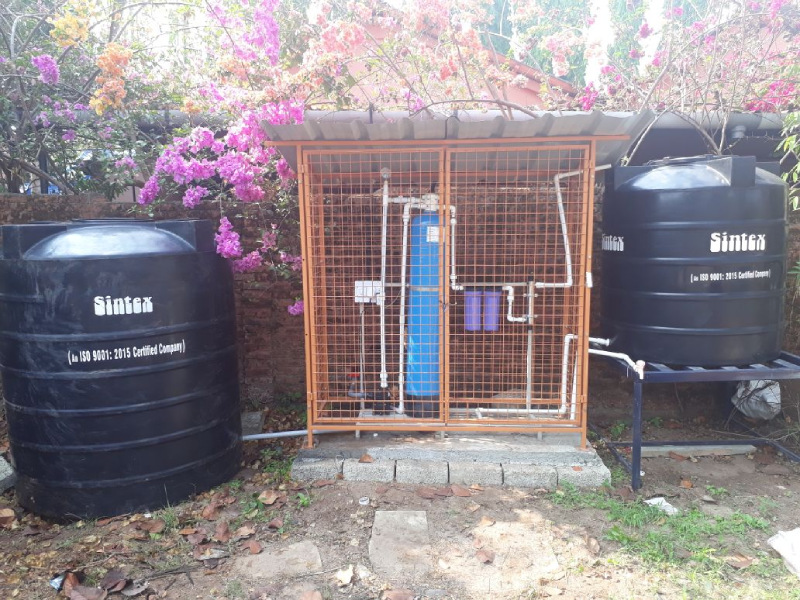
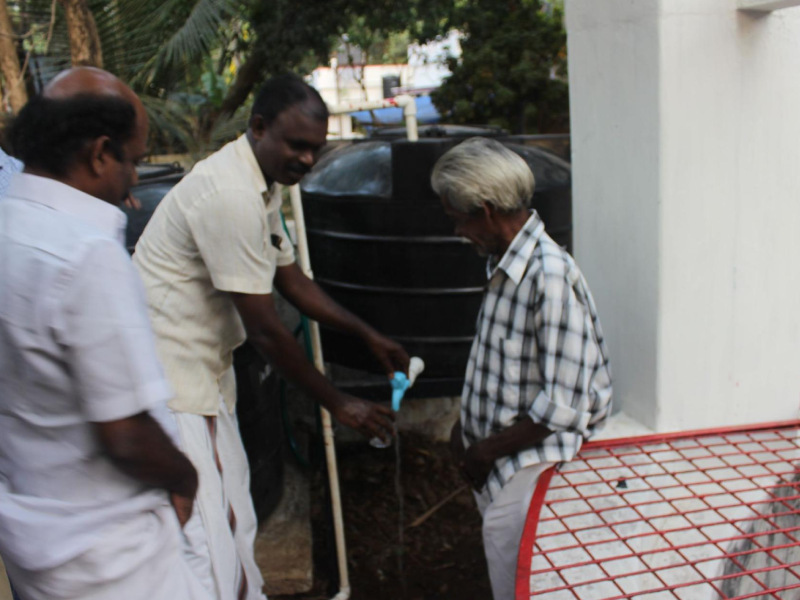
Amrita collaborated with the Surabhi Foundation, local Panchayats, and Tamil Nadu government authorities supported by UNESCO India to strengthen marine ecosystem security and livelihood resilience in the Gulf of Mannar and Palk Bay UNESCO Biosphere Reserves. The project focused on conserving the endangered dugong and supporting sustainable livelihoods across ten coastal villages, including Periyapattinam, Manamelkudi, Thondi, and Nambuthalai.
A participatory research approach engaged 800+ households through surveys, FGDs, KIIs, and PRA tools. The initiative included consultations with District Forest Officers, the Principal Chief Conservator of Forests, Fisheries Department officials, and Panchayats, along with awareness campaigns, SHG engagement, beach clean-ups, and livelihood training.
Protecting Local Water Bodies through Cleanliness Drives
In September 2024, Amrita University reaffirmed its commitment to sustainability through a series of cleanup drives focused on nearby water bodies. Students and faculty worked together to remove plastics, non-biodegradable waste, and other pollutants from these vital ecosystems.
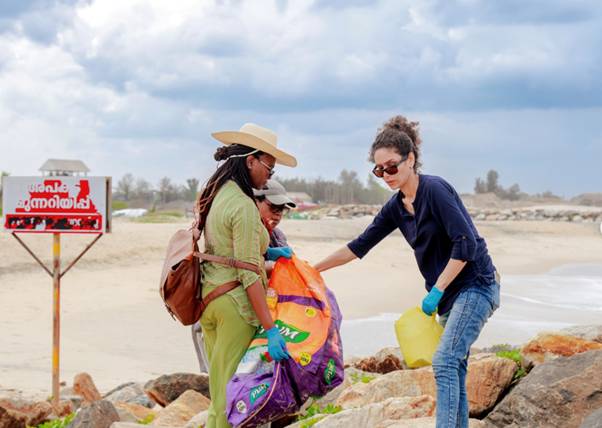
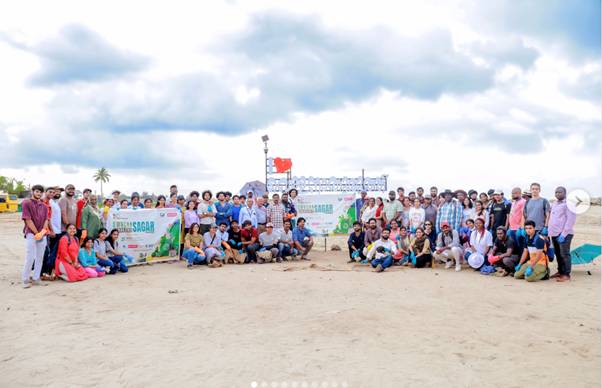
In collaboration with the UNESCO Chair at the Amrita School for Sustainable Futures and AYUDH Amritapuri, a major beach cleanup was held at Vellanathuruthu Beach in Alappad. The initiative formed part of the Ministry of Earth Sciences’ Swachh Sagar, Surakshit Sagar campaign, a nationwide effort promoting marine conservation and sustainable development.
Over 100 volunteers from Amrita Yuva Dharmadhara and the Amrita School for Sustainable Futures participated. The drive was led by Alappad Panchayat President U. Ullas; members Udayakumari and Sujimol; and faculty members, along with students, participated in the drive. In just two hours, volunteers collected 13 sacks of plastic waste, which were handed over to the Panchayat for proper disposal.
Amrita collaborates with key national agencies to support integrated water-resource management:
Participation of faculty and research teams in national water-governance dialogues and policy initiatives.
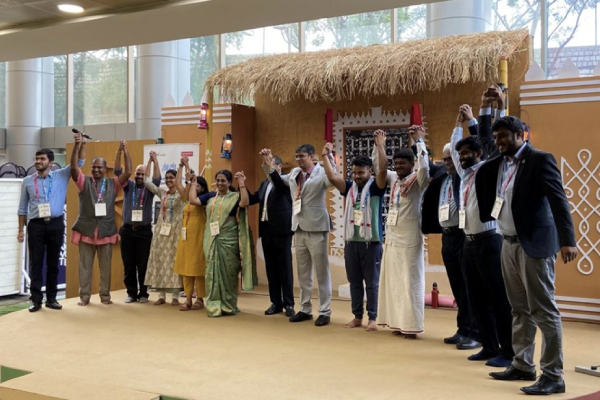
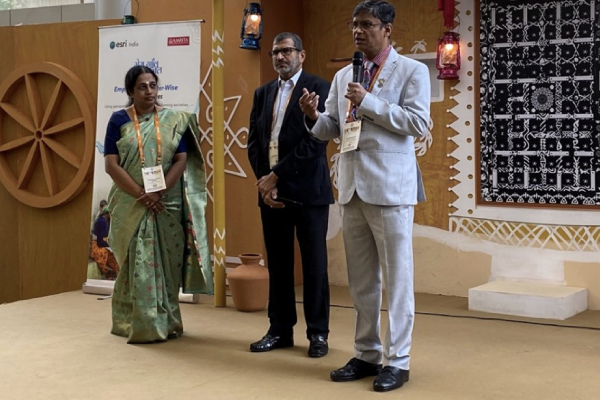
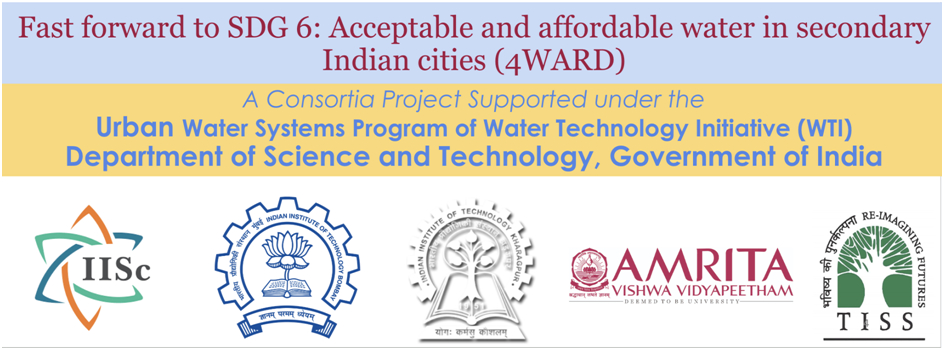
Amrita Vishwa Vidyapeetham is a core partner in “Fast forward to SDG 6: Acceptable and Affordable Water in Secondary Indian Cities (4WARD)”, a national-level consortium supported by the Urban Water Systems Program of the Water Technology Initiative (WTI), Department of Science and Technology (DST), Government of India. This initiative brings together leading institutions including IISc Bengaluru, IIT Bombay, IIT Kharagpur, Amrita Vishwa Vidyapeetham, and TISS Mumbai to advance affordable, safe, and sustainable urban water systems across India.
The collaboration focuses on strengthening water security in secondary Indian cities by developing scalable, research-driven solutions for water quality monitoring, affordable treatment technologies, and decentralised water-resource management. As part of the national consortium, Amrita contributes expertise in socio-technical systems research, community-engaged water assessments, and sustainable water-technology development.
Amrita collaborates internationally with leading academic institutes in Research and Innovation to ensure water security in Europe, Americas and Asia


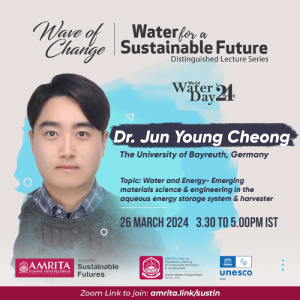
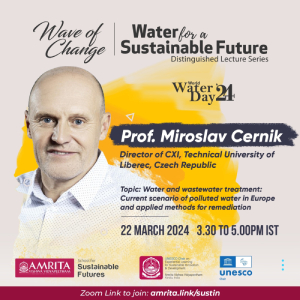
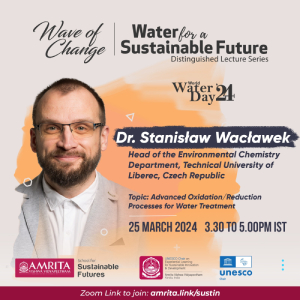
Distinguished Lecture Series
In 2024, the UNESCO Chair on Experiential Learning for Sustainable Innovation & Development, together with the Amrita School for Sustainable Futures, organised an international Distinguished Lecture Series featuring leading global water scientists. The programme facilitated student–faculty–community interactions on global water challenges, strengthening cross-cultural learning and international knowledge exchange.
A university innovation ecosystem supporting:
Quantitative
Qualitative