


Selecting the right engineering branch is a critical decision that will shape your career trajectory. If you find yourself torn between electrical engineering and electronics engineering, understanding the nuances of each field is essential. This guide will help you navigate the distinctions, enabling you to make an informed choice aligned with your interests and aspirations.
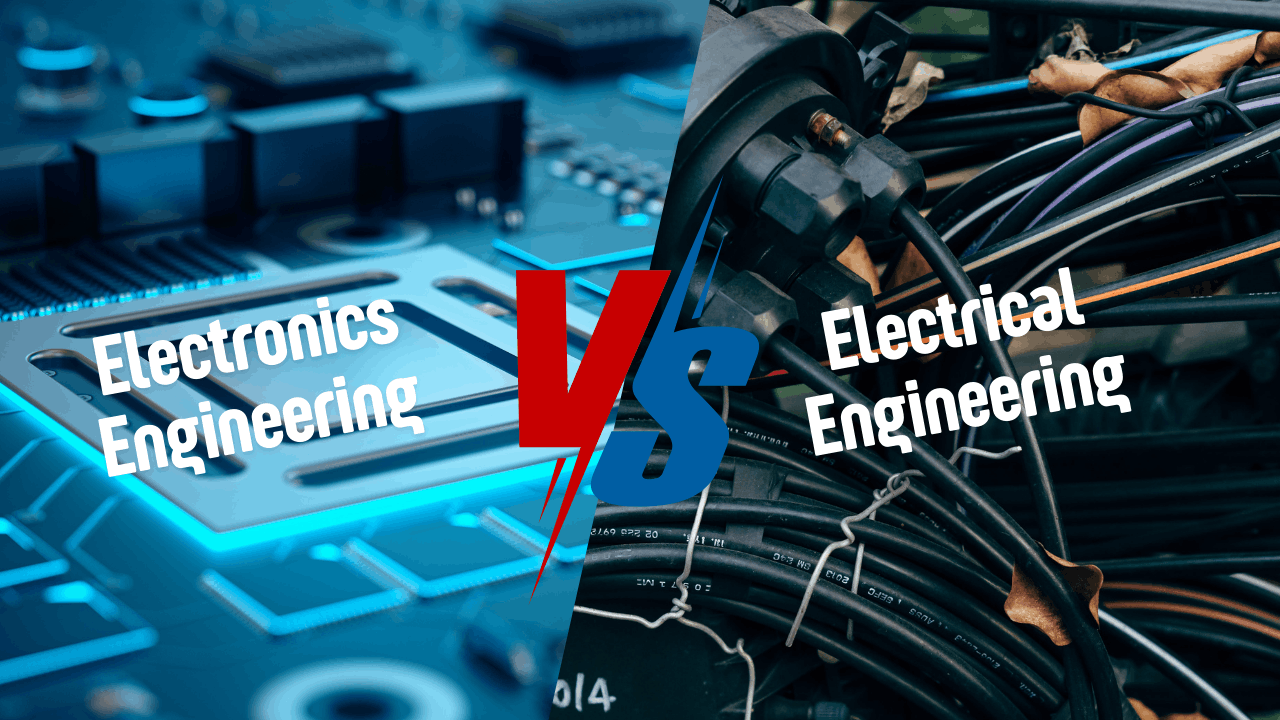
While both disciplines involve working with electrical systems and components, they differ in their focus and applications. Electrical engineering deals with the generation, transmission, and distribution of electricity on a larger scale, while electronics engineering concentrates on the design and development of electronic devices and systems.
To determine which path suits you best, consider your passion for either the macro or micro aspects of electrical systems. Do you envision yourself working on power grids and renewable energy projects, or do you see yourself innovating in the realm of microelectronics and communication technologies?
Electrical Engineering is a broad field that encompasses the study and application of electricity, electromagnetism, and electronics. It focuses on the design, development, and maintenance of electrical systems and equipment. Here’s what you need to know:
Electronics Engineering, also known as Electronic and Communication Engineering (ECE), deals with the design, development, and application of electronic devices and systems. It combines the principles of electrical engineering with the intricacies of modern electronics. Consider the following aspects:
Both electrical engineering and electronics engineering offer exciting opportunities in emerging fields. Here are some areas to consider:
Amrita Vishwa Vidyapeetham, a top-ranked university in India, offers comprehensive programs in both Electrical Engineering (EEE) and Electronics and Communication Engineering (ECE). With a focus on academic excellence, cutting-edge research, and strong industry collaborations, Amrita provides the perfect platform to pursue your engineering aspirations.
The EEE program at Amrita covers core areas like power systems, control systems, and renewable energy, while the ECE program delves into advanced topics like VLSI design, wireless communication, and embedded systems. Both programs offer ample opportunities for hands-on learning, research, and industry exposure.
Amrita’s strong placement record, global collaborations, and emphasis on holistic development ensure that graduates are well-prepared for successful careers in their chosen fields.
Ultimately, the decision between electrical engineering and electronics engineering boils down to your interests and career goals. Consider the following factors:
Take the time to explore the curricula, research opportunities, and industry connections offered by universities like Amrita. Speak with faculty members, alumni, and industry professionals to gain insights into each field.
Remember, both electrical engineering and electronics engineering offer rewarding career paths with ample growth opportunities. The key is to choose the branch that resonates with your interests and aligns with your vision for the future.
Electrical Engineering focuses on the generation, transmission, and distribution of electricity on a larger scale, while Electronics Engineering deals with the design and development of electronic devices and systems at a smaller scale.
While both branches involve some level of programming, Electronics Engineering typically has a stronger emphasis on software skills, particularly in areas like embedded systems and IoT. Electrical engineering may require programming knowledge for simulation, control systems, and automation.
Both electrical engineering and electronics engineering offer excellent job prospects across various industries. The demand for skilled engineers in both fields is consistently high, with opportunities in power, renewable energy, telecommunications, consumer electronics, and more.
Reflect on your interests and passions within the electrical and electronics domain. Consider the specific areas you find fascinating, such as power systems, embedded systems, or communication technologies. Explore the curricula and research areas of each branch to gauge your fit.


