The Microgrid and Drives Research Lab is underpinned by a robust infrastructure of industrial-grade power systems, advanced real-time control platforms, and high-fidelity monitoring tools. This comprehensive ecosystem enables the rigorous validation of cyber-physical architectures, decentralized trading markets, and autonomous grid controls, effectively bridging the gap between simulation and field-ready deployment.
List of Important Equipment
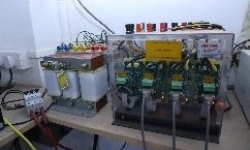
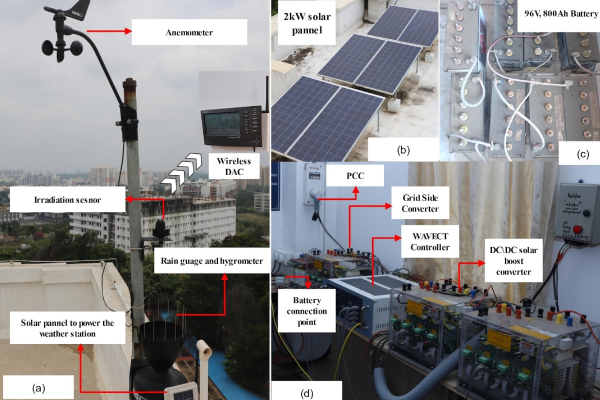
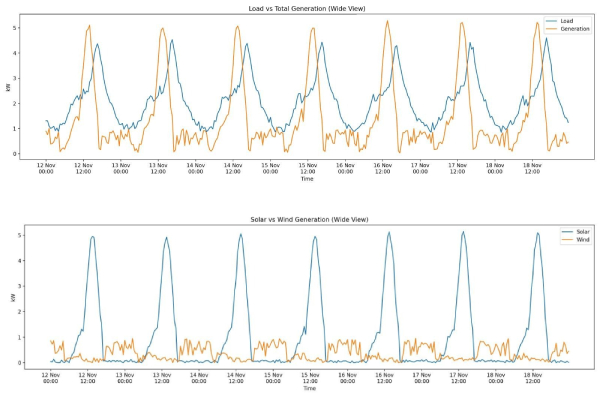
Integrated Renewable Energy Testbed – A hybrid generation suite featuring a 2kW Solar PV array and a 1 kW Wind Turbine. This setup is coupled with specialized rectifiers and DC/DC boost converters to simulate diverse renewable generation profiles and intermittency scenarios.
Battery Energy Storage System BESS – A high-capacity 96V, 640Ah Battery Bank designed for intensive storage characterization, enabling research into battery degradation, peak shaving, and seamless islanding transitions during grid outages.
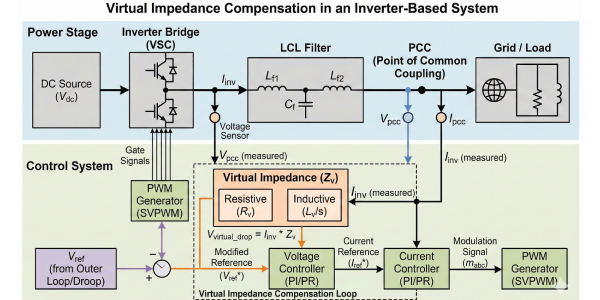
WAVECT FPGA Based RCP system – Real-Time Controller – An advanced FPGA-based control platform that serves as the brain of the microgrid. It executes high-speed control loops for Grid Side Converters and DC/DC converters, facilitating hardware-in-the-loop HIL validation of virtual impedance and droop control algorithms.
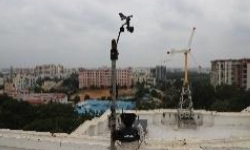
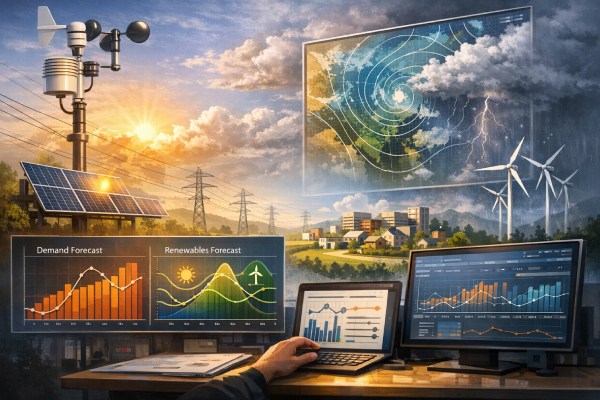
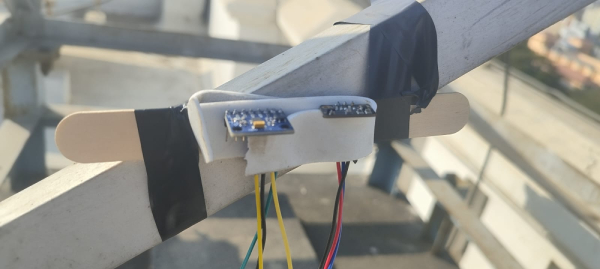
Precision Weather Monitoring Station – VANTAGE PRO2 – A high-resolution environmental sensing suite equipped with a wireless Data Acquisition DAC unit. It includes an anemometer, solar irradiation sensor, rain gauge, and hygrometer to feed real-time local data into AI-driven demand and generation forecasting models.
Dell OptiPlex Workstations – Computing units dedicated to running simulations, training machine learning models for forecasting, and hosting the dashboard interfaces for virtual power plant VPP orchestration.
Research and Training Focus
Microgrids & Renewable Energy Technology
Grid Ancillary Services & power Converters
Smart Grid & Net Zero Energy Grids
Virtual Power Plant & Weather Forecast
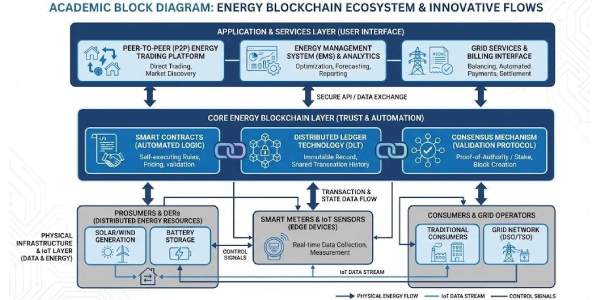
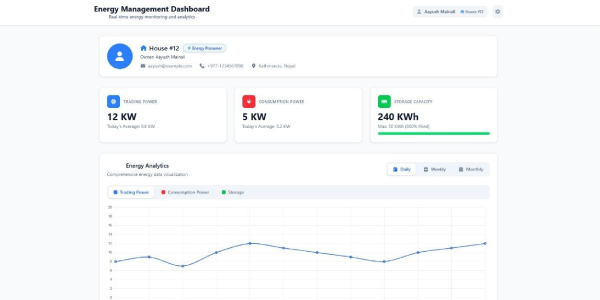
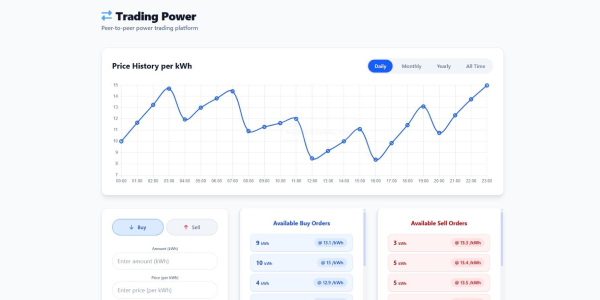
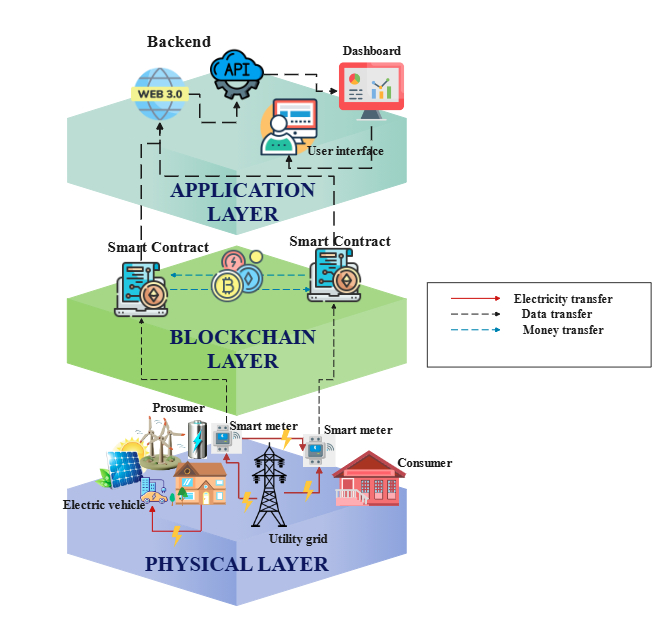
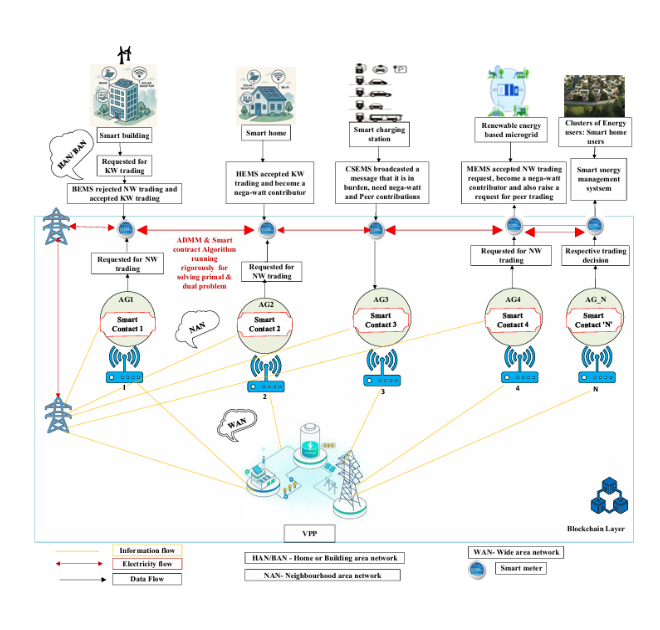
Blockchain based P2P Energy Trading
Power Management in Distributed Generation & Secured Power Grid
Controllers for Bidirectional power Converters
Leveraging its sophisticated Research Stack and industrial-grade hardware-in-the-loop (HIL) infrastructure, the Microgrid and Drives Research Lab supports a rigorous spectrum of research and training activities. Our multidisciplinary approach bridges the gap between theoretical algorithms and HIL deployment, focusing on:
Decentralized Transactive Energy: Architecting transparent Peer-to-Peer (P2P) trading platforms using blockchain and smart contracts. Research delves into auction-based trading mechanisms, prosumer welfare optimization, and the development of Decentralized Applications (DApps) for automated energy settlements.
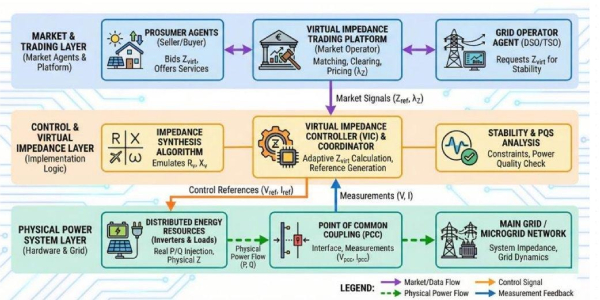
Advanced Grid Control & Stability: Synthesizing next-generation control strategies for inverter-dominated microgrids. This includes Adaptive Virtual Impedance synthesis, droop control for seamless islanding transitions, and power quality mitigation to ensure stability in renewable-heavy feeders.
Power management control-using HDL in WAVECT: Algorithms are developed to train machine learning models for short-term load and renewable generation forecasting. Activities focus on integrating high-resolution local weather data into forecast-to-control loops and Multi-Objective Model Predictive Control (MPC) constraints.
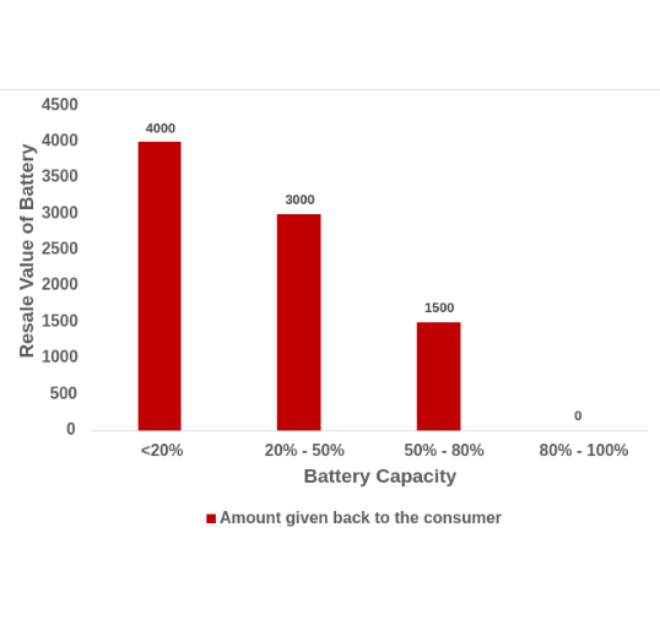
E-Mobility & VPP Orchestration: Developing Vehicle-to-Grid (V2G) and Vehicle-to-Vehicle (V2V) power management strategies. Research explores EV fleet aggregation, battery quantization for degradation-aware dispatch, and the orchestration of Virtual Power Plants (VPP) for real-time grid balancing.
Cyber-Physical Security & Resilience: rigorous threat modelling and penetration testing of grid-edge assets. Training involves implementing Intrusion Detection Systems (IDS), Zero-Knowledge architectures, and resilient control strategies capable of maintaining stability during data corruption or cyberattacks (Simulation).
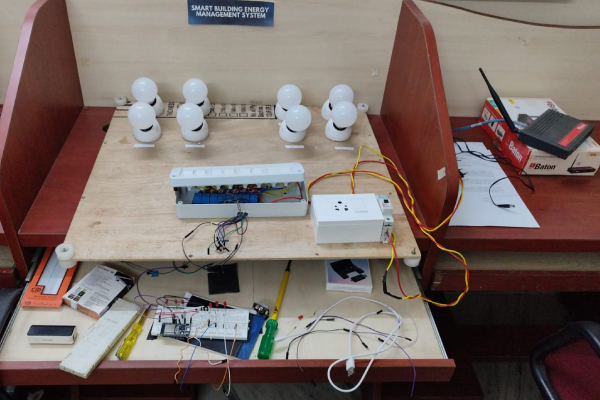
Smart Ecosystem Optimization: Designing Smart Building Energy Management Systems (EMS) and microgrid-integrated precision farming controls. Students engage in closed-loop optimization of IoT sensor networks to manage scheduling, peak shaving, G-D gap assessment and Demand response management etc.
The Microgrid and Drives Research Lab provides a dynamic, high-fidelity environment for translational research in sustainable energy systems. By enabling the direct validation of complex physical architectures on real-world hardware, the facility empowers students, researchers to engineer the secure, autonomous grids of tomorrow.
completed projects
Weather & Demand Forecasting for Grid-edge Intelligence (Ongoing)
High-resolution local weather data integration
Short-term load forecasting for peak prediction and DR scheduling
Renewables forecasting to manage intermittency and reserve margins