


Dr Ajith Madhavan
Associate Professor, School of Biotechnology, Amritapuri
Research Interest: Dr Ajith Madhavan’s research work focuses on addressing critical challenges in antimicrobial resistance and environmental sanitation through innovative biotechnological approaches. His work extensively explores the application of bacteriophages for the detection and control of antimicrobial-resistant bacteria, as well as for mitigating biogenic malodorous compounds such as methanethiol and hydrogen sulphide in wastewater systems. He has contributed significantly to sanitation biotechnology by developing novel phage-based disinfection strategies, selective culture media for the isolation of clinically and environmentally relevant pathogens, and scalable wastewater treatment technologies. In addition, his research integrates sustainable solutions such as biochar-based heavy metal removal and energy-efficient wastewater filtration systems, bridging microbial biotechnology, environmental engineering, and green energy with strong translational and industrial relevance.

Dr. Dipu T S
Professor, Division of Infectious Disease, Amrita Hospital
Research Interest: His Research interest mainly focuses on the Communicable and Non-communicable Diseases, Infectious diseases particularly antimicrobial resistance, antimicrobial stewardship, and the therapeutics of viral infections. His work also addresses preventative measures for COVID-19, encompassing vaccines, transmission, and epidemiological studies. He was awarded for exemplary work in Covid pandemic by Religare Enterprises and Sir Ganga Ram Hospital, Delhi.

Dr Indulekha Pillai
Assistant Professor, Amrita School of Biotechnology, Amritapuri
Research Interest: Dr. Indulekha Pillai joins Amrita School of Biotechnology in 2016, from Cedars Sinai Medical Center, Los Angeles, USA. Dr. Pillai finished her post-doctoral research at University of California, Los Angeles (2010-2016), where she worked towards understanding how adult cardiac progenitors are involved in cardiac repair process in response to cardiac injury, using mouse genetic lineage tracing, transgenic and knockout mouse models of disease (I C Pillai et al Cell Stem Cell 2016, Nature 2014; 585-590). Dr. Pillai earned her PhD from Rajiv Gandhi Centre for Biotechnology, India (2004-2010). Her PhD work demonstrated the role of notch signalling in the molecular regulation of neuronal sub type specification during embryonic stem cell differentiation (Indulekha et al Cell Mol Life Sci, 2014). In addition, she elucidated the quiescent state of glial progenitors (stromal cells in brain) in homeostatic condition and its activation during adult neurogenesis in rat models of epileptic injury (Indulekha et al Biophys Res Commun 2010). Her current research focuses on organoid modelling for disease studies, cellular and molecular mechanisms of heart injury, fibrosis and regeneration.

Dr Jayalekshmi H
Associate Professor, Amrita School of Biotechnology, Amritapuri
Research Interest:Dr. Jayalekshmi H is an Associate Professor in the School of Biotechnology at Amrita Vishwa Vidyapeetham, Amritapuri. Her research interests are centred on host–pathogen interactions, with a particular focus on microbial virulence, quorum sensing, biofilm formation, and antimicrobial modulation. She has a strong research output, with 12 peer-reviewed journal articles and 11 conference proceedings published in reputed national and international forums. Dr. Jayalekshmi has received several recognitions for her research, including Best Paper Presentation Awards at the International Webinar on Phytochemistry 2020 organized by the Kerala Academy of Sciences, and at the National Biotechnology Symposium “Symbiot’21” organized by MIT Manipal. She has also been awarded Best Presentation at the International Conference on Emerging Strategies in Antimicrobial Agents and Bio-Innovations (2020) organized by RK University, Gujarat, and Best Poster Presentation at the 34th Kerala Science Congress (2022). Her work reflects sustained contributions to antimicrobial research and innovative strategies to modulate microbial pathogenicity.

Dr. Krishnakumar R
Professor, Department of Paediatric Cardiology, Amrita Hospital
Research Interest: Dr. Krishnakumar R Is a distinguished Pediatric Cardiologist currently serving as the Clinical Professor and Head of the Department of Pediatric Cardiology at Amrita Institute of Medical Sciences and Research Center, Amrita University, Kochi, Kerala. Trained at premier institutions including the All India Institute of Medical Sciences, New Delhi, and Children’s Hospital Boston, USA, he is internationally recognized for his expertise in pediatric cardiac care. Since 1998, Dr. Krishnakumar has played a pivotal role in establishing and leading the pediatric heart program at Amrita Hospital, Kochi elevating its status through exceptional clinical services, research endeavours, and training programs. The program received the BMJ India health care award for quality improvement for 2014. His clinical focus spans echocardiography, catheter interventions, and intensive care. His major research interests are epidemiology of pediatric heart disease in the developing world, rheumatic heart disease, delivery of comprehensive pediatric heart care in the limited resource environment and mitigation of AMR through rational antibiotic use in hospital settings. Dr. Krishnakumar has organized several national and international conferences in the field of pediatric cardiology. He is also the national PI of the ICMR study on bacterial sepsis after congenital heart surgery that spans 6 sites across India. Dr. Krishna Kumar’s work continues to impact the lives of young patients globally, shaping the future of pediatric cardiology.

Prof. Dr. Mark R. Davies
Associate Professor, Department of Microbiology and Immunology, University of Melbourne
Research Interest: Mark completed his PhD in 2007 at the Queensland Institute of Medical Research under the supervision of Assoc. Prof. Sri Sriprakash focussing on comparative genomics of Streptococcal pathogens. He then undertook a postdoctoral position at the University of York in the UK where he studied the evolution and functional role of lipopolysaccharide modification systems in Salmonella. In 2009 Mark was awarded an NHMRC overseas postdoctoral training fellow and between 2010 and 2014 he worked between the Wellcome Trust Sanger Institute, UK and the University of Queensland under the supervision of Prof Gordon Dougan and Prof Mark Walker where he employed genome sequencing methodologies to examine the genome dynamics of microbial pathogens such as Group A and Group B Streptococcus. Mark was recently recruited to the Department of Microbiology and Immunology at the Peter Doherty Institute, University of Melbourne, where he is growing his own research themes around the application of genome sequencing to bacterial pathogens. Mark has grown extensive international collaborations and applies bioinformatic tools to examine the evolution of bacterial pathogens with a focus on antimicrobial resistance, virulence and transmission along with examining the genomic epidemiology of bacterial populations within geographical regions such as sub-Saharan Africa and remote populations in the Northern Territory of Australia. Mark’s objective is to link bacterial genotype with phenotype with the objective of understanding disease mechanisms along with pathogen emergence and spread.
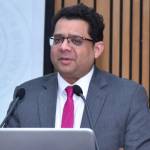
Dr. Sandeep Verma
Professor, Department of Chemistry, Indian Institute of Technology, Kanpur
Research Interest: Dr. Sandeep Verma’s research group at IIT Kanpur focuses on the intersection of synthetic organic chemistry and chemical biology. His laboratory is dedicated to using biological building blocks to unravel the complex mechanisms of diseases linked to protein aggregation. By combining bioinspired design with state-of-the-art spectroscopic and microscopic techniques, his team works to create bioinspired soft matter and ordered peptide assemblies, aiming to develop breakthrough solutions for neuronal regeneration and antimicrobial resistance.

Dr. Satheesh Babu T. G
Professor, Department of Chemistry, Amrita Vishwa Vidyapeetham, Coimbatore
Research Interest: Dr Satheesh Babu T. G.’s research work focuses on the design and development of advanced biosensing platforms for point-of-care diagnostic applications. His work emphasizes non-enzymatic electrochemical sensors using nanostructured materials such as copper nanowires, cobalt–gold bimetallic nanoparticles, silver nanoparticles, and reduced graphene oxide to achieve high sensitivity, selectivity, and interference-free detection of clinically relevant biomarkers including creatinine, glucose, chloride, and alkaline phosphatase in biological fluids. He has also made significant contributions to the development of paper-based analytical devices and lab-on-a-chip systems for rapid, low-cost, and disposable diagnostics. In addition, his research extends to innovative methodologies for detecting antimicrobial-resistant bacteria using bacteriophage-based approaches, bridging chemistry, nanotechnology, and biomedical diagnostics with strong translational potential.

Dr. Sri Sivakumar
Professor, Department of Chemical Engineering, Indian Institute of Technology Kanpur, India
Research Interest: Dr Sri Sivakumar is a Professor in the Department of Chemical Engineering at the Indian Institute of Technology Kanpur, where he leads research in advanced nanomaterials and nanodevices. He earned his PhD from the University of Victoria (Canada) and completed postdoctoral training at the Centre for Nanoscience and Nanotechnology, University of Melbourne, bringing a strong foundation in materials science and chemical engineering to his interdisciplinary research portfolio. Dr Sivakumar’s research focuses on the design and development of lanthanide-based nanodevices and multifunctional nanomaterials for applications in drug delivery, bio-imaging, solar hydrogen generation, catalysis, and photonic materials. His work integrates synthesis, characterization, and mechanism-oriented design to create targeted nanostructures with enhanced functionality for energy, biomedical, and environmental applications. Dr Sivakumar’s contributions have been recognised through awards such as the Prof. CNR Award for Outstanding Research Contribution and an IIT Kanpur class fellowship. His research also includes patented technologies in nanoparticle-based delivery systems and opto-magnetic nanomaterials.

Dr. Andre Mu
Senior Lecturer, Department of Microbiology and Immunology,
University of Melbourne
Research Interest: Dr. Andre Mu is a Senior Lecturer and Laboratory Head in the Department of Biochemistry and Molecular Biology at Monash University, Australia, and is affiliated with the Biomedicine Discovery Institute’s Infection Program and the Metabolism, Diabetes, and Obesity Program. With over 14 years of research training across five world-leading institutions spanning three continents, Dr Mu has developed strong interdisciplinary expertise supported by several prestigious international fellowships, including the Endeavour Research Fellowship, NOMIS Foundation Research Fellowship, and the EMBL-EBI & Wellcome Sanger Research Fellowship. A microbial ecologist and bioinformatician by training, Dr Mu’s research focuses on uncovering the mechanisms by which commensal microorganisms influence host health and disease, with particular emphasis on the human gut microbiome and infectious diseases. Dr Mu’s work aims to translate fundamental microbiome discoveries into human-relevant therapeutic strategies. Notably, he has led integrative omics studies linking microbial metabolites to their microbial hosts in the context of vancomycin-resistant Enterococcus faecium infection, advancing microbiome engineering approaches. He has also conducted pioneering clinical microbiome investigations during bacteriophage therapy for persistent bacterial infections, demonstrating the potential of lytic bacteriophages as microbiome-sparing antimicrobial interventions. Dr Mu’s multidisciplinary work continues to bridge fundamental microbiology with translational applications aimed at improving therapeutic strategies for infectious diseases and microbiome-associated conditions.

Dr. Aravind Madhavan
Assistant Professor, School of Biotechnology
Research Interest: Dr. Aravind Madhavan is an Assistant Professor at the School of Biotechnology, Amrita Vishwa Vidyapeetham, where he joined in 2022 after serving as an ICMR Scientist at the Rajiv Gandhi Centre for Biotechnology (RGCB). He completed his Ph.D. at CSIR–NIIST, Thiruvananthapuram, with a focus on genetically and metabolically engineered filamentous fungi for therapeutic protein production. This was followed by postdoctoral research at the Rajiv Gandhi Centre for Biotechnology and as a Marie Curie Fellow at the University of Naples, Italy, and the University of Jaén, Spain, where he contributed to the development of microbial cell factories. Currently, his research primarily focuses on host-directed therapeutic strategies against Mycobacterium tuberculosis and Klebsiella pneumoniae, with an emphasis on epigenetic regulation, macrophage–pathogen interactions, and immune evasion mechanisms. Dr. Aravind has published over 50 international research articles and serves as an Associate Editor for Frontiers in Immunology, Frontiers in Microbiology, and Frontiers in Bioengineering and Biotechnology. He also serves on the editorial board of Systems Microbiology and Biomanufacturing (Springer Nature) and has led multiple research projects funded by DBT, ANRF, KSCSTE, and ICMR-DHR. He is a recipient of the Kerala State Young Scientist Gold Medal Award, the BRSI–Madurai Kamaraj University Genomics Award, and several other honors in recognition of his scientific contributions.

Dr. Bipin G. Nair
Dean & Head of School, School of Biotechnology, Amrita Vishwa Vidyapeetham
Research Interest: Dr. Bipin G Nair’s research spans biomedical engineering, molecular biology, and systems biotechnology, with a strong focus on developing technology-driven solutions to major health and environmental challenges. He has made significant contributions to diabetes management through the design of automated insulin delivery systems and the development of non-enzymatic biosensors for clinically important metabolites such as glucose, cholesterol, and creatinine. A major thrust of his work addresses impaired wound healing in diabetic patients, where he investigates the role of matrix metalloproteinases and explores natural products as modulators to restore normal tissue repair. He is also a leading contributor to antimicrobial resistance research, pioneering the use of bacteriophages for the targeted removal of pathogenic bacteria from wastewater and fecal waste streams, a globally relevant effort supported by the Gates Foundation. In parallel, his studies on oncogenic signaling focus on decoding complex regulatory crosstalk in cancer pathways and identifying natural inhibitors of matrix metalloproteinases. Complementing his experimental research, he has advanced systems biology education by developing ICT-enabled virtual laboratories that broaden access to high-quality biotechnology training worldwide.

Dr. Geetha B. Kumar
Dean & HoS, School of Physical Sciences, Amrita Vishwa Vidyapeetham
Research Interest: Her research is dedicated to addressing the global challenge of antimicrobial resistance through a multidisciplinary framework that integrates microbiology, pharmacology, and computational intelligence. She focuses on unraveling resistance mechanisms in high-priority gram-negative ESKAPE pathogens, including Pseudomonas aeruginosa, Klebsiella pneumoniae, Escherichia coli and Acinetobacter baumannii, with particular attention to the links between microbial virulence, persistence, and antibiotic resistance. A major pillar of her work is phage therapy, encompassing the isolation and characterization of lytic bacteriophages and the rational formulation of phage cocktails for clinical applications as well as environmental pathogen control. In parallel, she leads drug discovery efforts aimed at identifying natural products with anti-quorum sensing activity to attenuate bacterial pathogenicity without promoting resistance, while also exploring host-directed therapeutic strategies. Complementing these experimental studies, her research incorporates AI/ML-based smart surveillance tools to predict emerging resistance trends and supports the development of rapid diagnostic platforms for early detection of resistant infections, collectively advancing innovative and sustainable solutions against AMR.

Dr. Pradeesh Babu
Assistant Professor, School of Biotechnology, Amritapuri
Research Interest: Dr. Pradeesh Babu is an Assistant Professor at the School of Biotechnology, Amrita Vishwa Vidyapeetham. He earned his Ph.D. in Life Sciences in 2022 from Amrita Vishwa Vidyapeetham, where his doctoral research focused on bacteriophage- based strategies for monitoring microbial populations and engineering innovative approaches for domestic wastewater treatment. He holds an Indian patent titled, “Methods and Devices for Detecting Antimicrobial Resistant Bacteria Using Bacteriophages”, highlighting his contributions to the development of rapid and targeted diagnostic technologies for antimicrobial resistance. His research interests mainly include alternative strategies to combat AMR like phage biology and new chemical entity along with artificial intelligence and next generation sequencing. His research integrates experimental and computational approaches to study microbial dynamics, antimicrobial resistance, and advanced diagnostic strategies. He is the co-principal investigator of active funded projects include Development of Affordable Point-of-Testing (PoT) Multiplexing Devices for Monitoring AMR in the Environment, supported by the C-CAMP Programme on AMR in the Environment under GAMRIF, and the Creation of a Centre of Excellence in Antimicrobial Resistance in association with IIT Kanpur and CSIR-CDRI, Lucknow, funded by the Department of Science and Technology (DST), Government of India.

Dr. Rahul Krishnan Pathinarupothi
Assistant Professor, Amrita Center for Wireless Networks and Applications, Amrita Vishwa Vidyapeetham
Research Interest: Dr. Rahul Krishnan is an Assistant Professor and Co-Lead for Wireless Systems & AI for Health research group at the Amrita Center for Wireless Networks & Applications (AmritaWNA), Amrita Vishwa Vidyapeetham, Amritapuri. Passionate about developing AI solutions for equitable access to healthcare in Global Health, he has 13+ years of research and development experience in the area of wireless healthcare systems, particularly in designing and building wearable sensor devices, edge intelligence, clinical summarization, building predictive machine learning models for diseases, mobile visualization systems using AR/VR, and design of networking architecture and protocols for IoMT. He holds three US and two India patents.

Dr. Gilad Gressel
Research Associate, Amrita Center for Cybersecurity Systems & Networks
Research Interest: Dr. Gilad Gressel is a Deep Learning Research Director at TexNano and a Research Associate in Machine Learning and Cybersecurity at the Amrita Centre for Cybersecurity Systems & Networks, Amrita Vishwa Vidyapeetham, Kerala, India. His research focuses on the application of machine learning and deep learning techniques to cybersecurity, with particular emphasis on adversarial machine learning, biometric security systems, malicious URL and fraud detection, and reinforcement learning–based security solutions. His work bridges theoretical AI models with real-world security challenges, addressing vulnerabilities in biometric systems and social engineering–driven cyber threats. He has authored approximately seven research publications in reputed venues spanning AI, cybersecurity, and applied machine learning, with notable contributions including studies on romance-baiting scams using large language models, plug-and-play defenses against biometric spoofing, and lexical approaches for malicious URL classification. In addition to his research output, he actively collaborates with Ben-Gurion University and Amrita Vishwa Vidyapeetham, contributes to open-source machine learning and security projects, and is engaged in teaching and mentoring in machine learning and data science, reinforcing his role at the intersection of AI research, cybersecurity innovation, and academic training.

Dr. Maneesha V Ramesh
Pro Vice Chancellor, Amrita Vishwa Vidyapeetham
Research Interest: Dr. Maneesha Vinodini Ramesh is a leading researcher at Amrita Vishwa Vidyapeetham whose work integrates the Internet of Things, meteorology, hydrology, geology, and data science, leading to the world’s first AI-integrated IoT-based landslide early warning system. With a Ph.D. in Computer Science and Engineering, her pioneering thesis on wireless sensor networks for rainfall-induced landslide detection led to the world’s first deployed IoT-based landslide early warning system and earned her a U.S. patent. Her interdisciplinary research integrates meteorology, hydrology, geology, and data science to build AI-driven disaster risk reduction frameworks, positioning Amrita as a World Center of Excellence on Landslide Disaster Risk Reduction (2020–2023). Ranked among the top 2% of scientists globally by Stanford University in Networking & Telecommunications, she has secured major national and international grants across domains including landslide risk assessment, IoT-based water quality monitoring, sustainable water access, remote patient monitoring, microgrid optimization, soil–weather analytics, early breast cancer detection, and heritage preservation through smart technologies. With over 100 publications and multiple best paper awards, her translational research has been implemented across India, supported by agencies such as MoES, DST, ICMR, SERB, NERC (UK), the European Commission, and KSDMA. Her innovations also extend to low-power wearable ECG devices, AI-enabled communication systems for fishermen safety, and large-scale community sustainability initiatives, reflecting a research vision deeply rooted in technological excellence and societal impact.

Dr. Muralidharan V
Assistant Professor, Amrita School of Biotechnology, Amritapuri
Research Interest:Dr. Muralidharan V., Assistant Professor at the School of Biotechnology, Amrita Vishwa Vidyapeetham, whose research centers on venom proteomics, antivenom efficacy, and advanced molecular characterization strategies. His doctoral work focused on comprehensive proteomic profiling of medically important snake species from the Western Ghats and evaluating antivenom immunological cross-reactivity, contributing to improved understanding of venom variability and therapeutic effectiveness. With strong expertise in High Performance Liquid Chromatography (HPLC) and Mass Spectrometry, he has developed and optimized qualitative and quantitative workflows for the characterization of proteins, peptides, and therapeutic metabolites. His research bridges translational toxinology and analytical biotechnology, aiming to enhance precision in venom analysis and therapeutic validation. A recipient of the Young Scientist Fellowship from the Indian Council of Medical Research (2022), he is also an active contributor to the scientific community as an invited reviewer for international journals and a Life Member of the Indian Society for Mass Spectrometry.

Prof. Amy Chung
Professor, Department of Microbiology and Immunology, University of Melbourne
Research Interest: Dr Chung’s lab aims to continually apply cutting-edge technologies to identify protective antibody responses against infectious diseases. Beyond neutralization, antibodies can mediate an array of functions, by instructing the innate immune system with their Fc region on how to attack pathogens. Dr Chung’s work has helped identify key humoral fingerprints associated with protection against HIV and Mycobacterium Tuberculosis and is now being applied to other infectious diseases including Malaria and COVID-19. This research can be used to design future antibody-based vaccines and can contribute to the generation of improved monoclonal antibody therapeutics. She received numerous numerous prestigious awards including an Australian Postgraduate Award, EL2 Investigator, American Australian Association Amgen Fellowship, NHMRC CJ Martin, MGH Medical Discovery Fellowship, Vaccine Journal and Edward Jenner Society Young Investigator and amfAR Mathilde Krim Phase I Fellowship, Career Development award.

Prof. Frederic Hollande
Professor, Department of Clinical Pathology, University of Melbourne
Research Interest: Prof. Frédéric Hollande’s research is centred on precision oncology, with a strong emphasis on understanding and overcoming treatment resistance in gastrointestinal malignancies, particularly colorectal and pancreatic cancers. His work integrates molecular pathology, preclinical models, and translational research to identify novel therapeutic targets and predictive biomarkers that can improve patient stratification and treatment outcomes. He has made significant contributions to the development of theranostic strategies, including the preclinical validation of radio-labelled antibodies such as girentuximab and the identification of Carbonic Anhydrase-IX as a sensitive and specific target for imaging and radioimmunotherapy in metastatic colorectal cancer. Additionally, his research explores mechanisms of drug tolerance, resistance to targeted therapies (including BRAFV600E-mutant colorectal cancer), and the use of alternative animal models beyond rodents to better recapitulate human disease, supporting the translation of laboratory findings into clinically relevant cancer therapies.
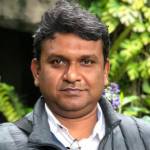
Dr. Rabibrata Mukherjee
Professor, Department of Chemical Engineering, Indian Institute of Technology, Kharagpur
Research Interest: Prof. Rabibrata Mukherjee is presently a Professor at the Department of Chemical Engineering at IIT Kharagpur. He obtained his PhD from IIT Kanpur in the year 2007. He joined IIT Kharagpur in the Department of Chemical Engineering as an Assistant Professor in 2009 and became a Professor in 2018. Prior to joining IIT Kharagpur, he was a Scientist at CSIR – Central Glass & Ceramic Research Institute, between 1997 and 2009. He is an internationally recognized expert in soft nano patterning and thin film instability, with specific emphasis on ordering and arranging objects by confined self organization at the nano and meso scale. He has been awarded the CSIR Young Scientist Award in 2007, the MRSI Medal in 2014, and the SERB – STAR Award 2020. He is presently, the Chairman of DST funded Sophisticated Analytical and Technical Help Institute (SATHI) at IIT Kharagpur. He is an extremely popular teacher in IIT Kharagpur, where he teaches several core and elective courses both at the Under-graduate and the Post-graduate level. Prof. Arnab Atta is presently an Associate Professor of Chemical Engineering at IIT Kharagpur. After receiving his bachelor and master of Chemical Engineering degrees from the Department of Chemical Engineering at Jadavpur University, Kolkata, he accomplished his Ph.D. in Chemical Engineering from IIT Delhi, New Delhi as a National Doctoral Fellow. Prior to joining IIT Kharagpur in 2013, he was a postdoctoral fellow in the Department of Mechanical Engineering at University of Alberta, Canada. His research interest is inclined toward developing computational models for a range of applications in multiphase flow and systems at different length scales.

Prof. Sacha J Pidot
Associate Professor, Department of Microbiology and Immunology, University of Melbourne
Research Interest: Dr. Sacha Pidot is a Senior Lecturer and Laboratory Head in the Department of Microbiology and Immunology at the University of Melbourne. His research integrates microbiology, molecular biology, genomics, and chemical approaches to discover and develop next-generation antimicrobials derived from bacterial sources. He is a recipient of the prestigious Humboldt Foundation Postdoctoral Fellowship and has been awarded the Medac Research Prize in 2014 and 2015, as well as the Leibniz “Drug of the Year” Award in 2016 for the discovery of clostrubin. His work has made significant contributions to antimicrobial research and innovation, particularly in identifying novel bacterial compounds with therapeutic potential.

Prof. Ashok Kumar
Professor, Department of Biological Sciences and Bioengineering Indian Institute of Technology (IIT) Kanpur
Research Interest: Prof. Ashok Kumar has led a wide-ranging, highly translational research program at the intersection of regenerative medicine, biomaterials, and bioprocess engineering, with a strong emphasis on solving clinically and societally relevant problems. His work centers on the design of advanced biomaterials-particularly supermacroporous cryogel matrices and smart polymeric systems-for tissue engineering applications such as neo-cartilage, bone substitutes, skin, and neural tissues, several of which have progressed to pre-clinical and clinical evaluation, including pediatric cranioplasty. In parallel, he has made significant contributions to bioprocess engineering through the development of bioartificial liver support systems, therapeutic protein production platforms, and affinity-based separation technologies for cells and macromolecules, many of which have been successfully transferred to industry. His research also extends to intelligent drug delivery systems targeting chronic and infectious diseases such as rheumatoid arthritis and tuberculosis, as well as environmental biotechnology, where he has designed community-scale water purification systems and advanced air filtration materials. Collectively, his work is characterized by strong innovation, global collaboration, and a clear pathway from fundamental science to real-world impact.

Dr. Richard Strugnell
Professor, Department of Microbiology and Immunology,
University of Melbourne
Research Interest: Prof. Richard Dick Strugnell is a distinguished microbiologist specializing in the intersection of microbiology and immunology, with a keen focus on bacterial molecular biology. Strugnell leads the ‘Bacterial Pathogenesis and Host Responses’ laboratory at School of Biomedical Sciences, University of Melbourne. He completed his PhD from Monash University. His research primarily centres on Salmonella enterica and Klebsiella pneumoniae, delving into their physiological behaviours, biofilm formation processes, and how they adapt during intracellular growth. The core objective of Strugnell’s work is to devise innovative interventions which includes the development of new antimicrobials, inhibitors to prevent bacterial adhesion, immunomodulatory drugs, biological agents, and more effective vaccines. He has authored and coauthored more than 300 papers in different journals. He has been appointed as the Officer of the Order of Australia in the 2025 Honours List for his distinguished service in medicine especially in the field of microbiology, immunology and vaccinology. He was also the recipient of various awards including C.J. Martin Fellowship. His research has been instrumental in uncovering the intricate ways bacteria interact with the mammalian host, particularly focusing on the innate, secretory/excretory, and adaptive immune systems as well as bacterial secretion systems, and metabolic pathways. Currently the two active projects under Strugnell are “Polysaccharide-Targeting Nano antibiotics: A New Approach to Kill Gram-Negative Superbugs” and “Differential Function of the Chemokines CCL17 and CCL22 in the Context of Vaccination and Immunoparalysis in Sepsis”. Throughout his career, Strugnell has traversed the academic and industrial landscapes, including a tenure at Wellcome Biotech, and has also served in public service roles. He has held senior executive positions and has been involved in curriculum development, along with serving on numerous boards and committees at various levels.
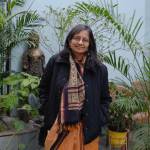
Prof. Tapasya Srivastava
Professor, Head, Department of Genetics, University of Delhi
Research Interest:Prof. Tapasya Srivastava, Ph.D., is a Full Professor in the Department of Genetics at the University of Delhi South Campus, New Delhi, and is a leading researcher in cancer biology and molecular genetics with a strong translational focus. Her research integrates tumor microenvironment dynamics, particularly hypoxia-driven stress responses, with epigenetic regulation and genomic instability to understand mechanisms underlying chemoresistance, tumor progression, and poor clinical outcomes. She has made significant contributions to the identification of molecular and genetic biomarkers associated with cancer risk, prognosis, and therapeutic response, including population-specific SNPs linked to lung cancer susceptibility and survival, and regulatory non-coding RNAs implicated in glioma stemness and hypoxia adaptation. With over 45 peer-reviewed publications across high-impact journals in oncology, molecular biology, epigenetics, and translational medicine, her work also extends to NRF2-mediated signaling, hypoxia-induced cisplatin resistance, and nanoparticle cytotoxicity. Prof. Srivastava’s research excellence has been recognized through prestigious honors including the INSA Medal for Young Scientists, Indo-US Science and Technology Fellowship, and the SERB Excellence in Research Award, and she is an Elected Member of the National Academy of Medical Sciences, actively collaborating with national research institutes and clinical partners to advance precision oncology.

Dr. Praveena N. Bhaskaran
Associate Professor, Department of Pediatrics, Amrita Hospital
Research Interest: Dr. Praveena N. Bhaskaran is an American Board-certified pediatrician with specialized training in Pediatric Infectious Diseases. Her clinical and research interests include general pediatrics, pediatric infectious diseases, antimicrobial stewardship, and emerging infections. She has contributed significantly to medical literature with impactful research on Burkholderia pseudomallei (melioidosis), Chromobacterium violaceum sepsis, and antimicrobial resistance, reflecting her commitment to evidence-based pediatric care and infection control.

Dr. Alexandra Corbett
Professor, Department of Microbiology and Immunology, University of Melbourne
Research Interest: Prof. Alexandra Corbett is an immunologist and Laboratory Head in the Department of Microbiology & Immunology, University of Melbourne, based at the Doherty Institute. She is an NHMRC Investigator Fellow and Dame Kate Campbell Fellow. Alex completed a PhD based at the Walter and Eliza Hall Institute, and post-doctoral research at the Lion’s Eye Institute/University of Western Australia and the Bio21 Institute, before joining her current department in 2012. She has made seminal contribution to understanding the biology of mucosal-associated invariant T (MAIT) cells, an innate-like population of T cells. With colleagues at the Universities of Melbourne, Monash and Queensland, she discovered that MAIT cells recognise vitamin metabolites made by bacteria and fungi, and developed ‘MR1-tetramer’ reagents to specifically identify MAIT cells, enabling their study in health and disease. Her research team seeks to understand what drives the protective or pathogenic functions of MAIT cells in various immune contexts, and ultimately to target these cells therapeutically. Alex is passionate about mentoring the next generation of scientists through her roles on the Society for Mucosal Immunology Education and Career Development committee, UoM Graduate Research Committees and Doherty Institute’s PhD Enrichment Program.

Prof. Chittur V. Srikanth
Professor, Regional Centre for Biotechnology, Faridabad
Research Interest: Prof Chittur V. Srikanth is working on inflammation in ulcerative colitis is typically restricted to the mucosal layer of distal gut. Disrupted mucus barrier, coupled with microbial dysbiosis, has been reported to occur prior to the onset of inflammation. Our quest has been in understanding key regulators of gut inflammation. Using the PTM mechanism- SUMOylation, as a bait, we have identified key modulators of inflammation. In the recent work we showed the involvement of vesicular trafficking protein Rab7, an interactor of SUMO-pathway protein, in regulating the colonic mucus system. We identified a lowered Rab7 expression in goblet cells of colon during human and murine colitis. In vivo Rab7 knocked down mice (Rab7KD) displayed a compromised mucus layer, increased microbial permeability, and depleted gut microbiota with enhanced susceptibility to dextran sodium-sulfate induced colitis. These abnormalities emerged owing to altered mucus composition, as revealed by mucus proteomics, with increased expression of mucin protease chloride channel accessory 1 (CLCA1). Mechanistically, Rab7 maintained optimal CLCA1 levels though a intricate mechanism connected to microbiota composition. In my talk, I will try to cover all these key findings with a focus on gut homeostasis.