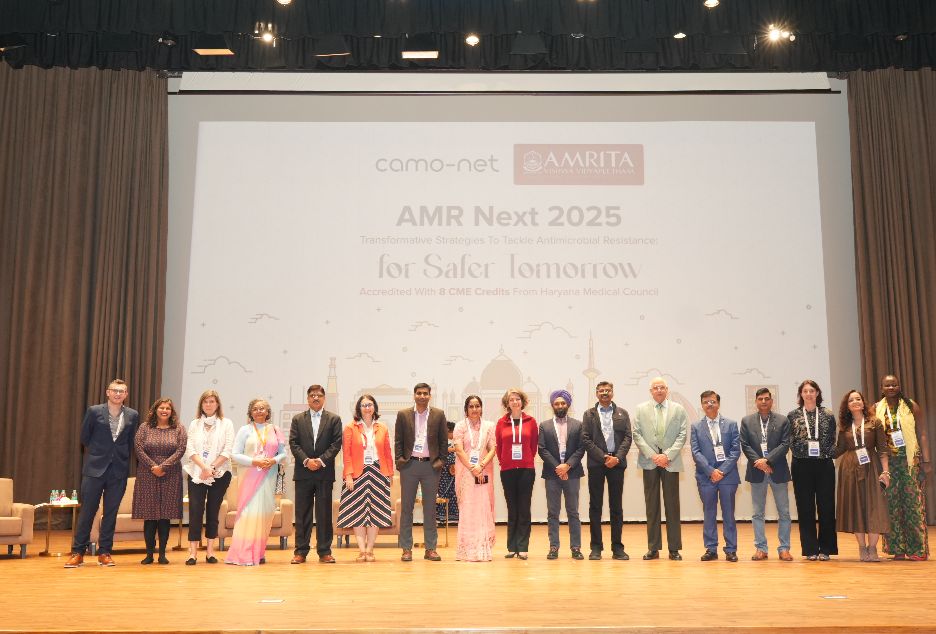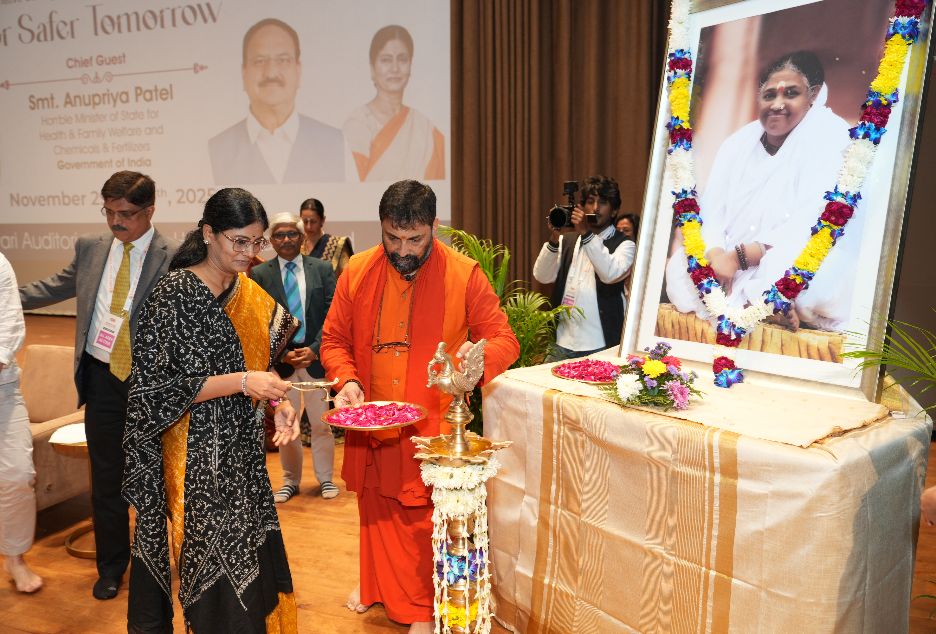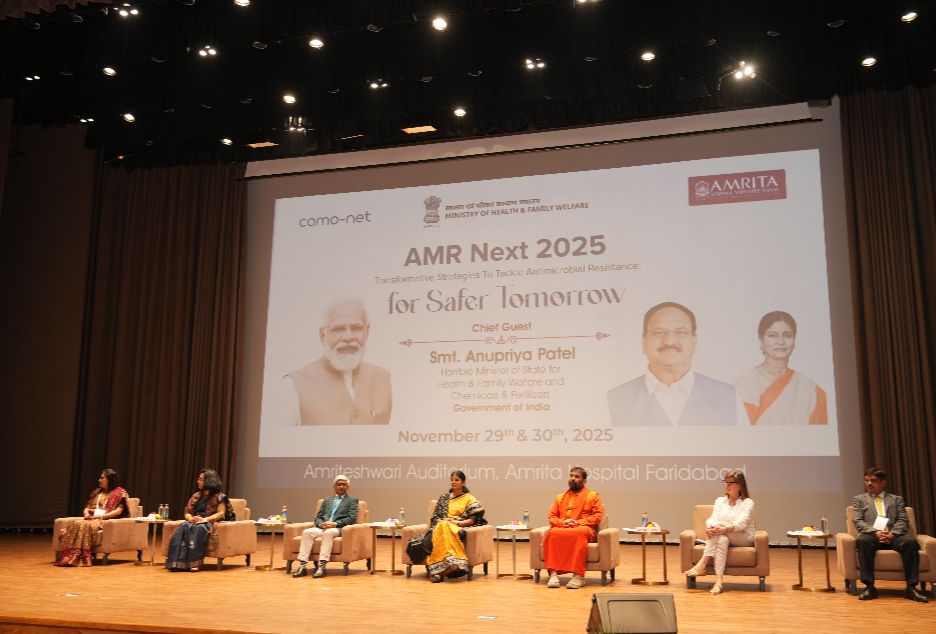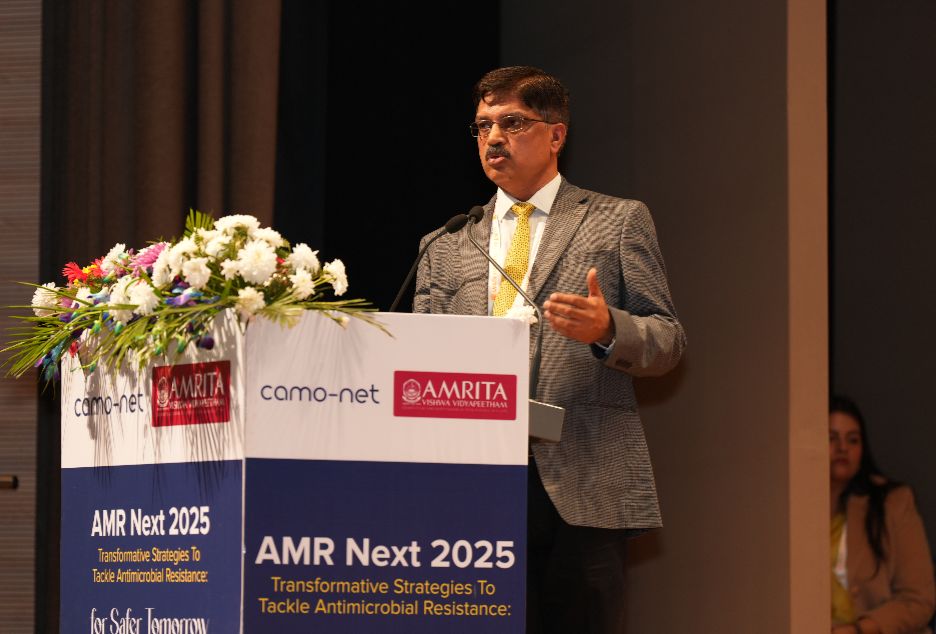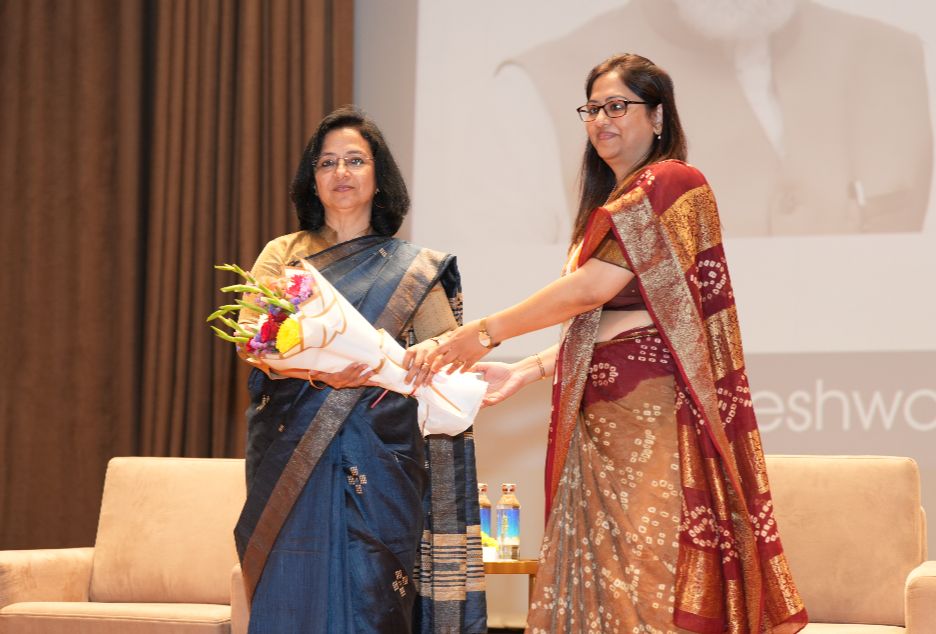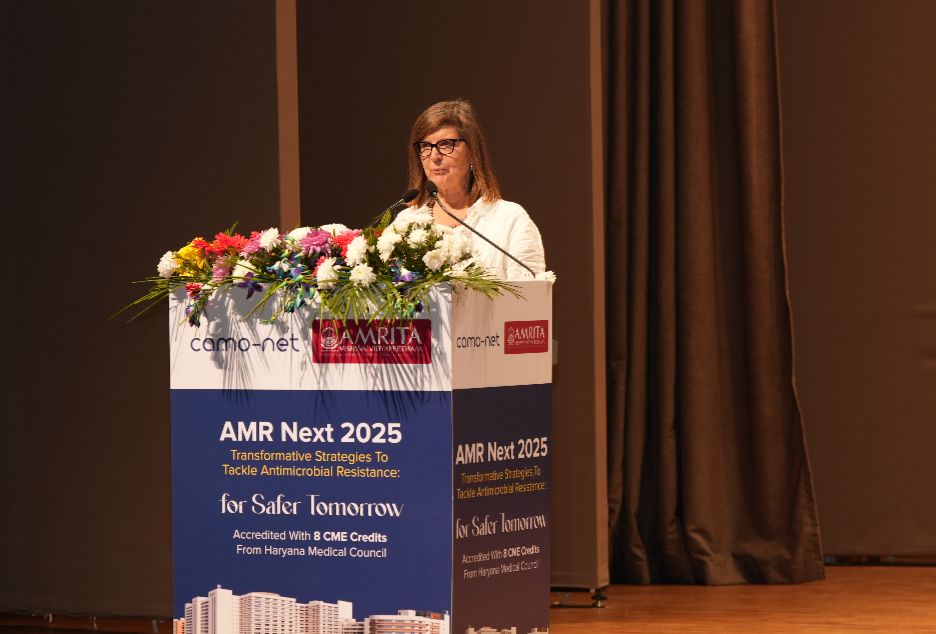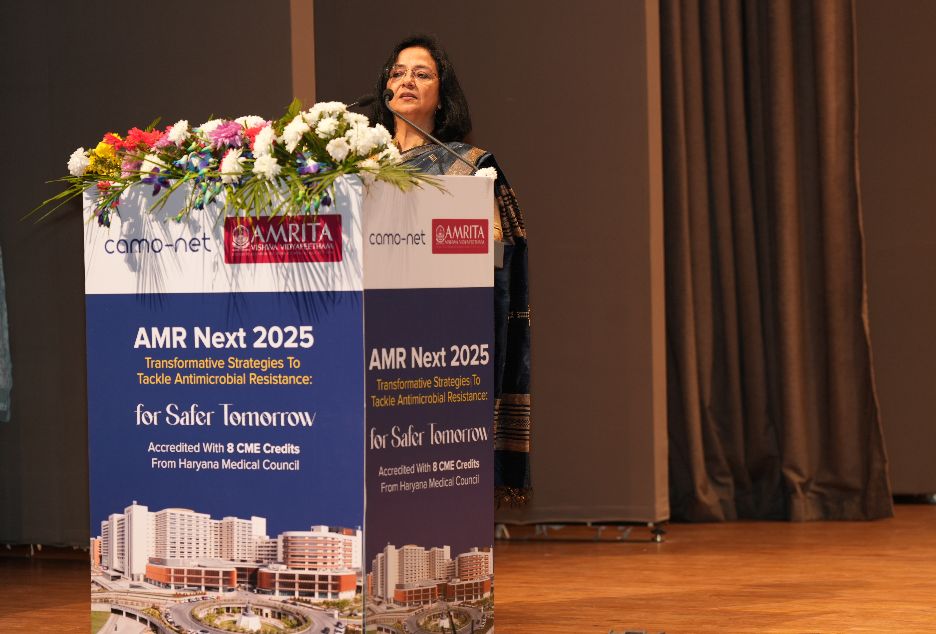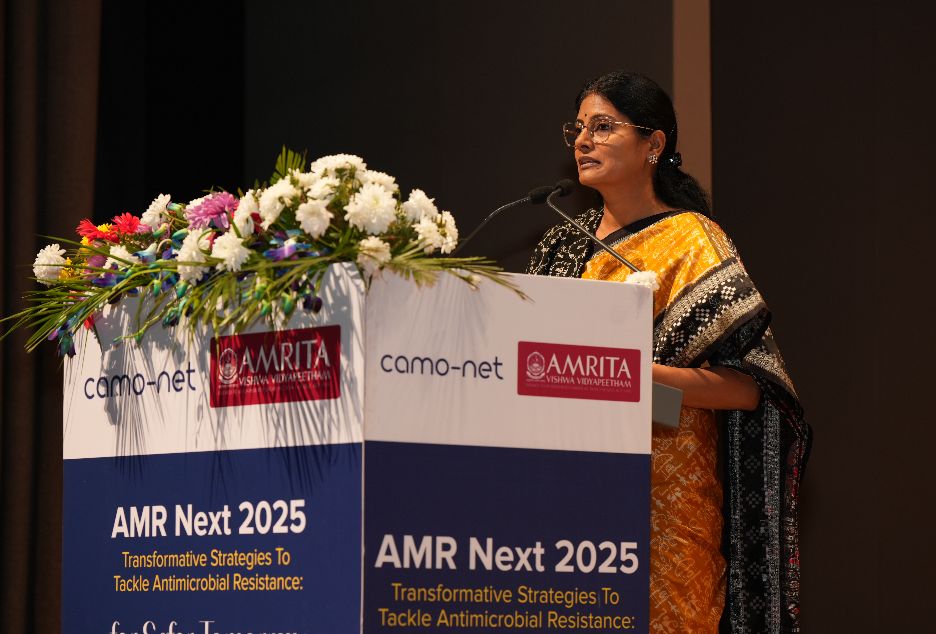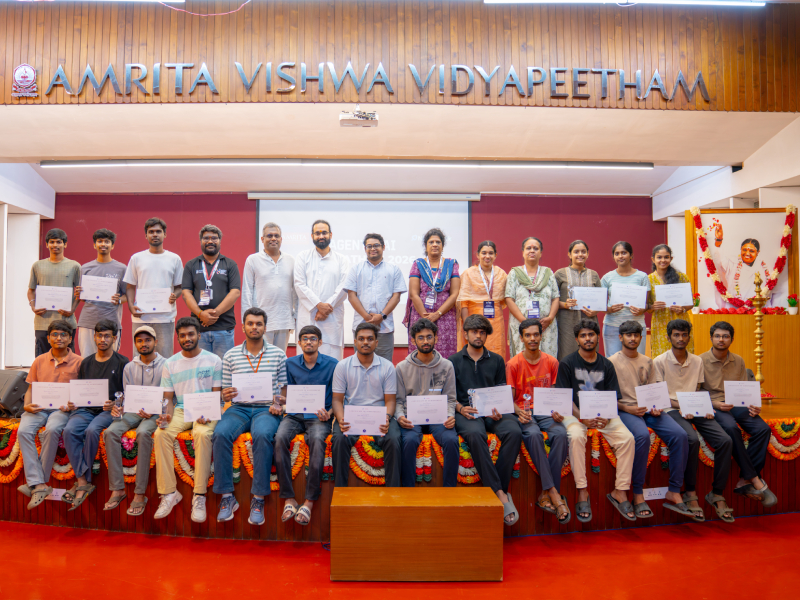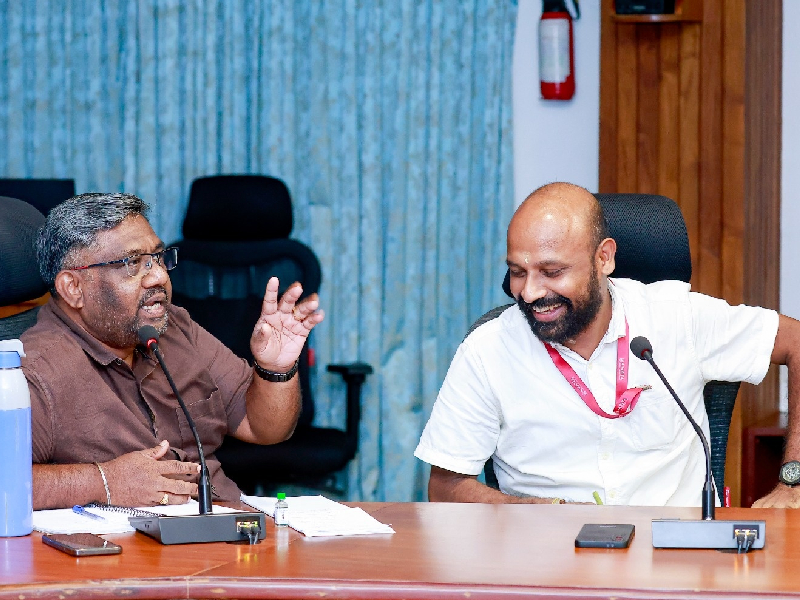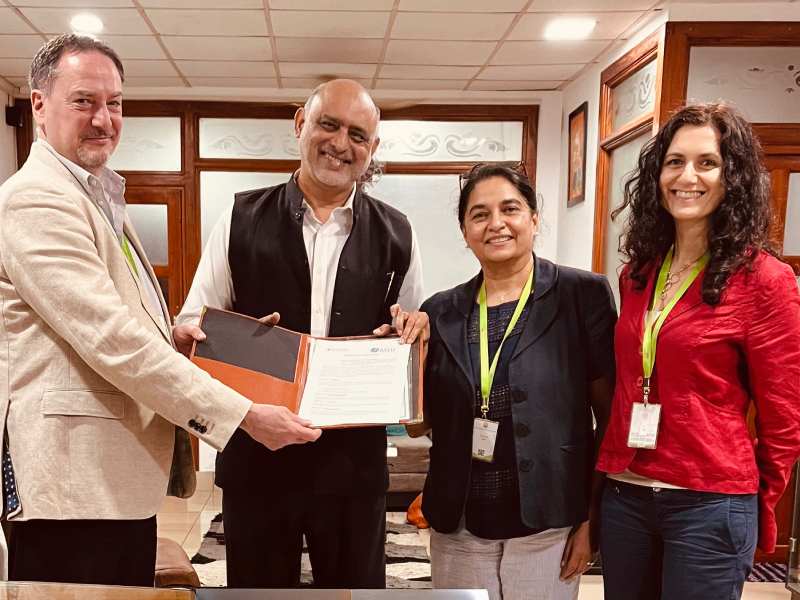
The two-day conclave gathers together global health leaders, policy makers, scientists, and innovators to strengthen India’s response to Antimicrobial Resistance (AMR). As antimicrobial resistance accelerates at an unprecedented pace, threatening to undo decades of medical advancement, the two-day national conclave, AMR NEXT 2025, on the theme “Transformative Strategies to Tackle Antimicrobial Resistance: For a Safer Tomorrow”, got underway at Amrita Hospital, Faridabad.
The conference, held from November 29-30, saw several top leaders from government, public health, academia, biotechnology, and international institutions come together to drive solutions within the rapidly evolving AMR landscape of India.
India continues to bear some of the world’s highest burdens of bacterial infections. Recent findings from national surveillance have revealed continuing resistance in E. coli, Klebsiella pneumoniae, Staphylococcus aureus, and Acinetobacter baumannii. Although ICMR’s latest data indicate a modest improvement in E. coli susceptibility to ceftazidime-from 19.2% in 2023 to 27.5% in 2024-experts caution that rising resistance to critical drugs such as carbapenems and colistin remains deeply concerning-a signal that frontline treatment options are rapidly narrowing.
Experts attribute this rising antimicrobial resistance to a variety of factors interlinked with each other: the high infectious disease burden of India, irrational and excessive use of antibiotics in human and animal health, unabated over-the-counter sales of antibiotics, and lack of diagnostic stewardship. The key environmental drivers are the presence of pharmaceutical waste and the entry of hospital effluents into water systems. Together, these trends are estimated to put a major economic burden on the country through longer hospitalizations, higher treatment costs, and loss of productivity.
In this light, AMR NEXT 2025 endeavors to foster scientific collaboration, enhance responsible antimicrobial use, and further policy-level strategies. The discussion involved senior policy leaders, AMR experts from around the world, researchers, innovators, and healthcare leaders. All of the deliberating on key breakthroughs in diagnostics, stewardship initiatives, the innovation pipeline of new therapeutics, dimensions of AMR in the environment and agriculture, improved laboratory networking, and the call for harmonized policies and cross-border cooperation. As a separate track, an innovation showcase will feature emerging technologies in digital health, rapid diagnostics, antimicrobial optimization, and infection prevention.
Dr. Sanjeev Singh, Medical Director of Amrita Hospital, Faridabad, said antimicrobial resistance is increasing mortality, prolonging hospitalization, and raising the cost of care, thereby placing a growing burden on health systems. He underlined that no institution or country can meet this challenge alone but needs coordinated cross-border research and integrated action across all health sectors.
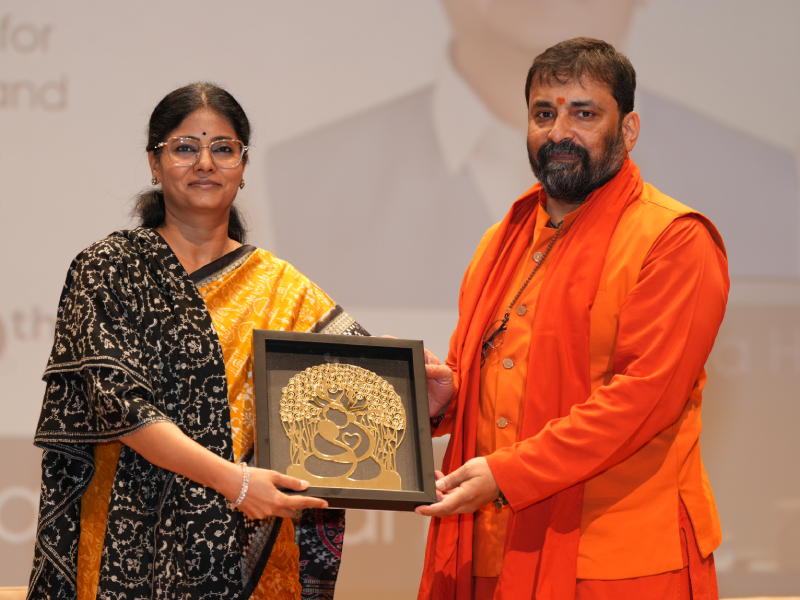
While speaking at the event, Smt. Anupriya Patel, Union Minister of State for Health and Family Welfare, presented updates on India’s progress under the National Action Plan on AMR. She said the country has expanded laboratory capacity, standardized testing methods, and integrated human, animal, and environmental surveillance platforms in alignment with One Health principles. These efforts, she added, have strengthened India’s ability to detect resistance trends quickly and contribute high-quality data to global surveillance systems coordinated by the WHO.
AMR has become a global crisis, said Professor Alison Holmes OBE, Lead for the Centres for Antimicrobial Optimization Network and Director of the Fleming Initiative at Imperial College London. The threat of AMR does not respect borders or economic status. She urged stronger international collaboration to speed up progress on reducing AMR.
AMR NEXT 2025 further strengthens Amrita Hospital’s leadership in driving research, policy dialogue, and multidisciplinary action to protect the effectiveness of life-saving medicines while shaping a safer, healthier future for all.