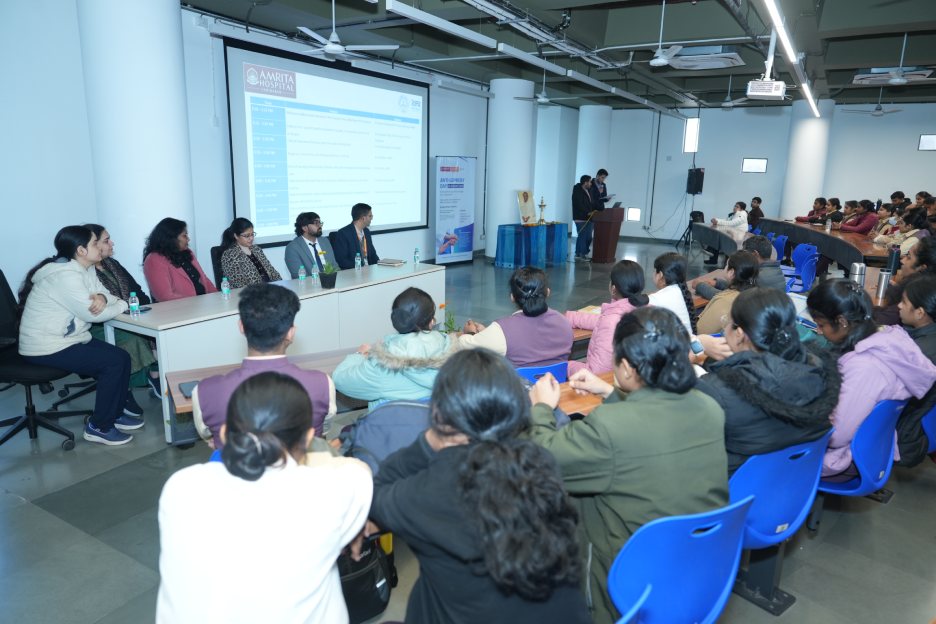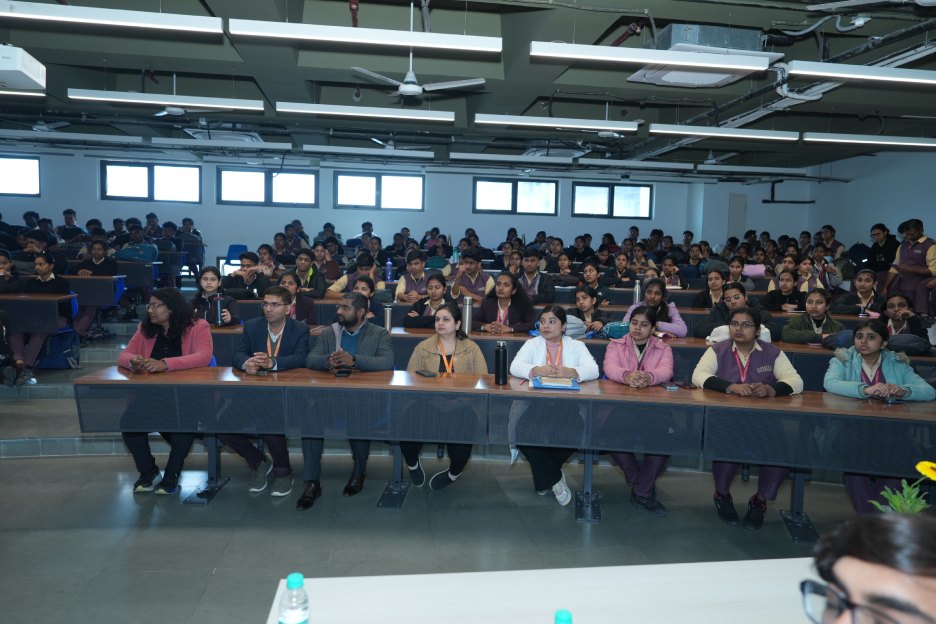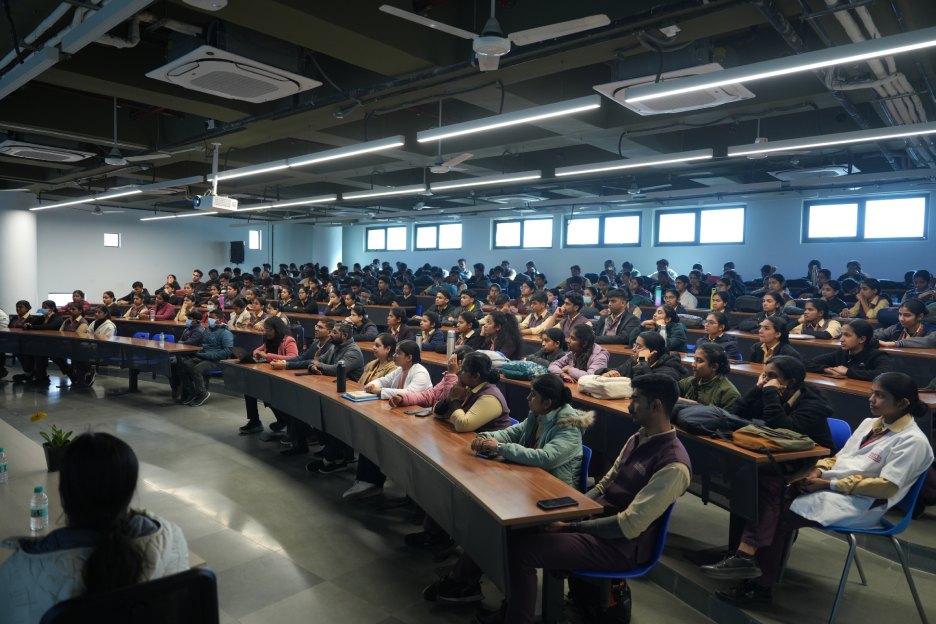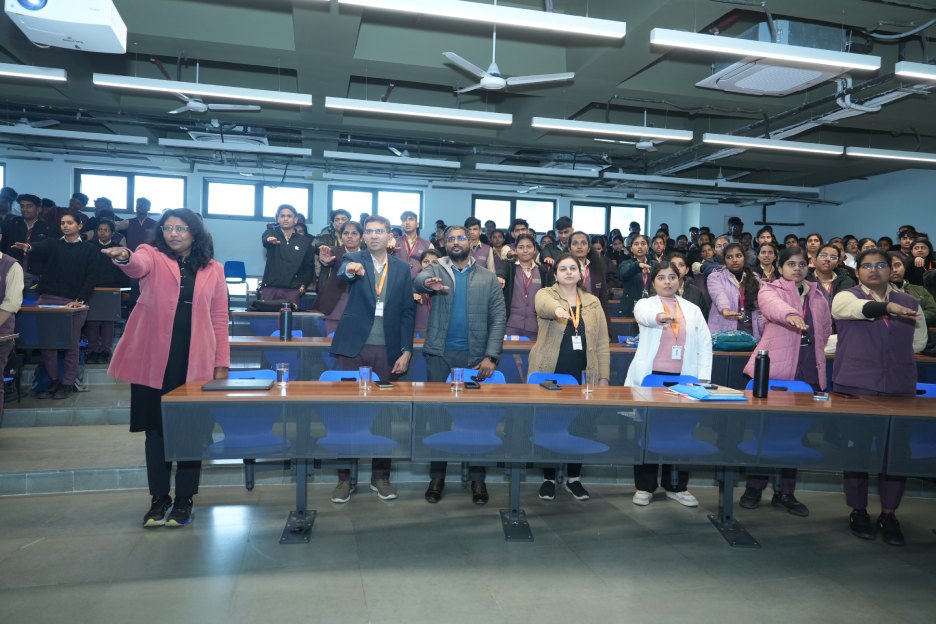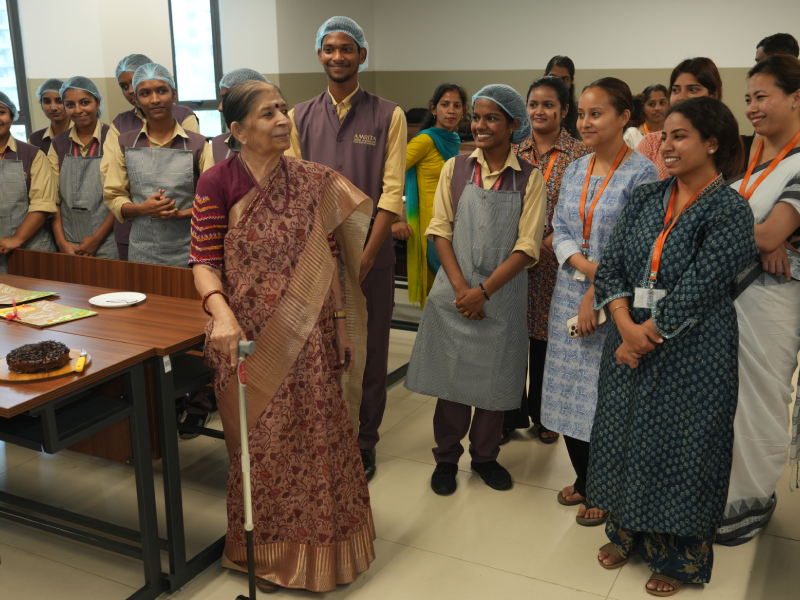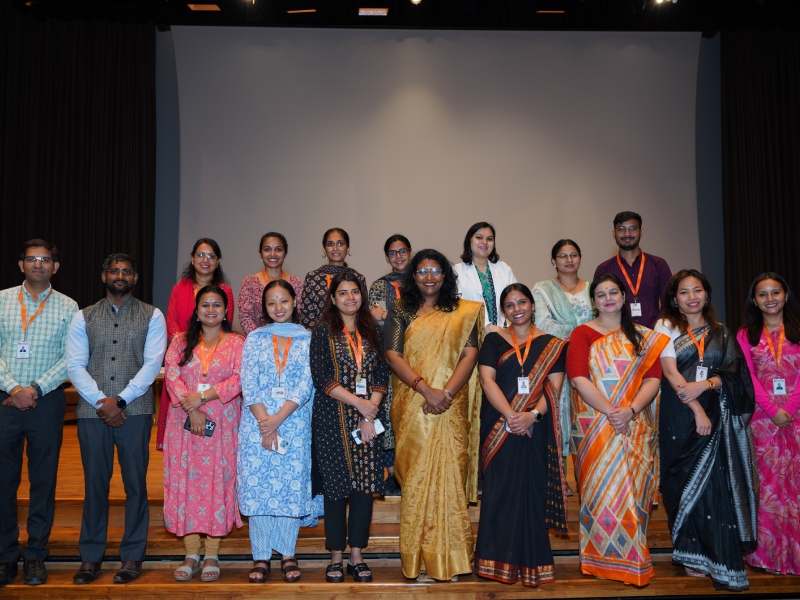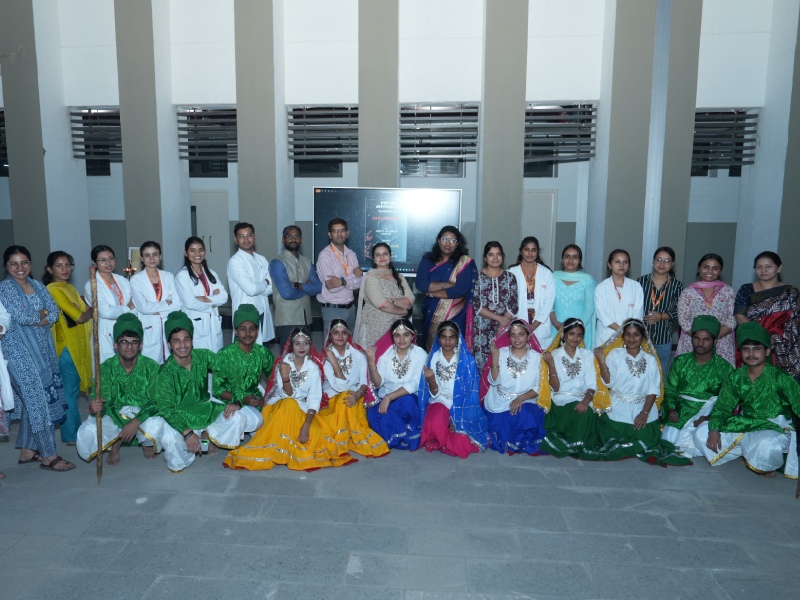
The Anti-Leprosy Day event held at Amrita School of Nursing, Faridabad, consisted of a thematic awareness programme focused on ‘Leprosy is Curable – The Real Challenge of Leprosy is Stigma’. Around 194 BSc Nursing students from the 3rd and 7th semesters participated to increase their knowledge about the medical, social, and psychological aspects of leprosy and develop their commitment to stigma-free and compassionate care.
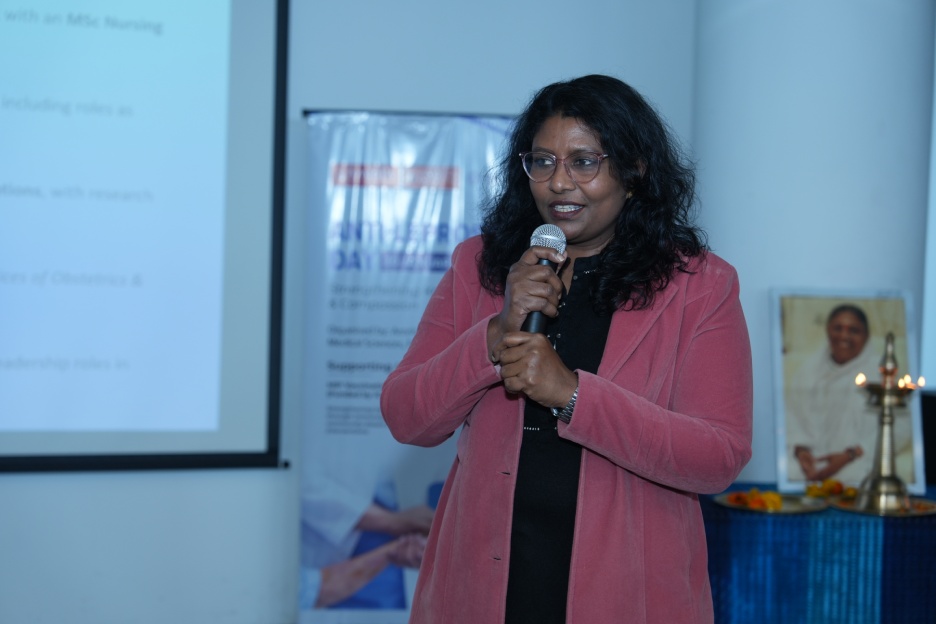
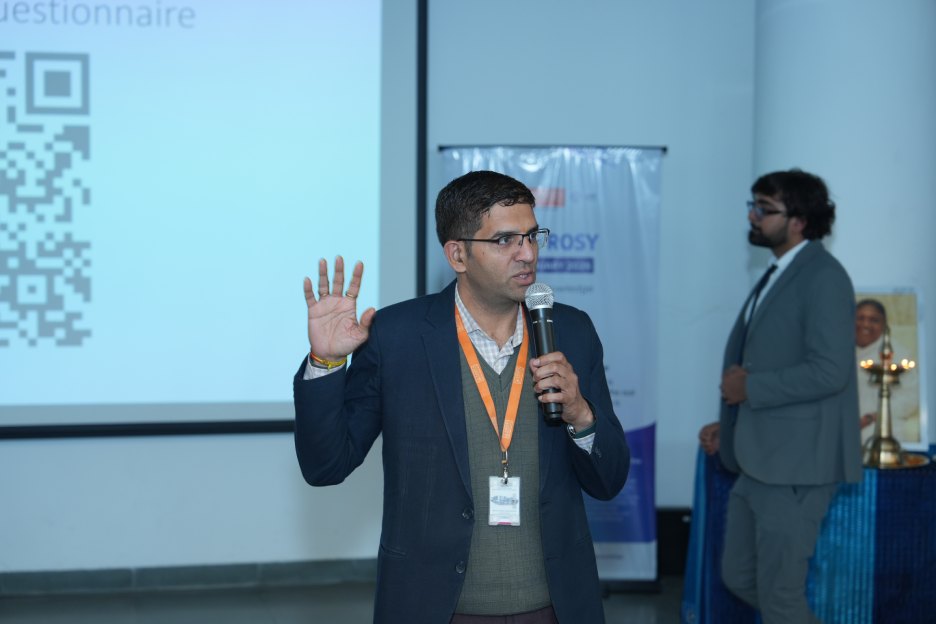
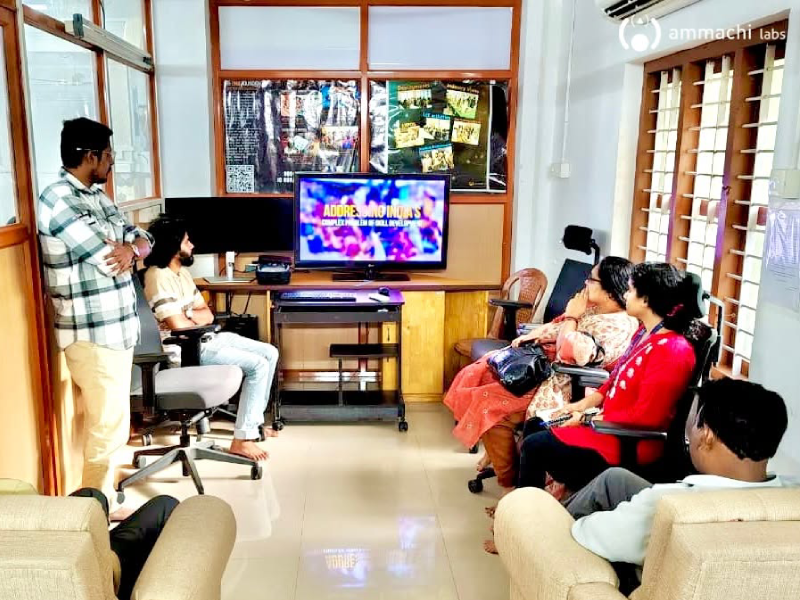
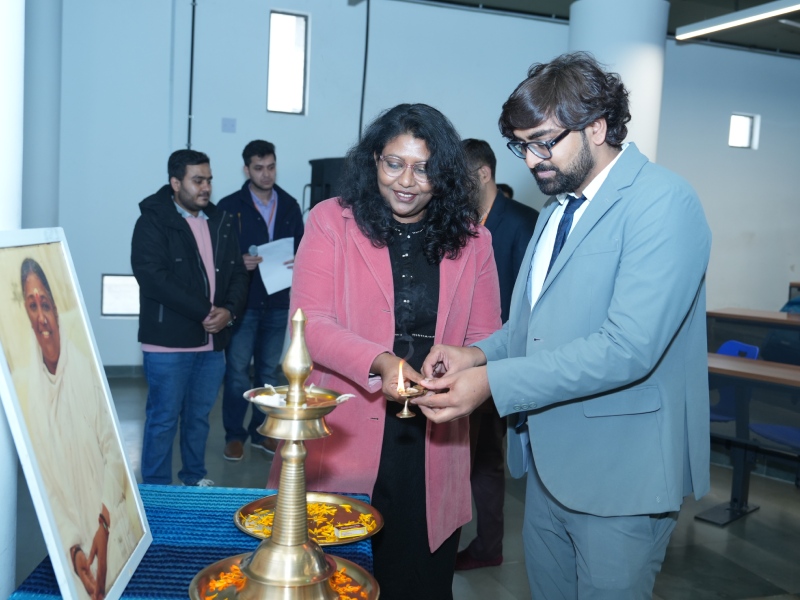
The kick-off of the event included an animated video presenting the treatability of leprosy in addition to addressing the negative impact that stigma and discrimination have on individuals living with leprosy. The programme began with a lamp-lighting ceremony to officially open the event and has invoked the spirit of compassionate service in the provision of healthcare. The welcome address provided by Dr. Lekha Vishwanath, Principal, Amrita College of Nursing, gave attendees an overview of the significance of being aware of, understanding, and caring for patients with leprosy with a patient-centered approach.
During the series of professional seminars, participants received a comprehensive overview of leprosy from a public health clinical/nursing perspective. Dr. Harjinder Singh, the District Leprosy Officer for Faridabad, made a presentation on the prevalence of leprosy in the district, the modes of transmission, and the different measures taken to control the disease under the National Leprosy Eradication Programme. He also made a point to emphasize the need for early diagnosis, adherence to the treatment regimen, and efforts for active case search for new patients, as all these are important in achieving the objective of eradicating leprosy.
Dr. Ruchika Garg of B. K. Hospital made a clinical presentation on the Ridley-Jopling classification of leprosy and the clinical features associated with leprosy, including skin lesions, nerve involvement, deformities, and lepra reactions. In her presentation, she emphasized the need for early diagnosis of patients with leprosy to prevent any permanent disability from leprosy.
To expand on the subject matter’s clinical perspective, Dr. Bela Bhat, Assistant Professor, Department of Dermatology, School of Medicine, Faridabad made a presentation regarding the management of leprosy, including the clinical and laboratory diagnosis of leprosy, the different types of multidrug therapy treatment regimens, and chemoprophylaxis used to interrupt transmission of leprosy to those who live in close quarters with individuals who have been diagnosed with leprosy. After Dr. Bhat’s presentation, Dr. Vichitra (Consultant, Department of Dermatology, School of Medicine, Faridabad) spoke regarding the role of nurses in leprosy management.
Specifically, she discussed how nurses help to detect leprosy early, educate and counsel patients about leprosy and its effects on their lives, and assist patients with continuing care and community outreach programs that promote the reduction of stigma. Dr. Sachin (Assistant Professor, Department of Dermatology, School of Medicine, Faridabad), discussed psychosocial aspects of the stigma associated with leprosy, including its effect on mental health, social relationships, and overall quality of life, and called upon future healthcare professionals to practice an empathetic, holistic approach in caring for patients who are affected by leprosy.
A video about the stigma faced by leprosy patients was presented during the education sessions, featuring testimonies of the impact of stigma on the individual, social, and emotional aspects of the affected community, putting emphasis on the importance of respectful communication, social acceptance, and advocacy for the individuals affected by the disease.
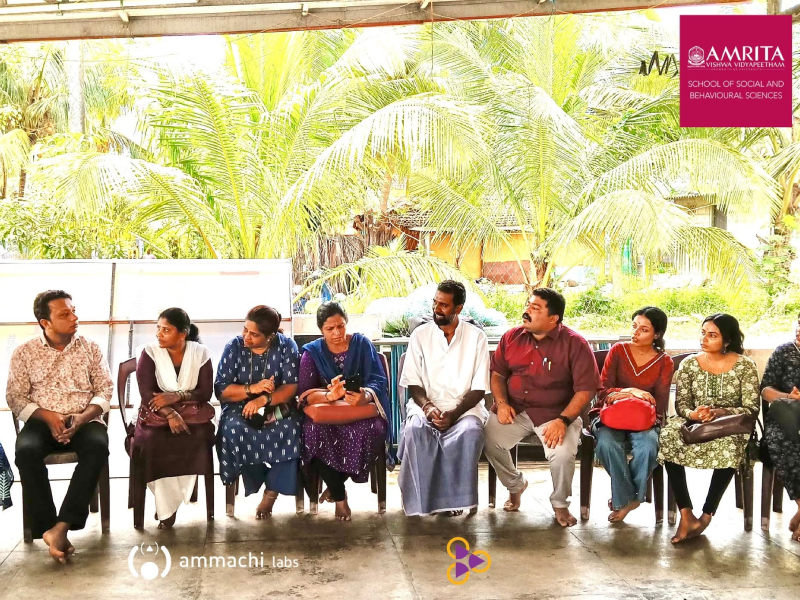
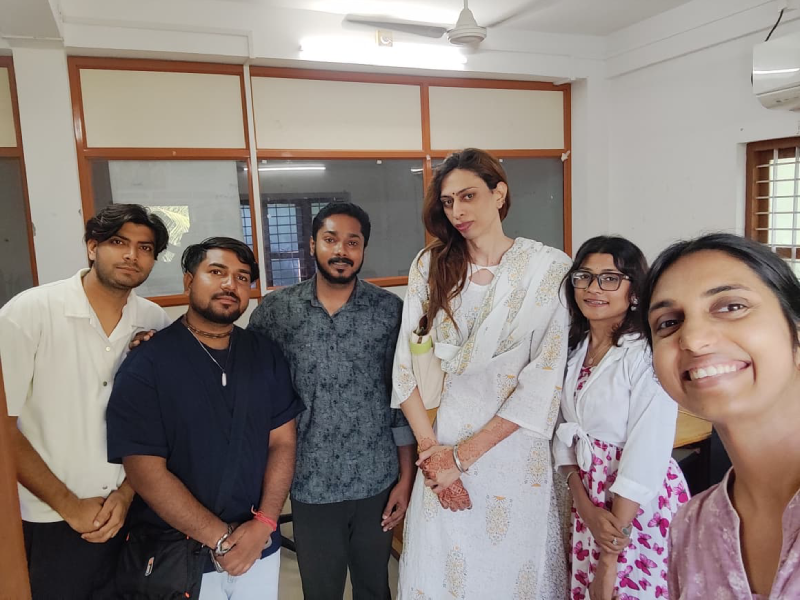
Six special guests with leprosy provided strong and inspirational personal testimony of their experience as a means to encourage students to reflect on their attitudes and future roles as nurses. Their stories further motivated students to develop higher levels of empathy, understanding, and commitment to prevent discrimination both within clinical and community environments.
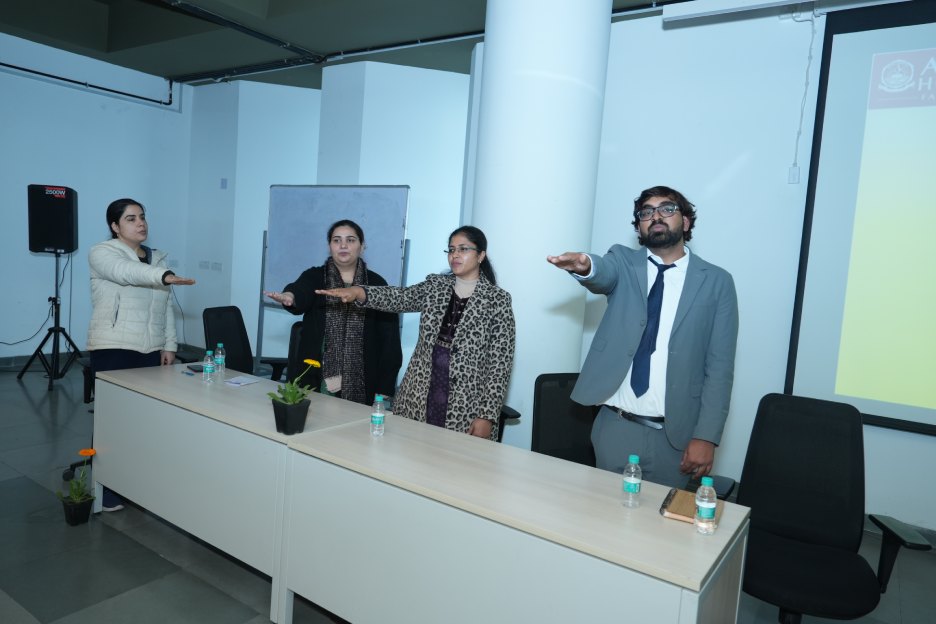
The event concluded with the Anti-Leprosy Pledge, in which every student made a pledge to raise awareness about leprosy, eliminate stigma associated with leprosy, and support people affected by leprosy through both their professional and personal lives.
Overall, the program met the objectives of Anti-Leprosy Day by reinforcing messages that leprosy is treatable, and reinforcing the barriers to timely treatment and social integration, through stigma. Nursing students’ knowledge, attitudes, and professional commitment to caring for those with leprosy greatly increased as a result of the event, and are consistent with Amrita’s commitment to educating healthcare providers to deliver healing care that is compassionate, inclusive, and responsive to societal needs.