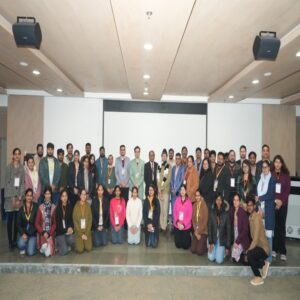
This symposium will advance translational immunology by training clinical faculty, researchers and scholars in advanced flow
cytometry platforms, specifically the Bigfoot Flow Cytometer, with emphasis on immune cell isolation, phenotypic characterization, and cell sorting for diagnostic, therapeutic, and vaccine development applications. The program aligns with ARCD vision of bridging fundamental discoveries with real-world clinical solutions by equipping participants with practical skills in state-of-the-art immunophenotyping and immune sorting technologies.
₹1,000 + 18% GST
₹2,000 + 18% GST
20th Jan 2026
Send your application along with payment confirmation details to the Workshop Secretary and Administrative Manager.
ashishk.vyas@fbd.amrita.edu/ researchadmin@fbd.amrita.edu



Prof. Shantikumar V Nair
Associate Provost, Head and Dean
Amrita Research Center, Delhi NCR
Amrita Vishwa Vidyapeetham, Faridabad Campus

Prof. Amit Kumar Dinda
Research Director
Amrita Research Center, Delhi NCR
Amrita Vishwa Vidyapeetham, Faridabad Campus

Organization Secretary
Dr. Anubhav Pandey, Dr. Pankaj Jha, Dr. Sreeja Roy, Dr. Bhargab Kalita, Dr. Aparup Patra, Dr. Anuj Dilwaria, Dr. Ansar Fasaludeen and Mr. Vikas Jha
| Time | Programme | |
|---|---|---|
| 08:30 AM – 09:30 AM | Registration | |
| Session 1 – Inauguration | ||
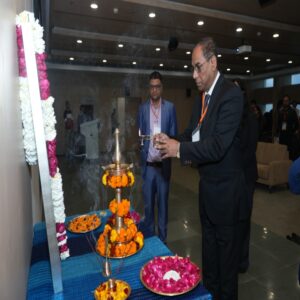
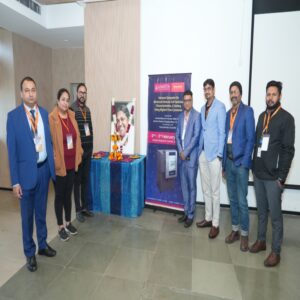
| 09:30 AM – 09:35 AM | Pooja Ceremony | |
| 09:35 AM – 09:50 AM | Welcome Address and Introduction of Participants | |
| 09:50 AM – 10:00 AM | Overview of Symposium Objectives | |
| 10:00 AM – 10:30 AM | Keynote: From Immune Discovery to Diagnostic Innovation – Role of Advanced Flow Cytometry | |
| 10:30 AM – 10:45 AM | Tea Break | |
| Session 2 – Flow Cytometry in Translational Immunology | ||
| 10:45 AM – 11:15 AM | Immunophenotyping with Bigfoot Flow Cytometer: Multi-Parameter Panel Design | |
| 11:15 AM – 11:45 AM | Advanced Immune Cell Isolation Techniques: Principles and Best Practices | |
| 11:45 AM – 12:15 PM | Flow Cytometry in Clinical Diagnostics: Disease Monitoring and Biomarker Discovery | |
| 12:15 PM – 01:00 PM | Panel Discussion | |
| 01:00 PM – 02:00 PM | Lunch | |
| Lab Session 1 (Groups A & B Rotate) | ||
| 02:00 PM – 03:30 PM |
Lab 1A (Group A): Introduction to Bigfoot Flow Cytometer – Instrumentation, Compensation & Panel Design
|
|
| 03:30 PM – 03:45 PM | Tea Break | |
| 03:45 PM – 05:15 PM | Hands-on Rotation (Switch A & B) | |
| Day 1 – Hands-on Sessions | ||
| Lab 1A: Introduction to Bigfoot Flow Cytometer – Instrumentation, Compensation & Panel Design |
Lab 1B: Immune Cell Isolation Techniques | |
|
|
|
| Time | Programme | |
|---|---|---|
| Session 3- Advanced Analysis & Clinical Translation | ||
| 09:30 AM – 10:00 AM | Immune Profiling in Vaccine Research: Monitoring Immune Responses | |
| 10:00 AM – 10:30 AM | Quality Control, Standardization, and Regulatory Pathways in Flow Cytometry | |
| 10:30 AM – 10:45 AM | Panel Discussion | |
| 10:45 AM – 11:00 AM | Tea Break | |
| 11:00 AM – 11:30 AM | Investment Scenarios and Grant Opportunities for Translational Immunology | |
| 11:30 AM – 12:00 PM | Panel Discussion: Academia–Industry Collaborations for Immune Cell Technology Deployment | |
| 12:00 PM – 01:00 PM | Live Training on Flow Data Analysis using FlowJO Software | |
| 01:00 PM – 02:00 PM | Lunch | |
| Lab Session 2 (Groups A & B Rotate) | ||
| 02:00 PM – 03:15 PM |
Lab 2A (Group A): Advanced Flow Cytometry – Multi-Parametric Immune Subset Profiling & Data Analysis Lab 2B (Group B): Fluorescence-Activated Cell Sorting (FACS) – Isolation of Specific Immune Populations |
|
| 03:15 PM – 03:30 PM | Tea Break | |
| 03:30 PM – 04:45 PM | Hands-on Rotation (Switch A & B) | |
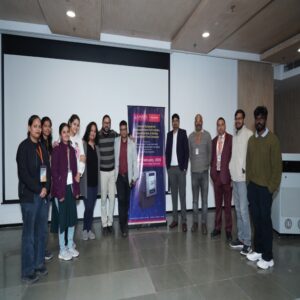
| 04:45 PM – 05:30 PM | Closing Ceremony – Feedback, Group Photo, Closing Remarks & Certificate Distribution | |
| Day 2 – Hands-on Sessions | ||
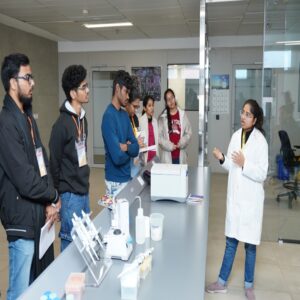
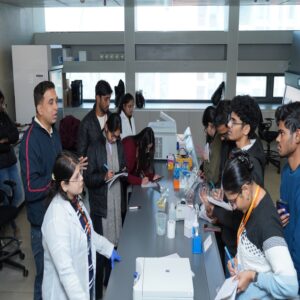
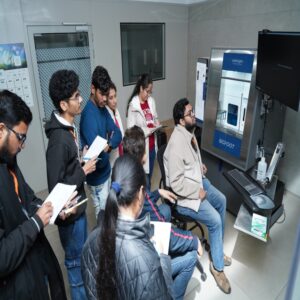
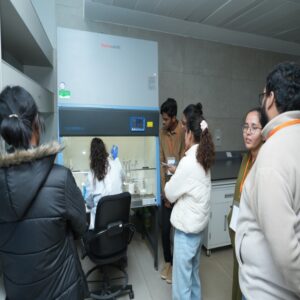
| Participants will engage in structured, small-group practical sessions designed for experiential learning and competency building: | ||
| Lab 2A: Advanced Flow Cytometry – Multi-Parametric Immune Subset Profiling & Data Analysis | Lab 2B: Fluorescence-Activated Cell Sorting (FACS) – Isolation of Specific Immune Populations | |
|
|
|
Participant Division:Participants will be divided into two groups (A & B) and will rotate between lab stations on both days to ensure equal exposure and comprehensive learning Target Participants:
Expected Outcomes:
Support requirements:
|
||