


Amrita Vishwa Vidyapeetham has adopted a campus-wide institutional plan to reduce overall energy consumption across its academic, residential, healthcare, and research facilities. The plan is implemented as part of the university’s Sustainable Campus Policy and is guided by continuous monitoring, periodic review, and phased energy-efficiency interventions.
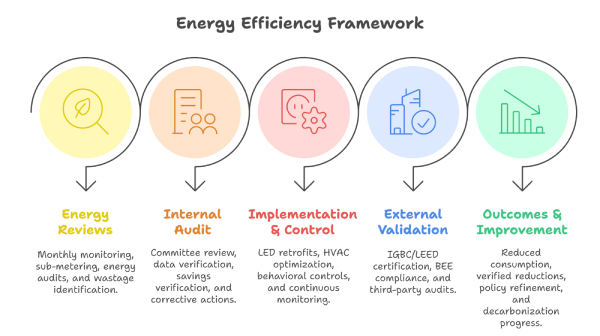
The energy reduction plan focuses on systematic identification of inefficiencies through an energy efficiency framework , prioritisation of high-impact interventions, and long-term optimisation of energy use. The university conducts regular energy reviews supported by energy audits, sub-metering, and Building Energy Monitoring and Management Systems (BEMS) to establish consumption baselines and track performance trends.
In line with our Chancellor’s vision to minimize energy consumption, the university is committed to advancing its “Sustainable Campus Policy” by emphasizing energy efficiency and cultivating a climate-positive environment. In 2024, the institution has undertaken substantial sustainable investments to achieve these goals. The university’s notable accomplishments in this area are outlined below.
Based on insights from these reviews, the plan outlines targeted energy reduction measures, including:
The implementation of the plan follows a phased and time-bound approach, enabling continuous improvement in energy performance while ensuring minimal disruption to campus operations. Energy performance data is periodically reviewed by internal oversight mechanisms to assess progress and refine interventions.
This plan forms the foundation for ongoing reduction of campus energy consumption and supports Amrita Vishwa Vidyapeetham’s long-term sustainability and decarbonisation goals.
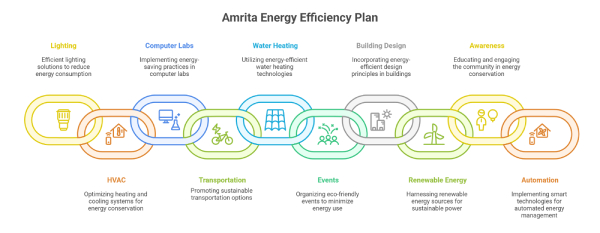
Highlights
Amrita University has implemented an innovative lighting strategy to promote energy efficiency on campus. By turning off lights in unused rooms and corridors, combined with 100% adoption of sensor-based workspace automation, the university has reduced its carbon footprint while fostering a smart, eco-friendly campus environment.
Decorative and festival lighting usage was considerably limited to reduce energy consumption. This initiative has successfully reduced energy usage by 85%, contributing significantly to the university’s sustainability goals.
Ensuring Energy Efficiency
To ensure efficiency all lights have been replaced with energy-efficient LED bulbs. In 2025, over 1,600 LED bulbs were installed in the old building, and over 600 LED lights were added to newly built spaces.
Motion sensors and timers have been installed in common areas to optimize energy usage. This sensor-based workspace automation has resulted in a 100% reduction in energy consumption in these areas, ensuring that lights and equipment are only used when needed.
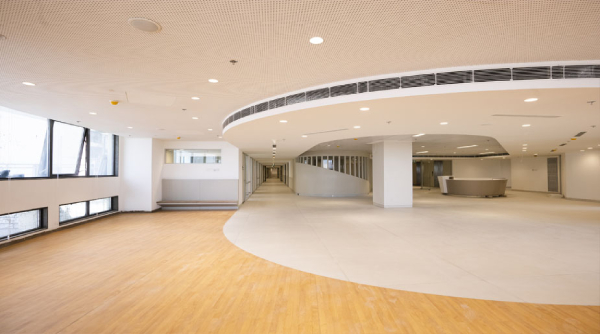
Energy Consumption Reduction
HVAC systems are now operated for fewer hours each day to reduce energy consumption. By optimizing usage and focusing on efficiency, the university minimizes energy waste while maintaining a comfortable indoor environment.
Thermostats are set to moderate levels, such as 24°C, to maintain a comfortable indoor environment while minimizing energy consumption.
Energy Efficiency Plan
Energy-efficient HVAC systems with Variable Frequency Drives (VFDs) have been installed to optimize energy usage. VFDs adjust the speed of motors based on demand, reducing power consumption and improving overall system efficiency.
Windows are retrofitted with double-glazing or shading devices to enhance energy efficiency. This upgrade has helped to reduce heat loss during colder months and minimize heat gain in warmer months, optimizing indoor temperature control. As a result, the university reduces reliance on HVAC systems, leading to lower energy consumption.
Energy Consumption Reduction
Students are encouraged to shut down computers after use to reduce unnecessary energy consumption. This simple practice helps minimize power usage and ensures that energy resources are used efficiently across campus.
Computer lab schedules are optimized to minimize idle time and reduce overall usage. By consolidating lab hours, the university ensures that energy consumption is more efficient, lowering the need for continuous operation of computers and other electronic devices.
Energy Efficiency Plan
The university utilizes energy-efficient computers and ensures that power-saving modes are activated when devices are not in use. This reduces overall energy consumption while maintaining optimal performance, and promoting responsible energy usage across all electronic resources.
A centralized energy management system has been implemented to monitor and control energy consumption across the campus. This system enables real-time tracking, optimizing energy usage, and identifying areas for improvement.
Energy Consumption Reduction
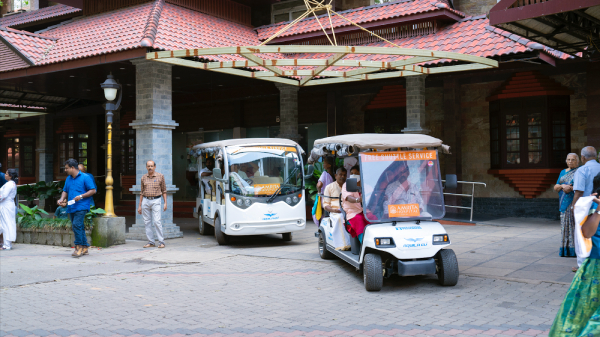
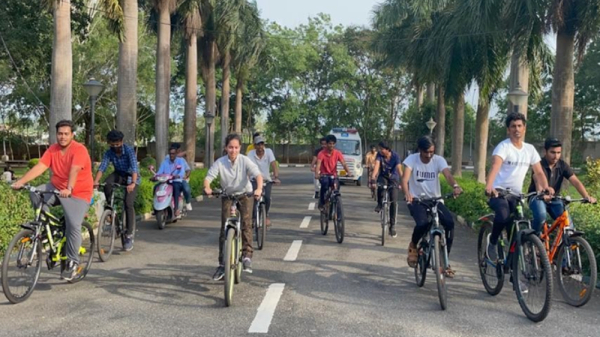
The frequency of shuttle buses is reduced during low demand periods to optimize fuel consumption and minimize environmental impact. Solar enabled free shuttle services are provided for in-campus commute.
Energy Efficiency Plan
Electric and hybrid shuttle vehicles are being introduced to reduce the campus transportation carbon footprint, offering a sustainable alternative to fuel-powered shuttles. Solar-powered EV charging stations have also been installed, promoting sustainable transportation by reducing reliance on non-renewable energy and supporting the university’s commitment to green energy and lower emissions.

Heated water availability is restricted during off-peak hours to optimize energy use and minimize waste. This approach ensures efficient energy consumption, reducing overall demand while meeting campus needs during peak hours.
Additionally, solar water heaters have been installed to utilize renewable energy, decreasing reliance on conventional energy sources.
Events are scheduled during daylight hours to reduce the need for artificial lighting, minimizing energy consumption and lowering the campus’s carbon footprint. This approach maximizes natural light, ensuring an eco-friendly environment.
Additionally, renewable energy sources like solar generators power events, further reducing reliance on conventional energy.
To reduce energy consumption, operational hours for low-use buildings are reduced to optimize energy consumption, minimizing energy waste and supporting sustainability.
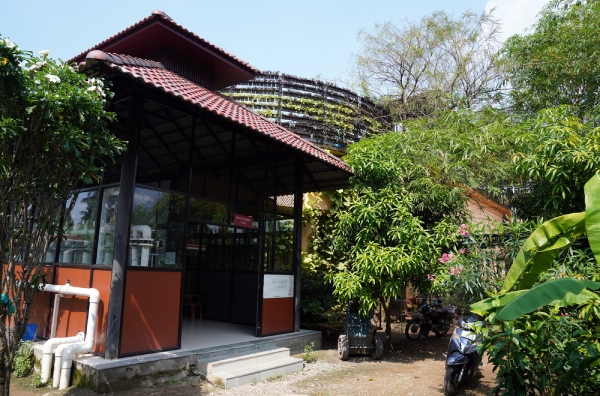
For ensuring energy efficiency, buildings are retrofitted with insulation to improve energy performance, reducing heat loss in winter and heat gain in summer. Additionally, reflective paints and green roofs are added to further reduce cooling demand, enhancing energy efficiency and lowering overall energy consumption.

Efforts are focused on encouraging reduced electricity consumption from the grid by promoting energy-saving practices across campus. By increasing awareness and implementing energy-efficient measures, the university aims to lower grid dependence, reduce energy costs, and support its commitment to sustainability through the use of renewable energy sources.
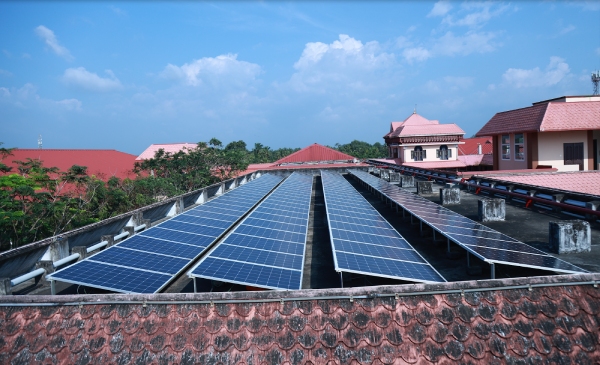
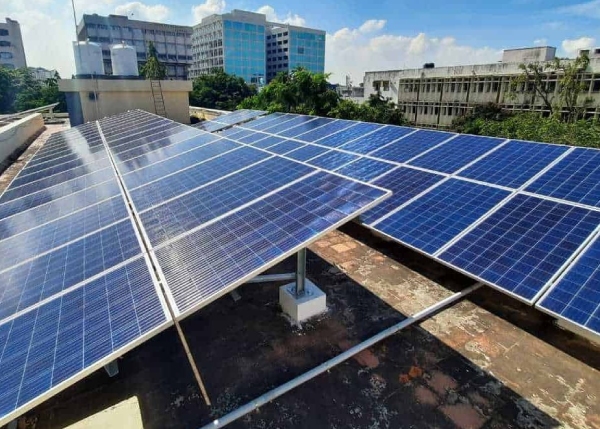
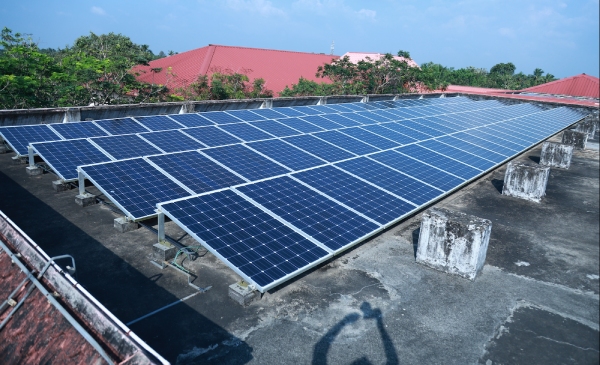
Solar panels are being installed on rooftops to generate clean, renewable energy. This initiative reduces reliance on conventional energy sources, lowers electricity costs, and supports the university’s commitment to sustainability by harnessing the power of the sun to meet campus energy needs.
A campus-wide energy monitoring and automation system is implemented to track and optimize energy usage in real time. This system helps identify areas for improvement, automatically adjust energy consumption, and raise awareness, ensuring efficient resource management and reinforcing the university’s commitment to sustainability.
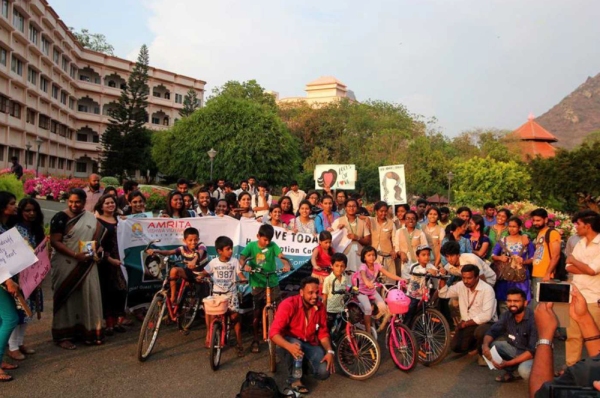
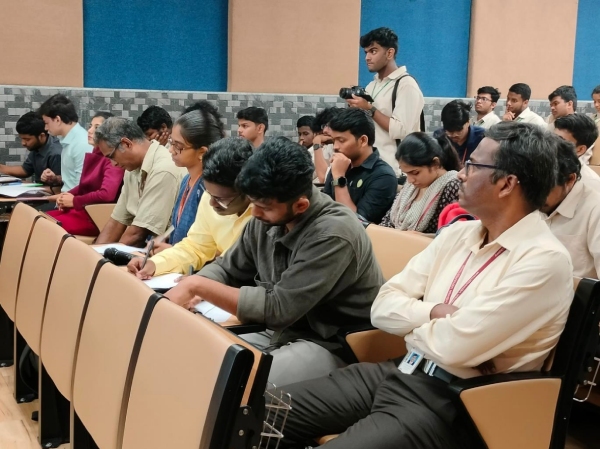
Along with this, Amrita conducts various awareness campaigns and events to promote energy conservation. Amrita Vishwa Vidyapeetham celebrated National Energy conservation Day on December 14th 2024, with a series of engaging and educational activities in collaboration with BEE international and School for sustainable futures . Various activities focused on “ Every watt Counts ”. Amrita also collaborated with Ayud International to reach the message to over One K beneficiaries.
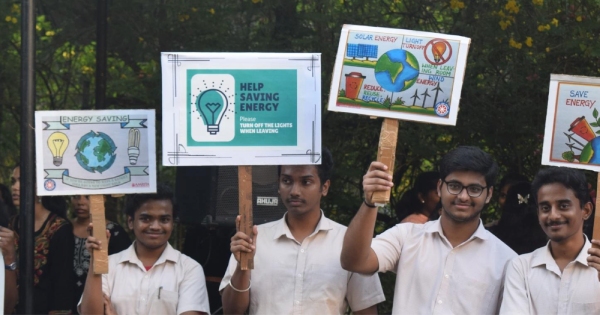
Students participated in a Digital Poster Making competition on Dec 14th, focused on the theme of energy conservation. A competition was also held for students to write impactful slogans on energy-saving habits.
Drawing competitions for students were conducted for Classes 1–5 and Classes
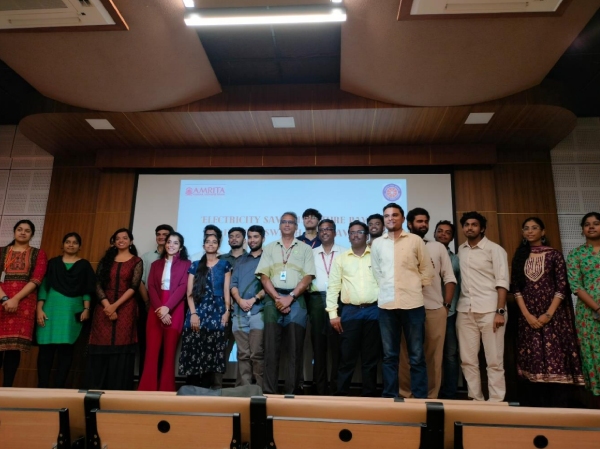
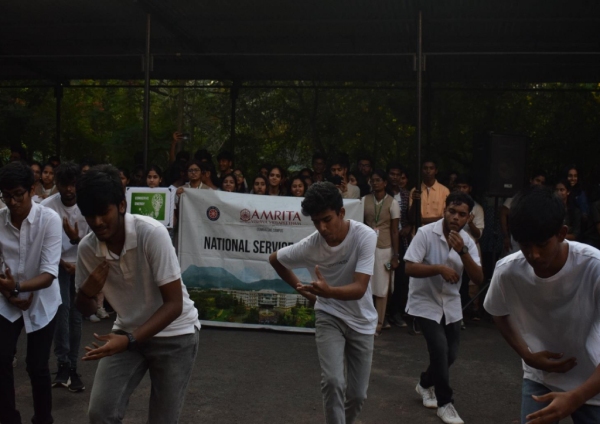
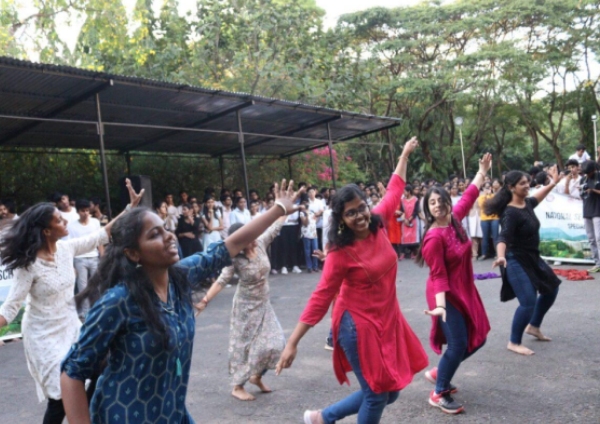
Students across diverse departments of Amrita University united in a lively and energetic flashmob, coupled with the artistry of mime, setting the stage for an enchanting welcome event. Amidst the dynamic movements and silent expressions, a powerful message resonated with the hearts and minds of all who witnessed the spectacle.

| Aspect | Energy Consumption Reduction | Energy Efficiency Plan | Target Pathway |
| Lighting | Turning off lights in unused rooms and corridors. | Replacing all lights with energy-efficient LED bulbs. | 1653 LEDs replaced in the old buildings 657 LED lights installed in newly built spaces |
| Limiting decorative or festival lighting usage. | Maintenance of Common areas through sensor based lighting | 100% of energy consumption is reduced through sensor-based workspace automation | |
| HVAC (Heating, Ventilation, and Air Conditioning) | Operating HVAC systems for fewer hours daily. | Installing energy-efficient HVAC systems with VFDs. | |
| Setting thermostats to moderate levels (e.g., 24°C). | Retrofitting windows with double-glazing or shading devices. | ||
| Computer Labs and Electronics | Encouraging students to shut down computers after use. | Using energy-efficient computers and power-saving modes. | Awarness session to new joinees and mandatory pledge for responsible lab usage among students conducted |
| Consolidating computer lab schedules to reduce usage. | Implementing a centralized energy management system. | Launch of Version 2.3.4 for EMS launched in 2024 | |
| Transportation | Reducing the frequency of shuttle buses during low demand. | Introducing electric or hybrid shuttle vehicles. | Increasing electric and hybrid fleet by 18% |
| Promoting carpooling or cycling to campus. | Installing EV charging stations powered by solar energy. | Multiple EV car expos in done with the EV car club for the promotion of the EV cars among the faculty and general public | |
| Water Heating | Limiting heated water availability during off-peak hours. | Installing solar water heaters. | |
| Events and Activities | Hosting events during daylight to reduce lighting needs. | Using renewable energy sources (e.g., solar generators) for events. | Reduced Diesel Generator dependency by 25% |
| Building Design | Reducing operational hours for low-use buildings. | Retrofitting buildings with insulation to improve energy performance. | |
| Adding reflective paints or green roofs to reduce cooling demand. | |||
| Renewable Energy | Encouraging reduced electricity consumption from the grid. | Installing solar panels on rooftops to generate clean energy. | 0.9 MW capacity added |
| Awareness and Automation | Running campaigns to encourage energy-saving habits. | Using a campus-wide energy monitoring and automation system. | New version of the platform launched . |
In line with our Chancellor’s vision to minimize energy consumption, the university is committed to advancing its “Sustainable Campus Policy” by emphasizing energy efficiency and cultivating a climate-positive environment. In 2023, the institution has undertaken substantial sustainable investments to achieve these goals. The university’s notable accomplishments in this area are outlined below.
⦁ Efficient Lighting Systems
Highlights
Amrita University has implemented an innovative lighting strategy to promote energy efficiency on campus. By turning off lights in unused rooms and corridors, combined with 100% adoption of sensor-based workspace automation, the university has reduced its carbon footprint while fostering a smart, eco-friendly campus environment.

Decorative and festival lighting usage was considerably limited to reduce energy consumption. This initiative has successfully reduced energy usage by 85%, contributing significantly to the university’s sustainability goals.
Ensuring Energy Efficiency
To ensure efficiency all lights have been replaced with energy-efficient LED bulbs. In 2023, 1,200 LED bulbs were installed in the old building, and 1,000 LED lights were added to newly built spaces.
Motion sensors and timers have been installed in common areas to optimize energy usage. This sensor-based workspace automation has resulted in a 100% reduction in energy consumption in these areas, ensuring that lights and equipment are only used when needed

⦁ Efficient HVAC (Heating, Ventilation, and Air Conditioning)
Energy Consumption Reduction
HVAC systems are now operated for fewer hours each day to reduce energy consumption. By optimizing usage and focusing on efficiency, the university minimizes energy waste while maintaining a comfortable indoor environment.
Thermostats are set to moderate levels, such as 24°C, to maintain a comfortable indoor environment while minimizing energy consumption.
Energy Efficiency Plan
Energy-efficient HVAC systems with Variable Frequency Drives (VFDs) have been installed to optimize energy usage. VFDs adjust the speed of motors based on demand, reducing power consumption and improving overall system efficiency.
Windows are retrofitted with double-glazing or shading devices to enhance energy efficiency. This upgrade has helped to reduce heat loss during colder months and minimize heat gain in warmer months, optimizing indoor temperature control. As a result, the university reduces reliance on HVAC systems, leading to lower energy consumption.
⦁ Computer Labs and Electronics
Energy Consumption Reduction
Students are encouraged to shut down computers after use to reduce unnecessary energy consumption. This simple practice helps minimize power usage and ensures that energy resources are used efficiently across campus.
Computer lab schedules are optimized to minimize idle time and reduce overall usage. By consolidating lab hours, the university ensures that energy consumption is more efficient, lowering the need for continuous operation of computers and other electronic devices.
Energy Efficiency Plan
The university utilizes energy-efficient computers and ensures that power-saving modes are activated when devices are not in use. This reduces overall energy consumption while maintaining optimal performance, and promoting responsible energy usage across all electronic resources.
A centralized energy management system has been implemented to monitor and control energy consumption across the campus. This system enables real-time tracking, optimizing energy usage, and identifying areas for improvement.
⦁ Smart Transportation
Energy Consumption Reduction
The frequency of shuttle buses is reduced during low demand periods to optimize fuel consumption and minimize environmental impact. Solar enabled free shuttle services are provided for in-campus commute.
Carpooling and cycling to campus are actively promoted to reduce traffic congestion and lower carbon emissions.
Energy Efficiency Plan
Electric and hybrid shuttle vehicles are being introduced to reduce the campus transportation carbon footprint, offering a sustainable alternative to fuel-powered shuttles. Solar-powered EV charging stations have also been installed, promoting sustainable transportation by reducing reliance on non-renewable energy and supporting the university’s commitment to green energy and lower emissions.


⦁ Water Heating
Heated water availability is restricted during off-peak hours to optimize energy use and minimize waste. This approach ensures efficient energy consumption, reducing overall demand while meeting campus needs during peak hours.
Additionally, solar water heaters have been installed to utilize renewable energy, decreasing reliance on conventional energy sources.
⦁ Events and Activities
Events are scheduled during daylight hours to reduce the need for artificial lighting, minimizing energy consumption and lowering the campus’s carbon footprint. This approach maximizes natural light, ensuring an eco-friendly environment.
Additionally, renewable energy sources like solar generators power events, further reducing reliance on conventional energy.
⦁ Building Design
To reduce energy consumption, operational hours for low-use buildings are reduced to optimize energy consumption, minimizing energy waste and supporting sustainability.
For ensuring energy efficiency, buildings are retrofitted with insulation to improve energy performance, reducing heat loss in winter and heat gain in summer. Additionally, reflective paints and green roofs are added to further reduce cooling demand, enhancing energy efficiency and lowering overall energy consumption.
⦁ Renewable Energy
Efforts are focused on encouraging reduced electricity consumption from the grid by promoting energy-saving practices across campus. By increasing awareness and implementing energy-efficient measures, the university aims to lower grid dependence, reduce energy costs, and support its commitment to sustainability through the use of renewable energy sources.
Solar panels are being installed on rooftops to generate clean, renewable energy. This initiative reduces reliance on conventional energy sources, lowers electricity costs, and supports the university’s commitment to sustainability by harnessing the power of the sun to meet campus energy needs.
⦁ Awareness Programs
In 2024, Amrita Vishwa Vidyapeetham strengthened energy efficiency through a combined approach of campus-wide automation and behavioral awareness initiatives. A comprehensive energy monitoring and building automation system is used to track real-time energy consumption, optimize operations, and reduce avoidable energy use across campuses.
Complementing automation, the university promoted energy conservation through student-led awareness programs under the National Service Scheme (NSS). Activities included digital poster and slogan competitions, debates in collaboration with the Amrita Students Debating Society, drawing competitions for school students, and innovation-focused Ideathons and Hackathons organized with professional bodies. These initiatives fostered a culture of responsible energy use and reinforced the university’s commitment to sustainability.


⦁ Key Energy Reduction Achievements
Amrita Vishwa Vidyapeetham’s comprehensive energy efficiency and renewable integration initiatives have delivered measurable outcomes. The university has achieved up to 32.4% reduction in annual energy expenditure, alongside full compliance with Bureau of Energy Efficiency (BEE) standards across applicable infrastructure and systems.
Through the deployment of a Building Energy Monitoring and Management System (BEMS) and building automation, the university has realised annual energy savings of approximately 379,200 kWh, corresponding to a reduction of 311 metric tons of CO₂ emissions per year. Renewable energy installations have enabled periods and facilities where clean-energy generation exceeds demand, contributing toward a targeted 30% reduction in grid dependency by 2025.
Energy-efficiency interventions are expected to deliver up to 40% reduction in lighting energy use and approximately 25% reduction in HVAC energy consumption, while campus-wide behavioural and awareness initiatives have contributed to an estimated 10–15% reduction in avoidable energy wastage.



Amrita Vishwa Vidyapeetham Coimbatore campus main building with Saraswati statue and fountains
Amrita Vishwa Vidyapeetham has implemented a comprehensive and robust Energy Efficiency Plan designed to reduce overall energy consumption, promote sustainability, and create a climate-positive campus environment. Inspired by the vision of Chancellor Sri Mata Amritanandamayi Devi to minimize energy consumption and foster a greener lifestyle, the university has achieved remarkable success with 32.4% energy cost savings and a 90% energy efficiency rating in its latest energy audit.
Links:
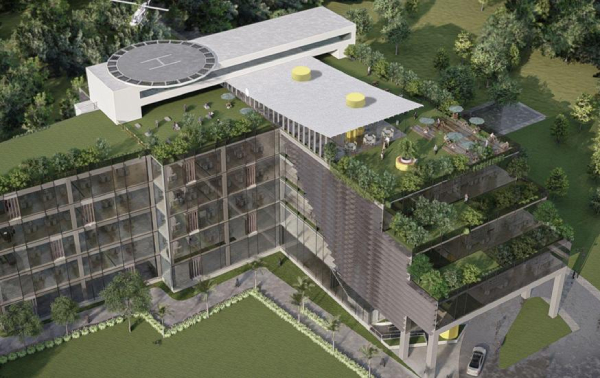
Comparing conventional buildings with green buildings to emphasize the need for sustainable, eco-friendly campus environments.
The university’s energy efficiency initiatives are governed by the comprehensive “Sustainable Campus Policy” formulated in 2020 and updated on November 11, 2023. This policy framework includes a dedicated Sustainable Energy Management Policy that drives all energy-related initiatives across campuses. The policy ensures rigorous assessment of all campuses against outlined goals, fostering a self-driven commitment to efficient and sustainable use of natural resources while minimizing environmental impact.
Link: https://www.amrita.edu/unsdg-sustainable-campus-policy2023/
The university has achieved significant milestones in 2023:
Links:
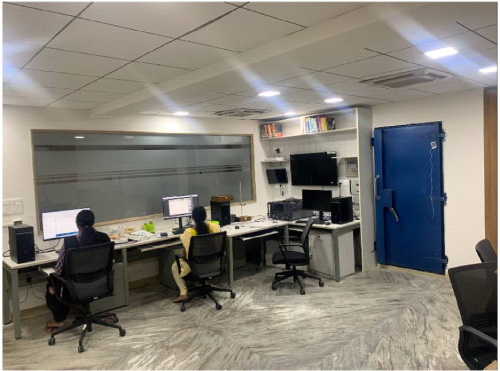
Workers conducting an energy audit inspection on an HVAC unit to promote energy efficiency.
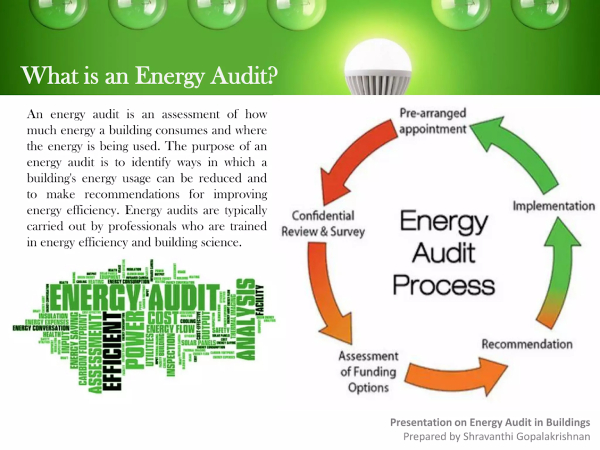
Diagram and explanation of the energy audit process for buildings to improve efficiency.
A thorough energy audit has been conducted to identify areas of high energy consumption and potential energy-saving opportunities. This comprehensive assessment serves as a baseline for measuring progress and guides the implementation of energy-saving measures.
Energy Audit Methodology:
Amrita Vishwa Vidyapeetham utilizes third-party agencies to perform multi-campus energy, green, and other quality audits to conserve nature and efficiently utilize natural resources.
Links:
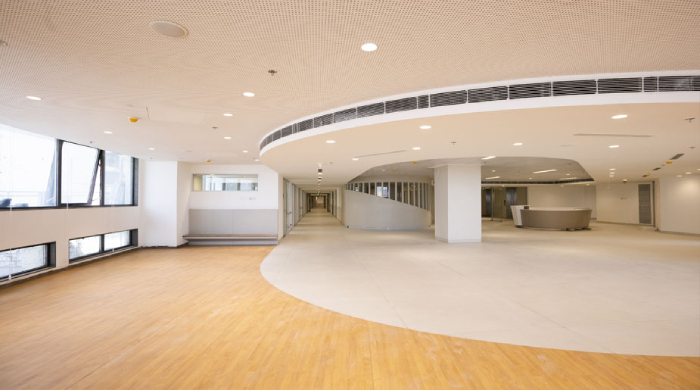
Amrita University hallway showcasing LED lighting installations for energy efficiency across campus.
The university has undertaken extensive lighting system upgrades:
Highlights:
Traditional lighting fixtures have been replaced with energy-efficient LED lights throughout the campus, significantly reducing energy consumption and maintenance costs while extending the lifespan of lighting systems.
Expected Outcome: 40% reduction in lighting energy use
Links:
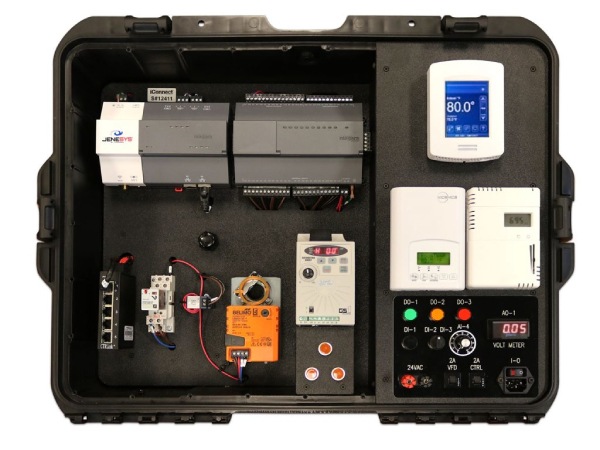
Building automation system components for HVAC control and energy management.
The university is committed to maintaining and optimizing heating, ventilation, and air conditioning (HVAC) systems for maximum energy efficiency:
Expected Outcome: 25% reduction in HVAC energy usage
Links:
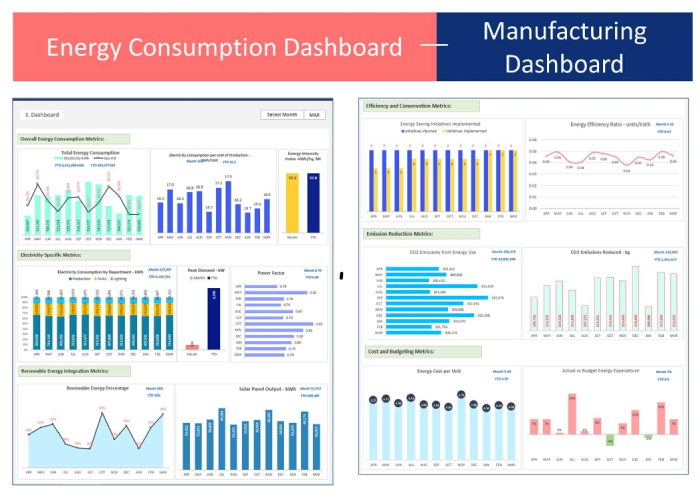
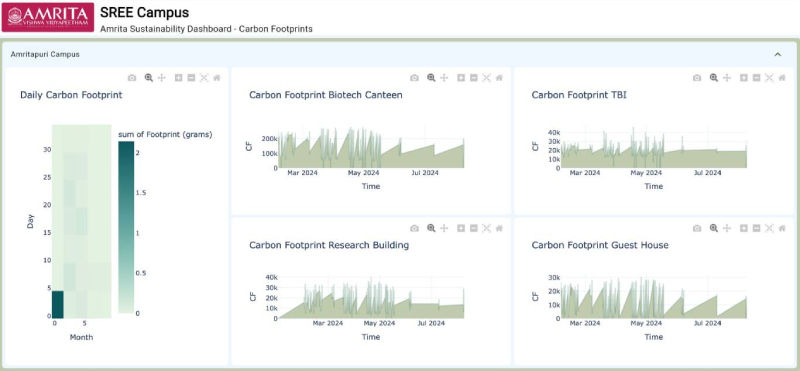
Energy and manufacturing dashboards showing comprehensive metrics for monitoring energy consumption, efficiency, conservation, and emissions over time.
Building automation systems (BAS) have been installed to monitor and control energy usage within buildings. These systems optimize energy consumption by adjusting lighting, HVAC, and other systems based on:
Building Energy Monitoring and Management System:
Achievement: Annual energy saving of 379,200 kWh, corresponding to a reduction of 311 metric tons of CO₂ emissions per year
Links:
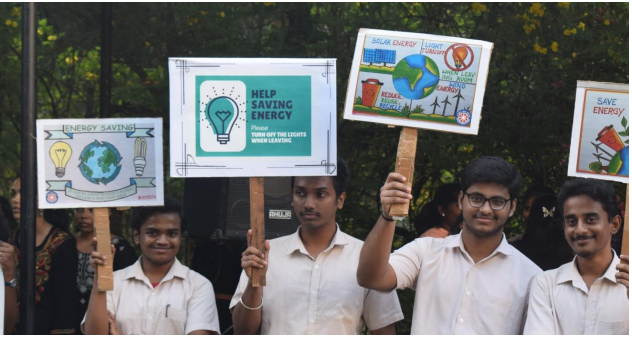
Participants at Amrita University promoting National Energy Conservation Day and energy-saving awareness.
Amrita Vishwa Vidyapeetham actively raises awareness among students, faculty, and staff about the importance of energy conservation. Energy-saving practices actively encouraged include:
Energy Awareness Programs:
Links:
The university is improving insulation in buildings to minimize heat transfer and reduce the workload on HVAC systems:
Links:
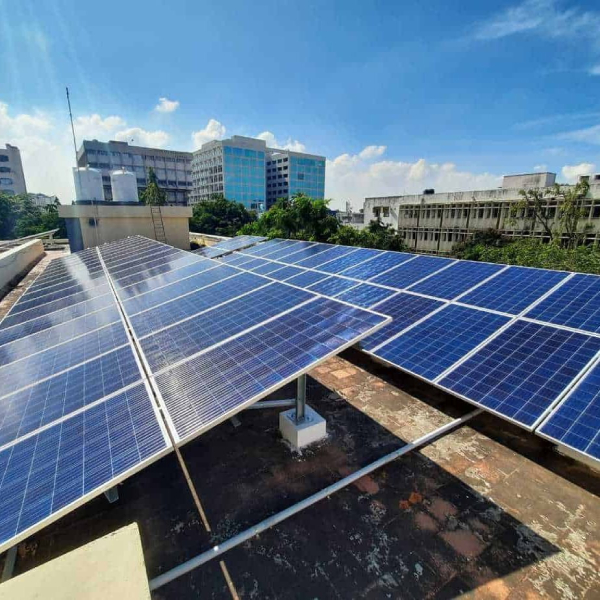
Solar panels installed on a rooftop at Amrita University campus generating renewable energy for higher energy efficiency.
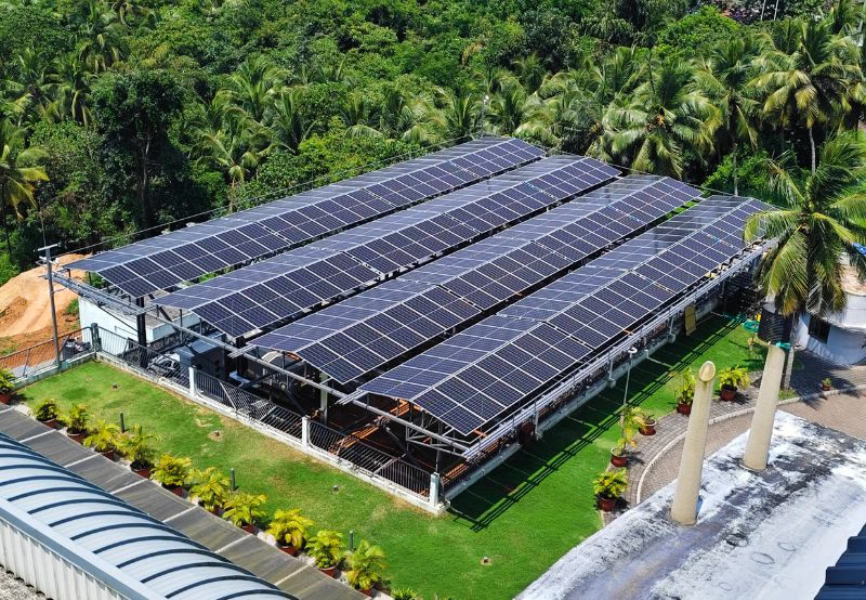
solar-panel-installation-im
Solar panel installation for renewable energy on a campus rooftop, supporting carbon management efforts.
Amrita Vishwa Vidyapeetham is actively exploring and implementing renewable energy sources on campus:
Links:
Outdated and inefficient equipment and appliances are being replaced with energy-efficient models:
Links:
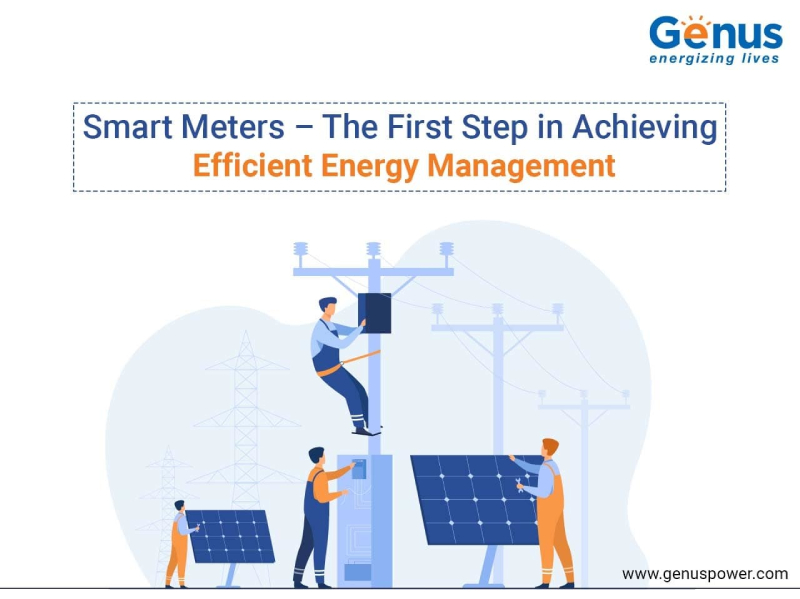
Illustration showing smart meters and solar panels as key components for efficient energy management.
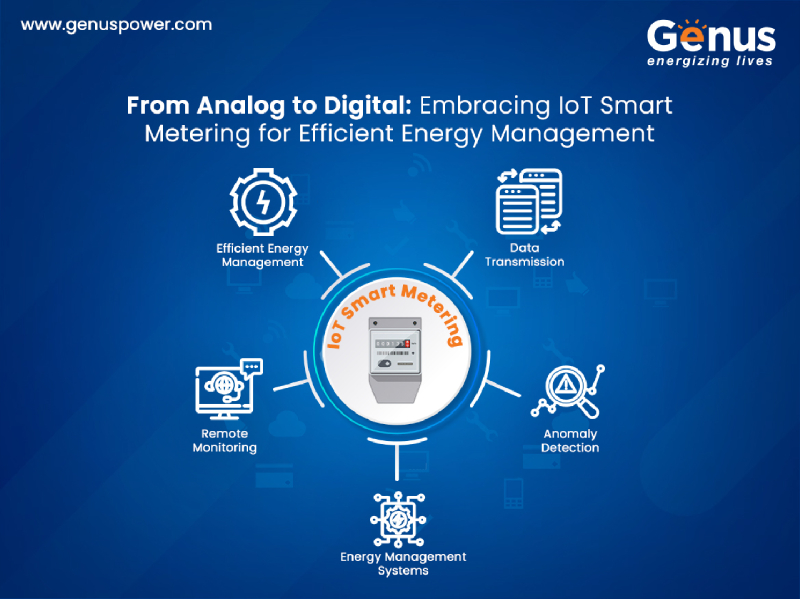
IoT smart metering facilitates efficient energy management through data transmission, anomaly detection, and remote monitoring.
A real-time monitoring system has been implemented to track energy consumption:
Links:
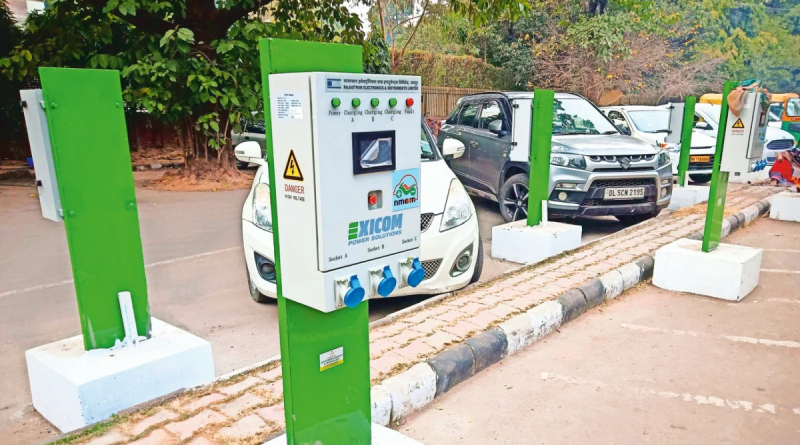
Electric vehicle charging station with reserved parking sign on a campus-like setting.
The university actively encourages sustainable transportation options to minimize energy consumption from commuting and campus transportation:
Links:
Lorem ipsum dolor sit amet, consectetur adipiscing elit. Ut elit tellus, luctus nec ullamcorper mattis, pulvinar dapibus leo.
Lorem ipsum dolor sit amet, consectetur adipiscing elit. Ut elit tellus, luctus nec ullamcorper mattis, pulvinar dapibus leo.
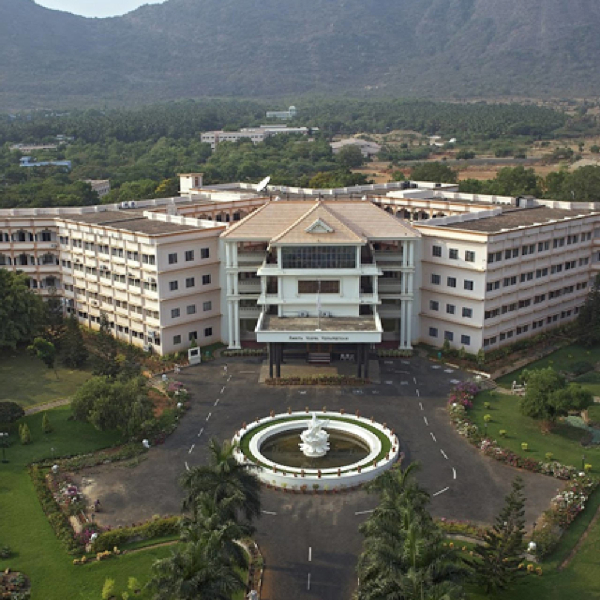
Aerial view of an academic building at Amrita Vishwa Vidyapeetham campus in Coimbatore with surrounding greenery and hills.
All new buildings and major renovations at Amrita adhere to the Energy-Efficient Building Policy, ensuring the highest energy efficiency standards:
Key Policy Elements:
Link: https://www.amrita.edu/energy-efficiency-standards-for-renovations-and-new-builds/
Amrita Vishwa Vidyapeetham actively collaborates with energy utility companies, government agencies, and sustainability organizations to access resources, expertise, and funding opportunities for energy efficiency projects. The university actively participates in energy-saving initiatives and programs at regional and national levels.
Link: https://www.amrita.edu/unsdg/sdg7/plan-to-reduce-energy-consumption/
The university’s comprehensive energy efficiency plan has yielded impressive results:
Links:
Energy monitoring is a crucial tool in the university’s sustainability efforts. By tracking energy use, the university gains insights into carbon emissions and identifies areas of high consumption for targeted improvement. This helps the institution reduce its environmental impact and contribute to a more sustainable future.
The university implements:
Link: https://www.amrita.edu/project/sustainable-campus-towards-net-zero-carbon-from-energy/
The university has undertaken extensive in-house research to advance energy efficiency through collaborative efforts across multiple departments including Electrical and Electronics Engineering, Civil Engineering, Chemical Engineering and Materials Science, and the School for Sustainable Futures. Research areas include:
The School for Sustainable Futures focuses on smart grids, energy-efficient IoT frameworks for energy management, sustainable water-energy nexus solutions, and development of hybrid renewable energy systems.
Links:
Amrita University receives IGBC Green Campus Platinum certification for sustainability efforts.
The university’s energy efficiency efforts have earned prestigious recognition:
Links:
Through this comprehensive and multi-faceted Energy Efficiency Plan, Amrita Vishwa Vidyapeetham demonstrates how educational institutions can lead the transition toward sustainable energy consumption, achieving substantial cost savings while fulfilling environmental responsibilities and inspiring broader community action toward a climate-positive future.