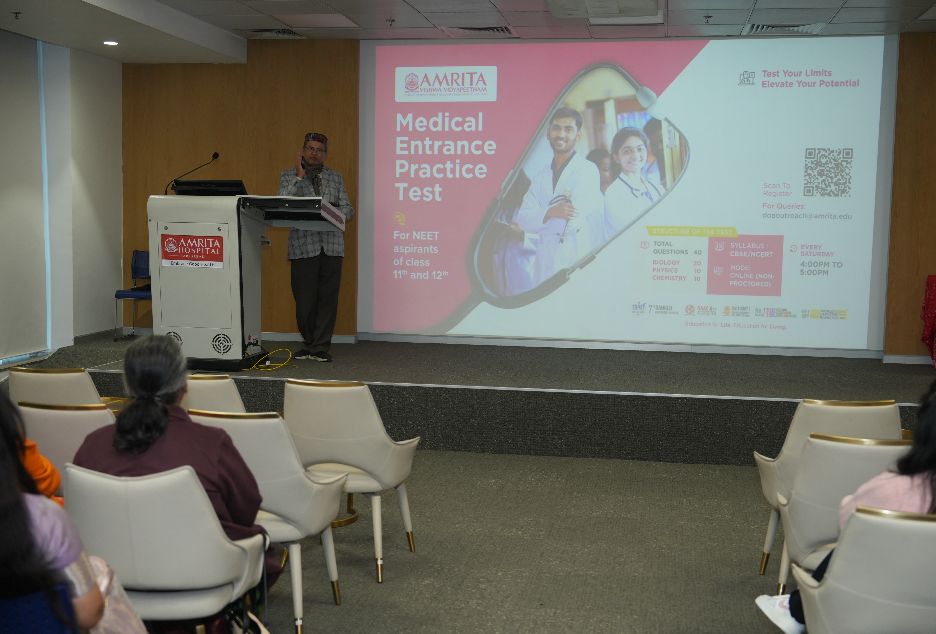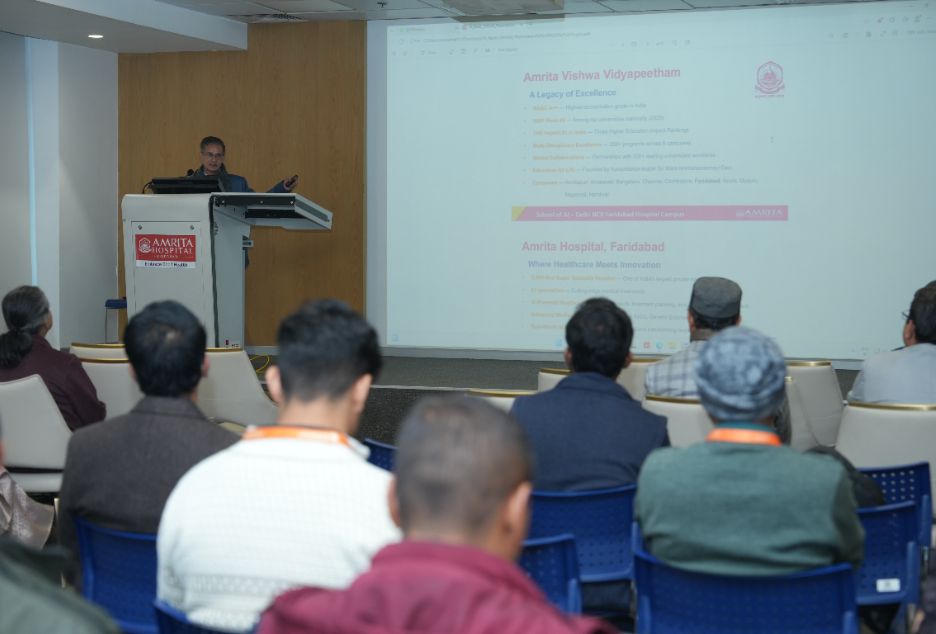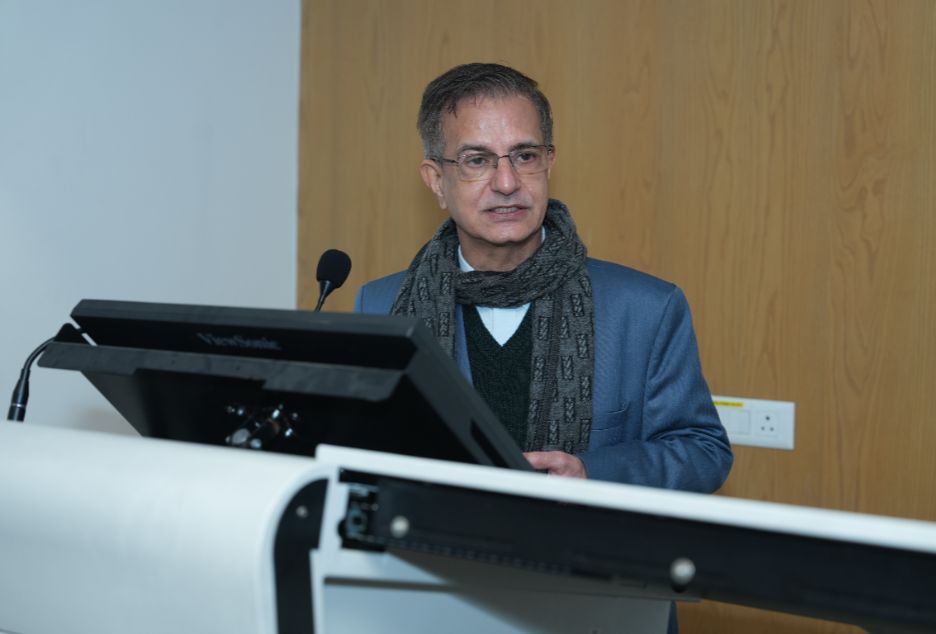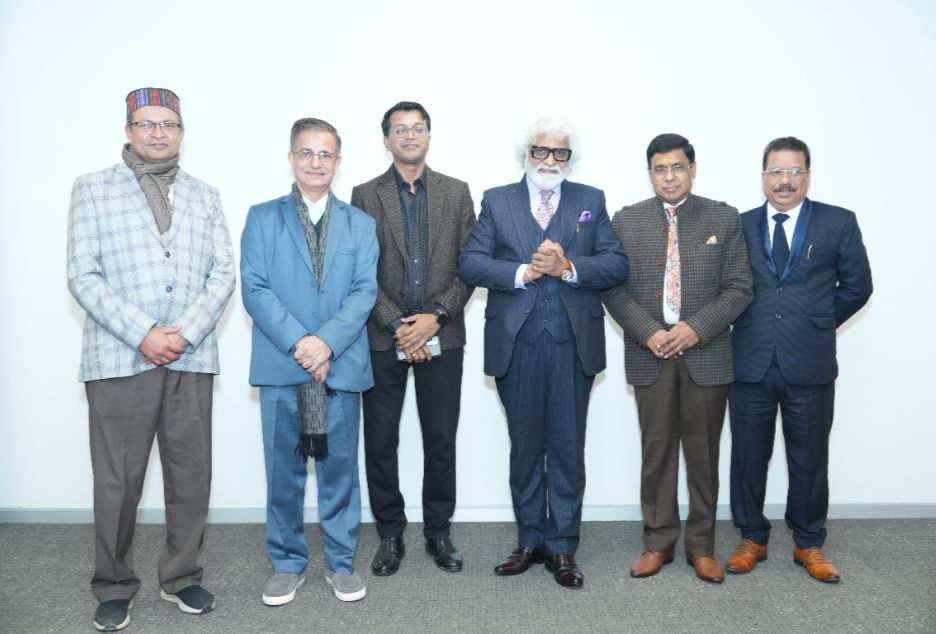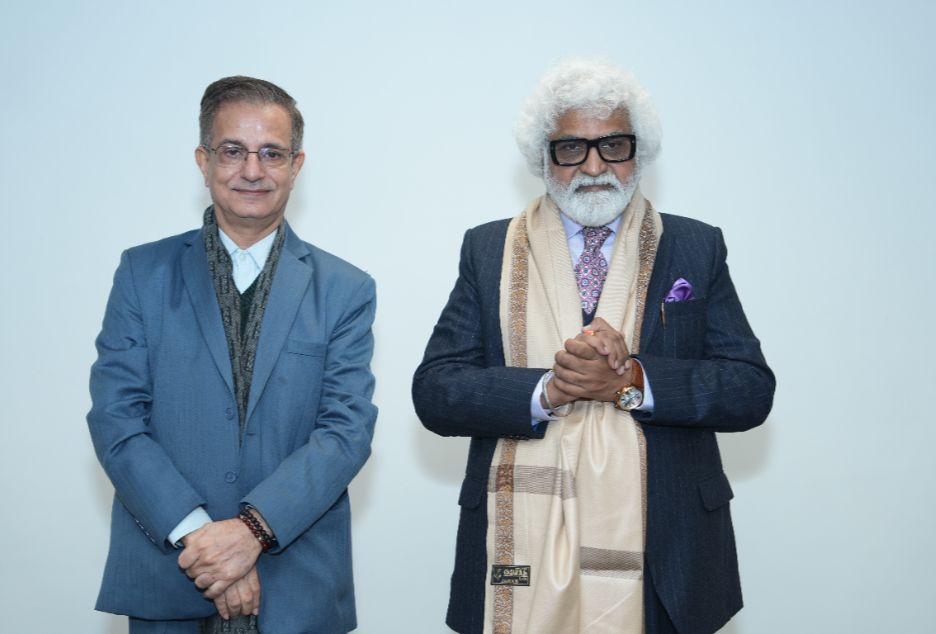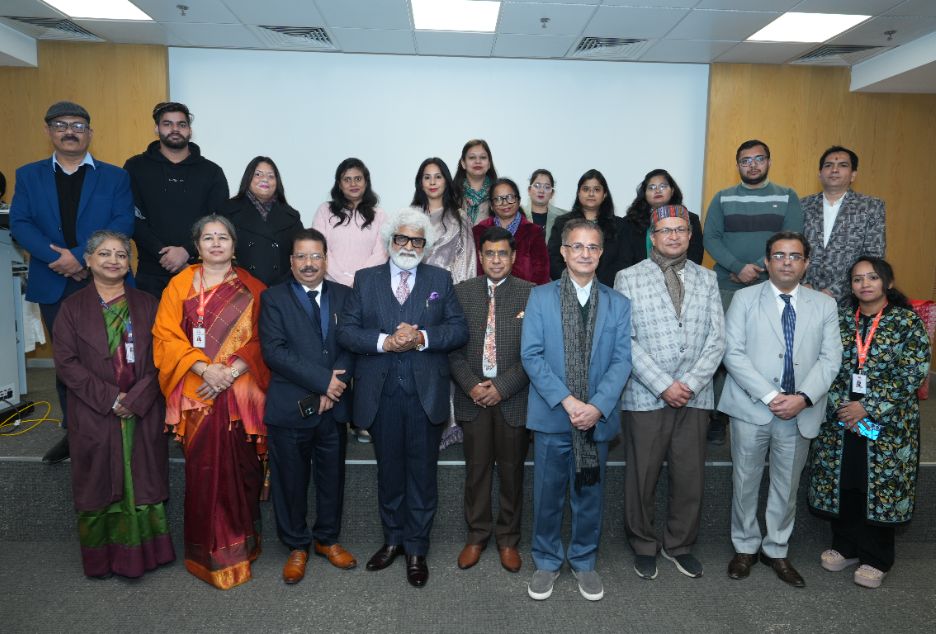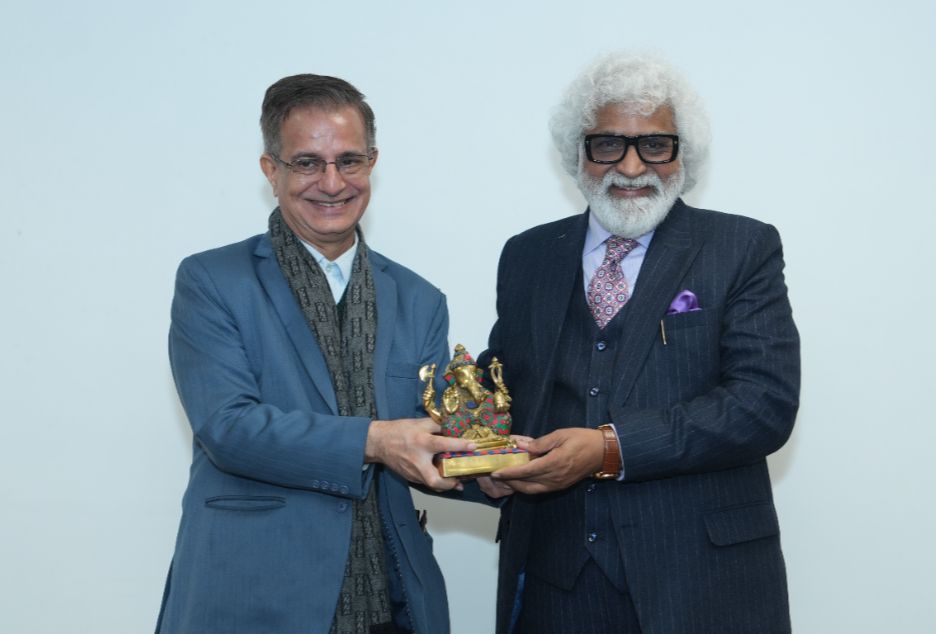
The Amrita School of Artificial Intelligence in Faridabad has held the first ever ‘Nava Shiksha Setu’ Summit on Developing AI Ready Schools for K12 Education, with many school principals, and educators gathered together to discuss the future directions for developing AI-ready schools. This summit took place over two days and culminated in the establishment and publication of a new AI Adoption Framework, to provide schools with guidance and pathways for bridging the gap between K12 education and emerging technologies.
Over 200 educators attended virtually, while Principals of schools and other key educational leaders gathered at Amrita Hospital Seminar Hall, Faridabad. The summit was designed to bring together educators, principals, and other educational leaders to collaborate in an open dialogue on how to effectively integrate AI in their schools’ education systems, while keeping the wellbeing and human values of the educators.
The summit began on 19th December with a series of workshop sessions that were very intensive for educators who were seeking to expand their digital literacy beyond simply understanding how to use technology. Instead, these workshop process sessions focused on strategies for implementing lessons using AI tools and for creating outcomes-based assessments for students as well as how to utilize new technologies in the classroom. In addition, there was an emphasis on the ethical responsibilities associated with using technology and ensuring the welfare of students.
Chief Guest Shri Suresh Chander, the State President of the Haryana Progressive Schools Conference (HPSC), was present at the summit. During his speech, Shri Suresh Chander stated that Artificial Intelligence (AI) should only help to improve education, but it cannot take the place of teachers.
“AI cannot be a substitute for teachers. It is only a tool to assist in the learning process. Education cannot be seen as an algorithm, nor can classrooms be considered computer labs,” stated Shri Suresh Chander. He encouraged educators to use technology wisely while maintaining the human aspect of education.
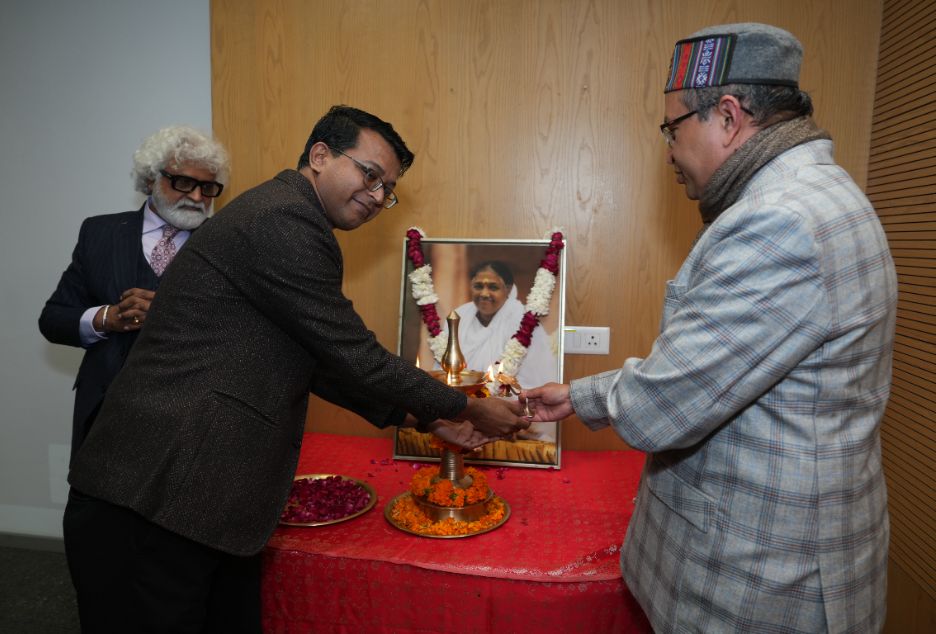
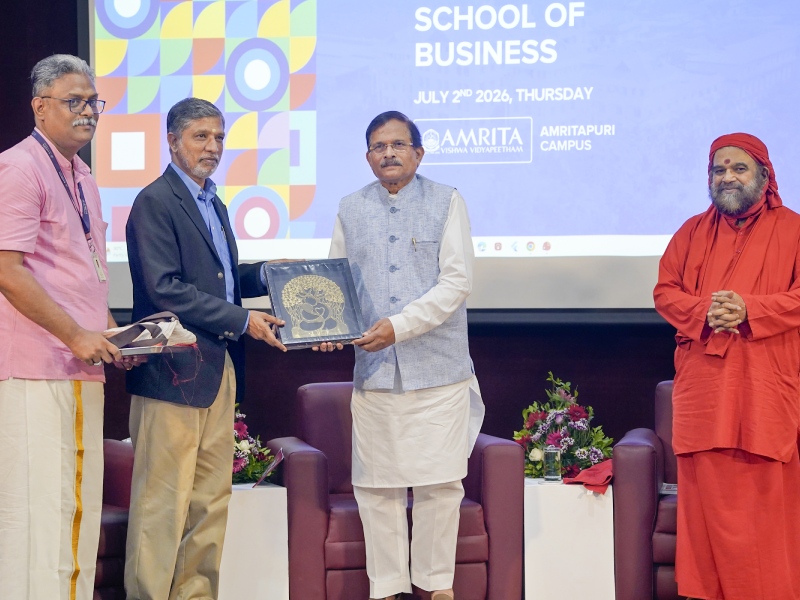
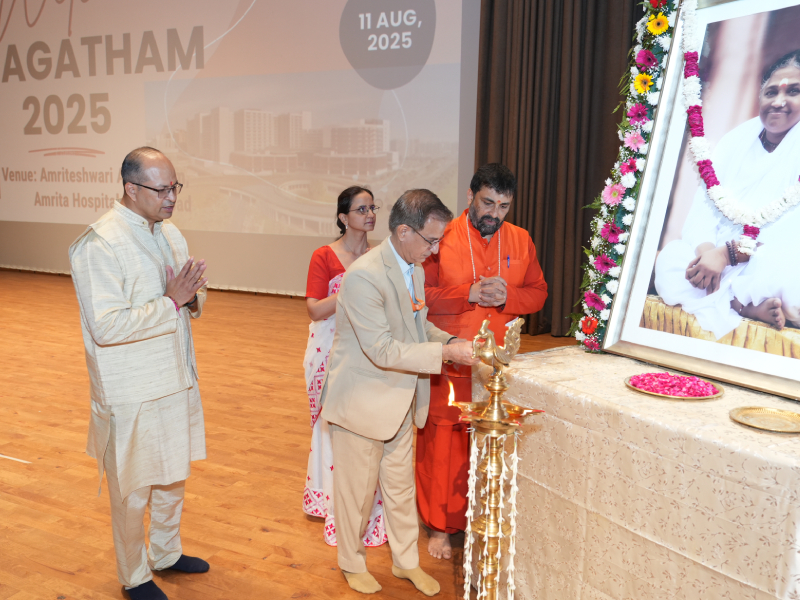
The final day of the summit, 20th December, included an In-Person – Leadership Conclave or formal opening, which began with prayer and a ceremonial lighting of a lamp. This opening event set the tone for the remainder of the day’s discussions and activities as a reflection and motivation for the work ahead.
Guest of Honor, Mr. Subash Soren, noted that the Amrita campus’ value-driven culture has been instrumental in shaping the educational vision for the institution and thanked Chancellor Sri Mata Amritanandamayi Devi (Amma) for her guidance and blessings in this regard.
A major aspect of the Summit was a presentation by Dr. Kamal Bijlani (Dean, AI School) concerning the Framework that Amrita University has developed for AI Adoption in K-12 Schools. The Summit addressed several issues concerning the creation of AI-based businesses/Startups as well as the types of Leadership opportunities created by utilizing the technology in the real world.
The AI Adoption Framework consists of 4 phases of school development. These phases are (1) Assess the School’s Digital Infrastructure & Teacher Readiness for EI; (2) Develop a Custom AI Roadmap that aligns with the vision of the institution; (3) Implement a phased Curriculum & Tools of AI; and (4) Provide Long-Term Mentorship for Sustainable Development.
Prof. Bijlani noted that “Nava Shiksha Setu” reflects the Strength of the Academic Community preparing to support AI-based solutions being developed for K-12 education.
Along with the focus on infrastructure, the Summit focused on several aspects concerning Health & Well-being. Additionally, Prof. Praveen Bist provided an overview of the Amrita University 130-acre Faridabad Campus (based on Engineering; Medical Research; Future Skill Development).
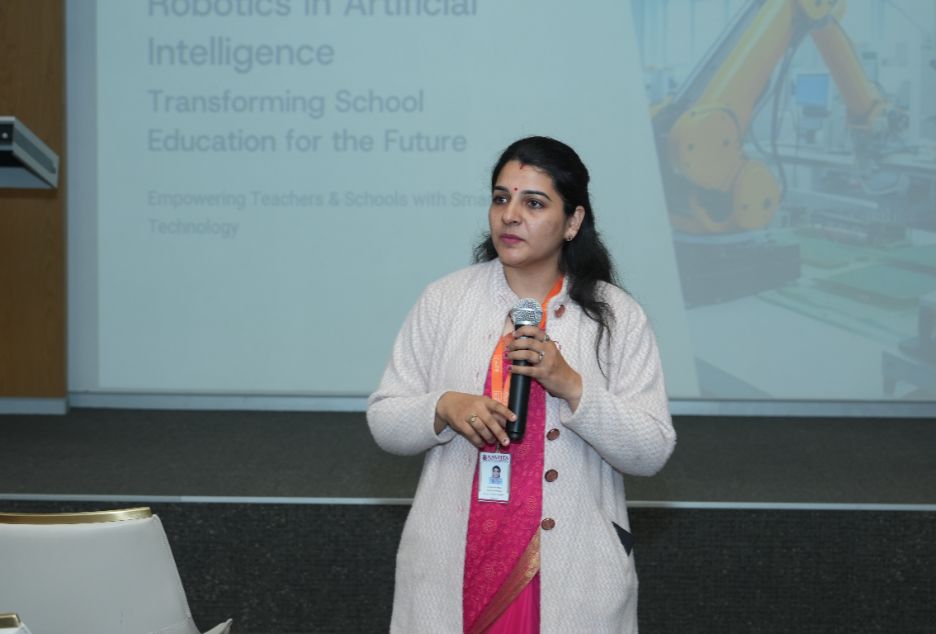
Dr. Nayana Rao discussed the importance of meditation and ayurveda in facilitating emotional balance within the teacher/student relationship. In contrast, Dr. Sakshi Ahuja looked at how the mental aspect of learning robotics can lead to an increase in learning anxiety, and what strategies can be used to help lower that anxiety.
Faculty members Dr. Ranjit Panigrahi and Dr. Divyanshu Sinha presented on the School of AI’s infrastructure, faculty expertise and AI implementation pipeline; the faculty also presented real world examples of improved educational outcomes via AI driven solutions.
As part of the summit, an interactive session titled, “AI Ready Schools” was held where school leaders had the opportunity to voice their concerns and provide their perspectives on how schools can responsibly adopt AI. Some of the main topics of discussion were: ethical frameworks for variation in the amount of time spent on screens by teachers, teacher training in using new tools and technologies, and how to comply with the Data Protection Act of 2025. Panelists stressed the importance of putting a human touch to technology as well as creating digital hygiene practices for students.
The summit concluded with live demonstrations of AI in action, a vote of thanks and a tour through the Amrita Campus and Hospital Facilities. Each of these activities represents a concrete step toward a larger collaborative effort to introduce value-added AI into school education.