


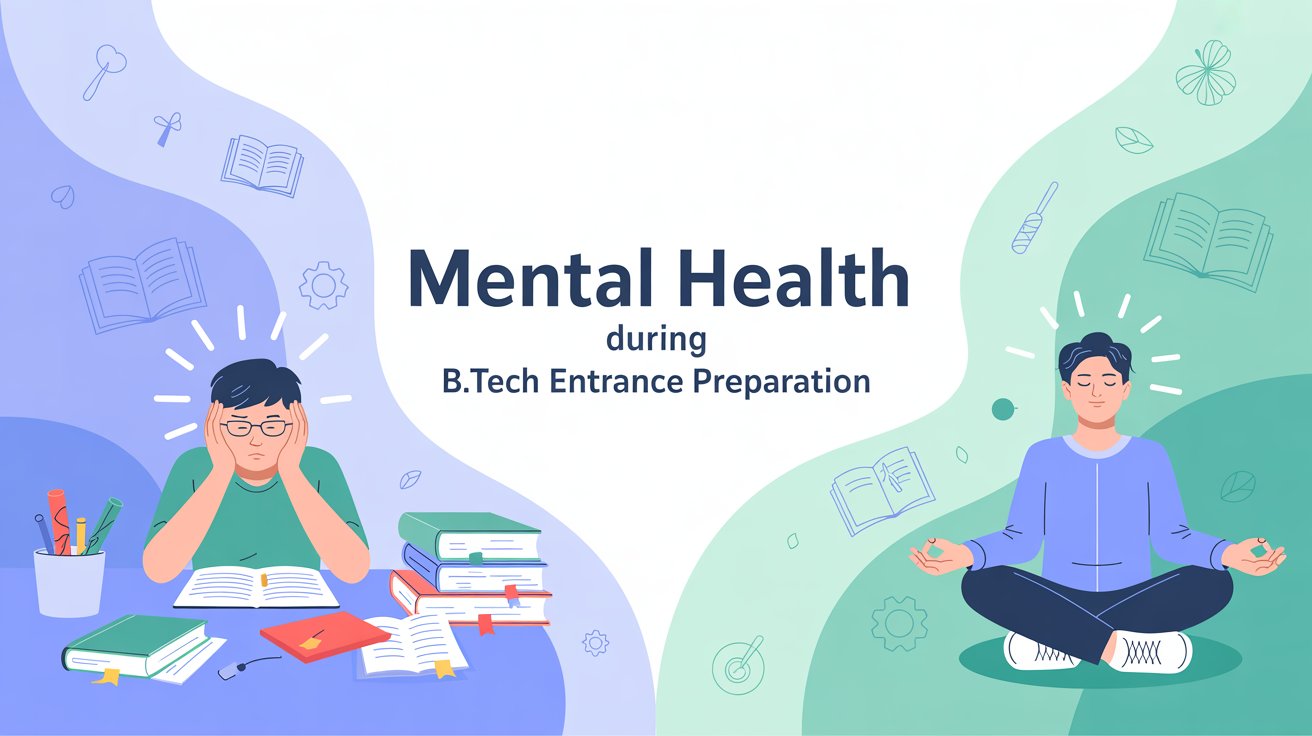
As you embark on the challenging journey of preparing for B.Tech entrance exams, it’s crucial to prioritise not only your academic performance but also your mental well-being. The intense pressure and demanding nature of these exams can take a toll on your emotional health, ultimately affecting your ability to perform at your best. By recognising the significance of mental health during this critical phase, you can develop effective strategies to manage stress, maintain focus, and excel in your mock tests.
At Amrita University, we understand the immense importance of nurturing a healthy mind alongside academic excellence. Our holistic approach to education emphasises the development of well-rounded individuals who are equipped to handle the rigours of both their studies and personal lives. By prioritising your mental health during exam preparation, you can build the resilience and determination needed to overcome challenges and achieve your goals.
In this article, we will explore the key reasons why mental health is paramount during B.Tech entrance exam preparation and provide practical tips to help you maintain a balanced and positive mindset throughout your journey.
A healthy mental state directly influences your cognitive abilities, including concentration, memory retention, and problem-solving skills. When you’re overwhelmed by stress and anxiety, your ability to focus on your studies and absorb information can be severely compromised. By prioritising your mental well-being, you can enhance your cognitive function, allowing you to grasp complex concepts more effectively and perform better in mock tests.
Maintaining a positive mental outlook is essential for staying motivated and engaged in your exam preparation. When you’re mentally drained or experiencing burnout, it becomes increasingly difficult to find the drive and enthusiasm needed to study consistently. By taking proactive steps to manage stress and cultivate a healthy mindset, you can sustain your motivation levels and approach your studies with renewed energy and determination.
Preparing for the exam is an inherently challenging process that requires resilience and adaptability. You may encounter setbacks, such as disappointing mock test results or difficult topics that seem insurmountable. A strong mental foundation allows you to bounce back from these challenges, learn from your mistakes, and adapt your study strategies accordingly. By nurturing your mental health, you can develop the emotional resilience needed to persevere through tough times and maintain a growth mindset.
One of the primary sources of stress during B.Tech entrance exam preparation is the immense pressure to perform well. The competition for coveted seats in top engineering colleges is fierce, and the weight of expectations from yourself, family, and peers can be overwhelming. It’s essential to manage this pressure by setting realistic goals, focusing on personal growth, and maintaining a balanced perspective.
The fear of not meeting your own or others’ expectations can be a significant source of anxiety during exam preparation. The uncertainty of the future and the potential consequences of not securing a desired college seat can further exacerbate this fear. To combat this, it’s crucial to reframe failure as an opportunity for learning and growth. Embrace the idea that setbacks are a natural part of the journey and that your self-worth is not solely defined by your exam results.
The vast syllabus covered in B.Tech entrance exams, spanning subjects like Physics, Chemistry, and Mathematics, can be daunting. Managing your time effectively to cover all the topics thoroughly while also dedicating sufficient time for revision and mock tests can be a significant challenge. Developing a well-structured study plan, breaking down the syllabus into manageable chunks, and allocating dedicated time for each subject can help alleviate the stress associated with the extensive curriculum.
Incorporating mindfulness and relaxation techniques into your daily routine can significantly reduce stress levels and promote mental clarity. Practices such as meditation, deep breathing exercises, and progressive muscle relaxation can help you stay grounded in the present moment, manage anxiety, and cultivate a sense of inner calm. Dedicating even a few minutes each day to these techniques can have a profound impact on your overall well-being.
Engaging in regular physical exercise is a powerful tool for managing stress and boosting mental health. Exercise releases endorphins, the body’s natural mood elevators, which can help reduce anxiety, improve sleep quality, and enhance cognitive function. Whether it’s a brisk walk, a yoga session, or a game of sports, incorporating physical activity into your daily routine can provide a much-needed break from studying and help you maintain a balanced lifestyle.
Making healthy lifestyle choices is crucial for supporting your mental well-being during exam preparation. Ensure that you are getting sufficient sleep each night, as sleep deprivation can impair cognitive function and increase stress levels. Maintain a balanced and nutritious diet, rich in fruits, vegetables, whole grains, and lean proteins, to fuel your brain and body optimally. Avoid excessive caffeine and sugary snacks, which can lead to energy crashes and mood fluctuations.
Preparing for B.Tech entrance exams can be an isolating experience, but it’s essential to remember that you are not alone. Seek emotional support from trusted friends, family members, or mentors who can offer encouragement, lend a listening ear, and provide a fresh perspective. Talking about your concerns and challenges can help alleviate stress and provide a sense of connection and support. If you find yourself struggling with persistent anxiety or depression, don’t hesitate to reach out to a mental health professional for guidance.
Setting realistic goals and practicing self-compassion are key to maintaining a healthy mindset during exam preparation. Break down your larger goals into smaller, achievable milestones, and celebrate your progress along the way. Recognise that setbacks and challenges are a normal part of the learning process, and be kind to yourself when faced with difficulties. Avoid comparing yourself to others and focus on your own growth and improvement. Remember that your self-worth is not defined by your exam results, and that your mental health should always be a top priority.
At Amrita University, we recognise the critical role that mental health plays in the academic success and overall well-being of our students. Our holistic approach to education emphasises the importance of nurturing a healthy mind alongside academic excellence. We provide a supportive and inclusive environment that fosters personal growth, resilience, and emotional well-being.
Our faculty members are dedicated to guiding students through the challenges of exam preparation, offering personalised support and mentorship. We also offer a range of resources and programs designed to promote mental health, including counselling services, stress management workshops, and mindfulness sessions. By prioritising the mental well-being of our students, we aim to empower them to achieve their full potential, both academically and personally.
As you navigate the demanding journey of B.Tech entrance exam preparation, remember that prioritising your mental health is just as crucial as your academic efforts. By developing effective strategies to manage stress, maintain focus, and cultivate a positive mindset, you can enhance your performance in mock tests and increase your chances of success in the actual exams.
Embrace the importance of self-care, seek support when needed, and remember that your mental well-being is the foundation upon which your academic achievements are built. By nurturing a healthy mind and body, you can approach the challenges of exam preparation with resilience, determination, and a growth mindset.
At Amrita University, we are committed to supporting you in your pursuit of academic excellence while prioritising your mental well-being. Our holistic approach to education ensures that you receive the guidance, resources, and support needed to thrive both academically and personally. Together, we can create a positive and empowering environment that fosters success and well-being.


