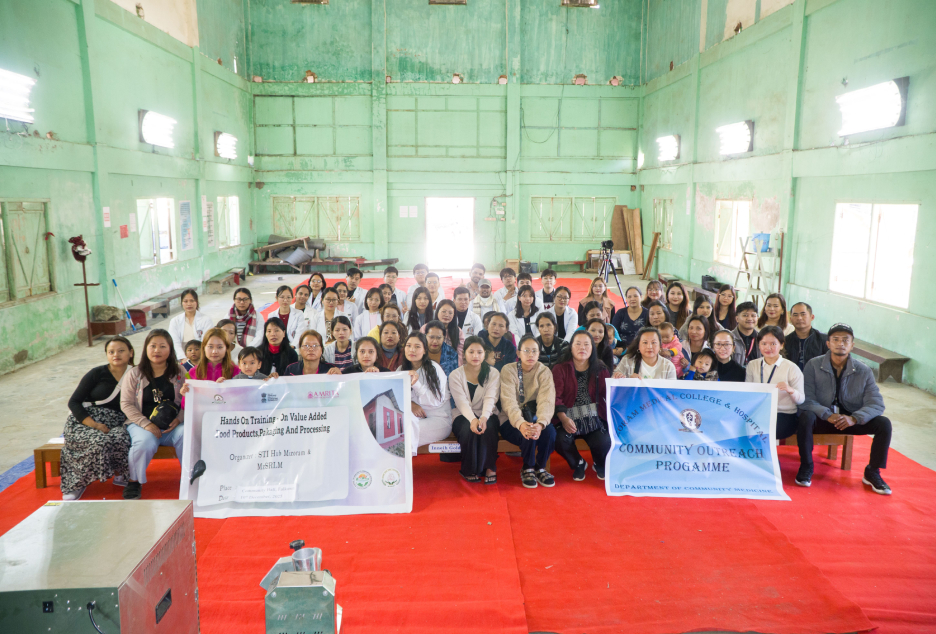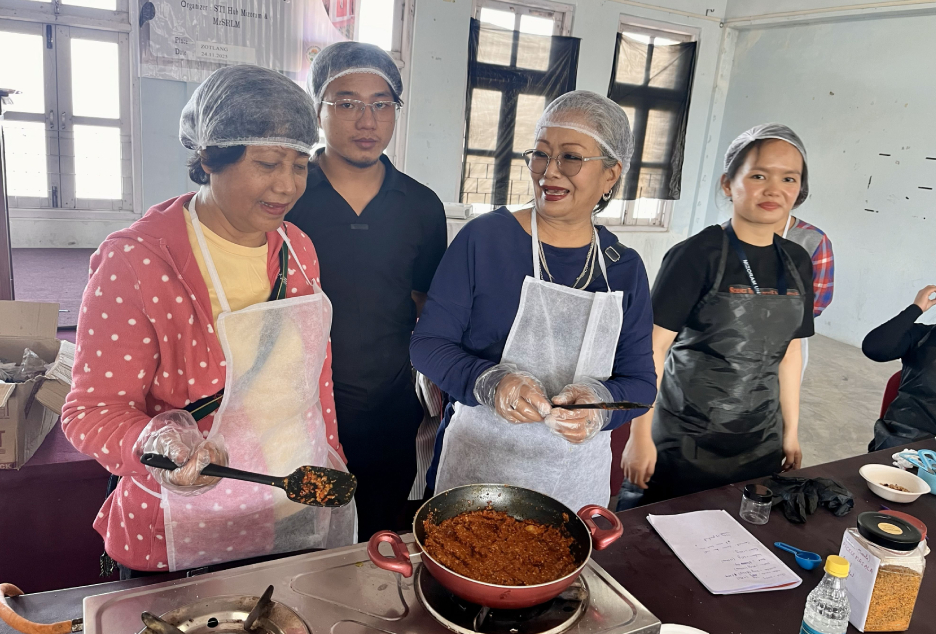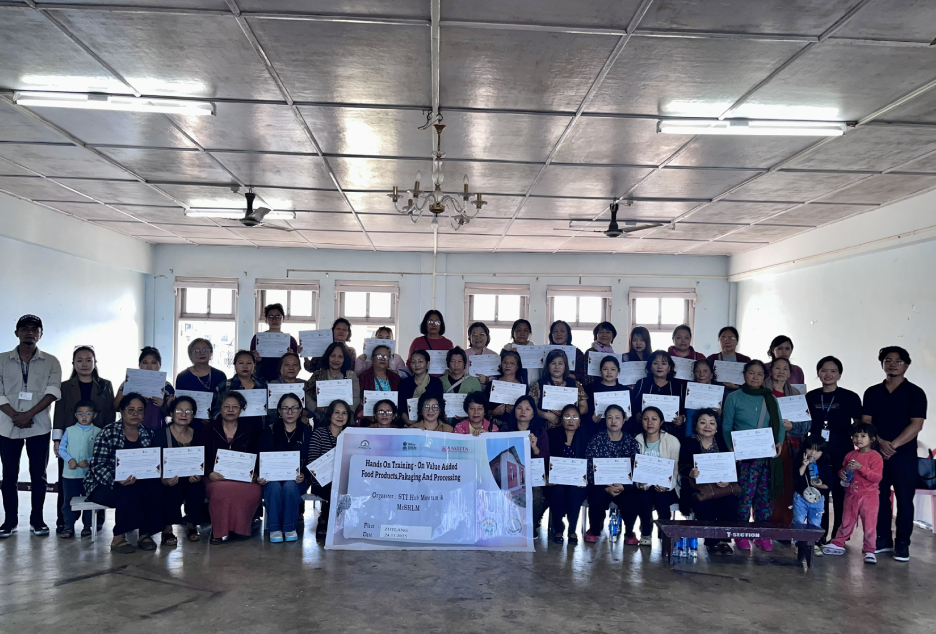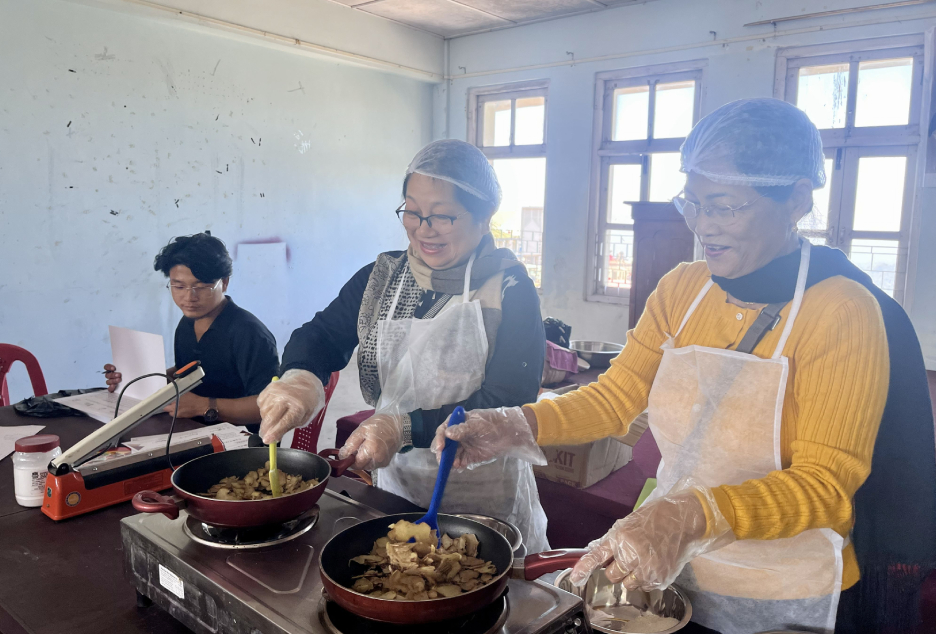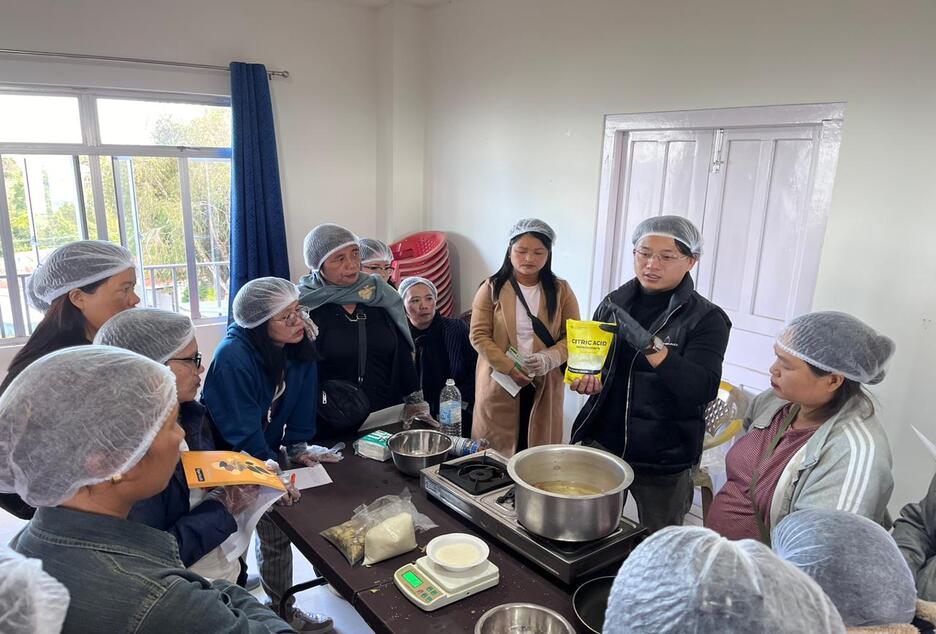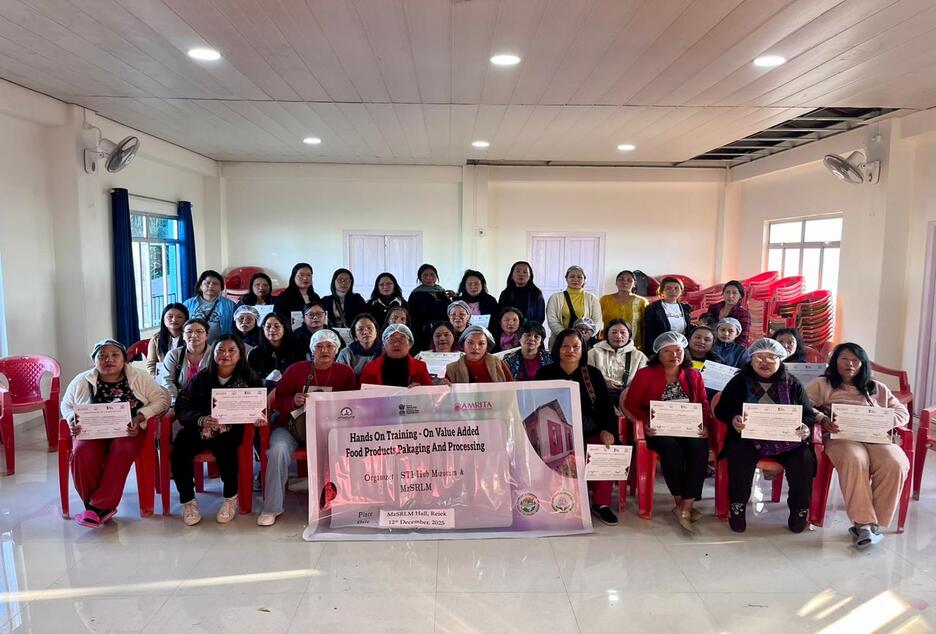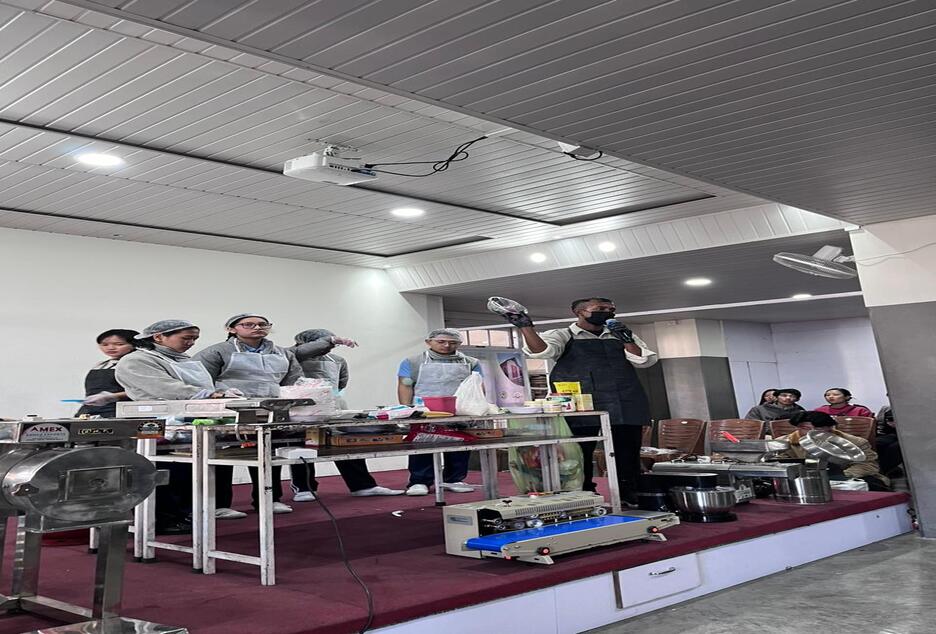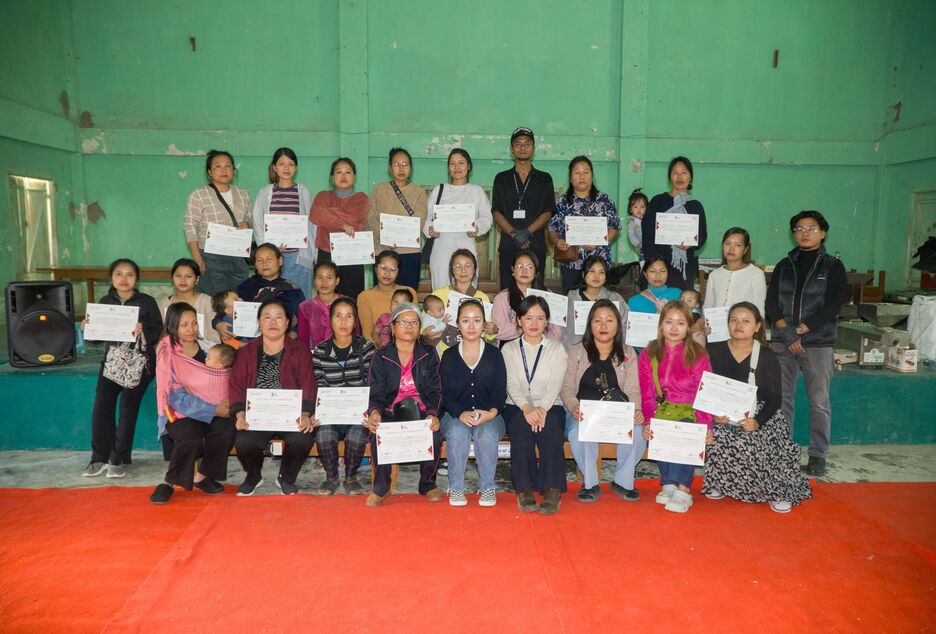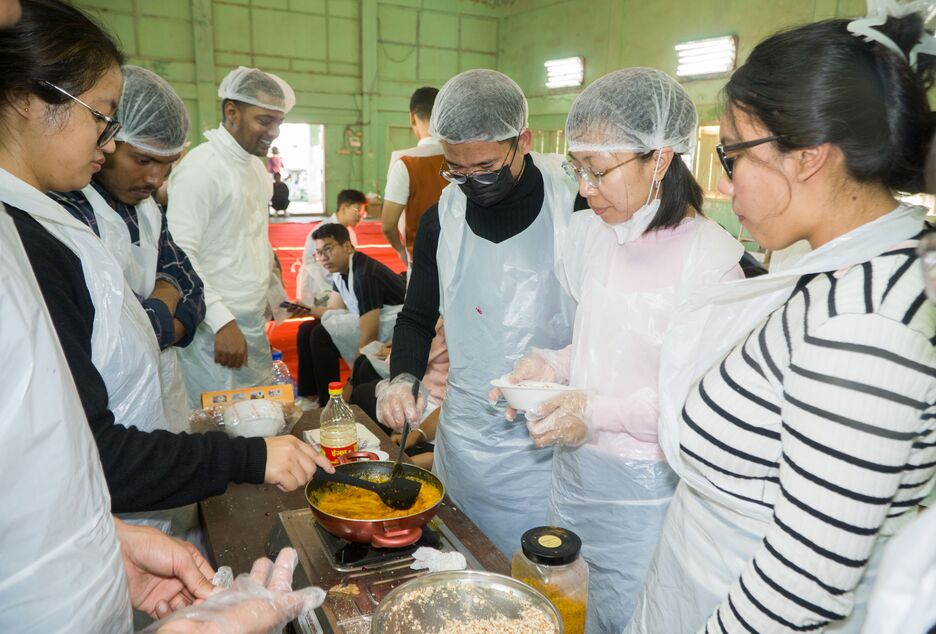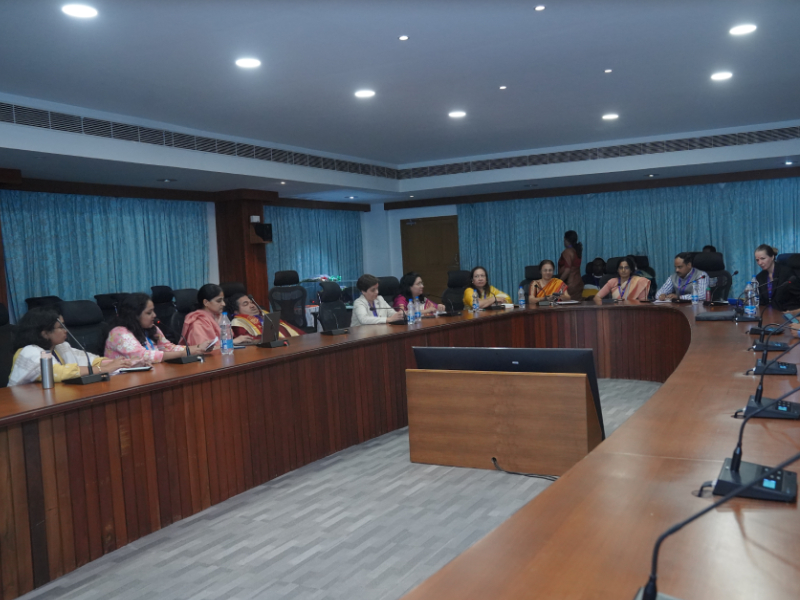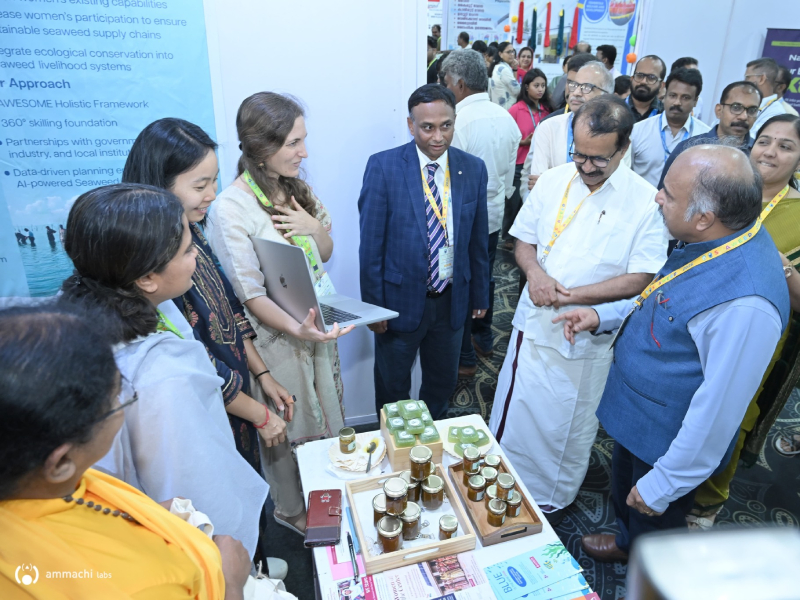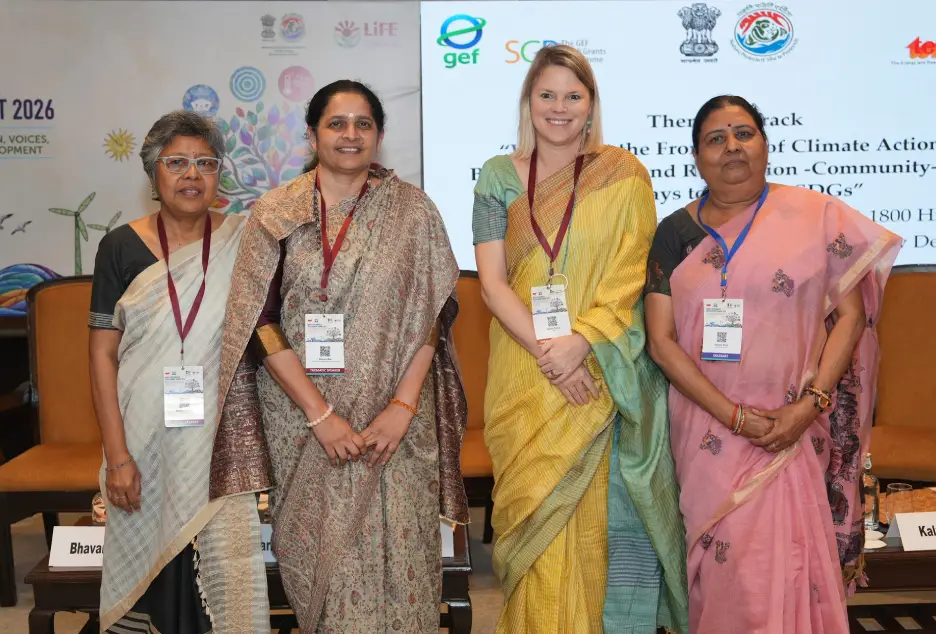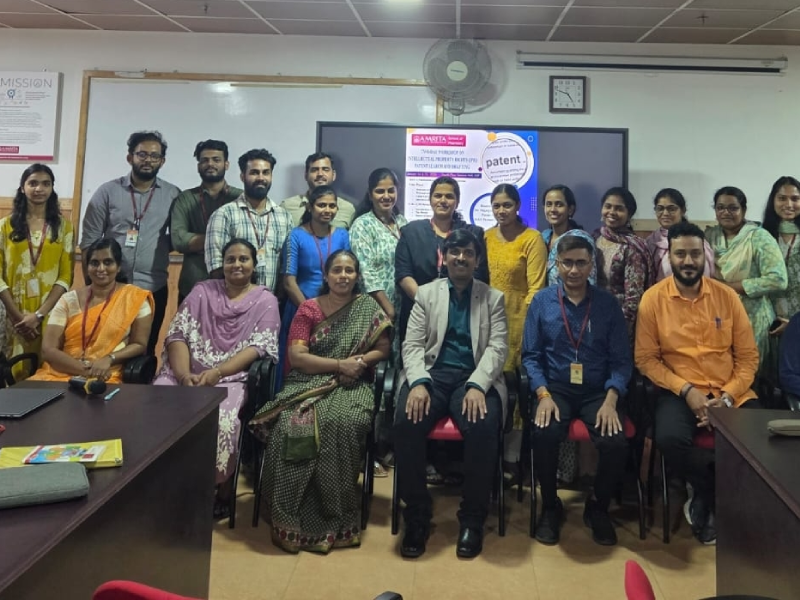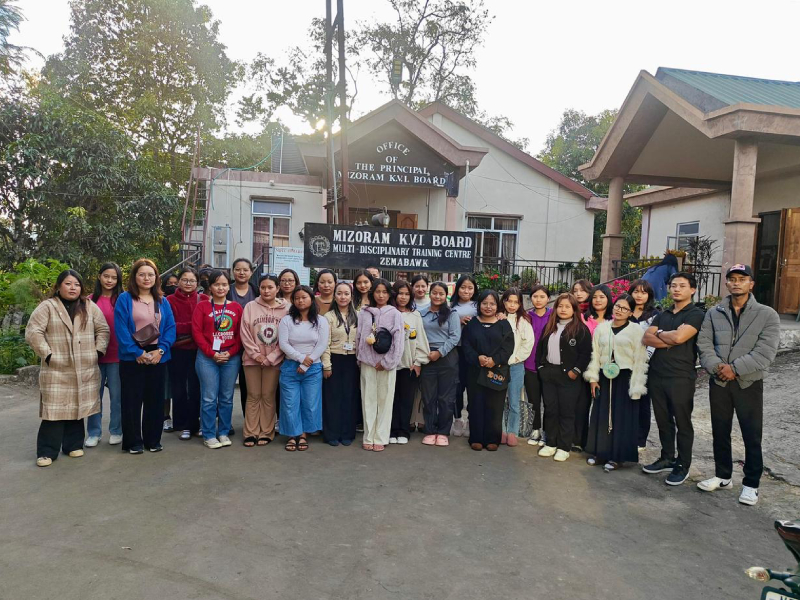
The STI – ITLIVES project has been conducting hands-on trainings on developing Value Added Food Products (VAFPs) at multiple locations in Aizawl. These trainings are aimed to enhance livelihoods of beneficiaries by training them in preparing nutritious, affordable, and locally appropriate food products. The participants learn by doing, rather than through demonstration alone.
In the past one year, the STI Hub has conducted 11 such trainings, cumulatively benefitting 609 participants from the ST community. These trainings were conducted at various places like community halls, STI Hub building and training cum seminar halls.The Food & Nutrition team demonstrated remarkable agility in adapting to the different circumstances and batch sizes for each training event. The participants of these programs have been almost exclusively women, either as SHG members, or as housewives or as institutional trainees. These trainings have helped demonstrate to the women how locally available resources can be effectively used to improve dietary diversity and nutritional intake within their families and communities, while also serving as an additional source of income for them.
Such a wide diversity of trainings was made possible due to the collaborations that the STI Hub undertook with various state-level institutions precisely for this objective. The institutions are –
Each training focused on simple, low-cost VAFP formulations that can be prepared using easily available raw materials and basic kitchen equipment. Emphasis was placed on products that require minimal processing time, have good nutritional value, and are suitable for preparation at the household or community level. The sessions covered step-by-step preparation methods, hygiene and safety practices, basic quality control measures, and appropriate storage and packaging techniques. The participants were actively involved throughout the process, thus building their confidence in preparing the products on their own. In addition to the practical component, the trainings also included brief discussions on the basics of food processing and the nutritional importance of the products. The participants praised the simplicity of the VAFP recipes and the hands-on component of the training.
Overall, the VAFP training programmes have served as a scalable and replicable model for community-level nutrition capacity building. The experiences gained from conducting these trainings at various locations continue to inform refinements in training design, content, and delivery for future programmes. The team is planning to conduct 3 more trainings in this new year.