Back close

Development Studies 

School of Social and
Behavioural Sciences

Vision and Mission

Development Studies: Developing innovative, evidence-based solutions to transform implementation efforts that promote sustainable development among India’s unique communities. Researchers explore these areas through: empirical studies, data analysis, modeling, and simulation techniques to assess the environmental, social, and economic impacts of different strategies and interventions. Key areas of investigation within the sustainable development research track include: Gender-based inequality Renewable energy systems Sustainable agriculture Circular economy Eco-innovation Climate change mitigation and adaptation Biodiversity conservation Sustainable urban planning Social equity  

Our vision is to pioneer innovative research methodologies and solutions that foster sustainable community development, empowering diverse populations in India. 

Mission: Advance Research Excellence: Conduct multidisciplinary studies, harnessing cutting-edge technologies and methodologies to address complex societal challenges.

Collaborative Engagement: Forge partnerships with local communities, stakeholders, and global entities to co-create impactful solutions, ensuring inclusivity and cultural sensitivity. Knowledge Dissemination: Disseminate research findings through accessible channels, empowering communities with actionable insights and tools to drive positive change. Capacity Building: Empower local leaders and organizations by providing training, resources, and support, fostering self-sufficiency and resilience. Ethical and Sustainable Practices: Uphold ethical standards and promote sustainable practices in all research endeavors, prioritizing long-term community well-being. 

Thematic Areas

Women’s Empowerment & Skill Development

Sustainable Livelihood & Community Resilience

Sustainable Livelihood: Skills, Policy, Governance, Social Change

Skill Development & Migration

Sustainability & Resilient Communities

TEAM Members

Dr. Christopher Coley
TAG Lead
Social Sciences Research Lead, Amrita Institute for Advanced Research, Chicago, USA
Assistant Professor
School of Social and Behavioural Sciences
Research interests: Anti-Poverty Interventions; Women’s Empowerment; Environmental Ethics; Vulnerability and Risk; Communities of Practice; Computerized Vocational Education and Training; Life Enrichment Education
christopher@am.amrita.edu
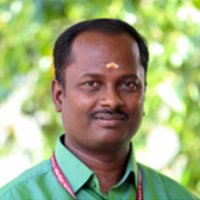
Dr. Kanagaraj Saminathan
TAG Co-Lead
Assistant Professor
Research Interests: Disability Issues, Disaster Management, GIS & Rural Development, Social Welfare Policy, Sustainable Rural Development, Women Empowerment, Youth Development
s_kangaraj@cb.amrita.edu

⁠Kripa Gressel
Research Associate
Research Interests: Gender Studies, Personal and Social Values, Sustainable Development and Gender
kripag@am.amrita.edu
Dr. Srividya Sheshadri
Associate Director, Center for Women’s Empowerment and Gender Equality
Research Interests: Implementation Science for Community Development, Education, and Empowerment; Vocational Education and Life Skills Training; Exploring Applications of Social Data Science
srividyasheshadri@am.amrita.edu
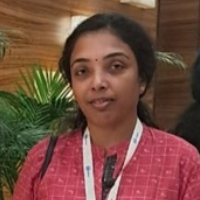
Aswathi P.
Research Associate
Research Interests: Data Strategies and Tools; Computational Social Science; Data Value Chains; Knowledge Systems; Data Science; Machine Learning
aswathip@am.amrita.edu
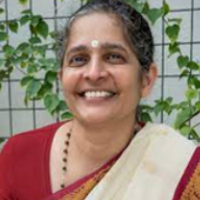
⁠Dr. Bhavani R. Rao
Dean
School of Social and Behavioural Sciences
Director of AMMACHI Labs and the Center for Women’s Empowerment and Gender Equality
Research Interests: Women’s Empowerment and Gender Equality; Learning Technologies; Vocational and Educational Training; AI and Robotics for Social Good; Disaster Risk Management
bhavani@am.amrita.edu
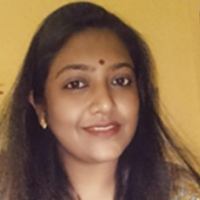
Dr. Sonali Pattnaik
Post Doc
Research Interests: Women’s Empowerment and Skill Development, Implementation Science for Community Development, Sustainable Development
sonalip@am.amrita.edu
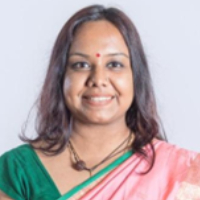
Radhika Mohan
Research Associate
Research Interests: Resilience in Women, Family Well-Being, Safety and Security
radhikamohan@am.amrita.edu
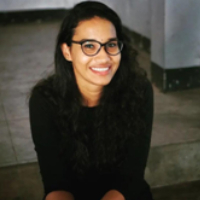
⁠Bhanu V. R.
Research Associate
Research Interests:
Community Development Implementation Sciences, Data Science, Mental and Community Health, Self-Help Groups
bhanuvr@am.amrita.edu
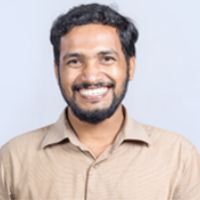
Nisanth M.
Faculty Associate
Research Interests: Child Rights & Child Development, Labour Issues, Urban Community Development
nisanthm@am.amrita.edu

Dr. Vivek Subramoniam
Lecturer
Research Interests: Social Work, Spirituality, Urban Studies & Habitat Studies
viveks@am.amrita.edu
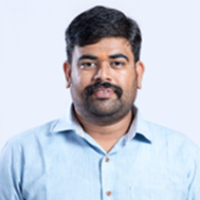
⁠T. Sathishkumar
Lecturer at the Department of Social Work
Coimbatore
Research Interests: Climate Change, Community Development, Corporate Social Responsibility, NGO Management, Rural and Urban Programmes, Social Welfare
t_sathishkumar@cb.amrita.edu
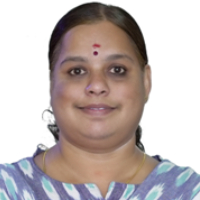
Dr. Yamuna N. K.
Assistant Professor
Research Interests: Education, Skill Development, Rural Development, Self-Help Groups
yamunank@am.amrita.edu
Dr. Nimita Pandey
Assistant Professor
Social Data Science & Policy Dept, SSBS, Faridabad
Research Interests: Innovation Studies; Science & Technology Policy, Emerging Technologies & Sustainable Development; Feminist Science
nimitapandey@dl.amrita.edu

Dr. Drishti Marwaha
Postdoctoral Researcher, Center for Women’s Empowerment and Gender Equality, Amrita Vishwa Vidyapeetham.
Research Interests: Women’s empowerment, women and healthcare, health economics, gender economics
drishti.marwaha@ammachilabs.org

Shambhavi Susan Witt, MSW.
Senior Counsultant, Center for Women’s Empowerment and Gender Equality, School of Social and Behavioural Science, Amrita Vishwa Vidyapeetham
Research Interests: Social Work Administration Policy and Planning; Community Organizing; Gerontology; Self-determination and advocacy; Volunteerism and Volunteer Administration; Women’s Empowerment and Gender Equality; Sustainable Livelihoods; Spirituality and Quality of Life.
shambavi.susan@ammachilabs.org

The Development Studies TAG is committed to exploring the intersection between national sustainable development objectives and pervasive social inequalities that impact the most vulnerable populations. While the focus is on the Indian and Global South context, there are universal applications. Further, as with all Amrita initiatives, the TAG researchers and associated Amrita departments will explore these commitments within dedicated projects and initiatives, whether as part of Amrita’s ongoing work in the Village Adoption projects, disaster relief work, or the ever-expanding M.A. Math humanitarian works. With this as the frame, the following research questions are proposed to guide the TAG:

Research Questions:
Impact Assessment of WADI:

The WADI project has helped to strengthen sustainable rural community income generation via agri-horti-forestry using the latest technologies.

SDG Contributions: The project actively contributes to SDG 1, 2, 5, 6, 13, and 15. The primary contribution is to SDG 6- Safe Water and Sanitation and SDG 13- Climate action: via mass afforestation, sustainable agri-business, and addressing human-animal coexistence. 

Impact Assessment of WISE

The WISE project advances women’s empowerment by improving water quality, fostering community engagement, and promoting sustainable development.

SDG Contributions: SDG 5; SDG 6: Ensuring universal access to safe drinking water.

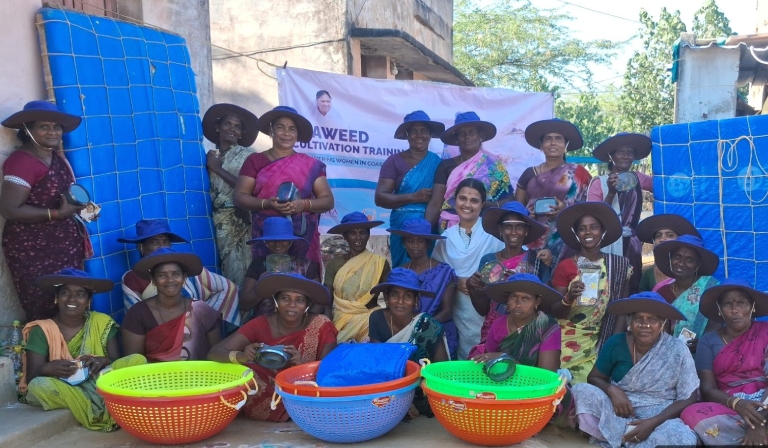
Impact Assessment of the Seaweed Project

The SEAWEED project empowers women and women’s groups through Amrita’s integrated vocational training approach focused on the blue economy and seaweed harvesting/processing. 

SDG Contributions: SDG 5 (Gender Equlity), 8 (Decent Work), 14 (Life Below Water).
Funded Projects

Publications 2022 – 2025

  • Sheshadri, S., Radhakrishnan, U., Padmavilochanan, A., Coley, C., & Bhavani, R. R. (2025, January 16–19). Generative AI for analyzing participatory rural appraisal data: An exploratory case study in gender research [Conference presentation]. International Conference on Gender and Technology, Amritapuri, India. 
  • Gomez, M. B., Coley, C. L., Arlikatti, S., & Sahib, P. R. (2025, January 16–19). Examining the digital gender divide: A case study of teachers and students in a rural village, North India [Conference presentation]. International Conference on Gender and Technology, Amritapuri, India. 
  • Gressel, C. M., & Anil, A. (2025, January 16–19). The future of gender data: Navigating ethical frontiers in the age of AI and big data [Conference presentation]. International Conference on Gender and Technology, Amritapuri, India. 
  • Mbye, F., Badjie, O., Coley, C. L., & Simmons, W. P. (2025, January 16–19). A systematic literature review on digital activism: Empowering women through technology in developing countries [Conference presentation]. International Conference on Gender and Technology, Amritapuri, India. 
  • Yeboah, G., Pandey, P., Gomez, M. B., & Coley, C. (2025, January 16–19). Exploring gender influences on perceptions of sustainable development education among future educators in Ghana [Conference presentation]. International Conference on Gender and Technology, Amritapuri, India. 
  • Yeboah, G., Pandey, P., Gomez, M. B., & Coley, C. (2025, January 16–19). Gender inclusivity in technology-enhanced teacher education in Ghana [Conference presentation]. International Conference on Gender and Technology, Amritapuri, India. 
  • Saminathan, K., & Rosily, S. (2025, January 16–19). Gendered impacts of internet addiction on self-esteem and social anxiety: Exploring cultural shifts in education through technology [Conference presentation]. International Conference on Gender and Technology, Amritapuri, India. 
  • Saminathan, K., & Sandra, K. J. (2025, January 16–19). A comparative study on gender influence on frustration levels of secondary school students in a technologically evolving educational landscape [Conference presentation]. International Conference on Gender and Technology, Amritapuri, India. 
  • Namika, S., & Yamuna, N. K. (2025, January 16–19). Enhancing independence: Smart home technologies for elderly women living alone [Conference presentation]. International Conference on Gender and Technology, Amritapuri, India. 
  • Mahesh, A. R., Yamuna, N. K., Beegum, A., & Midhula, S. M. (2025, January 16–19). Usage of digital banking among elderly women [Conference presentation]. International Conference on Gender and Technology, Amritapuri, India. 
  • Pillai, N. M., Sivaprasad, N., & Yamuna, N. K. (2025, January 16–19). From disparity to parity: A study on digital divide in remote rural education in India [Conference presentation]. International Conference on Gender and Technology, Amritapuri, India. 
  • Pillai, N. M., Nambisan, V. G., Janardhanan, H., Shaji, S., & Saju, S. (2025, January 16–19). Empowering marginalized youth: A study on digital literacy and digital divide in rural villages of Idukki, India [Conference presentation]. International Conference on Gender and Technology, Amritapuri, India. 
  • Bhanu, V. R., Marwaha, D., Nayar, N., Nandha, S., & Philip, A. (2025, January 16–19). Development of a life enrichment education curriculum for rural women in India [Poster presentation]. International Conference on Gender and Technology, Amritapuri, India. 
  • Bhanu, V. R., Nayar, N., Ramesh, R., Padmavilochan, A., Natarajan, A., & Sheshadri, S. (2025, January 16–19). Blended learning for women’s business development in rural India: Enhancing technology adoption and bridging the gender digital divide [Conference presentation]. International Conference on Gender and Technology, Amritapuri, India. 
  • Marwaha, D., Bhanu, V. R., Sayujya, R. S., & Nair, S. (2025, January 16–19). Development of a digital literacy curriculum for rural women in India [Poster presentation]. International Conference on Gender and Technology, Amritapuri, India. 
  • Sithara, G. S., Ramesh, R., Bhanu, V. R., Nayar, N., & Sheshadri, S. (2025, January 16–19). Inclusive learning model for technology-enhanced vocational education through culturally responsive pedagogy [Conference presentation]. International Conference on Gender and Technology, Amritapuri, India. 
  • Nedumaran, S. P., Padmavilochanan, A., & Bakiras, S. (2025, January 16–19). Empowering social interventions: An adaptive monitoring solution with integrated NLP analytics [Conference presentation]. International Conference on Gender and Technology, Amritapuri, India. 
  • Ustenko, V., Ryf, B. E., Subramonian, V., & Rao, B. R. (2024, December 13–15). Building resilience in the face of natural disasters: The impact of AmritaSREE self-help groups on psychosocial well-being in Kerala, India [Conference presentation]. International Conference on Tsunami Risk Reduction and Resilience, Amritapuri, India. 
  • Anitha, P., Shekar, L., Bhanu, V. R., Nayar, N., Menon, B. M., Padmavilochanan, A., & Sheshadri, S. (2023, November 24-26). ICT based reporting and monitoring for TVET: Effective adoption strategies [Conference presentation]. In 2023 IEEE Tenth International Conference on Technology for Education (T4E), Bombay, India. 
  • Bhanu, V. R., Nayar, N., Natarajan, A., Ramesh, R., Padmavilochanan, A., & Sheshadri, S. (2023, November 24-26). Blended learning for women’s business development in rural India: Enhancing technology adoption and bridging the gender digital divide [Conference presentation]. In 2023 IEEE Tenth International Conference on Technology for Education (T4E), Bombay, India. 
  • Sithara, G. S., Bhanu, V. R., Nayar, N., & Sheshadri, S. (2023, November 24-26). Inclusive learning model for technology-enhanced vocational education through culturally responsive pedagogy [Conference presentation]. In 2023 IEEE Tenth International Conference on Technology for Education (T4E), Bombay, India. 
  • Twist, R., von Lieres, J. S., Anil, S. S., Arya, M. V., Krishna, G. S., & Bhavani, R. R. (2024, October). Enabling socio-ecological linkages for rural river restoration through human-nature connection. In 2024 IEEE Global Humanitarian Technology Conference (GHTC) (pp. 348-355). IEEE. https://doi.org/10.1109/GHTC62424.2024.10771542
  • Mukil, M. V., Pruthvi, M. N., Rao, B. R., Gopan, J., & Rashed, T. (2024, September). Design for sustainability: Exploring cultural attributes in an Indian village for nature connectedness—A grounded theory approach. In 2024 IEEE International Symposium on Technology and Society (ISTAS) (pp. 1-8). IEEE. https://doi.org/10.1109/ISTAS61960.2024.10732817 
  • Mukil, M. V., Gopan, J., Rao, B. R., Pruthvi, M. N., & Rashed, T. (2024, September). Design for sustainable behavior: Exploring cultural attributes fostering self-control in an Indian village—A grounded theory approach. In 2024 IEEE International Symposium on Technology and Society (ISTAS), pp. 1-7. IEEE. https://doi.org/10.1109/ISTAS61960.2024.10732072 
  • Raj, A., Valsala, P., & Unnikrishanan, R. (2024, March). Technological and sociocultural barriers to e-sanjeevani as a parallel means of health care: A narrative review. In 2024 5th International Conference on Innovative Trends in Information Technology (ICITIIT) (pp. 1-4). IEEE. https://doi.org/10.1109/ICITIIT61487.2024.10580209
  • Twist, R., von Lieres, J. S., Rao, B. R., & Koshy, A. J. (2023, October). Vetiver grass technology: A new perspective for river restoration and women’s empowerment in river communities of rural India. In 2023 IEEE Global Humanitarian Technology Conference (GHTC) (pp. 188-192). IEEE. https://doi.org/10.1109/GHTC56179.2023.10354932
  • Mukil, M. V., Prakash, S. J., Rashed, T., & Rao, B. R. (2023, October). Indian temple archetypes on human-nature connectedness: A study on the role of temple activities. In 2023 IEEE 11th Region 10 Humanitarian Technology Conference (R10-HTC) (pp. 490-493). IEEE. https://doi.org/10.1109/R10-HTC57504.2023.10461896
  • Mukil, M. V., Shine, A., Rashed, T., & Rao, B. R. (2023, October). Indian temple archetypes on value orientations: A study on the role of occupational categories. In 2023 IEEE 11th Region 10 Humanitarian Technology Conference (R10-HTC) (pp. 486-489). IEEE. https://doi.org/10.1109/R10-HTC57504.2023.10461768
  • Mukil, M. V., Athira, R., Rashed, T., & Rao, R. B. (2023). Sacred spaces enduring pro-environmental behavior: A case study from Kerala temple. In C. So-In, N. D. Londhe, N. Bhatt, & M. Kitsing (Eds.), Information Systems for Intelligent Systems. Smart Innovation, Systems and Technologies, Vol. 324 (pp. 495-508). Springer, Singapore. https://doi.org/10.1007/978-981-19-7447-2_44
  • Mukil, M. V., Bhavani, R. R., & Rashed, T. (2023, September). Biophilic designs, a reflection of Indian temple architecture. In Proceedings of the National Seminar on Historical Development of Indian Temple Architecture and Construction Styles (Vol. 1, pp. 132-144). Indian Council of Historical Research (ICHR), Amrita Darshanam, Amrita Vishwa Vidyapeetham, Bengaluru. 
  • Freire, I. T., Løvschal, M., Bollen, J., Carugati, F., Ndzenyuiy, M. N., Page, S. E., Rao, B. R., & Tylén, K. (2025). How do we collaborate?. In P. F. M. J. Verschure (Ed.), The nature and dynamics of collaboration (pp. 317-333). The MIT Press. https://doi.org/10.7551/mitpress/15533.003.0024 
  • McLain, M. L., Suresh, V., Sankaranarayanan, K., & Rao, B. R. (2025). Structure of collaboration in women’s self-help groups. In P. F. M. J. Verschure (Ed.), The nature and dynamics of collaboration (pp. 113-123). The MIT Press. https://doi.org/10.7551/mitpress/15533.003.0012 
  • Pandey, N., & Midha, N. (2024). Gender mainstreaming and the nexus. In Z. Adeel & B. Böer (eds), The water, energy, and food security nexus in Asia and the Pacific. Water security in a new world (pp. 141–155). Springer. https://doi.org/10.1007/978-3-031-29035-0_7 
  • Vivek S., & Suresh, V. (2024). Social group work practice in tribal communities. In A. Kaushik, R. R. Patil, B. M. Dash, & S. Prasad (Eds.), Areas of social work practice. An essential text for students of social work (pp. 271- 282). Bloomsbury. 
  • Kanagaraj, S. (2022). Concurrent fieldwork in macro practice: Cases from the South Indian context. In R. Baikady, S. M. Sajid, V. Nadesan, & M. R. Islam (Eds.), The Routledge handbook of social work field education in the Global South (1st ed., pp. 65-75). Routledge. https://doi.org/10.4324/9781003270119-7 
  • Suresh, V., Sreejith, S. S., Vivek, S., & Santha, S. D. (2024). Institutional bricolage and collective action: A case study of a farmers’ producer organisation in Tamil Nadu, South India. International Journal of Rural Management. https://doi.org/10.1177/09730052241301483  
  • Suresh, V., Vivek, S., & Sreejith, S. S. (2024). Assessing the long-term viability of farmers’ collectives in South India. Frontiers in Sociology, 9, 1415725. https://doi.org/10.3389/fsoc.2024.1415725 
  • Haidegger, T., Mai, V., Mörch, C. M., Boesl, D. O., Jacobs, A., Rao, B. R., Khamis, A., Lach, L., & Vanderborght, B. (2023). Robotics: Enabler and inhibitor of the sustainable development goals. Sustainable Production and Consumption, 43, 422-434. https://doi.org/10.1016/j.spc.2023.11.011  
  • Ajith, V., Fishman, R., Yosef, E., Edris, S., Ramesh, R., Suresh, R. A., Pras, A., Rahim, V., Rajendran, S., Yanko, M., Amit, A., Bhavani, R. R., Ramesh, M. V., & Mamane, H. (2023). An integrated methodology for assessment of drinking-water quality in low-income settings. Environmental Development, 100862. https://doi.org/10.1016/j.envdev.2023.100862 
  • Bonin, S., Rashed, T., Nair, R., Chaudhary, S., V.R., B., Natarajan, A., & Bhavani, R. (2024). A financial maturity model for the empowerment of women’s saving groups. World Development Perspectives, 34, 100573. https://doi.org/10.1016/j.wdp.2024.100573  
  • Vivek, S., & Rangasami, P. (2024). Impact of COVID-19 on the primary level teaching-learning process in rural India. Frontiers in Education 9, 1343754. https://doi.org/10.3389/feduc.2024.1343754 
  • Coley, C., Sheshadri, S. & Devanathan, S. (2023). Men’s experience of women’s empowerment and gender equality: A phenomenological study in Kerala, India. Global Social Welfare, 10, 105-115. https://doi.org/10.1007/s40609-022-00262-7 
  • Coley, C., Sheshadri, S., Devanathan, S., & Bhavani, R. R. (2023). Contextualizing women’s empowerment frameworks with an emphasis on social support: A study in rural, South India. Community, Work, & Family, 26(1), 1-20. https://doi.org/10.1080/13668803.2021.1879021 
  • Sheshadri, S., Coley, C., Devanathan, S., & Rao, R. B. (2023). Towards synergistic women’s empowerment-transformative learning framework for TVET in rural India. Journal of Vocational Education & Training, 75 (2), 255-277. https://doi.org/10.1080/13636820.2020.1834438 
  • Suresh, V., Fishman, R., von Lieres, J. S. and Rao, B. R. (2022). Impact of the COVID-19 lockdown on the economic situation and food security of rural households in India. Journal of Agribusiness in Developing and Emerging Economies. 12(3), 491-509. https://doi.org/10.1108/JADEE-07-2021-0177 
Admissions Apply Now