Project Description
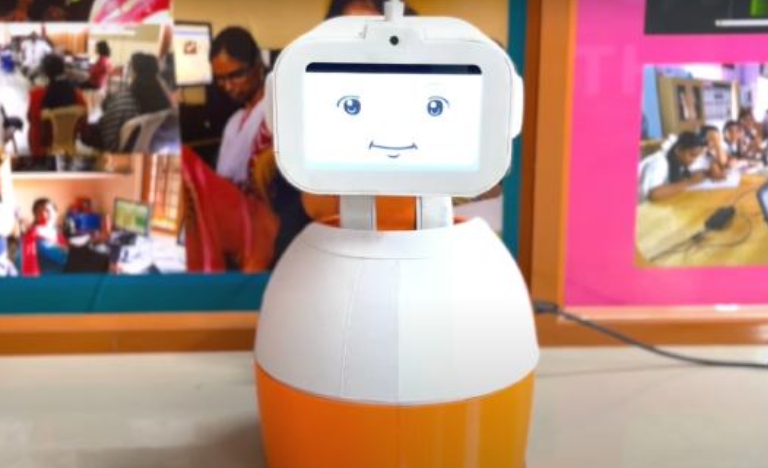
HaKsh-E is an AI-powered social robot developed to encourage children to practice proper hand hygiene. The project commenced with a co-design study involving 40 children from diverse socioeconomic backgrounds across India. These children created models of the robot using paper shapes, providing valuable insights into their perceptions and preferences. This participatory approach ensured that the robot’s design was both engaging and culturally appropriate.
Funded by: Amrita TBI under the NIDHI PRAYAS Program of the Department of Science and Technology, Govt. of India
Duration: Jan 2022 – Dec 2022 (12 months)
Amount: INR 10,00,000
Funding ID: ATBI – P0311
Key Features
- Design and Appearance: HaKsh-E features a child-friendly design with a 2 degrees of freedom head and an LCD screen-rendered face. Its gender-neutral, child-like voice enhances its approachability.
- Handwashing Action Recognition: Equipped with a Handwashing Action Recognition (HAR) system, HaKsh-E assesses the quality of handwashing based on WHO guidelines. It provides real-time feedback, correcting techniques when necessary and reinforcing positive behavior.
- Conversational Abilities: The robot can engage in dialogues about hand hygiene, educating children and encouraging consistent practice.
Deployment and Impact
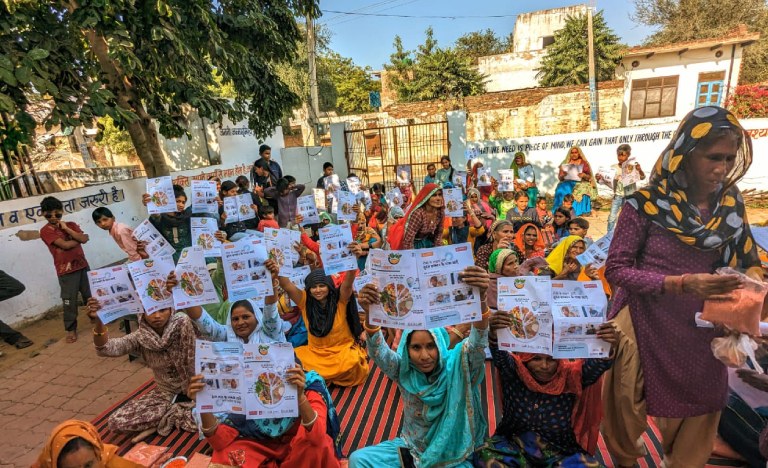
Following the successful development of the prototype, HaKsh-E has been deployed across various regions in India as part of the “Community Covid Resilience and Resource Centres” project. Notably, it has been implemented in Haryana and Odisha, where it has been instrumental in promoting hand hygiene among children. These deployments have demonstrated HaKsh-E’s effectiveness in fostering healthy habits and its potential for scalability in diverse settings.
Future Developments
Plans are underway to integrate affective computing capabilities into HaKsh-E, enabling it to detect and respond to children’s emotions. This enhancement aims to make interactions more engaging and supportive, further encouraging positive health behaviours.
References