Programs
- M. Tech. in Automotive Engineering -Postgraduate
- BBA (Honours) – Digital Marketing and Artificial Intelligence -Undergraduate
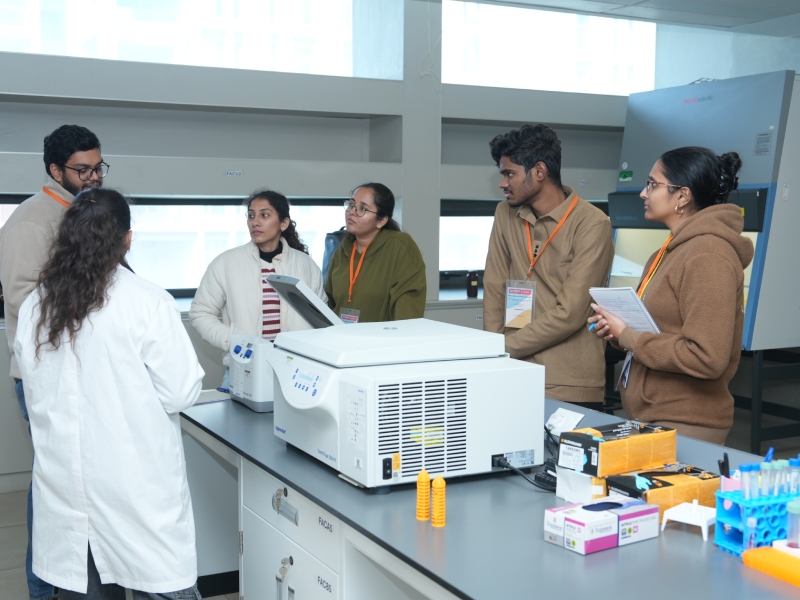
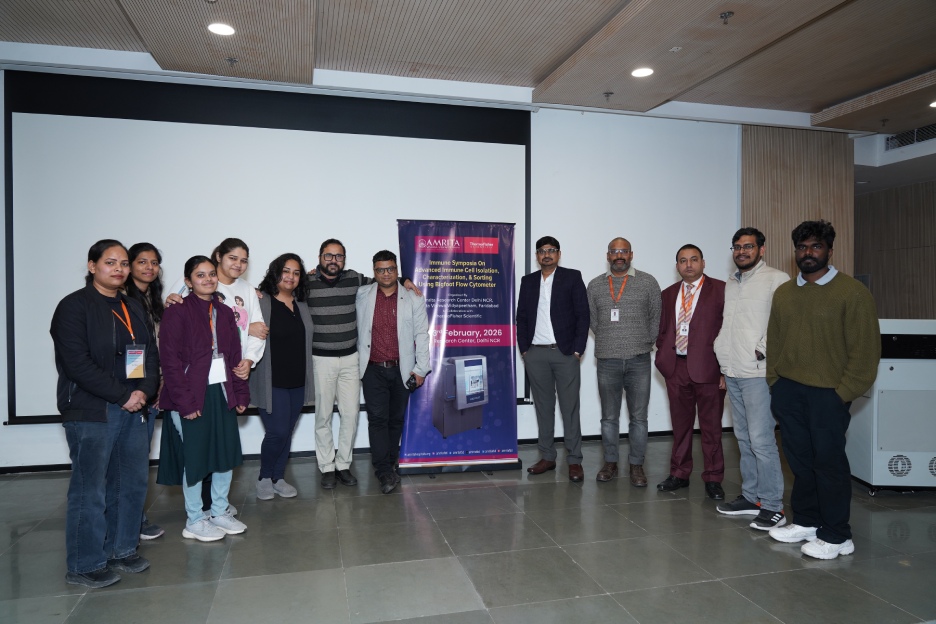
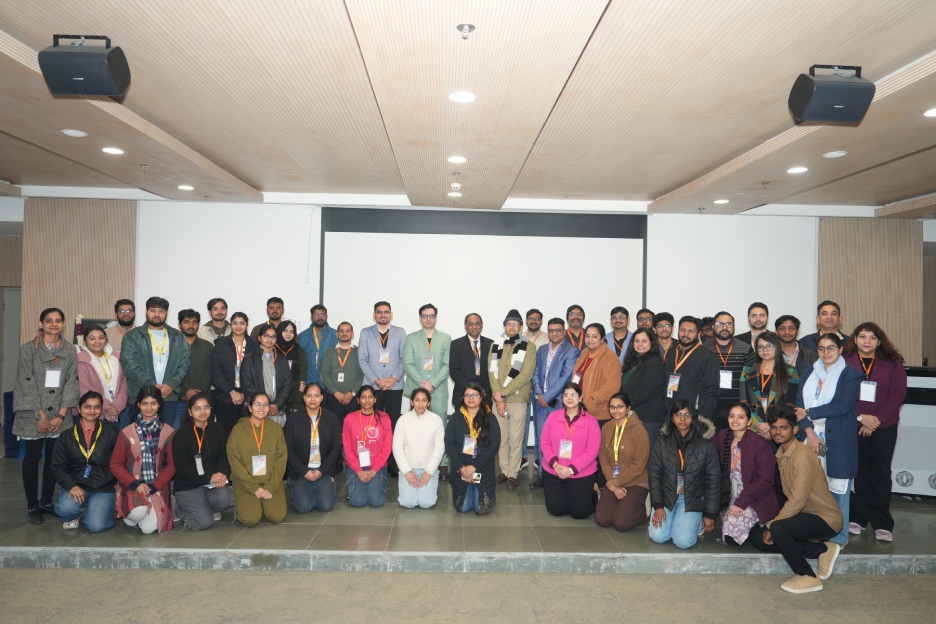
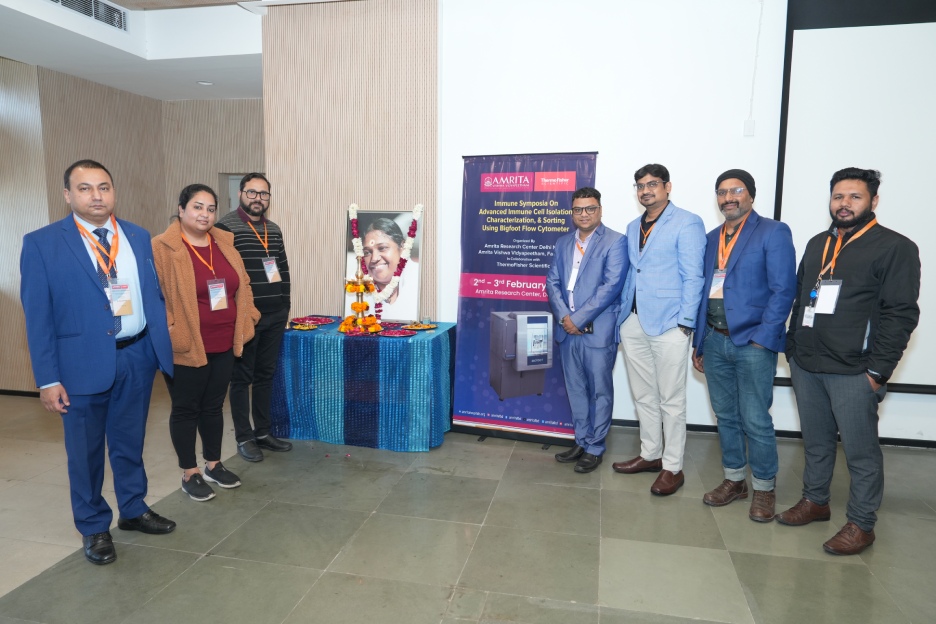
Amrita Research Center Delhi NCR, in association with Thermo Fisher Scientific, organized a two-day Immune Symposia: “Advanced Immune Cell Isolation, Characterization, and Sorting Using Bigfoot Flow Cytometer,”. The general aim of the workshop is to discuss advanced flow cytometric techniques for the latest applications in translational immunology.
It invites clinical and basic researchers, and experts from diverse fields for interactive discussions and presentations based on recent advances in flow cytometry for immune cell isolation, characterization, and sorting.
Under the patronage of Prof. Shantikumar V. Nair, Associate Provost, Head and Dean, Amrita Research Center, Faridabad, and Prof. Amit Kumar Dinda, Research Director, the function was orchestrated by Organizing Secretary, Dr. Ashish Kumar Vyas, along with his team of Interdisciplinary Faculty and Researchers.
The conference was consistent with vision of making connections between scientific inventions in immunology and practical clinical applications, which included training participants in using modern technologies such as the Bigfoot Flow Cytometer for immune cell sorting.
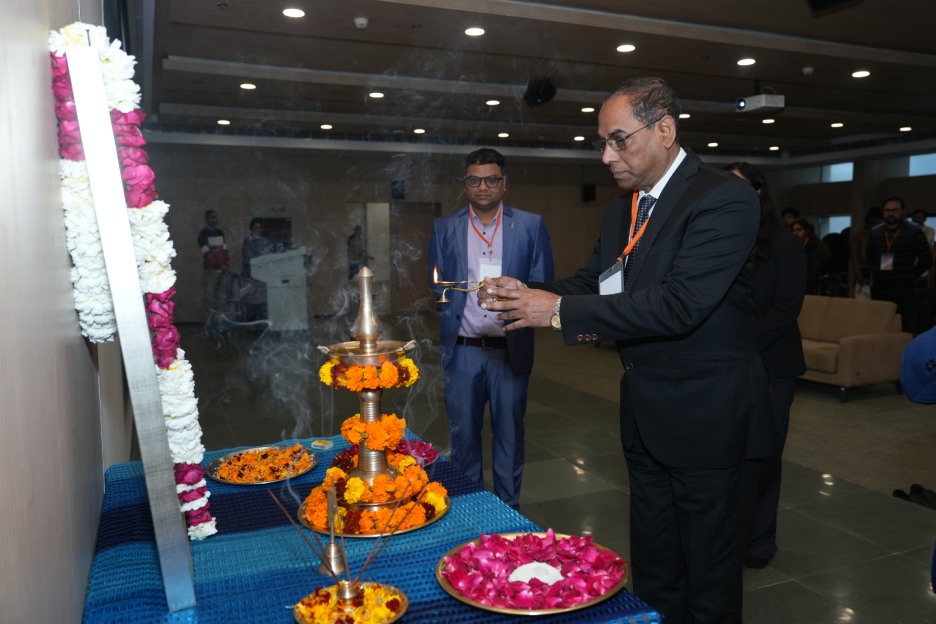
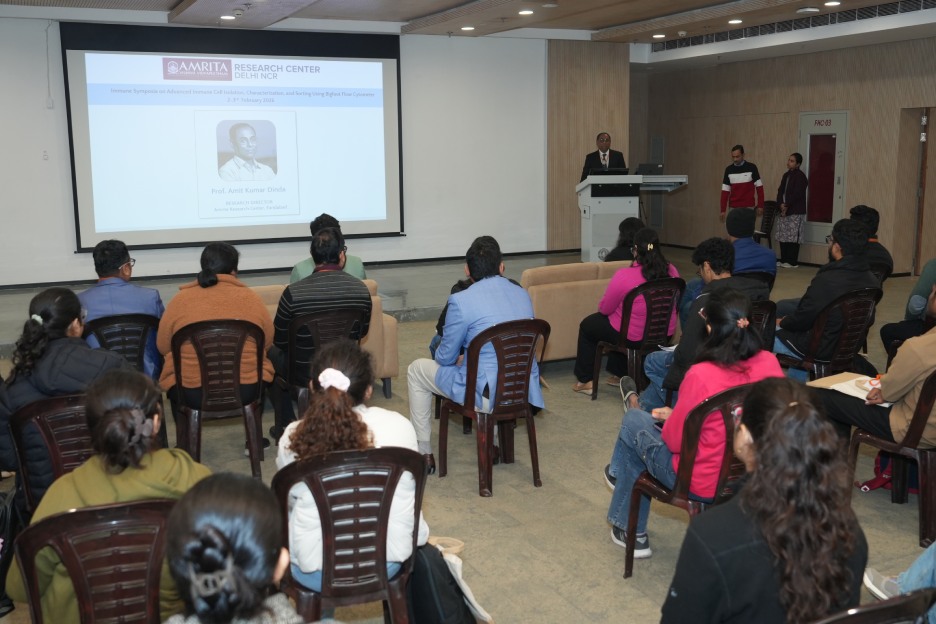
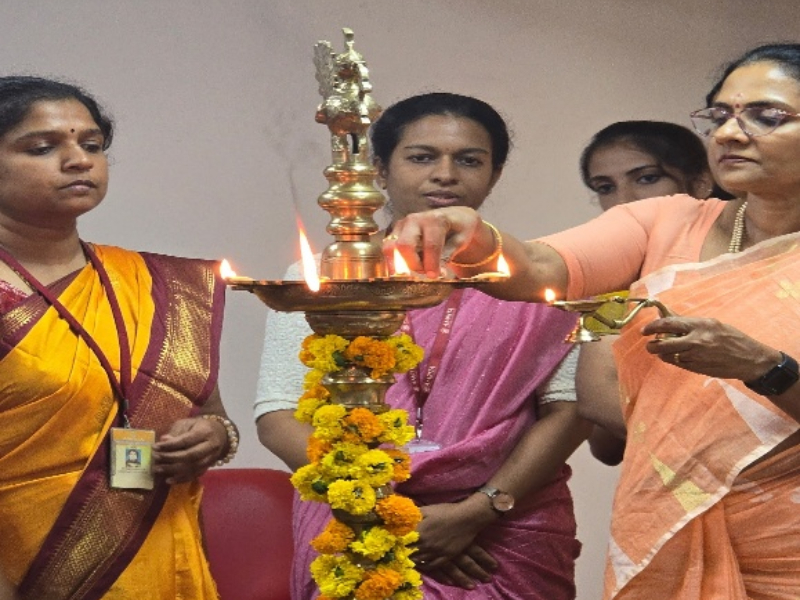
The symposia began with a pooja ceremony. The welcome speech was then given by Prof. Amit Kumar Dinda, who discussed the aim of the symposium and the significance of advanced cytometry instruments in modern biomedical science studies.
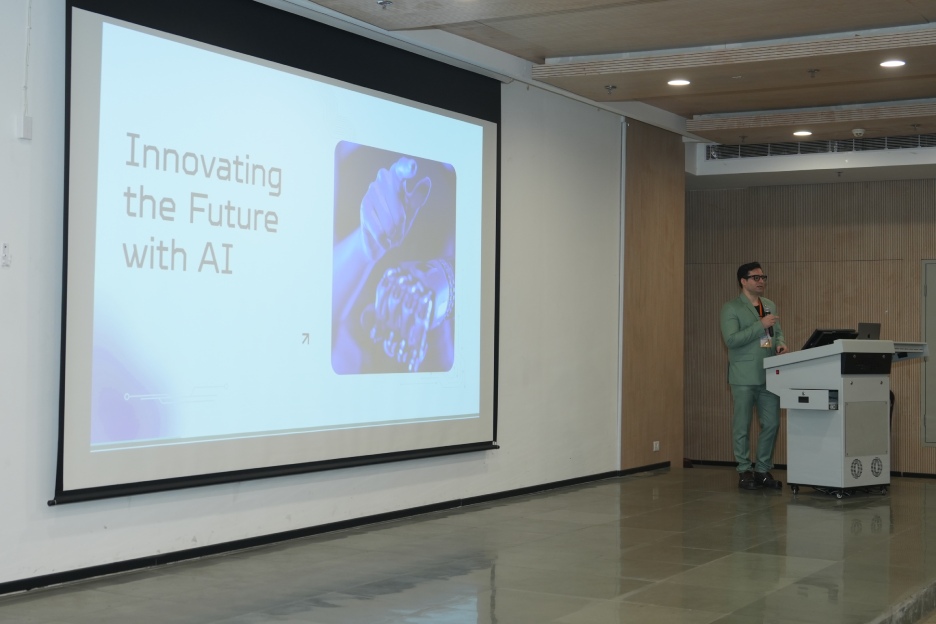
The keynote speech, “Decoding Next-Generation CAR-T Cells Through AI-Driven Molecular Design and Metabolic-Immune Profiling through Flow Cytometer,” presented by Dr. Tanveer Ahmad from Jamia Millia Islamia University, established the scientific dialogue with respect to the convergence of immunotherapy, flow cytometry, and artificial intelligence.
Day 1 focused on foundational concepts related to applied cell isolation and translational immunology. Within this session, the topics of flow cytometry as a means to analyze senescence or pro-inflammatory biology, advanced techniques for isolating cells, and an overview of Bigfoot instrument capabilities, multi-parameter panel design methodologies, etc., were included in a series of presentations delivered by subject matter experts.
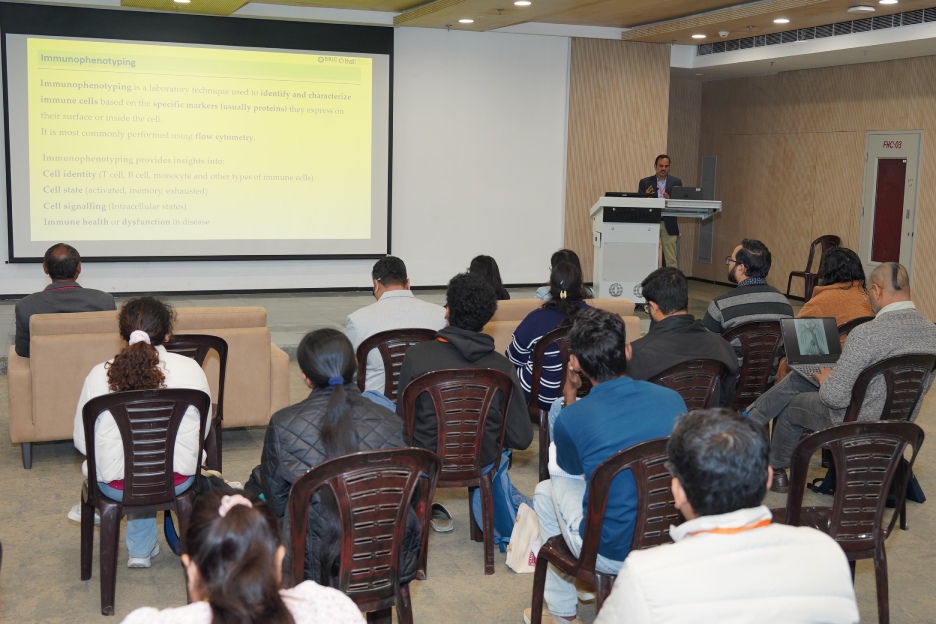
Faculty members from various institutes and Thermo Fisher themselves discussed topics like “Flow Cytometry in Senescence and Inflammatory Biology,” “Advanced Immune Cell Isolation Techniques: Principles and Best Practices,” “Flow Cytometry and Cell Sorting: A Comprehensive Overview of Bigfoot Instrumentation,” and “Immunophenotyping with Bigfoot Flow Cytometer: Multi-Parameter Panel Design.”
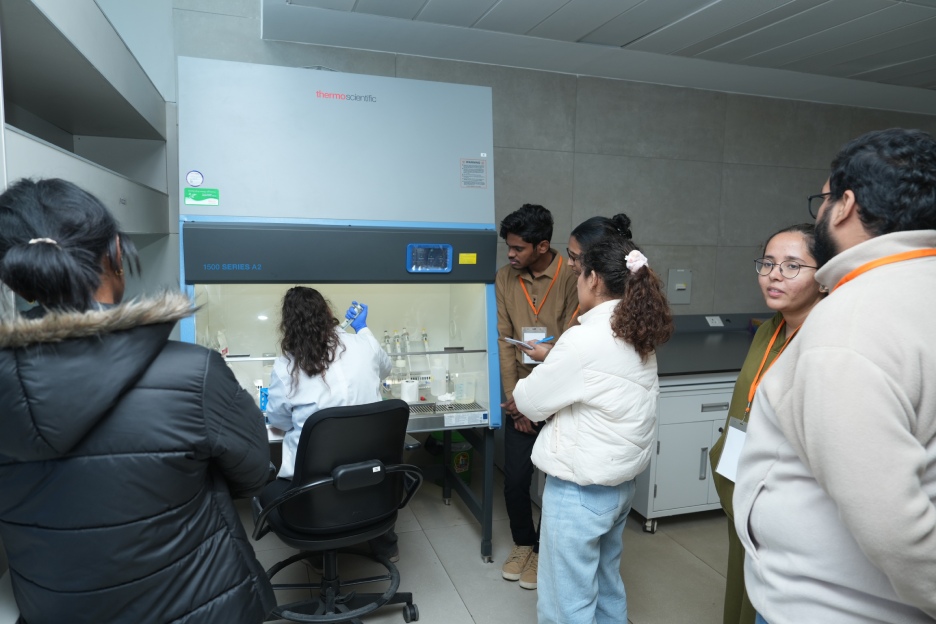
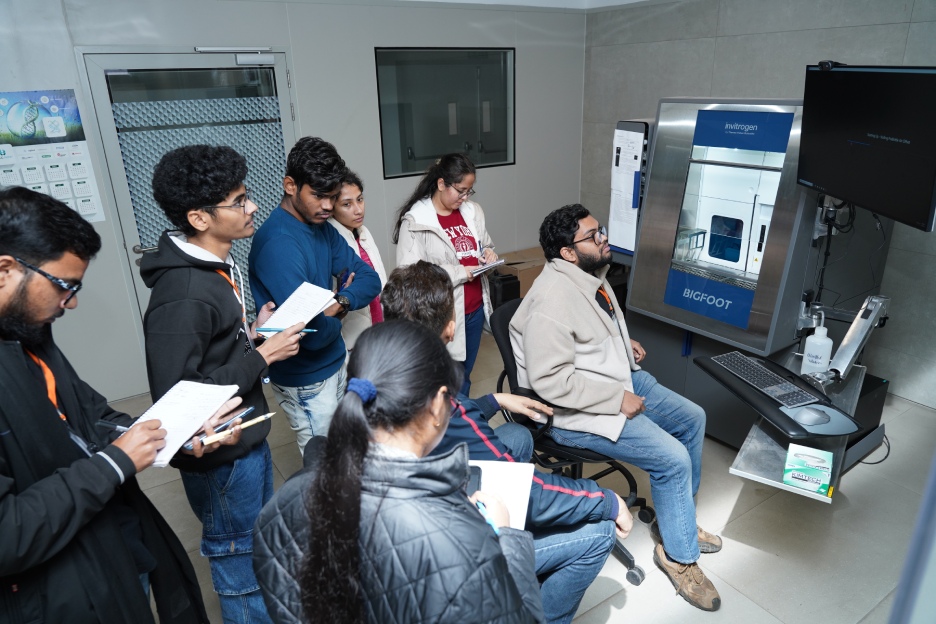
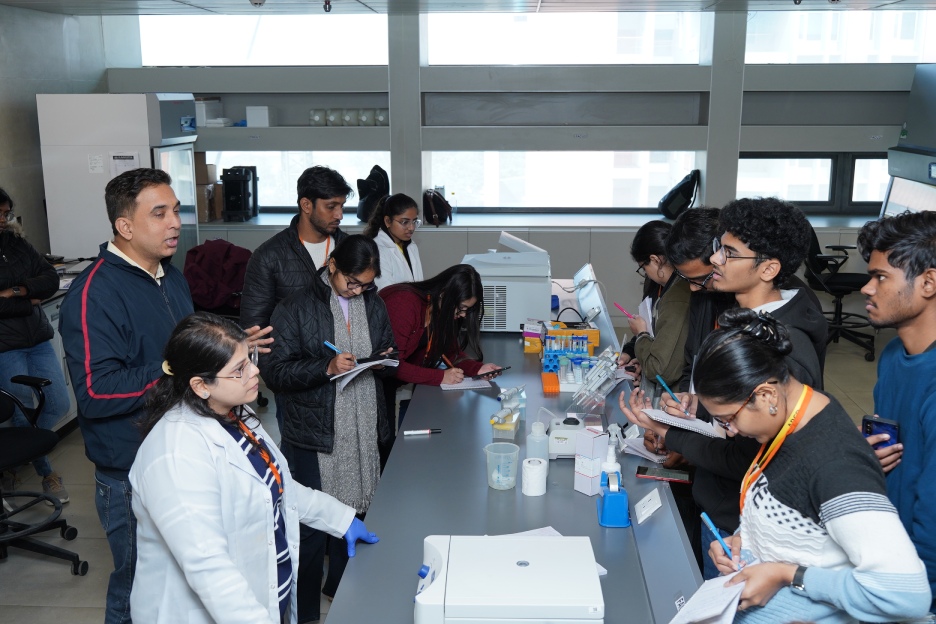
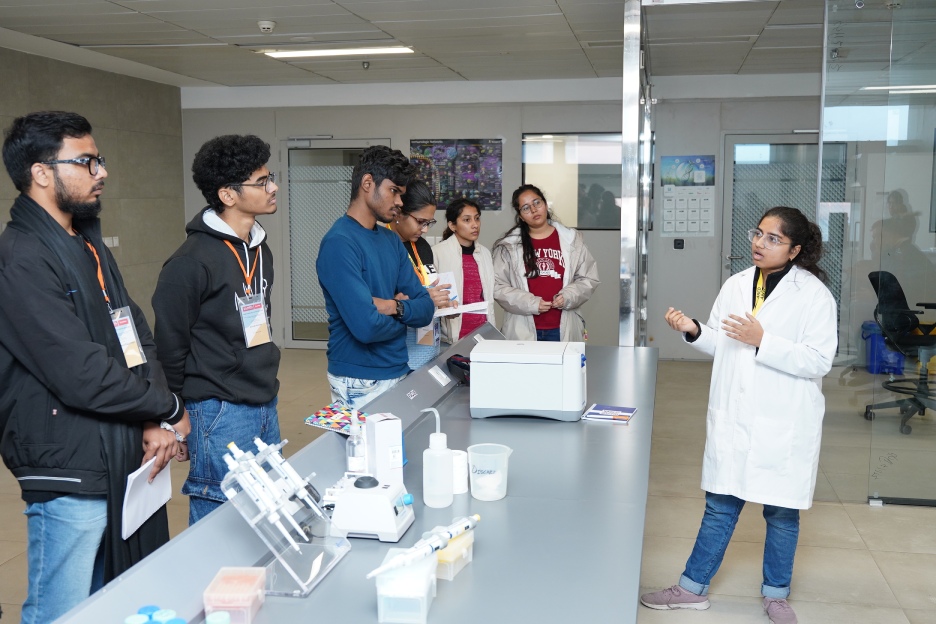
These scientific sessions followed hands-on laboratory rotations in which participants were trained by PhD students on the use of Bigfoot instrument setting, compensation, panel design, and protocols for isolating immune cells from density gradients.
The next day followed with a conference dedicated to advanced analysis and translation and included presentations on immune profiling, quality control, and data analysis. Expert presentations included “Immunophenotyping to Understand Immune Function,” “Quality Control, Standardization & Regulatory Pathways in Flow Cytometry,” and “Bioinformatics for Translational Immunology,” all of which demonstrated how reliable cytometry techniques are important for both diagnostic and therapeutic use.
Another major highlight of the conference was training in live data analysis of flowJo with Dr Ashish Kumar Vyas and Dr Akhilesh Kumar. This allowed participants to gain hands-on experience in terms of multiparametric immune profiling, gating strategies, and FACS-based isolation of specific immune cells.
In-house training sessions related to advanced immune subset profiling and sorting were complemented with panel discussions on academia-industry partnerships and possibilities of using immune cells in practical applications.
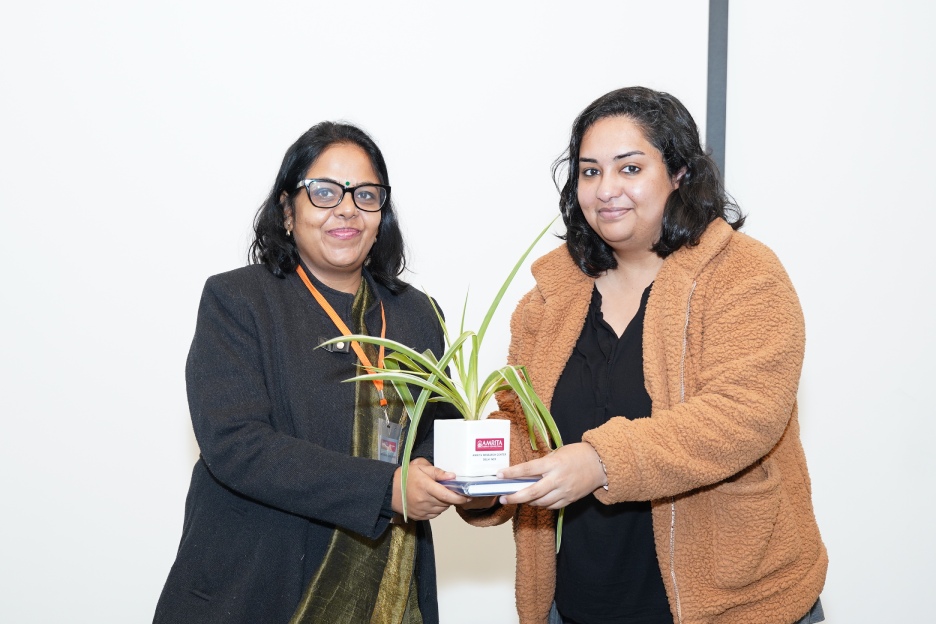
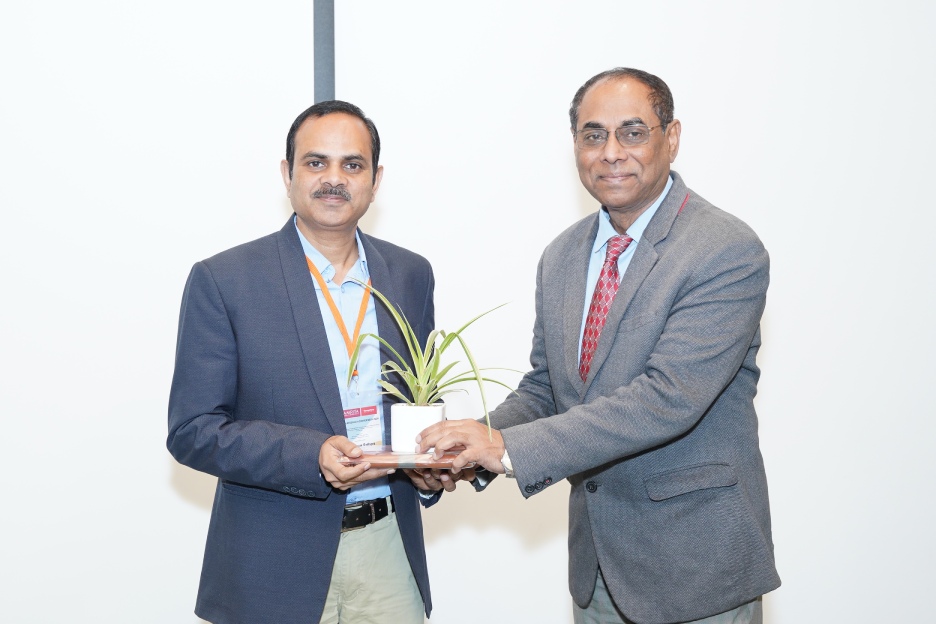
In the concluding session, Dr Ashish Kumar Vyas proposed a vote of thanks, wherein he thanked Thermo Fisher Scientific for their significant role and efforts towards the success of the symposia. Besides, he thanked the authorities of Amrita Research Center for their unstinting support, which enabled an effective and thriving ecosystem for translational immunology and advanced cytometry training.
“The Immune Symposia” was a milestone in the evolutionary path of Amrita Research Center, Faridabad, reinforcing its commitment to capacity development in state-of-the-art technologies regarding immunity and consolidating its position as a center of excellence for high-end research in flow cytometry.