


In 2024, Amrita Vishwa Vidyapeetham advanced a comprehensive, locally grounded climate education strategy that addresses climate change risks, impacts, mitigation, adaptation, impact reduction, and early warning. Through an integrated approach combining Live-in-Labs® community engagement, school-level outreach, and international knowledge platforms, and in collaboration with the UNESCO Chair on Experiential Learning for Sustainable Innovation and Development, the university empowered communities, educators, and students with practical, action-oriented climate knowledge using participatory and experiential learning models.
1. Community-Centred Climate Education through Live-in-Labs®
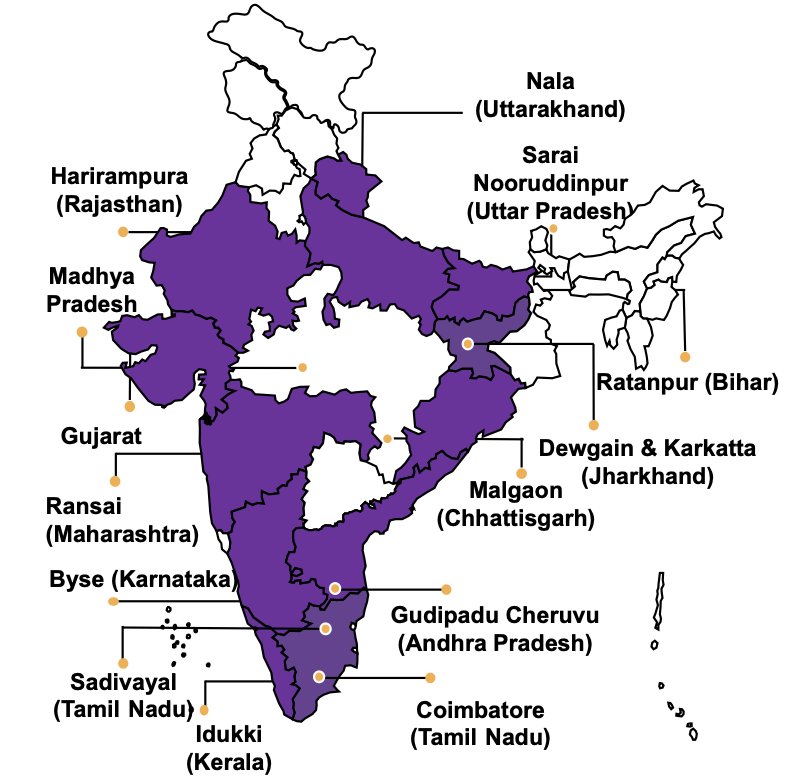
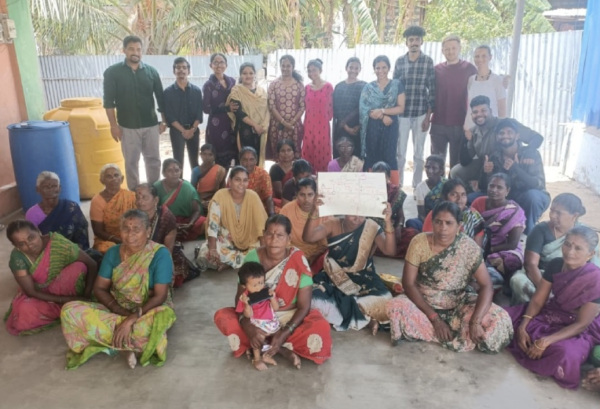
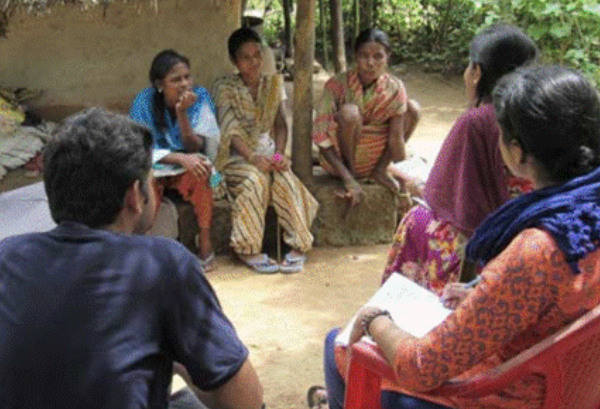
Through its Live-in-Labs® programme, Amrita conducted community-focused climate education initiatives in 2024 that translated climate research and sustainability frameworks into locally relevant learning. These engagements addressed climate risks, energy literacy, sustainable livelihoods, and community resilience, enabling participants to contextualise climate challenges within their own socio-environmental settings. During 2024, work was done in 300 communities across India.
Certificate Programme on Disaster Resilience
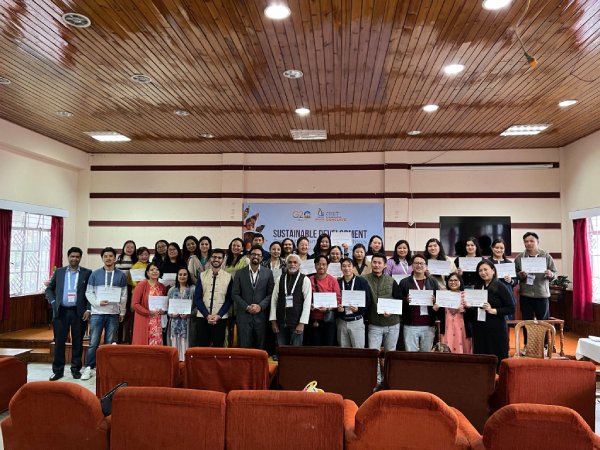
As part of its commitment to linking global expertise with local capacity building, Amrita conducted a Certificate Programme on Disaster Resilience during the International Conference on Tsunami Risk Reduction and Community Resilience, hosted at Amrita in December 2024. Organised in collaboration with the UNESCO Chair, the programme was integrated into the conference’s capacity-building track.
By embedding education within an international research and policy forum, 30 participants engaged directly with global experts and current scientific knowledge on tsunami risk reduction, early-warning systems, coastal resilience, and community-based disaster preparedness. The programme aligned with the Sendai Framework for Disaster Risk Reduction and SDG 13 (Climate Action), with certificates awarded to strengthen institutional and community-level disaster-resilience capacity.
Climate and Sustainability Education in Schools through Amrita Vidyalayams
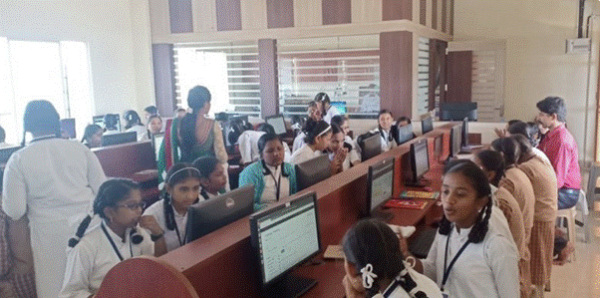
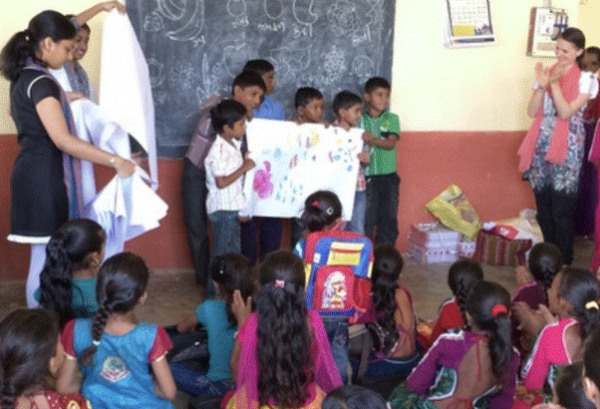
In 2024, Amrita implemented school-level climate and sustainability education programmes across 11 Amrita Vidyalayams in Kerala, extending climate awareness to younger generations. These programmes focused on climate change fundamentals, environmental responsibility, energy conservation, and disaster preparedness, delivered through age-appropriate and interactive learning modules.
Both students and teachers were actively engaged, supporting early awareness and long-term behaviour change. Teachers were further enabled to integrate sustainability themes into regular classroom instruction, ensuring continuity beyond the training sessions and amplifying impact at household and community levels.
Energy Efficiency and Clean Energy Awareness Campaigns (Climate Mitigation)
As part of its climate mitigation education, Amrita conducted student-led community outreach programmes promoting energy efficiency and clean energy adoption in villages surrounding its campuses, including Ettimada (Tamil Nadu), Amritapuri and Kochi (Kerala), Vengal (Tamil Nadu), Bogadi (Mysuru), and Faridabad (Haryana).
Activities included community workshops on energy conservation, practical demonstrations of solar lighting, energy-efficient appliances, and biogas systems, as well as awareness programmes in nearby schools. Implemented in collaboration with local governments, NGOs, and industry partners, these initiatives contributed directly to climate mitigation through reduced energy demand and cleaner energy transitions. Energy Conservation Week activities further reinforced behavioural change through creative engagement and public participation.
Certificate Program on Disaster Resilience
In 2024, Amrita designed and piloted the framework for a 4-Day Certificate Course on Disaster Resilience for launch in early 2025 following extensive groundwork. Developed using a Train-the-Trainer model, the programme equips school teachers, college students, and research scholars to act as climate and resilience champions within their communities.
The curriculum covers climate change fundamentals, disaster typologies, regional climate impacts, first aid and emergency response, real-time monitoring systems, and national and state disaster-management and climate-action policies. The programme directly supports local-level climate adaptation, risk reduction, and early-warning awareness, with replication embedded into its design.
Environmental Action and Climate Impact Reduction
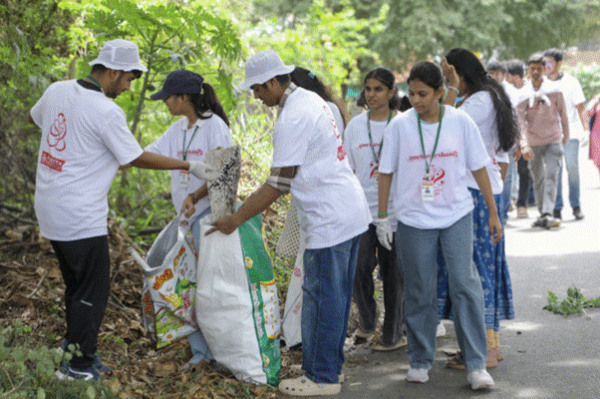
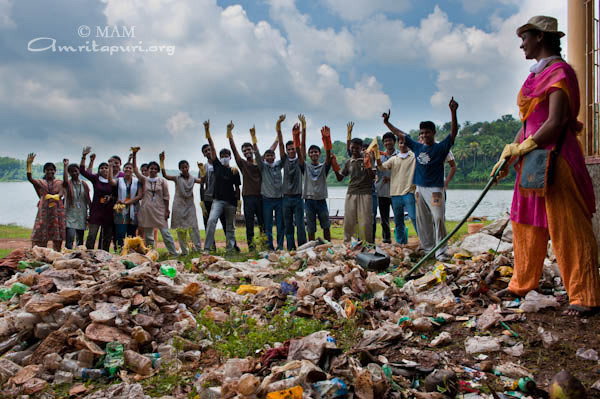
Amrita’s long-running Amala Bharatam environmental campaign continued in 2024 as a large-scale climate education and impact-reduction initiative. Extensive cleanup drives were conducted across multiple regions, engaging hundreds of volunteers in waste segregation, plastic reduction, and environmental restoration. Major interventions such as restoration around lakes and cleanup operations at public places served as practical climate education platforms linking waste reduction, ecosystem health, and climate resilience.
Climate Risk Awareness and Early-Warning Education
Amrita also strengthened early-warning and preparedness education through initiatives such as the Tsunami Ready Programme, implemented in collaboration with INCOIS. The programme focuses on public awareness, leadership training, and coordination with emergency-response agencies in coastal regions. Through drills, training sessions, and community engagement, participants gained practical understanding of tsunami risks, early-warning systems, evacuation protocols, and community-led resilience strategies.


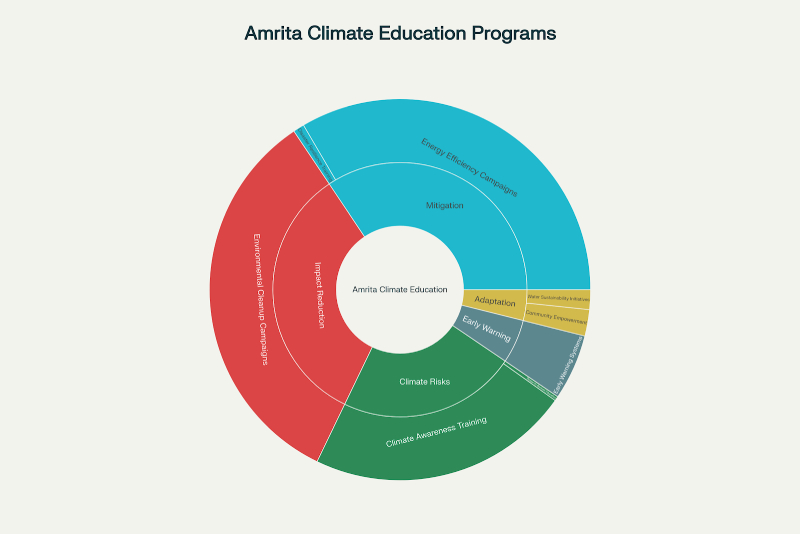
Amrita Vishwa Vidyapeetham has established a comprehensive framework for climate change education, spanning climate risk awareness, mitigation strategies, adaptation mechanisms, impact reduction initiatives, and advanced early warning systems. The university’s programmes reach over 9,500 participants across diverse communities, with particular emphasis on building resilience among vulnerable populations.
Launched in 2025 (with 2024 groundwork), this programme represents Amrita’s flagship climate education initiative. The Train-the-Trainer model equips 27 participants—including school teachers, college students, and research scholars—with practical knowledge to become climate action champions in their communities.
Participants & Reach: 27 participants from Kerala, Tamil Nadu, and Karnataka in the first batch
The Civil 20 India Working Group, in collaboration with Amrita’s UNESCO Chair on Experiential Learning, organized parallel training sessions addressing three pillars:
Topics: Sustainable Development, Disaster Resilience, and Energy Literacy
Reach: Over 200 participants, ranging from school students to university faculty
Outcome: All participants received certificates and recognition
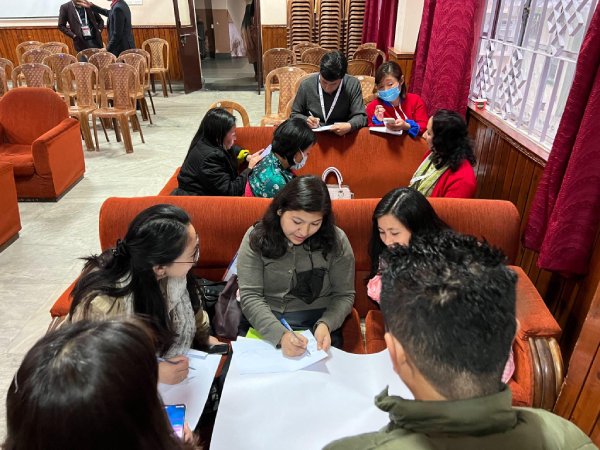
A two-day certificate workshop was conducted in Gangtok, Sikkim, in partnership with state and international disaster management agencies:
Partners: Sikkim State Disaster Management Authority (SSDMA), International Consortium on Landslides (ICL), and International Program on Landslides (IPL)
Participants: 85 participants from educational institutions
Focus: Building civilian and community resilience against landslides and other disasters
A complementary two-day workshop on “Sustainable Development: Concepts, Frameworks, and Tools” was conducted at Janata Bhavan Hall in Gangtok:
Participants: 34 teachers from prominent schools including Modern Senior Secondary School, West Point Senior Secondary School, and Sir Tashi Namgyal Senior Secondary School, representing disciplines including Science, Mathematics, Environmental Studies, and Social Studies
Key Outcome: One participant, Mrs. Ranjana Lama (TGT, Arts) from Modern Senior Secondary School, subsequently conducted awareness sessions on Sustainable Development for her own school, emphasizing lifestyle changes for sustainability
Launched on World Water Day 2024 (March 22 – April 21), this month-long initiative combined climate adaptation with water security:
Locations: Kallikkadu, Alapuzha, Kerala (launched at Ward 14 in Kallikkadu on March 22, 2024)
Participants: 150 women residents actively engaged in water conservation training
Focus Areas: Climate adaptation to water scarcity, impact reduction through conservation, and community empowerment
Amrita’s students conduct extensive community outreach programmes in villages to promote energy efficiency and clean energy adoption:
Locations: Villages surrounding Ettimada (Tamil Nadu), Amritapuri (Kerala), Vengal (Chennai), Bogadi (Mysore), Kochi, and Faridabad
Focus: Climate mitigation through energy transition and impact reduction via efficiency
The university’s long-standing environmental initiative has expanded significantly:
Coverage: 30+ square kilometers across India
Methodology: 18 major cleanup drives with systematic waste segregation and disposal
Annual Participation: Average 2,000 volunteers per drive collecting approximately 400 truckloads of waste
Notable Achievements:
Climate Impact: Waste reduction as impact mitigation and community engagement on plastic pollution[8]
Amrita’s pioneering AI-integrated IoT system for landslide detection represents a critical early warning mechanism:
Community Training: Emphasis on participatory emergency preparedness and evacuation measures in target communities
Organized to commemorate the 20th anniversary of the 2004 Indian Ocean Tsunami:
Partners: UNESCO Chair on Experiential Learning, Amrita School for Sustainable Futures, Centre for Wireless Networks and Applications
Objectives: Advance disaster preparedness, risk management, and community resilience
Focus Areas: Coastal disaster early warning and adaptation strategies
Launched in collaboration with INCOIS in June 2022, this initiative enhances coastal community preparedness:
Scope: Public engagement, community leadership training, and coordination with emergency management agencies
Focus: Tsunami preparedness and community-led resilience building
The SREE (Sustainability and Resilience Monitoring Platform) integrates real-time data with educational components:
Launched in November 2024 at Amritapuri, this Kerala’s first integrated multi-lab system includes five specialized facilities:
Labs:
Educational Function: Provides research-backed training and analytical services, fostering environmental stewardship among students and community members
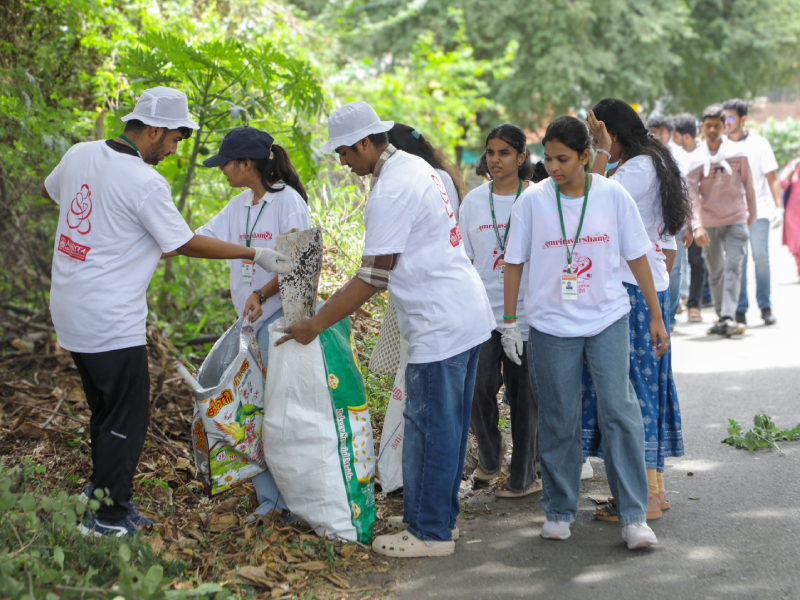
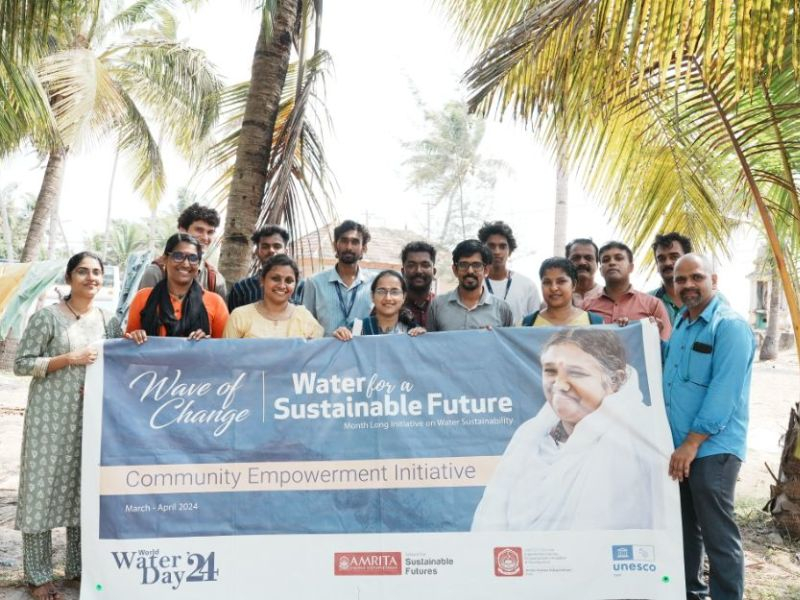
The “Wave of Change” banner image (from World Water Day 2024) exemplifies Amrita’s community-centered climate adaptation campaigns, featuring the university’s UNESCO partnerships and commitment to water sustainability. Student-led cleanup initiatives showcase hands-on environmental education and impact reduction practices.
Amrita’s climate education programmes operate on a Train-the-Trainer model, enabling exponential scaling of impact. By equipping educators, community leaders, and youth with comprehensive climate science knowledge, first aid skills, and disaster preparedness tools, the university creates multiplier effects throughout communities. The planned expansion to 108 communities, coupled with ongoing deployment of early warning systems in multiple states, positions Amrita as a national leader in climate change education for resilience and adaptation.