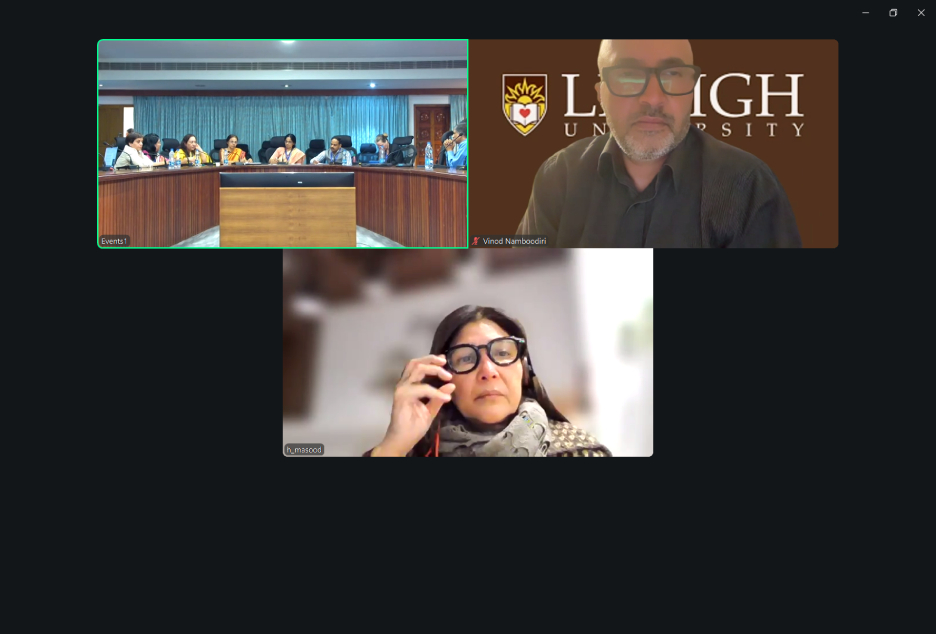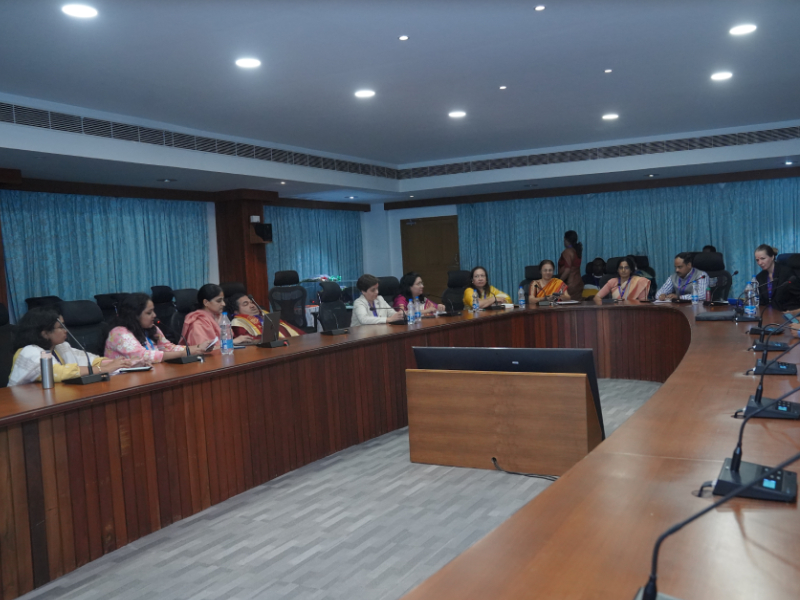


Amrita Vishwa Vidyapeetham’s UNESCO Chair on Assistive Technologies in Education invited leading researchers, policymakers, and practitioners to advance dialogue on inclusive education focusing on artificial intelligence and assistive technologies. The two expert panel discussions were organized as part of “International Symposium on AI-Enabled Assistive Technologies for Inclusive Education,” an official pre-event to the AI Impact Summit 2026.
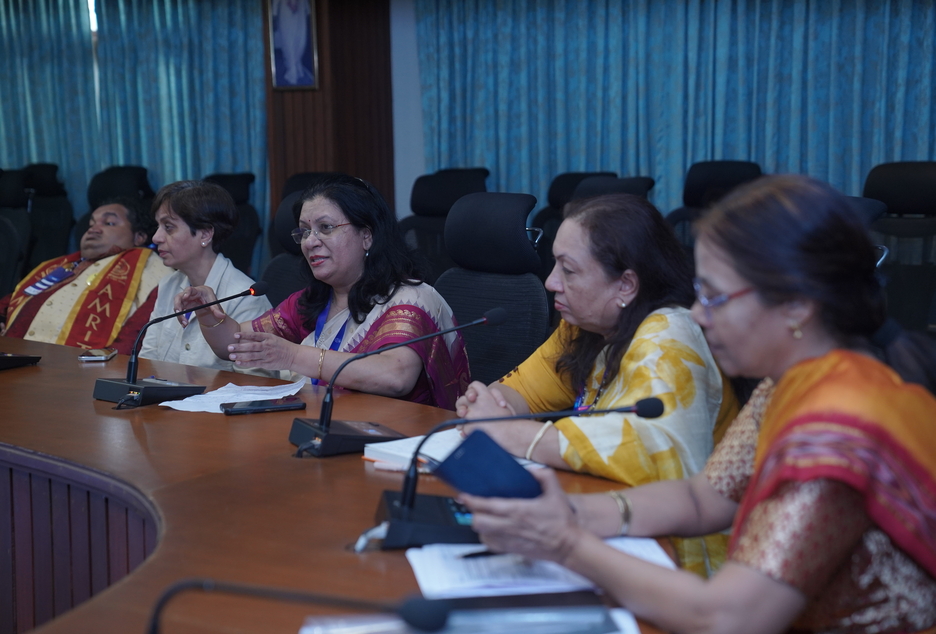
The first panel discussion on the topic was organized on the topic “Indian Sign Language, multimodal AI, and deaf-led accessibility solutions” moderated by Dr. Prema. The panellists were:
The panel underscored that advancing AI for Indian Sign Language (ISL) requires strong foundational investments in data, standardization, and governance. Participants highlighted the critical shortage of large, high-quality ISL datasets and the need for coordinated national strategies, Deaf-led collaboration, and clear certification and adoption frameworks aligned with NCERT and the National Education Policy 2020. Without shared standards and robust data ecosystems, the potential of multimodal AI to support ISL at scale will remain constrained.
Equally emphasized was the importance of embedding sign language and Deaf-led, literacy-first pedagogy across education and public systems. AI can enable personalized learning, strengthen reading and writing outcomes, and improve access in higher education, STEM, health communication, justice, and digital governance—provided it is designed around visual-language cognition and inclusive, lifecycle-based principles. The panel concluded with a call for coordinated policy action and capacity building, to be advanced through recommendations to the India AI Summit and aligned with global disability inclusion frameworks.
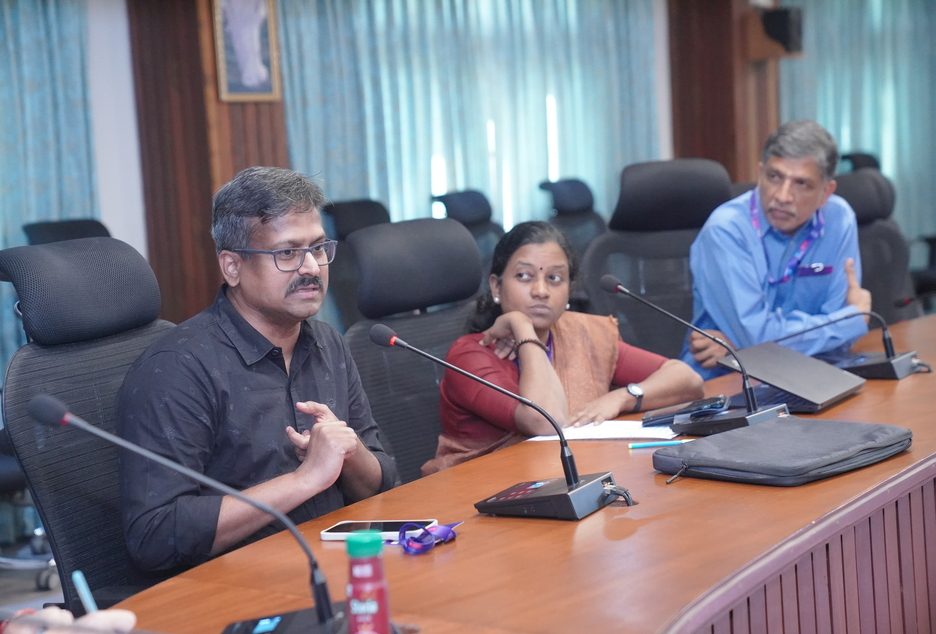
A second panel discussion on the topic on the “From research innovation in Assistive Tech to scalable national impact” moderated by Dr. Krishnashree Achuthan. The panellists were:
The panel stressed the need to shift from fragmented assistive technology research to problem-driven, user-centered AI solutions capable of national scale. AI was positioned as a personalized, continuity-oriented support across life stages—enabling early identification and intervention, smoother educational and workplace transitions, skills-based learning, and inclusive participation. Aligning innovation with national frameworks such as the National Education Policy and disability policies, while addressing gaps in infrastructure, ethics, mental health integration, and teacher preparation, was identified as essential for sustainable impact.
Equally emphasized was that scale depends on inclusive, intersectional, and community-led design. Panelists called for moving beyond pilots toward empowerment-focused Assistive Technology, supported by co-design with persons with disabilities, women, caregivers, and rural communities. Strong policy alignment, sustainable financing, evidence-based implementation, and integration with global frameworks such as UNESCO, WHO, and CRPD were highlighted as critical to ensure that AI and assistive technologies reduce inequities rather than reinforce them.
Together, the discussions underscored the need for coordinated policy action, strong data ecosystems, and community-led approaches to advance inclusive education through AI and assistive technologies. By centering equity, accessibility, and scalable educational impact, Amrita University reaffirmed its role as a key convener and thought leader contributing actionable insights to national and global education policy dialogues.
Aligned with SDG 4 (Quality Education) and SDG 10 (Reduced Inequalities), the discussions reinforced Amrita’s leadership in driving policy-relevant, inclusive technology solutions for equitable education systems.