A methodology and its books, however carefully designed, must prove themselves in the room — in front of teachers who will adapt it to their classrooms, and students who will learn from it. The School of Artificial Intelligence undertook three workshops in 2025– 26 to assess how well the programme integrates with the realities of school and undergraduate teaching, and to gather direct feedback from the educators and students who matter most.
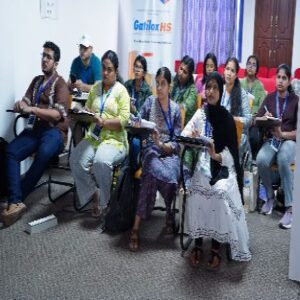
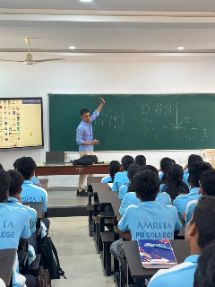
A workshop for high school teachers and Pre-University (PU) lecturers, alongside a cohort of PU students. The session introduced the conceptual framework of the book, explored how computational thinking can be woven into existing school mathematics, and assessed whether the mathematical progression — from CR decomposition to pseudo-inverse — is accessible at the higher secondary level. Critically, students were able to engage with the material and conduct computational experiments using only spreadsheet software.
26 Educators
19 PU Students
High School + PU Level
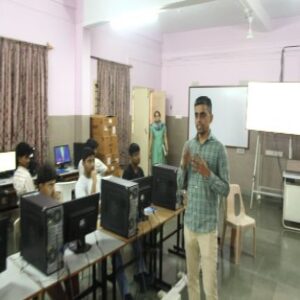
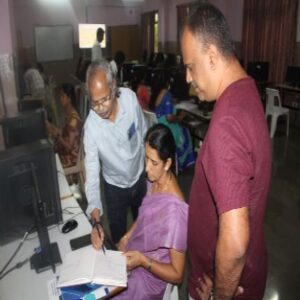
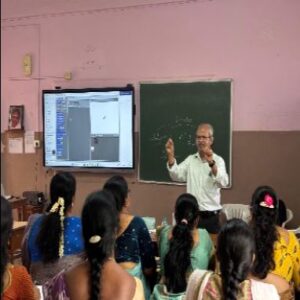
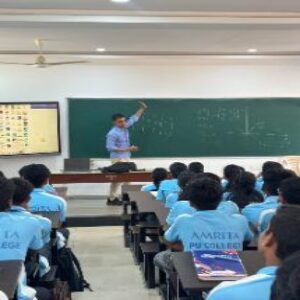
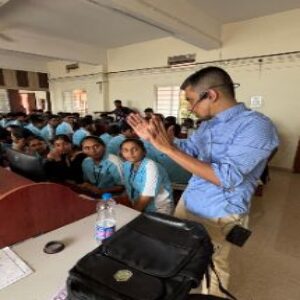
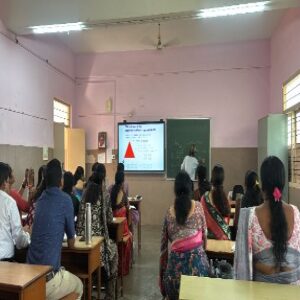
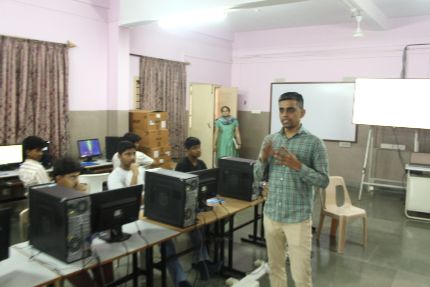
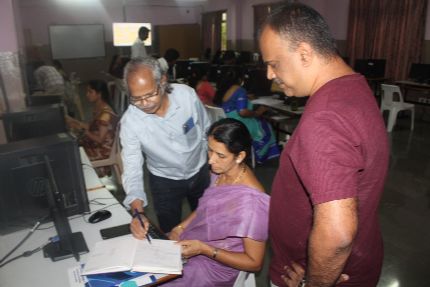
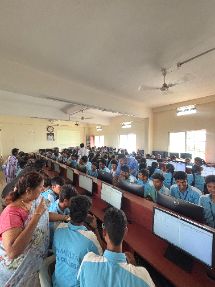
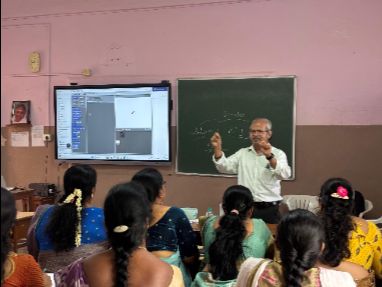
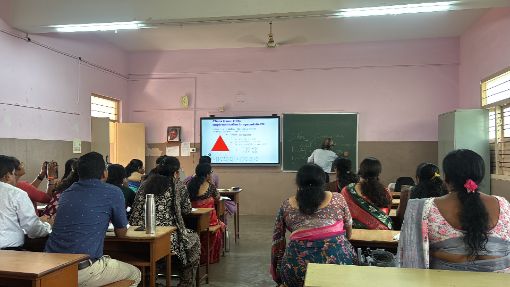
larger-scale session bringing together high school teachers and PU lecturers alongside a substantial student cohort. The reach of this workshop allowed the team to observe how the curriculum scales to a larger audience, and to collect nuanced feedback from a more geographically diverse educator group in the Karnataka region. Students confirmed a key finding from Bengaluru: the core methodology can be understood within approximately five hours of guidedinstruction.
13 Educators
120 PU Students
High School + PU Level
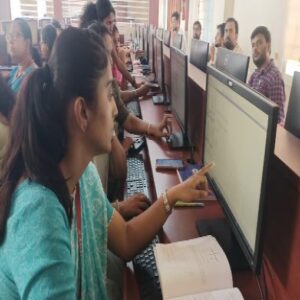
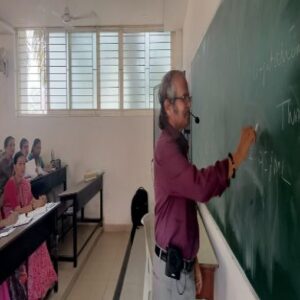
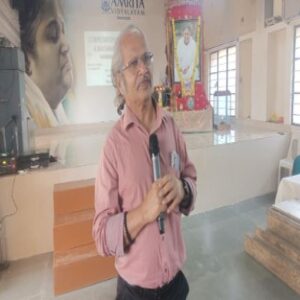
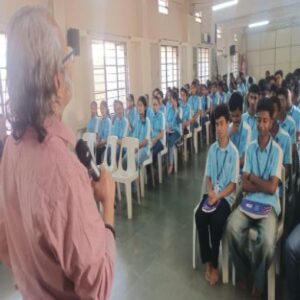
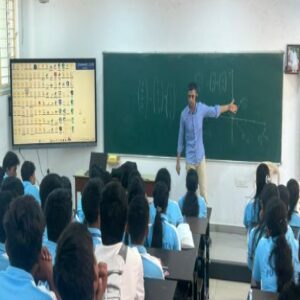
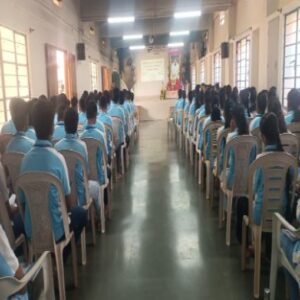
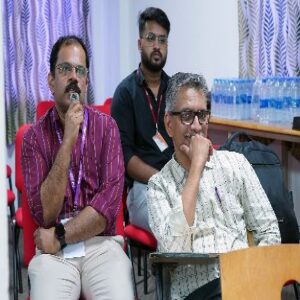
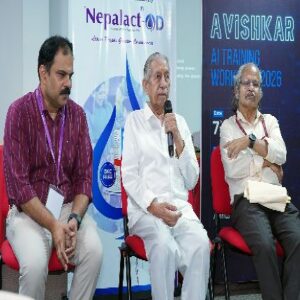
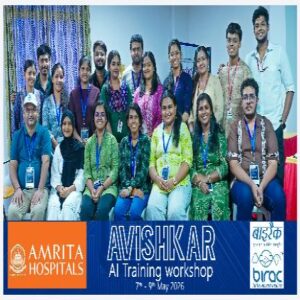
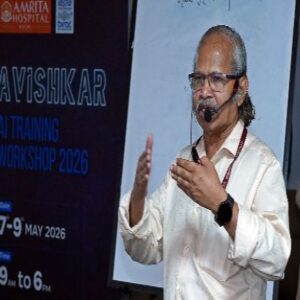
The most intensive engagement in the series: a three-day AI training workshop at Amrita Institute of Medical Sciences (AIMS), Kochi, as part of the Avishkar programme. This workshop reached an interdisciplinary audience — medical undergraduate students and BTech students together — testing a central thesis of the initiative: that the analytical foundations of AI are navigable for learnersnacross biology, medicine, and engineering alike.
3-Day Intensive
Medical UG Students
BTech Students