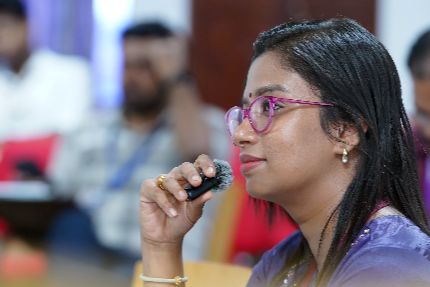
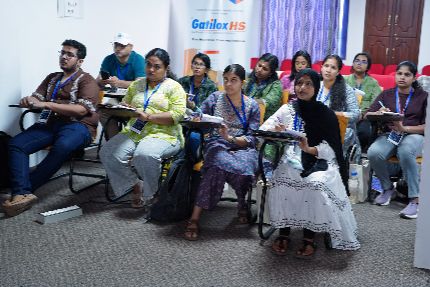
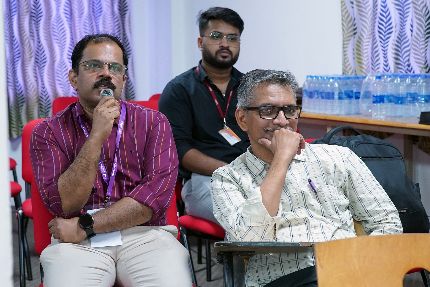
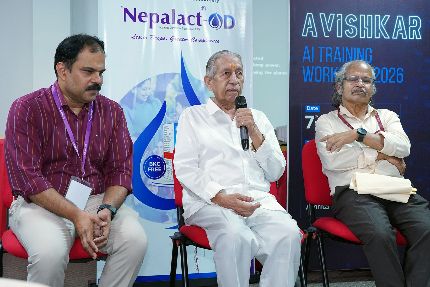
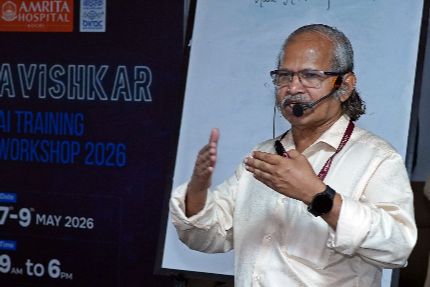
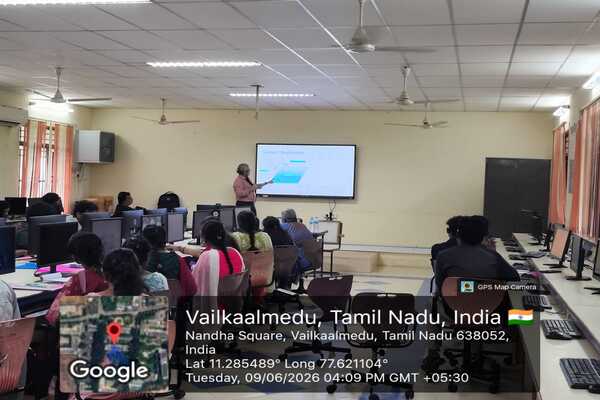
Invited talk by Soman sir during a session in ANRF Sponsored Five-Day National Level Workshop at Nandha Engineering College, Erode on 12-June-2026.
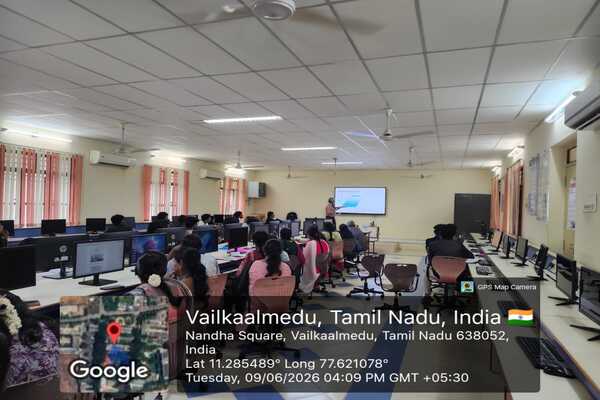
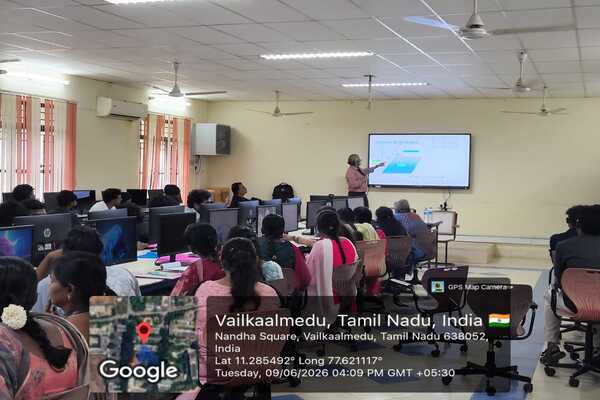
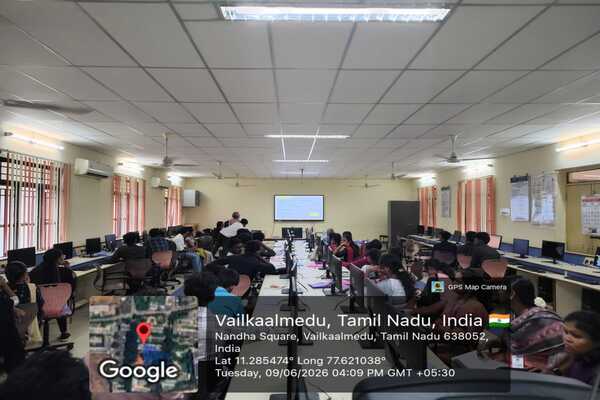
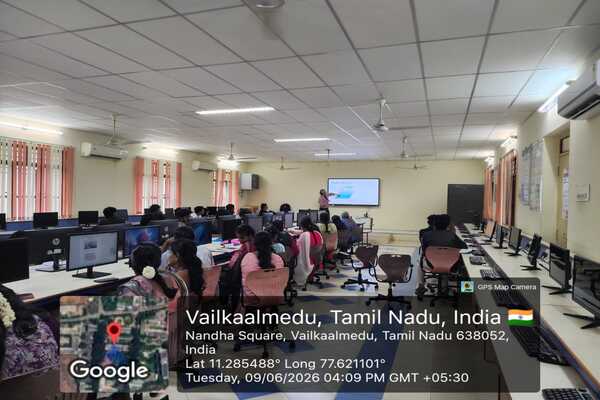
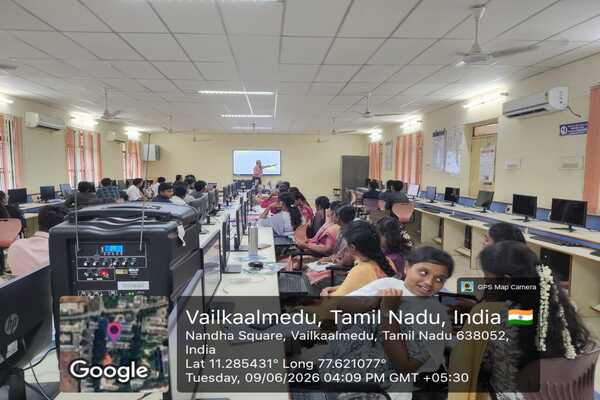
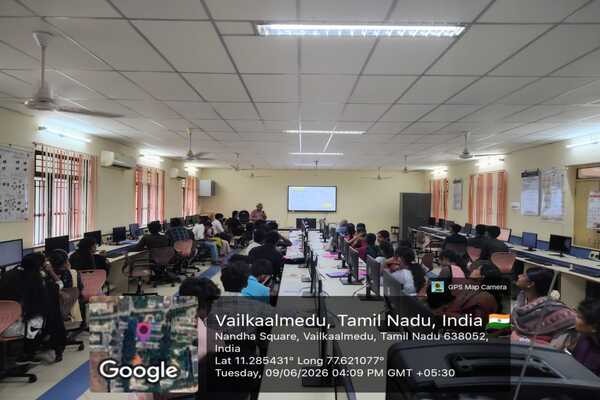
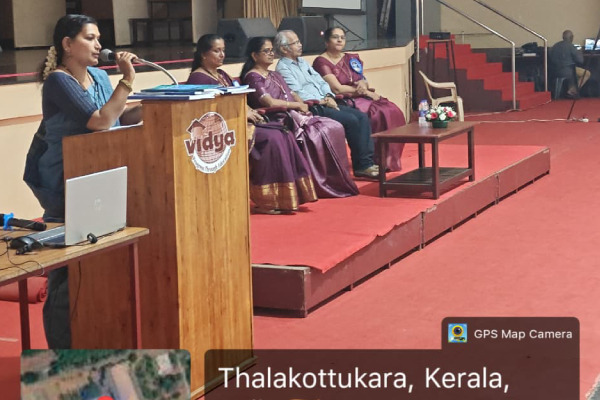
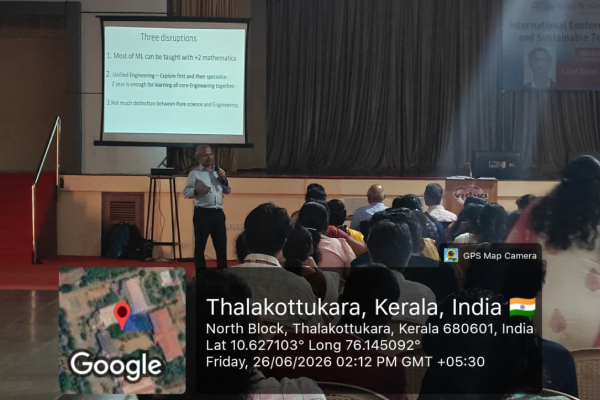
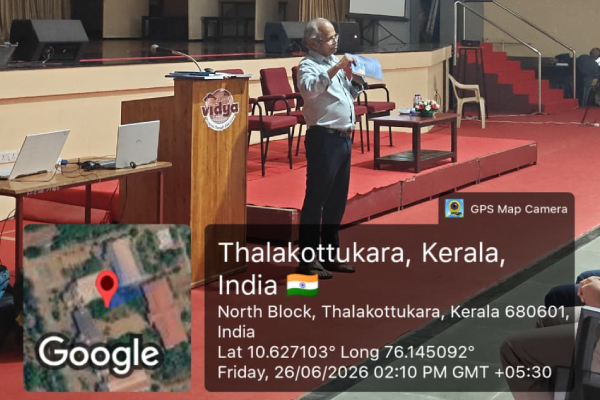
Dr. K. P. Soman’s invited talk in the International Conference on Intelligent Systems and Sustainable Technologies (ICISST 2026) at Vidya Academy of Science & Technology, Thrissur on 2026 July 26.
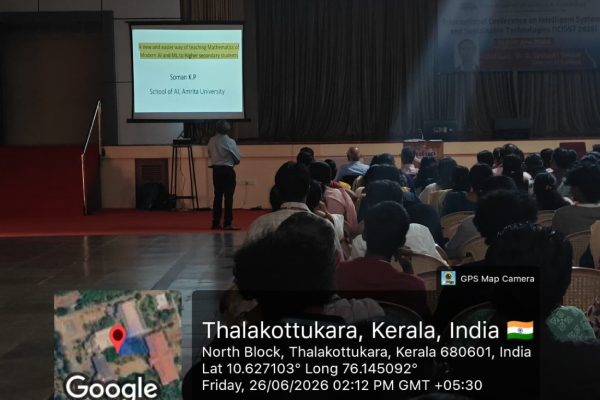
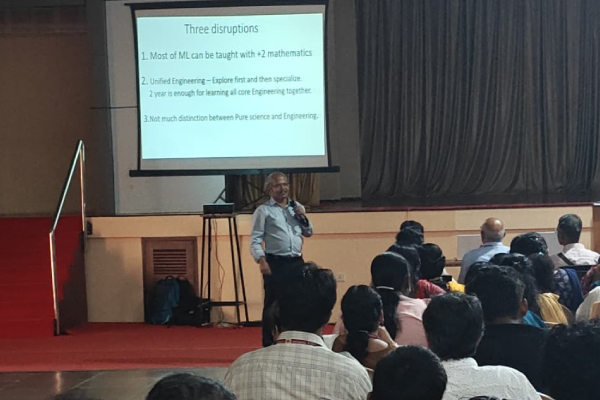
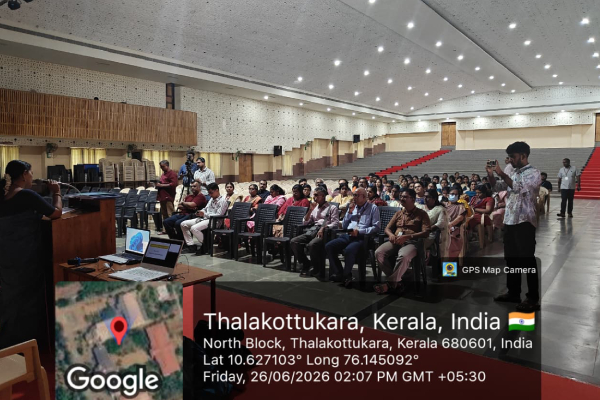
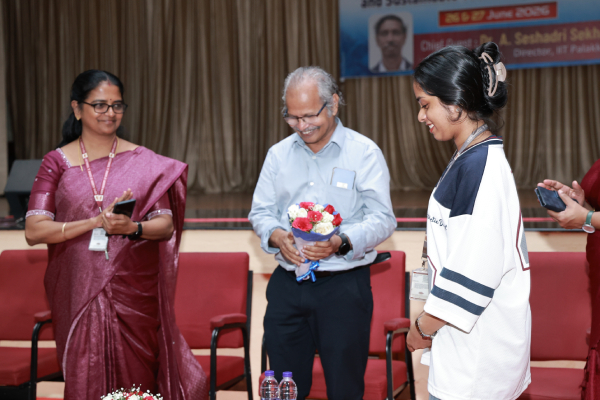
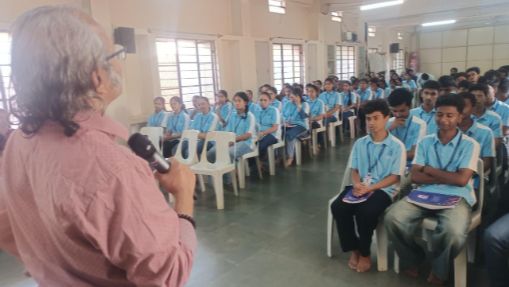
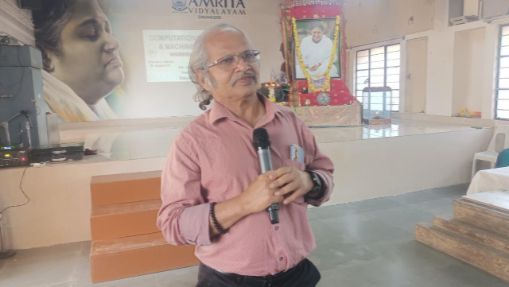
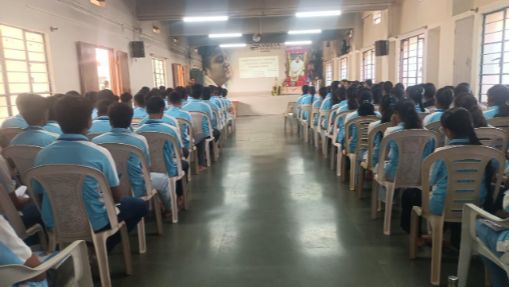
As per the goals laid down under India’s National Education Policy (NEP) and keeping in view the growing importance of AI education in schools. The one-day workshop titled “AI & Computational Thinking in Schools” was organised by the Amrita School of Artificial Intelligence at National Model School on Monday.
The workshop was delivered by Dr. Soman K. P., who is the Dean of the Amrita School of Artificial Intelligence. It provided a deep insight into the mathematics and computation aspects of AI and not on the application side of AI tools. The programme sought to enhance the understanding of the participants regarding computational thinking, machine learning principles and other aspects that align with the CBSE curriculum.
While addressing the participants, the organizers spoke of the growing significance of AI and Computational Thinking in school education. As per the CBSE, the Computational Thinking and AI subjects have been included in the curriculum of Classes 3–8. Besides, AI subjects will be available to higher classes as a skill subject/elective.
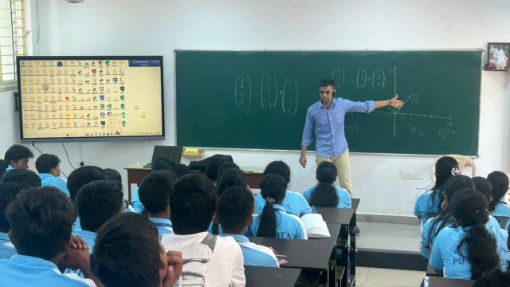
The workshops consisted of four sessions involving computational thinking, machine learning, fractals, visual coding, and computational art. The attendees were able to do hands-on experiments on computational thinking through the use of spreadsheets, MIT Scratch, and P5.js, while being exposed to the concept of machine learning through least squares and pseudo-inverse. Hands-on activities allowed the attendees to explore fractals and algorithms through creative coding.
Experiential learning played an important role in this programme as the programme encouraged educators to find connections between AI and real world problems that may arise from the fields of mathematics, science, and social sciences.
The initiative is reflective of the efforts made by Amrita towards promoting AI literacy and equipping teachers to teach about artificial intelligence within schools.
The school is committed to enhancing AI literacy and preparing educators for computational thinking and AI integration in educational settings.
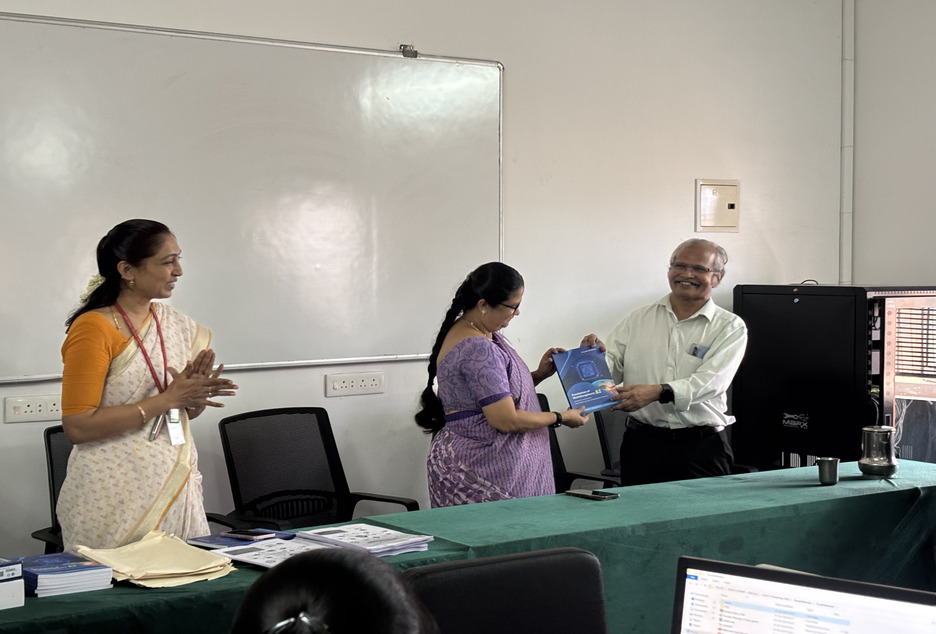
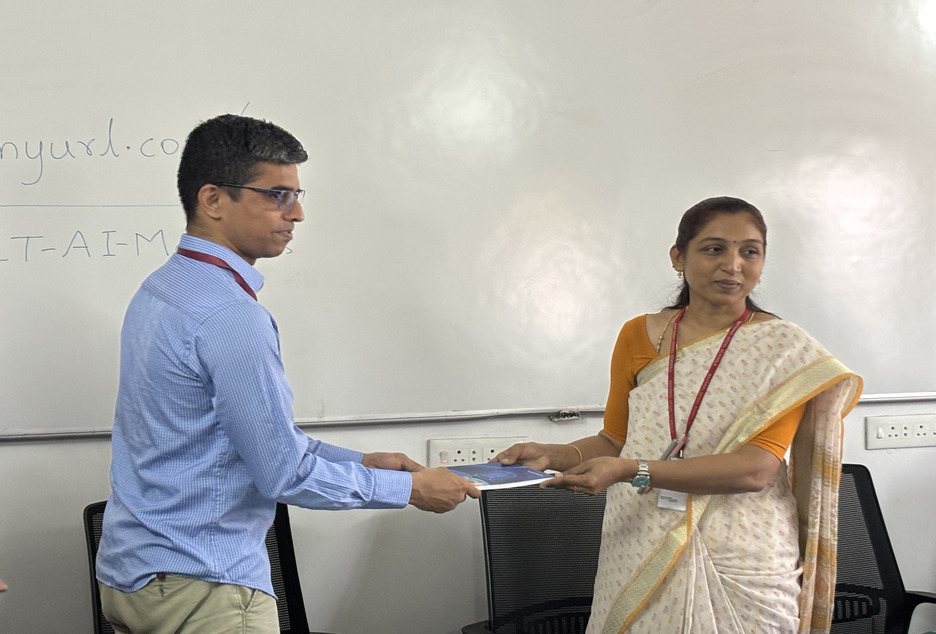
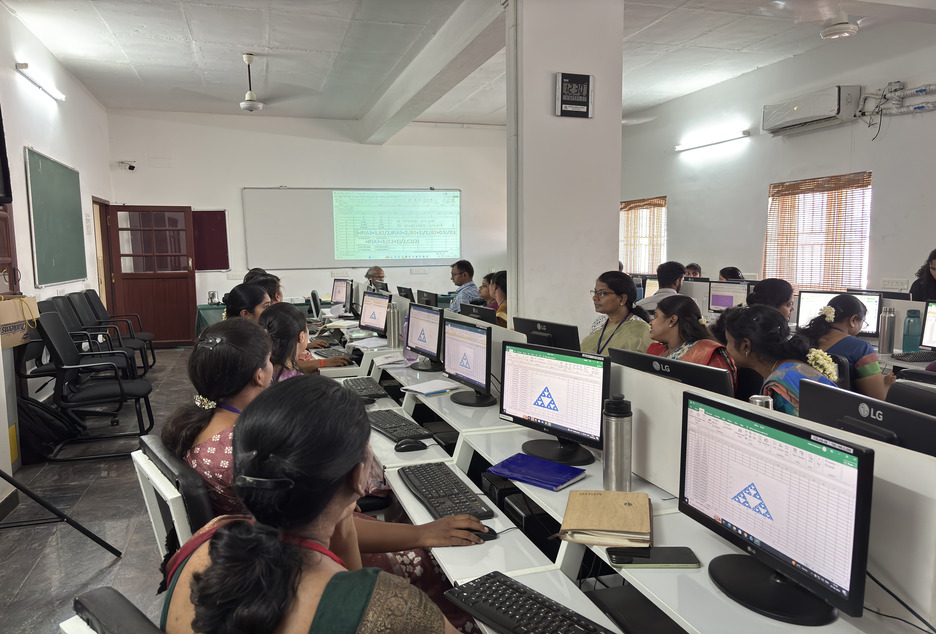
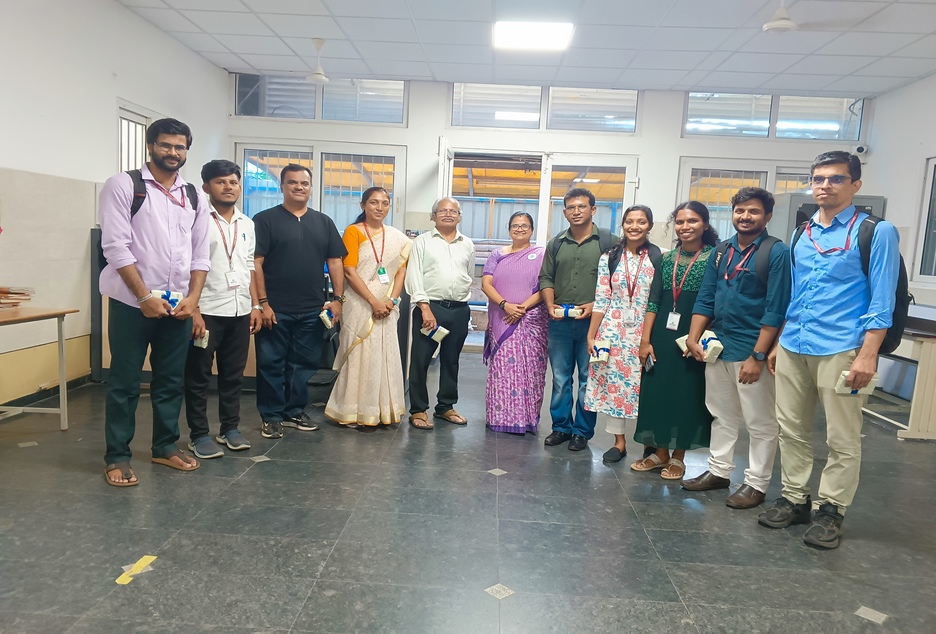
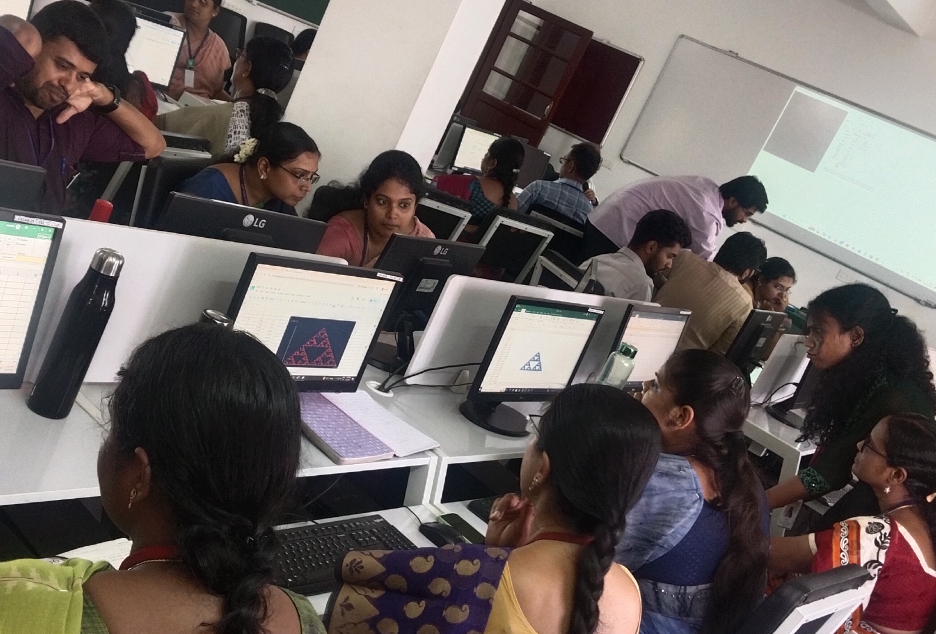
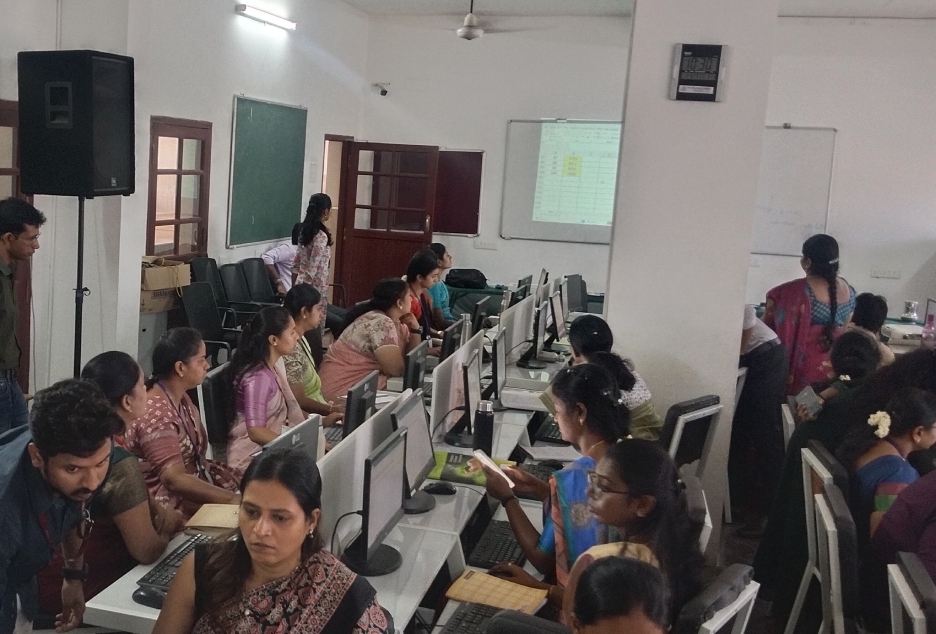
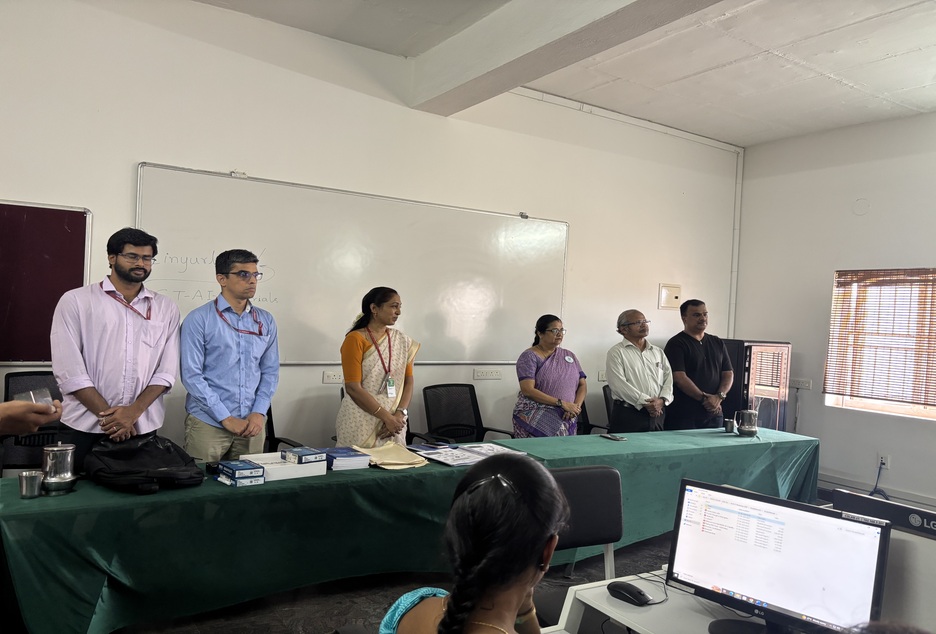
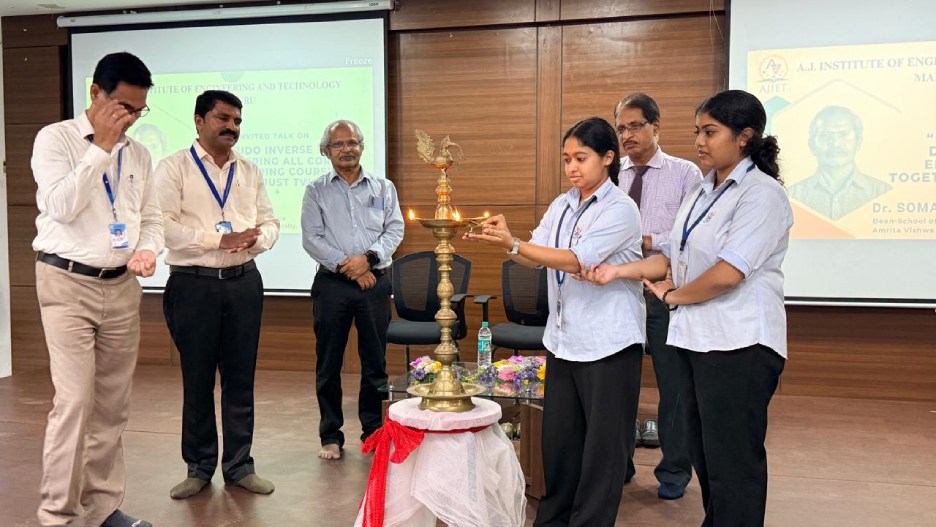
Dr. Soman K. P., Dean of Amrita School of AI, Amrita Vishwa Vidyapeetham, delivered an invited talk on the topic “Pseudo Inverse for Delivering all Core Engineering Courses Together in Just Two Years” on 21 May 2026 at A J Institute of Engineering & Technology, Mangaluru.
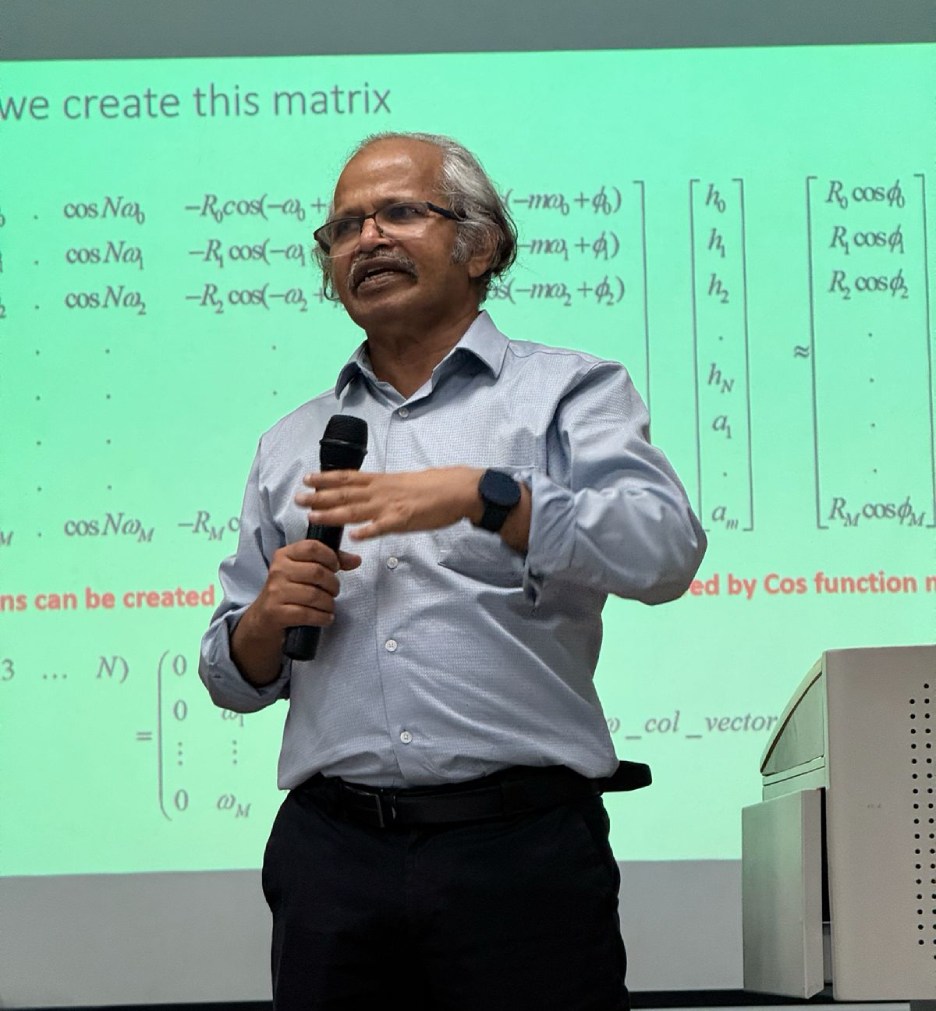
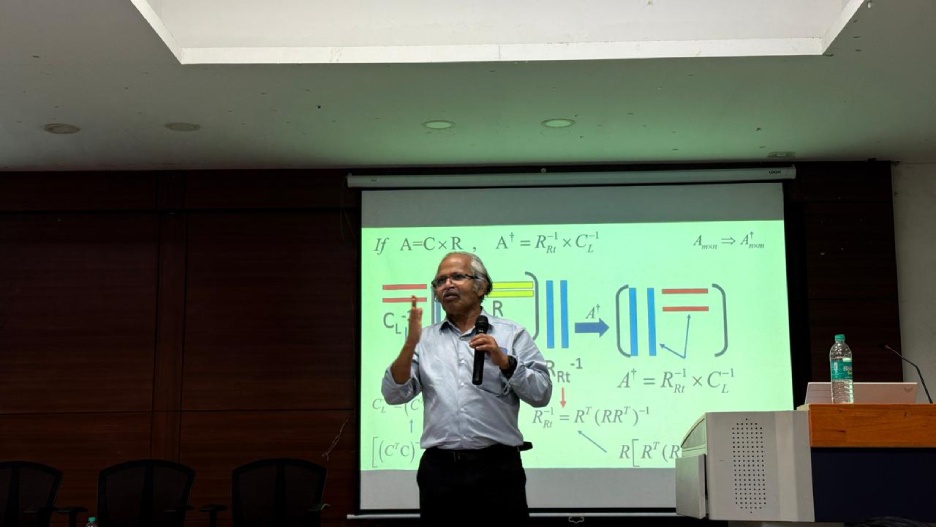
The Amrita School of AI, Amrita Vishwa Vidyapeetham, Coimbatore Campus, successfully organized the AI Readiness Workshop 2026 on 20 April 2026 at AB4, Coimbatore Campus. The one-day workshop brought together faculty members, students, researchers, and AI enthusiasts for a day of learning and knowledge sharing.
The workshop introduced participants to important concepts in Artificial Intelligence and provided insights into emerging technologies shaping the future of computing. Attendees had the opportunity to learn about topics such as machine learning, deep learning, generative AI, transformers, and large language models.
The sessions covered topics including Data Structures and Data Compression, Machine Learning Algorithms, PCA and Variational Auto Encoders, Pseudo Inverse Learners, Diffusion Models in Generative AI, andTransformers and Large Language Models (LLMs).
Participants actively engaged in the sessions and gained a better understanding of the mathematical concepts and technologies behind modern AI systems. The workshop also provided a platform for interaction and discussion among students, faculty members, and researchers interested in Artificial Intelligence.
The event concluded successfully with positive participation and served as an opportunity for attendees to explore the rapidly growing field of AI and its future possibilities.
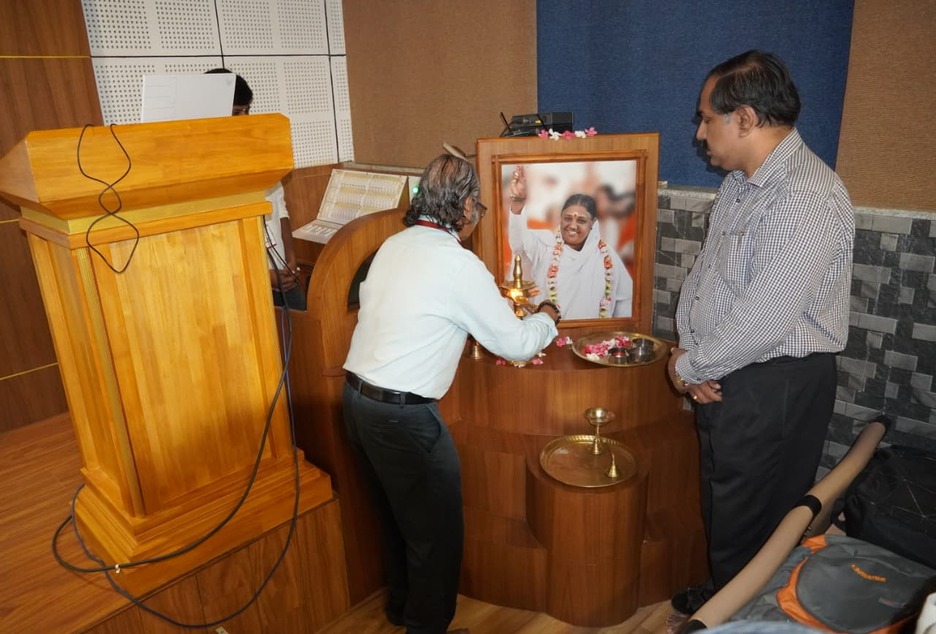
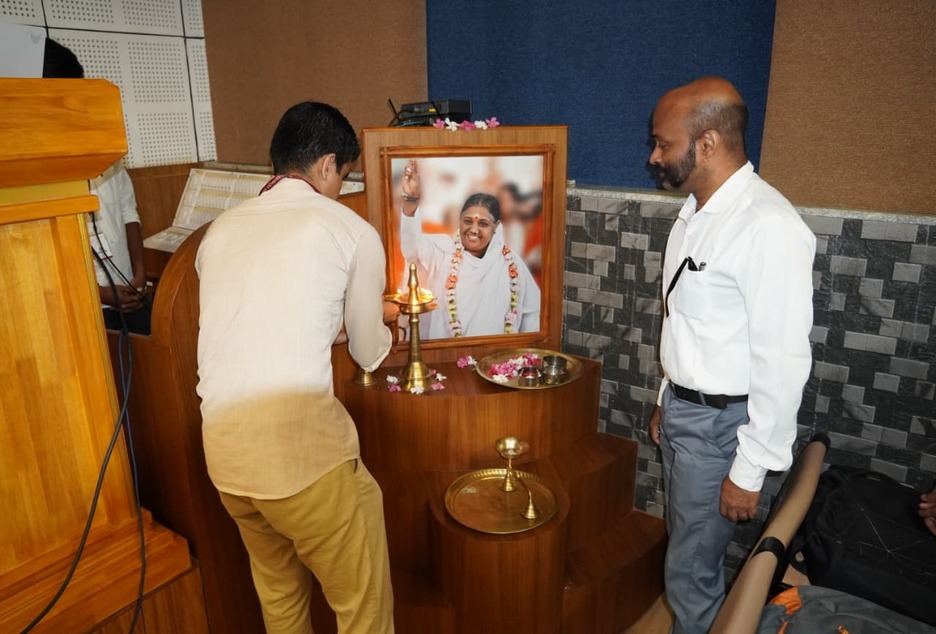
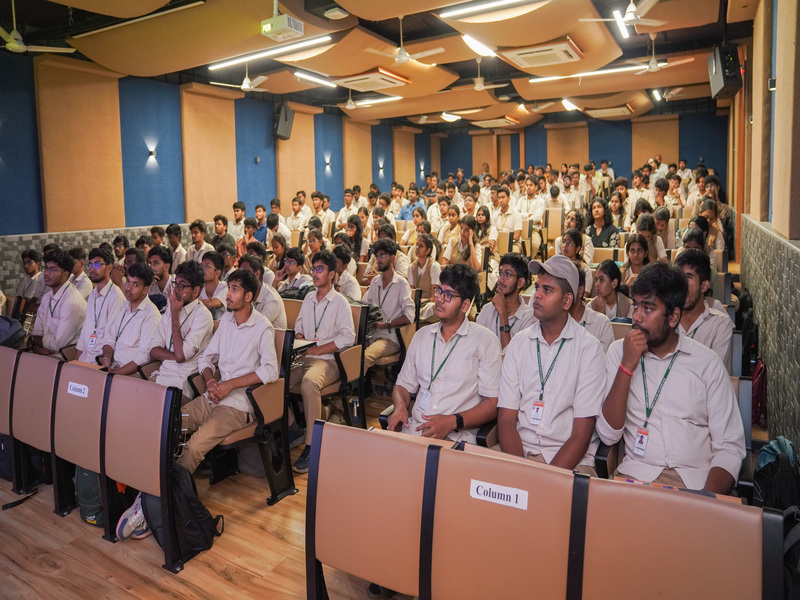
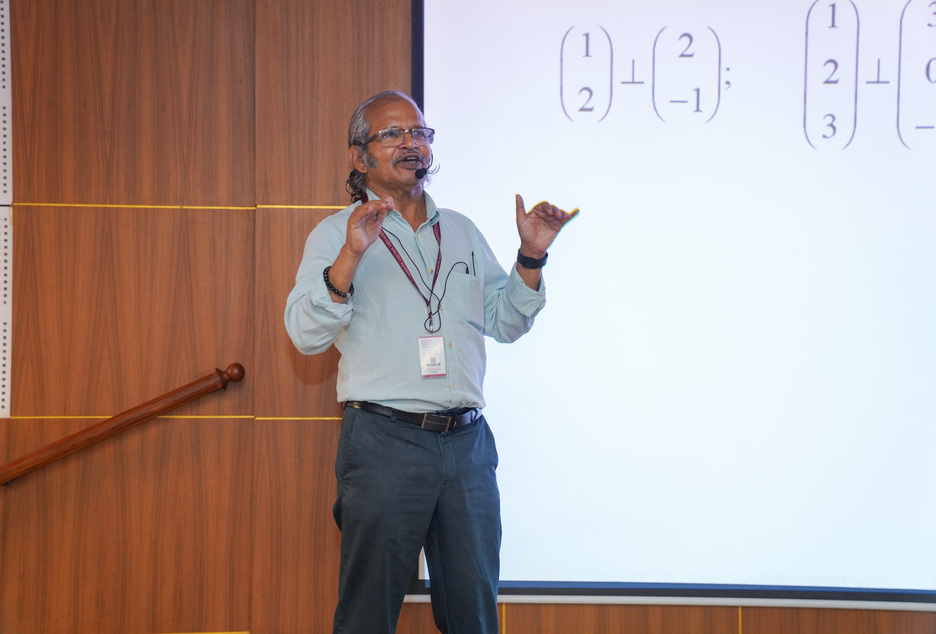
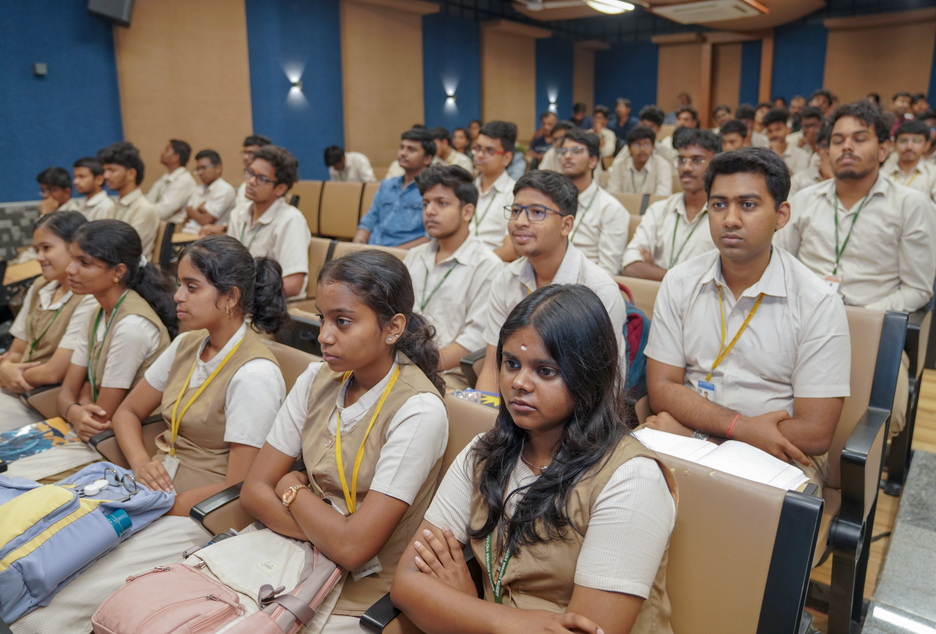
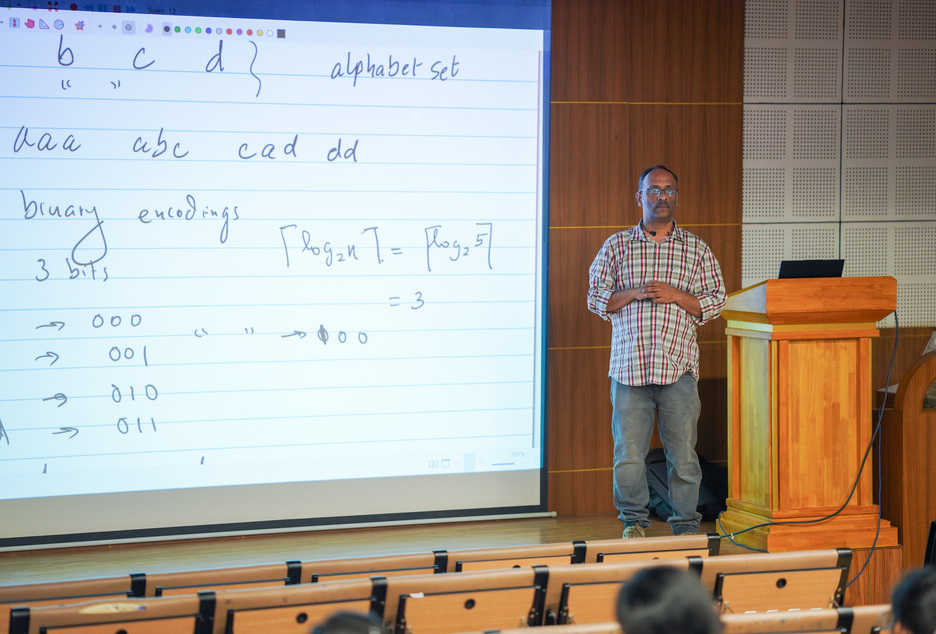
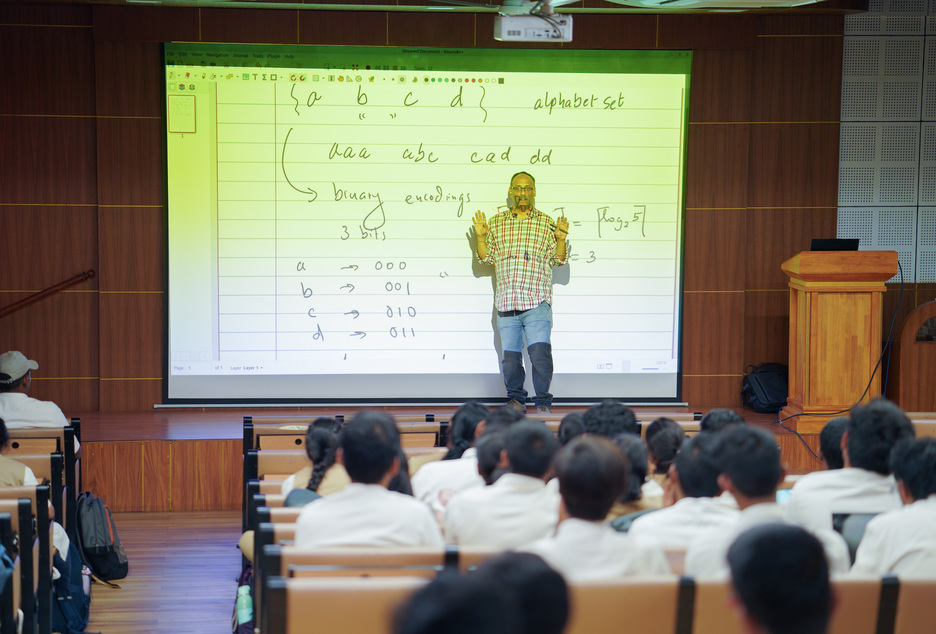
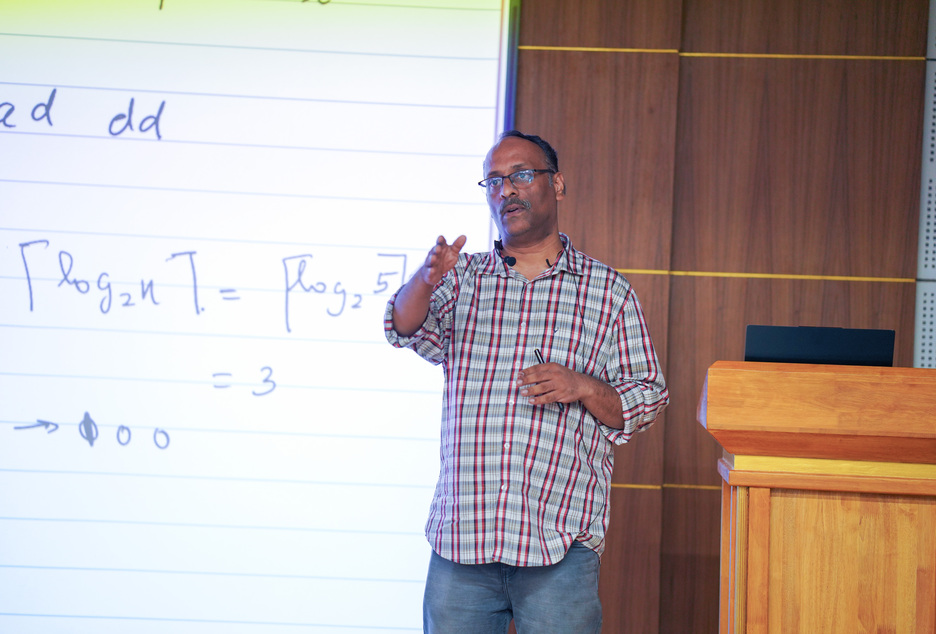
A methodology and its books, however carefully designed, must prove themselves in the room — in front of teachers who will adapt it to their classrooms, and students who will learn from it. The School of Artificial Intelligence undertook three workshops in 2025– 26 to assess how well the programme integrates with the realities of school and undergraduate teaching, and to gather direct feedback from the educators and students who matter most.
A workshop for high school teachers and Pre-University (PU) lecturers, alongside a cohort of PU students. The session introduced the conceptual framework of the book, explored how computational thinking can be woven into existing school mathematics, and assessed whether the mathematical progression — from CR decomposition to pseudo-inverse — is accessible at the higher secondary level. Critically, students were able to engage with the material and conduct computational experiments using only spreadsheet software.
26 Educators
19 PU Students
High School + PU Level
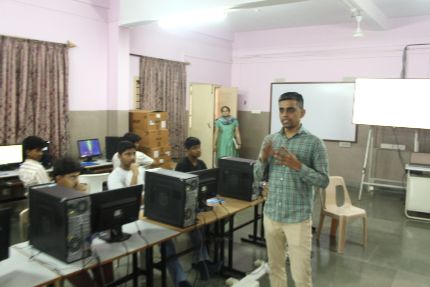
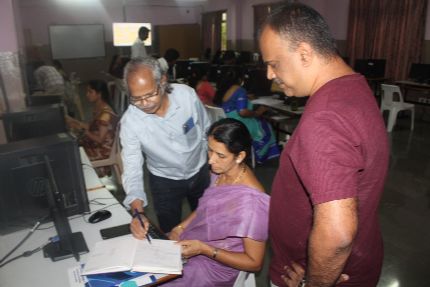
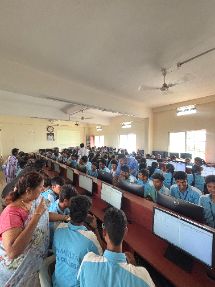
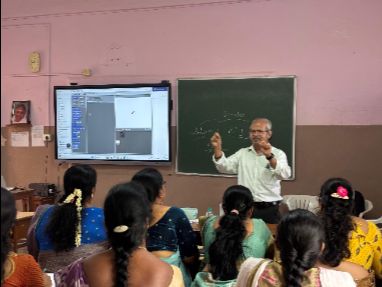
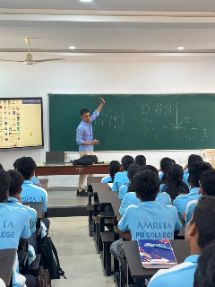
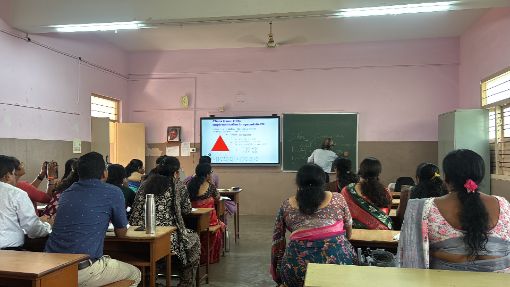
A larger-scale session bringing together high school teachers and PU lecturers alongside a substantial student cohort. The reach of this workshop allowed the team to observe how the curriculum scales to a larger audience, and to collect nuanced feedback from a more geographically diverse educator group in the Karnataka region. Students confirmed a key finding from Bengaluru: the core methodology can be understood within approximately five hours of guided instruction.
13 Educators
120 PU Students
High School + PU Level
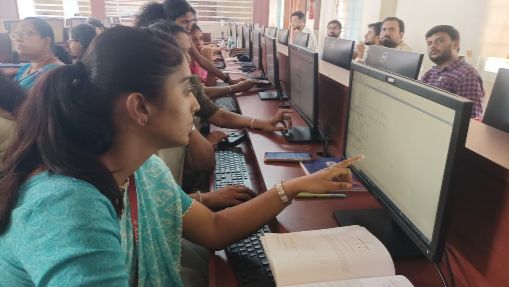
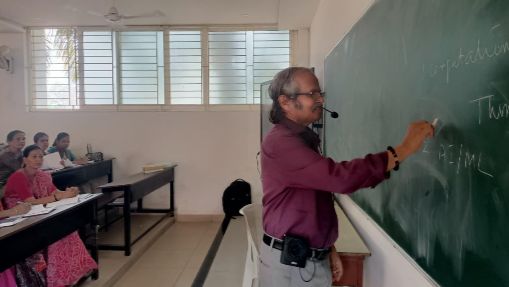
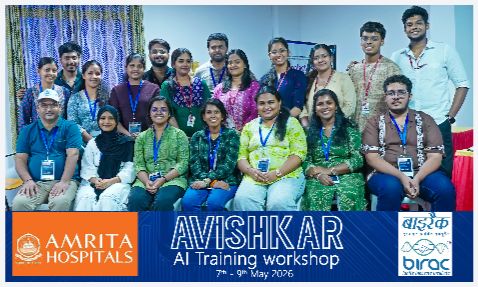
The most intensive engagement in the series: a three-day AI training workshop at Amrita Institute of Medical Sciences (AIMS), Kochi, as part of the Avishkar programme. This workshop reached an interdisciplinary audience — medical undergraduate students and BTech students together — testing a central thesis of the initiative: that the analytical foundations of AI are navigable for learnersnacross biology, medicine, and engineering alike.
3-Day Intensive
Medical UG Students
BTech Students