July 16, 2024
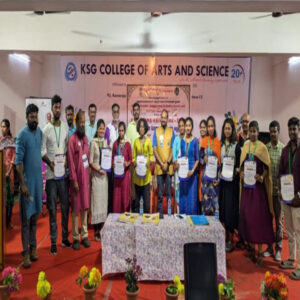
As part of the Drug Free India campaign, the State Coordinator of the campaign, Kalaimamani A. Pazhaniyapillai, visited the Department of Social Work on July 16, 2024, along with DCPU officials. The visit aimed to create awareness among the second-year MSW students on the topic “Drug Free India.” To mark the occasion, a drawing competition was held, coordinated by the student coordinators Banupriya R and Navaneeth R M.
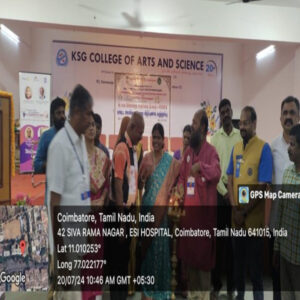
Three second-year MSW students won the first three positions in the competition:Roniya Deep P J, Anugrahalakshmi & Lekshmipriya V. The students of the department were invited to the prize ceremony at KSG College of Arts and Science, Singanallur, Coimbatore to receive the prizes.
20th – 22nd August 2024
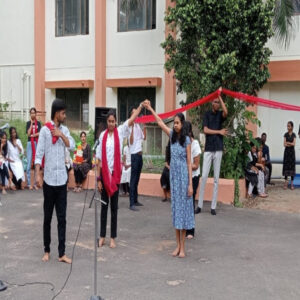
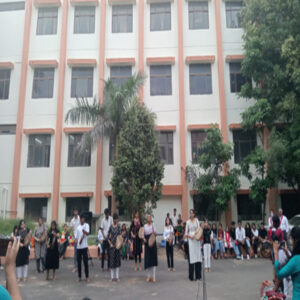
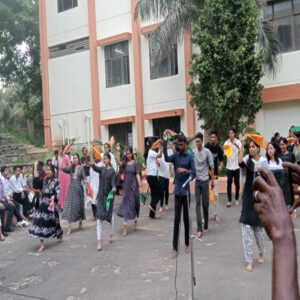
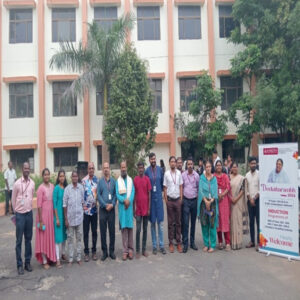
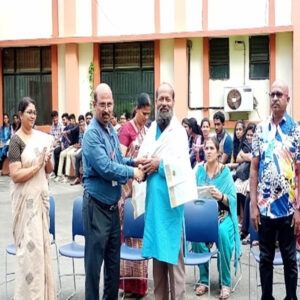
First-year BSW, MSW and PG Diploma students took part in a three-day folk arts workshop on August 20, 21 and 22, led by Kalaimamani Dr. Pazhaniapillai and his team. Guided by skilled facilitators, the students learned a range of traditional art forms, including Street Theatre, Mime, Skit, Thappattam, Oyilattam, Karakattam and Kolattam.
The workshop closed with a lively exhibition in which the students showed off their newly acquired skills. Their energy and enthusiasm captivated an audience of faculty and students from all departments. The occasion was a tribute to the power of folk arts to bring people together and to nurture individuality and creativity.
September 17, 2024
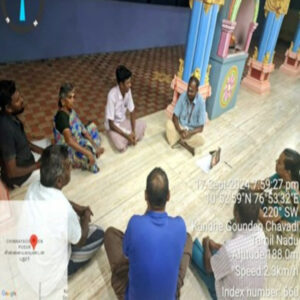
On September 17, 2024, the Department of Social Work launched the Amrita Farmers Group, its first-ever farmers’ collective, at C.G. Pudur and K.G. Chavadi in Coimbatore district. The project is led by Dr. S. Kanagaraj, Assistant Professor in the department.
The Amrita Farmers Group aims to address the pressing challenges farmers face in the region. It promotes organic farming methods, works to raise farmers’ incomes through collective marketing, and fosters social cohesion, with the goal of building a prosperous and sustainable farming community.
The initiative will offer training, capacity-building programmes and advocacy support. Its goal is to empower farmers, particularly those from marginalised communities, to improve their quality of life, and this launch is a strong start.
February 1st to 19th 2025
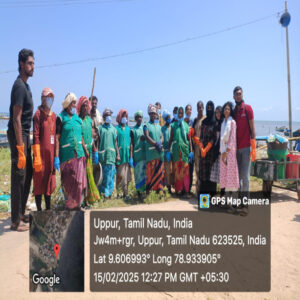
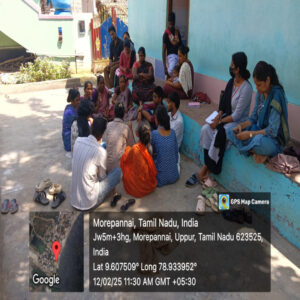
The fieldwork program was conducted in Rameshwaram from 1st February to 19th February 2025. The selected villages for this initiative were Thondi, Morpannai, Nambuthalai, and Soliyakudi. A total of 47 students along with 5 faculties and 3 PhD scholars were assigned , focusing on various community-based activities to understand and enhance the socio-economic conditions of the local population.
The fieldwork covered the following villages: Thondi,Morpannai, Nambuthalai, Soliyakudi
Each village had 12 students along with one faculty, actively involved in conducting surveys, awareness sessions, and community development initiatives.
The primary objectives of the fieldwork were to conduct case work and group work to address individual and collective issues, engage in community organization activities, and carry out surveys to assess technological awareness and economic conditions. The students aimed to conduct technology surveys , economic surveys, curriculum surveys , Focus Group Discussions (FGDs),technology class , awareness sessions, and a clean-up drive to promote environmental sustainability.
6th to 8th March 2025
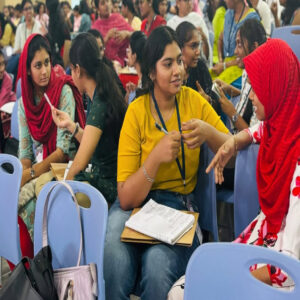
The School of Social and Behavioral Sciences (SSBS) at Amrita Vishwa Vidyapeetham, organized by PGDCP students, hosted a three-day symposium, “Kaleidoscope of Healing: An Eclectic and Integrated Approach to Brief Therapies,” from March 6 to 8, 2025. The event brought together students and professionals from Psychology and Social Work to explore diverse therapeutic approaches aimed at addressing trauma, enhancing interpersonal skills, and managing crises.
The symposium featured insightful sessions led by esteemed experts, including Dr. Thamilselvan P (PSGCAS, Coimbatore), Dr. Dhamodharan M (SRM, Andhra Pradesh), Ms. Anwesa Bandhyopadhyay (JDC, Kolkata), Dr. Aravind Raj E (NIMHANS, Bengaluru), Dr. Prasanta Kumar Roy (Institute of Psychiatry, Kolkata), and Mrs. Sashi Chandran (Nityagurukula, Coimbatore). Each session provided valuable insights into different healing techniques and their practical applications.
The event saw the enthusiastic participation of around 200 students from various colleges, making it a highly interactive and engaging learning experience. On the second day, a vibrant cultural program showcased the artistic talents of students from the MSW, BSW, PGDCP and Architecture departments. The performances, ranging from music and dance, added an element of creativity and joy, highlighting the role of art in therapy and personal expression.
On the third and final day, certificates were distributed to all participants and contributors in recognition of their active involvement. The symposium successfully blended academic learning with creative expression, fostering collaboration and expanding knowledge on brief therapies among students and professionals alike.
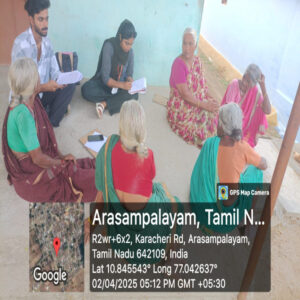
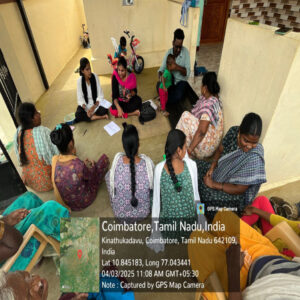
In an inspiring blend of academic learning and grassroots engagement, the MSW students of Amrita Vishwa Vidyapeetham, in collaboration with AMMACHI Labs, launched their fieldwork journey with a vibrant visit to Arasampalayam village on March 8, 2025. Spanning from March 8th to April 3rd, 2025, this immersive experience provided students with a unique opportunity to engage directly with rural communities. Marking the occasion of International Women’s Day, the day unfolded as a celebration and a powerful starting point for participatory learning. Cultural performances, interactive discussions, and inclusive activities brought women and community members together in an atmosphere of joy, dialogue, and mutual respect. This first encounter did more than break the ice—it sowed the seeds of trust, empathy, and collaboration that would define the following weeks of field engagement. The initiative aimed to go far beyond textbooks, immersing students in the heart of rural realities while promoting empowerment, awareness, and social transformation—beginning with listening, observing, and learning from the people themselves.
Over the following weeks, the students immersed themselves in a rich array of field-based activities, including household surveys, focus group discussions (FGDs), key informant interviews (KIIs), seasonal calendars, socio-ecological mapping, daily activity clocks, problem tree analysis, SWOT analysis, and transect walks. These tools allowed students to delve into the intricate layers of village life, uncovering patterns of employment, education, gender roles, health issues, access to resources, and environmental challenges. Each group of students engaged with diverse segments of the community, ranging from elderly residents and self-help group leaders to unmarried youth and working families, capturing a holistic picture of rural dynamics. A key insight from the field was the pervasive issue of water scarcity, with many families receiving water for barely 25 minutes on alternate days. Employment patterns revealed seasonal fluctuations and a growing dependence on schemes like MGNREGA, while health discussions exposed concerns about access to consistent medical care. Gender-based time-use studies highlighted the invisible labor of women, who juggled domestic responsibilities, caregiving, and in some cases, income-generating work. Through focus group discussions, women voiced aspirations for greater educational and economic opportunities, while elderly participants reflected on shifting cultural values and the challenges of aging in a rapidly changing society. The students didn’t just study the community—they became a part of it. From mapping village resources to listening to life stories, from celebrating Women’s Day with dance and song to sitting in quiet conversations under shaded verandas, this experience transformed theory into empathy and data into dialogue. More than just observers, the students became facilitators of reflection, offering the villagers a mirror through which to see their strengths, struggles, and the paths ahead.
Importantly, the fieldwork highlighted the power of participatory methods in rural development—methods that prioritize listening, learning, and co-creating solutions rather than imposing them. Students walked away not just with sharpened research skills, but with a deeper appreciation for resilience, for community bonds, and for the nuances of development that no textbook can truly capture. This collaboration between Amrita Vishwa Vidyapeetham and AMMACHI Labs was more than a field visit—it was a journey of mutual learning. Students and villagers exchanged knowledge, built meaningful connections, and discovered the power of community-led change. They returned not just with data, but with deeper insights, renewed purpose, and the wisdom to practice social work with empathy and understanding.
The Department of Mass Communication organized a 4-day workshop on Motion Design with Adobe After Effects on August 1, 6, 7, and 8, 2025, at Amrita Vishwa Vidyapeetham, Coimbatore. The expert sessions were conducted by Mr. Rahul Siddhan, Creative Designer and Motion Graphics Mentor, who guided students through practical and beginner-friendly lessons.
During the workshop, students were introduced to tools like Adobe After Effects, Photoshop, and Illustrator. They learned to animate logos, drawings, and concepts, build motion-based presentation videos, and export their work for portfolios, reels, and digital platforms. The sessions were highly interactive and hands-on, helping students gain confidence in using creative digital tools.
The program was open to students from the Department of Mass Communication, School of Architecture, and School of Social and Behavioural Sciences. Our 2nd year BSW students actively participated in the workshop, exploring how motion design can be applied in presentations, social awareness campaigns, and creative documentation. The experience provided them with valuable digital skills that will strengthen both their academic projects and future social work initiatives.
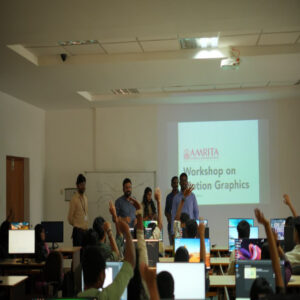
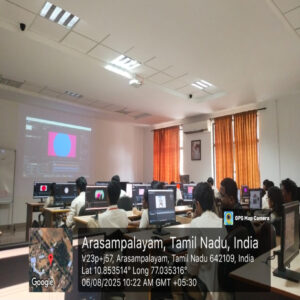
A workshop on “Knowing Oneself”- a pathway to students’ well-being, was conducted at Amrita Vishwa Vidyapeetham, Ettimadai, Coimbatore, by social work department during the day 2 of tech fest “Anokha 2026”- 8th January 2026. It was led by the resource person Dr. E Aravind Raj from NIMHANS, Bengaluru. The session offered deep personal-professional insights and employed participatory methodology to foster self-awareness and mental health resilience.
Key learnings included weekly self-reflection practices, recognizing personal potential, managing stress through heightened self-awareness, cultivating mindfulness and presence, enhancing productivity, and contributing meaningfully to society mirroring WHO’s four essential elements for improving mental health.
Participants examined healthy versus unhealthy qualities, the power of positive thinking, and tools like journaling to sustain optimism. A light-hearted “joke game” illustrated how a more positive cognitive level expands life alternatives and encourages proactive steps. Core motivational messages emphasized hope, persistence (“Keep Trying! It is more important to you”), and grounding beliefs in facts rather than distortions.
Personal safety reflections highlighted trusted support members for students. The three interconnected components learned are cognitive, emotional, and social underscored holistic well-being.
This experience equipped the participants with practical, evidence-informed strategies for promoting mental health, self-reflection, and resilience. It reinforced the value of integrating psychosocial tools into social work practice, enabling empathetic interventions that empower individuals and communities in diverse settings.
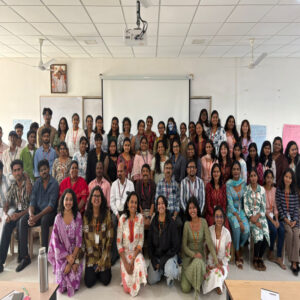
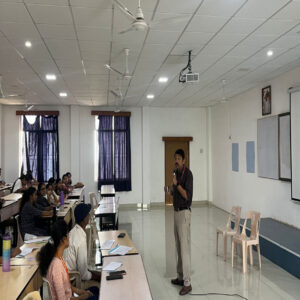
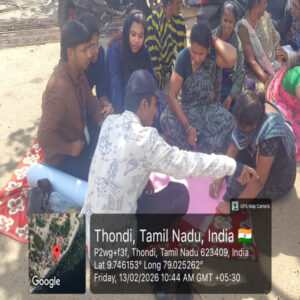
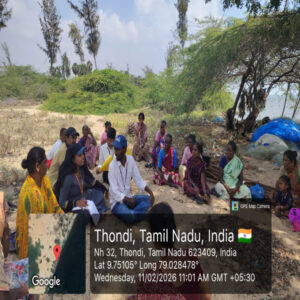
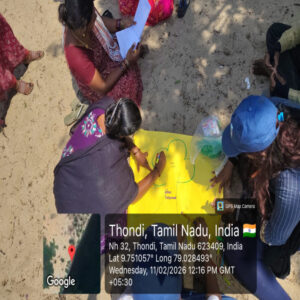
As part of the Bachelor of Social Work (BSW) curriculum, students undertook a fieldwork initiative to conduct a Participatory Rural Appraisal (PRA) in Thondi, a coastal region known for its fishing-based livelihood. The fieldwork was carried out from 4 February to 18 February, focusing particularly on understanding the socio-economic conditions and daily realities of coastal communities.
During this period, the BSW students actively engaged with local residents and community leaders to gather information about the village’s social structure, livelihood patterns, available resources, and key challenges. The PRA approach encouraged meaningful participation from the villagers, allowing them to share their experiences, knowledge, and perspectives about the development needs of their community. To facilitate participatory analysis, the students implemented twelve PRA tools, including Social Map, Resource Map, Mobility Map, Timeline, Seasonal Calendar, Transect Walk, Wealth Ranking, Venn Diagram (Institutional Mapping), Problem Tree Analysis, Daily Activity Schedule, Historical Timeline, and Livelihood Analysis. These tools enabled the students to gain deeper insights into community resources, institutional relationships, occupational patterns, and the overall functioning of the village.
The PRA exercise provided valuable practical exposure for the students by strengthening their skills in communication, observation, and participatory research. The activity also highlighted the importance of community involvement in identifying local issues and developing sustainable solutions, making it a meaningful learning experience in grassroots social work practice.
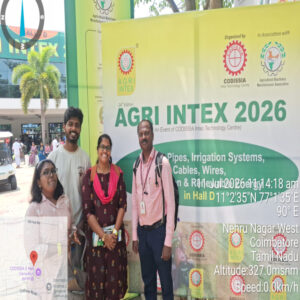
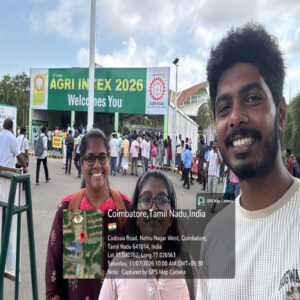
2nd MSW students along with faculty Dr. S. Kanagaraj and Ph.D. Scholar Mrs. Kirthika Senthil, visited the Agri Intex 2026 held at the CODISSIA Trade Fair Complex, Coimbatore, on 11th July 2026 as part of their academic exposure visit. The exhibition is recognized as one of India’s largest and most influential agricultural trade fairs.
The expo served as the dynamic stage for displaying cutting-edge innovations and rising trends in the field of agriculture. Various sectors including agricultural machinery, precision irrigation, organic farming, dairy, poultry, aquaculture, renewable energy, and agri-based technologies- were brought together under one roof, presenting a comprehensive overview of the evolving agricultural landscape. Interactions with exhibitors and industry professionals enhanced their understanding of agricultural entrepreneurship, rural developments and livelihood generations.
Overall, their visit to the Agri Intex taught them how innovations, sustainability and community development can blend together to shape the future generations. This experience has highlighted the noteworthiness of agriculture in empowering rural communities and promoting sustainable development through the lens of social work.
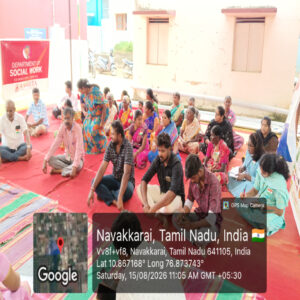
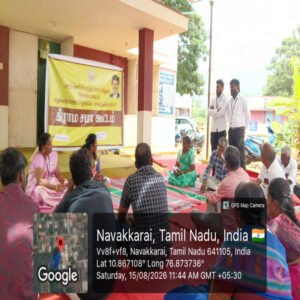
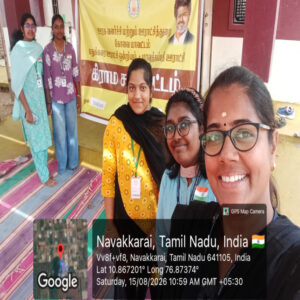
On 15th August 2026, as part of the fieldwork, M. Sivanee (2nd MSW), along with Ms. Kirthika Senthil (PhD Scholar) and 1st-MSW junior students, attended the Independence Day Gram Sabha Meeting at Mavuthampathi Panchayat, Madukkarai Block, Coimbatore district. Meanwhile, K. Aakash (2nd MSW), accompanied by Dr. S. Kanagaraj and 1st MSW junior students, attended the Gram Sabha meeting at Pichanur Village, Coimbatore district. Both meetings provided insights into the gap between government policies and their implementation at the community level.
At Mavuthampathi, health officials discussed dengue prevention and free TB treatment, while residents raised concerns regarding locked disabled-friendly toilets, transfers of familiar health staff, delays in death relief funds for tribal families, and the absence of birth certificates for two children aged 10 and 12. Other concerns included an unopened NGO-built ration shop, 16 non-functional CCTV cameras, and the absence of an elected Panchayat President since 2016, leaving one Secretary to manage several panchayats. On the other hand, Pichanur, residents expressed concerns about the non-allocation of promised employment under the MGNREGA 100 Days Employment Scheme. The frequent transfer of five secretaries within two years was also highlighted as a challenge to administrative continuity and accountability. Residents further pointed out the need for better primary healthcare infrastructure and maintenance of the local ration shop.
Together, the meetings highlighted the realities of rural governance and the need for transparency, continuity, accessible welfare services, timely implementation of schemes, and prompt action on community grievances.