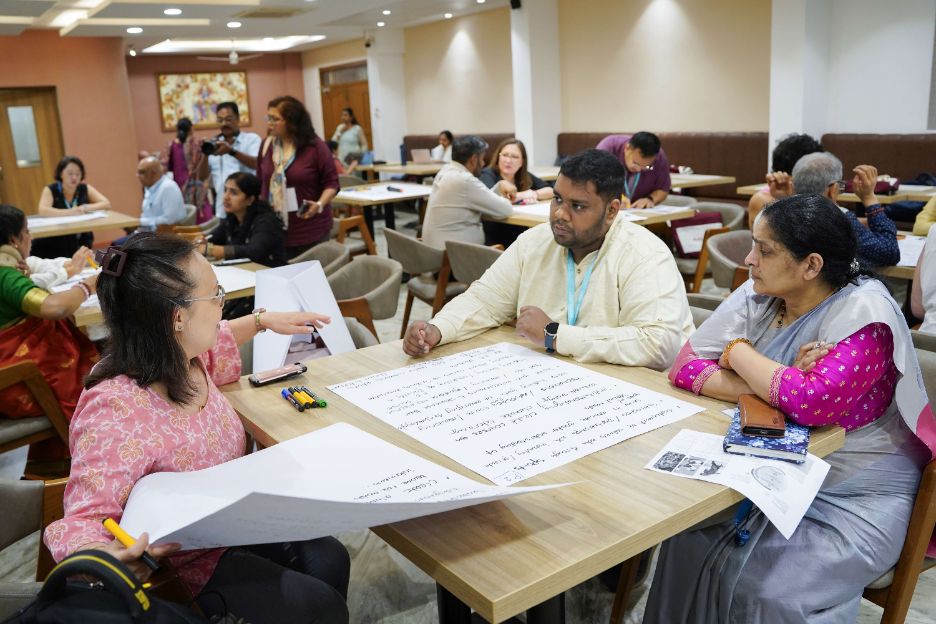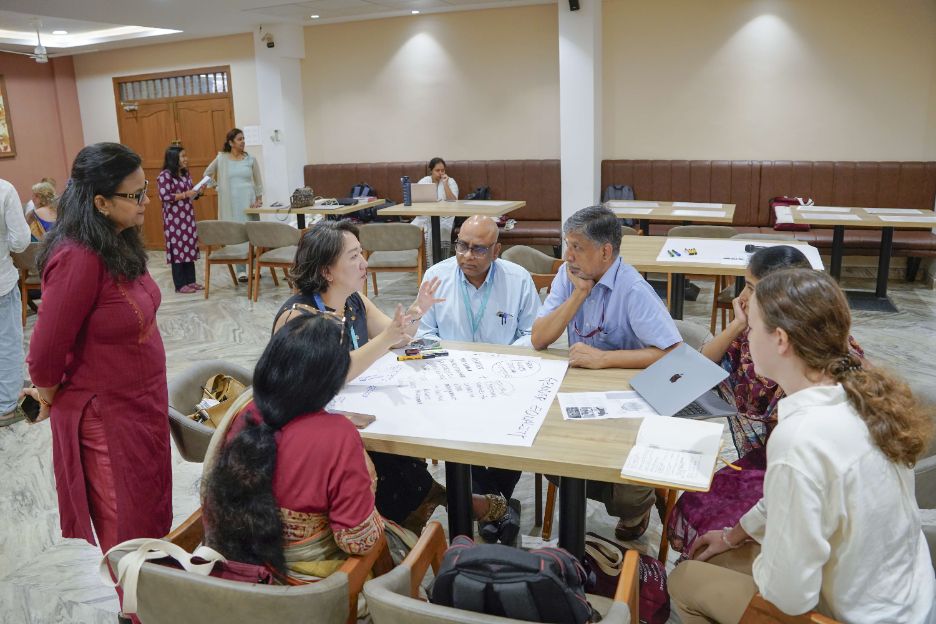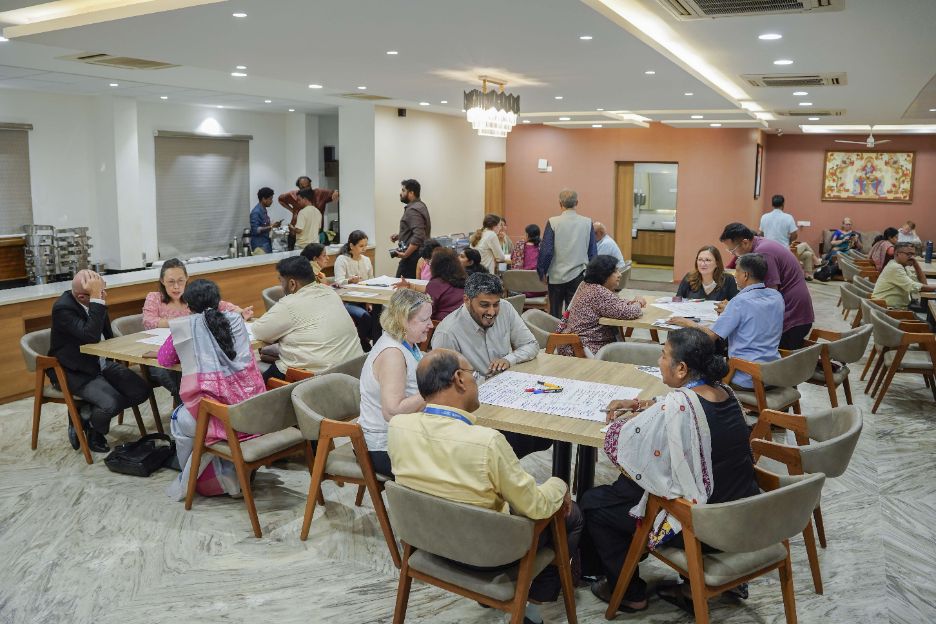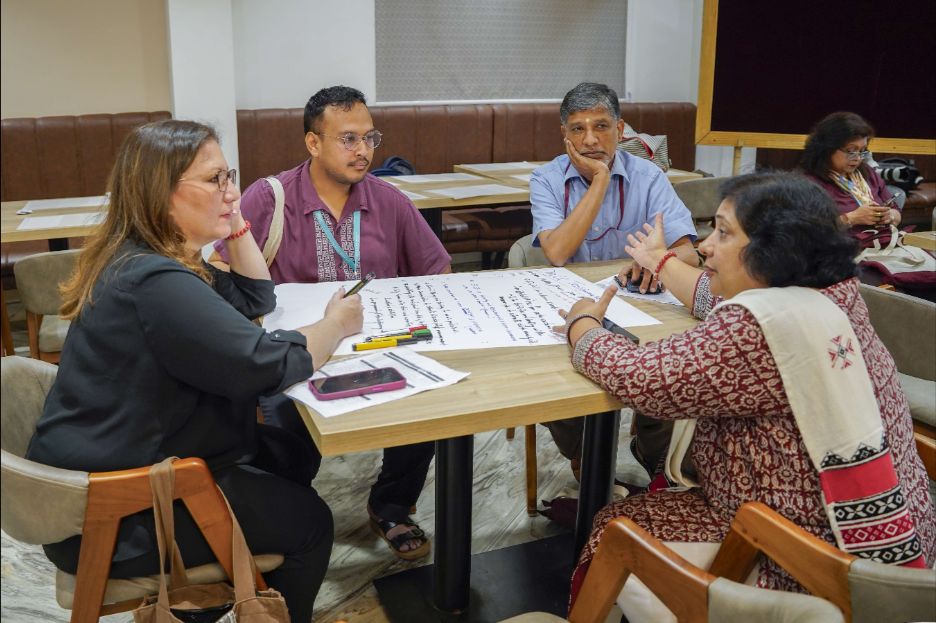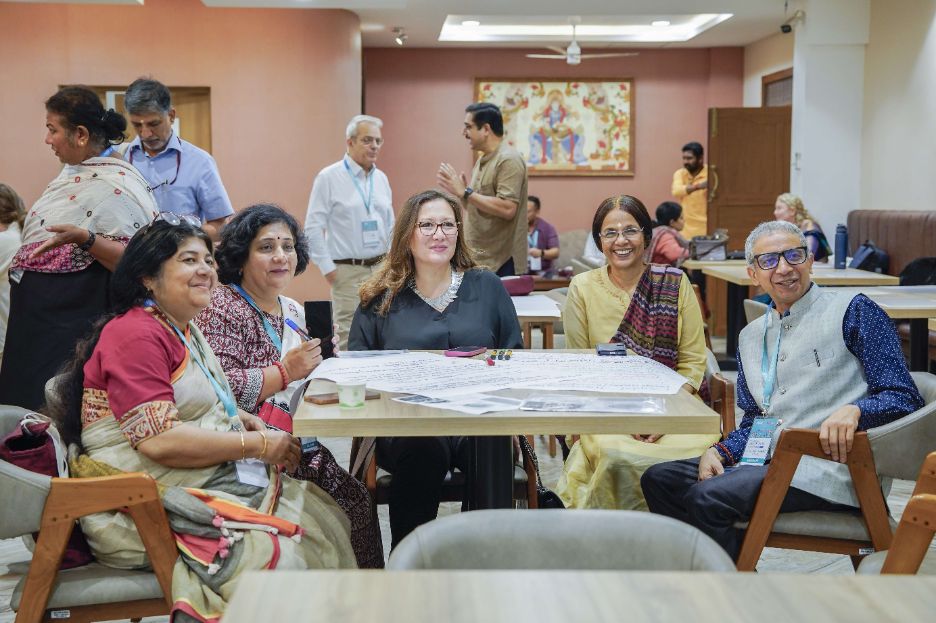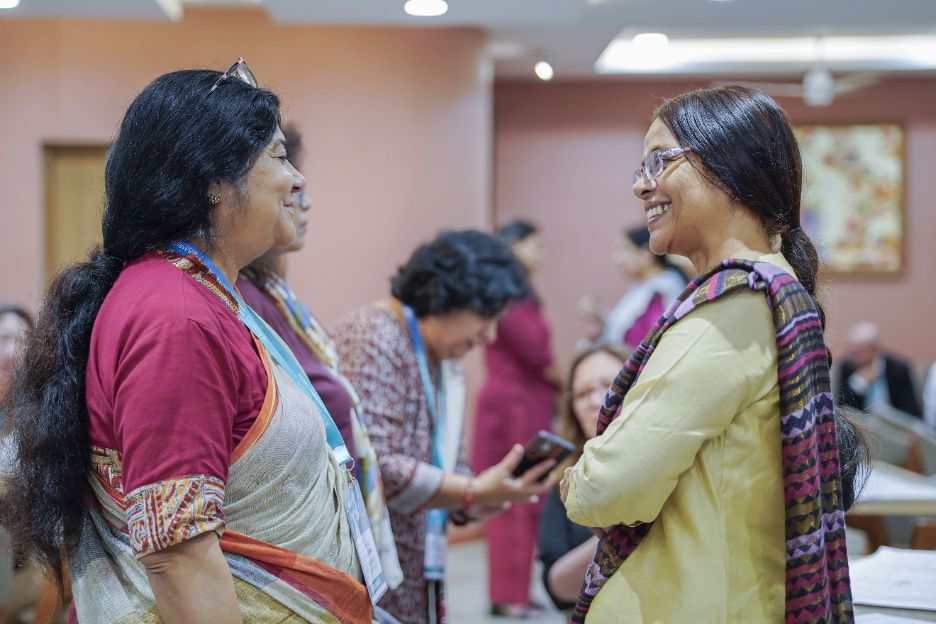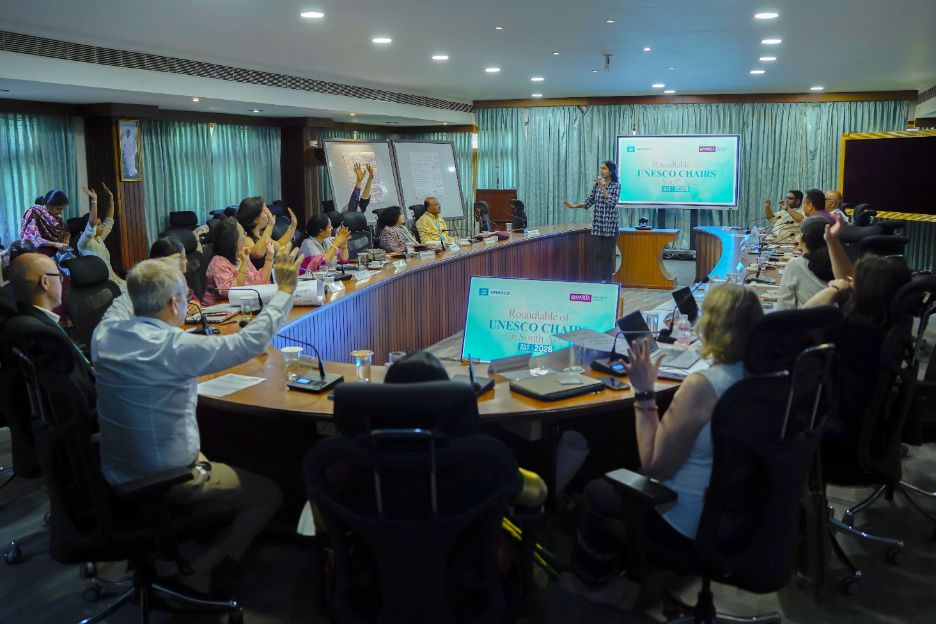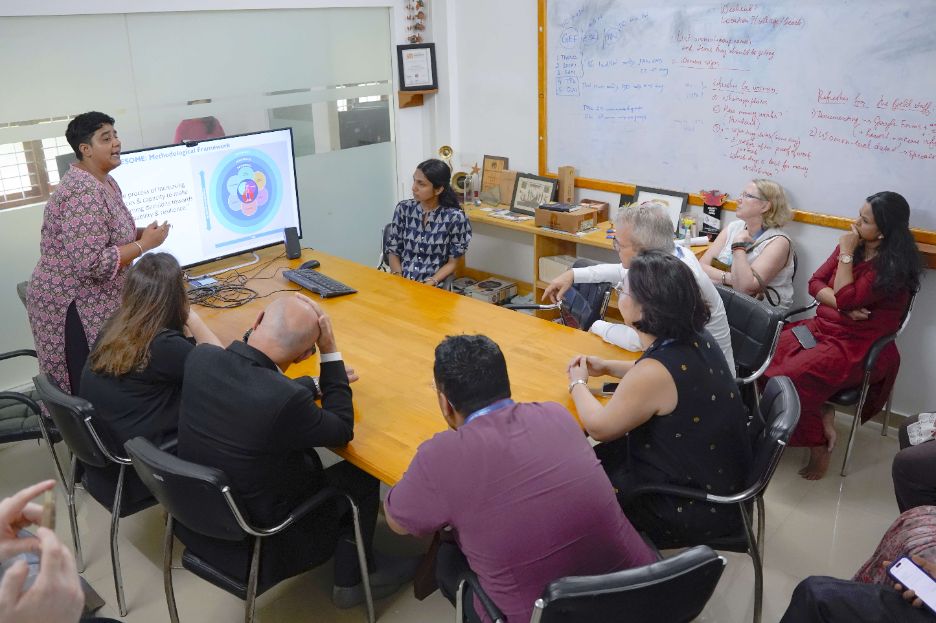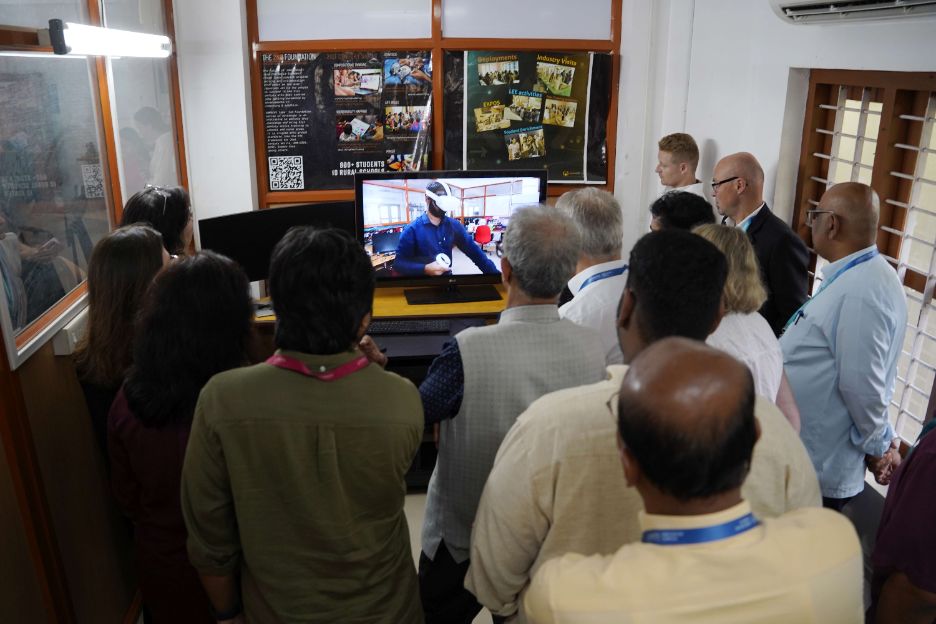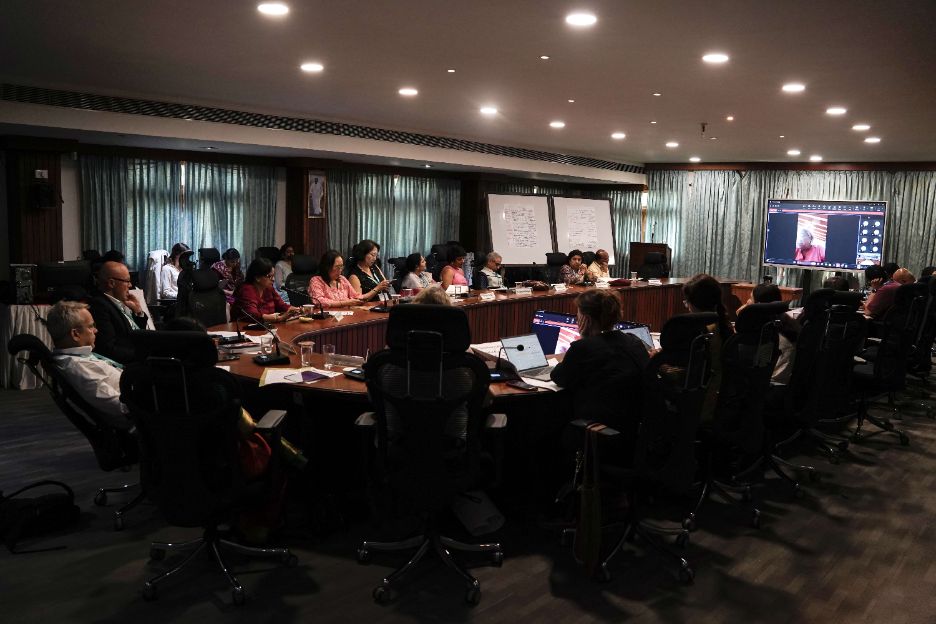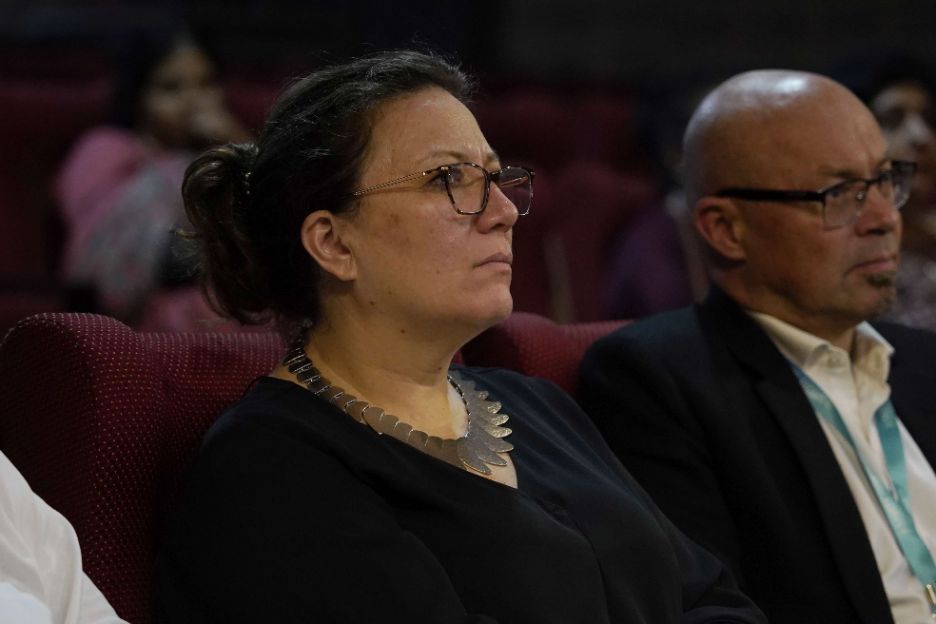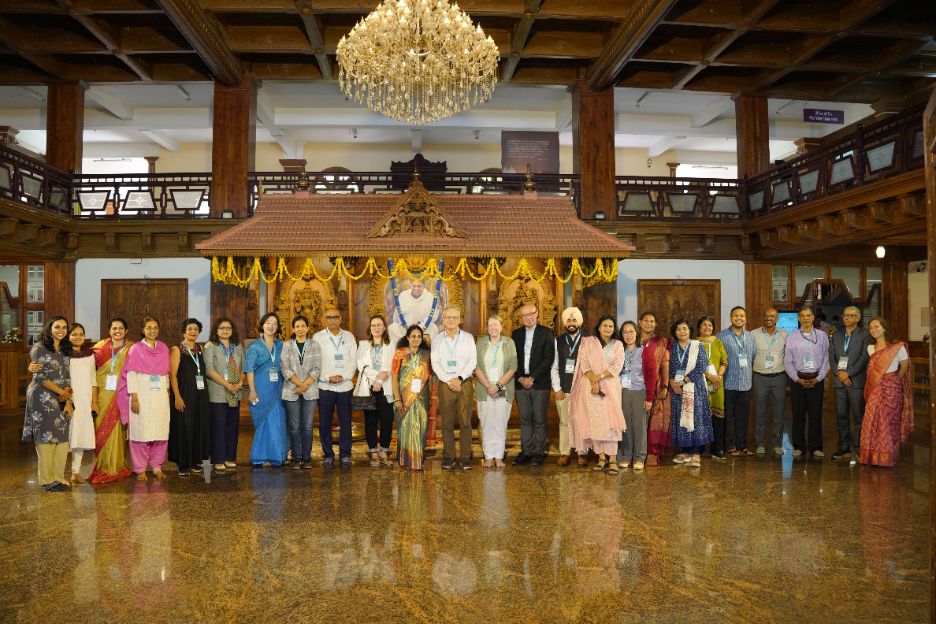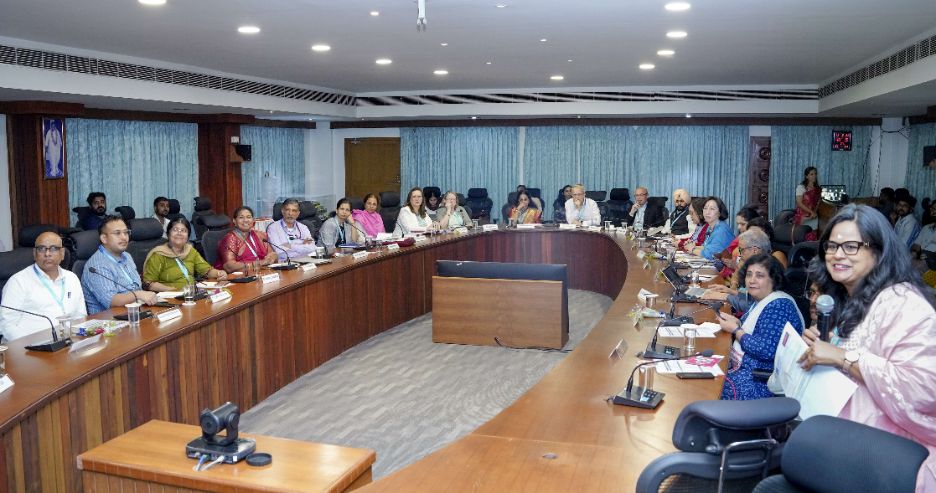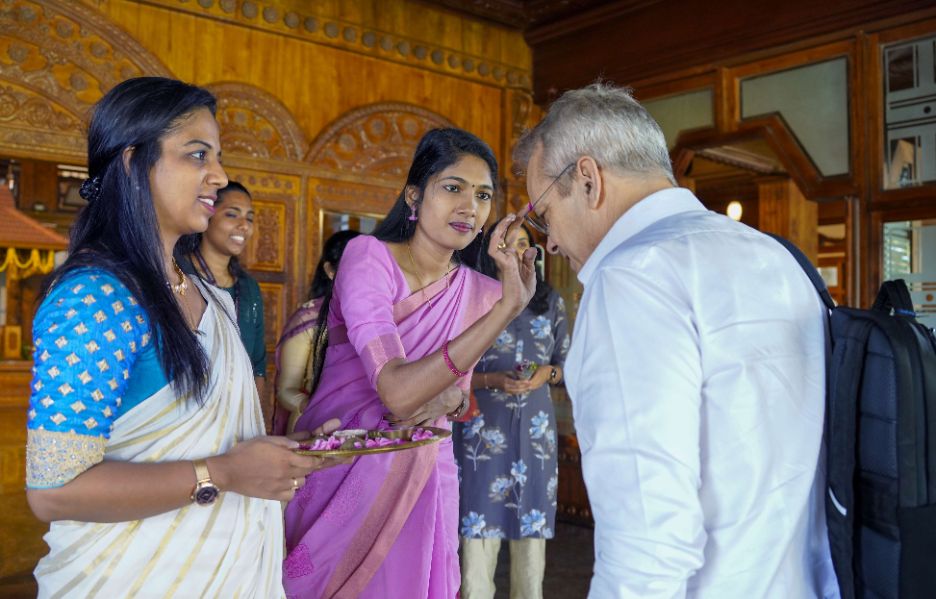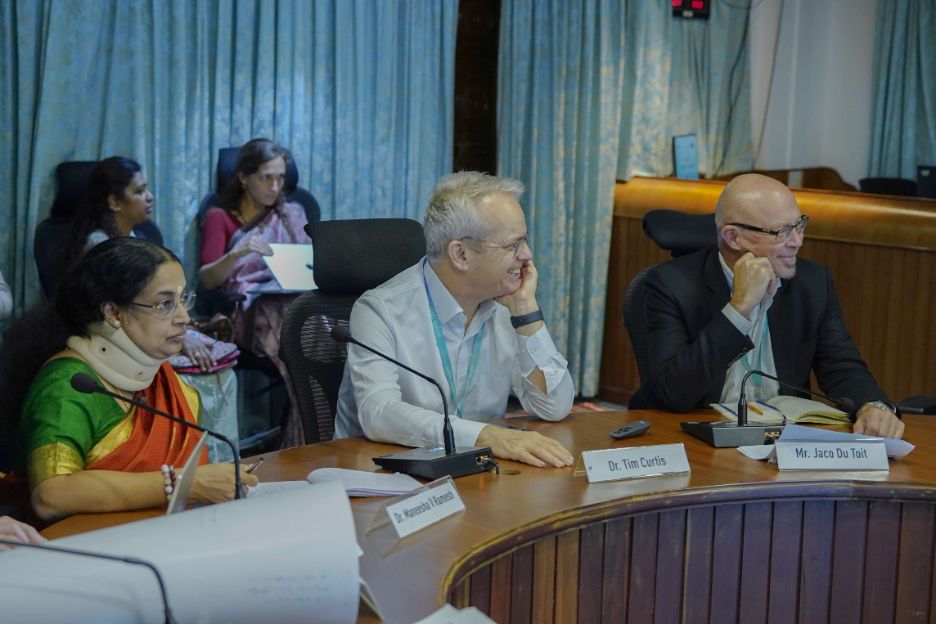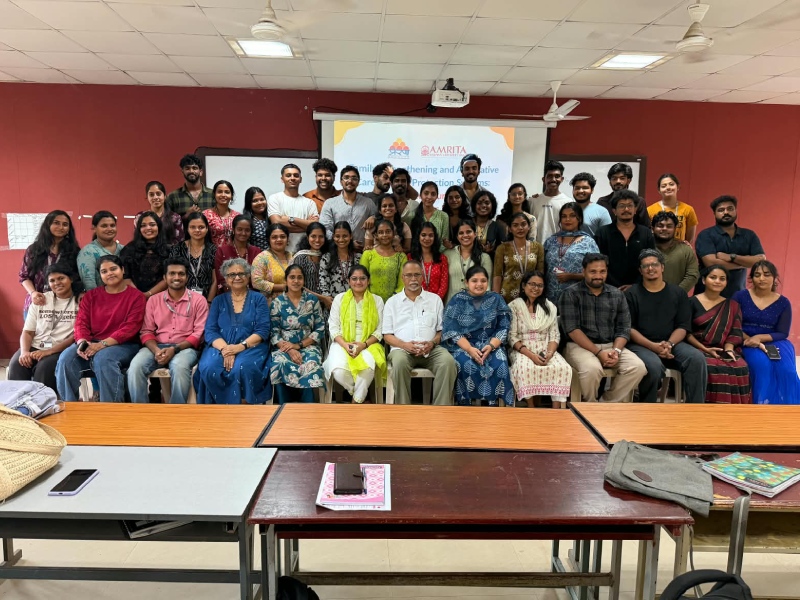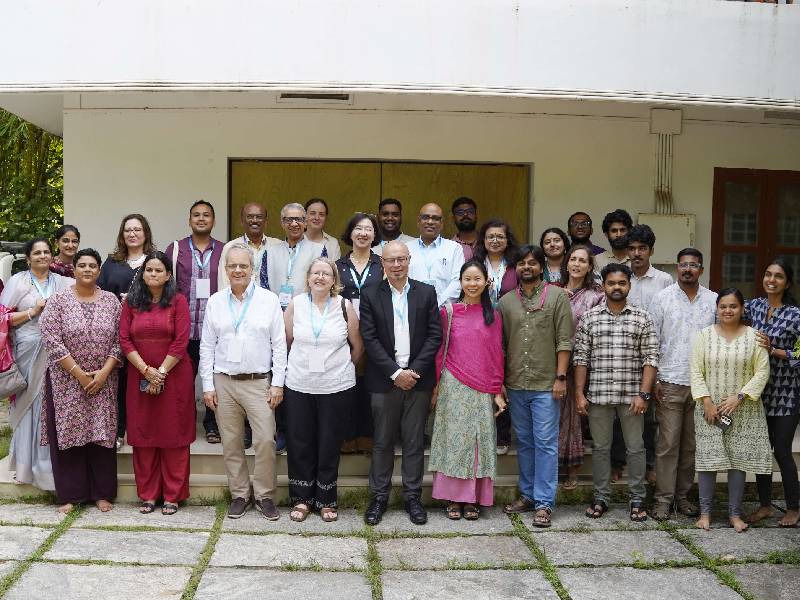
At the recently held Roundtable of UNESCO Chairs in South Asia, held on 13–14 May 2026 at Amrita Vishwa Vidyapeetham in Keralam, representatives from 24 UNESCO Chairs across India, Nepal, Bangladesh, and Sri Lanka gathered for a 2-day summit, with 14 Chairs attending the event in-person and 10 virtually. The assembly encompassed a diverse range of disciplines, including teacher education, climate science, indigenous heritage, and clean sports, with the primary objective of aligning the network’s strategic initiatives with UNESCO’s regional priorities for the 2026–2027 biennium.
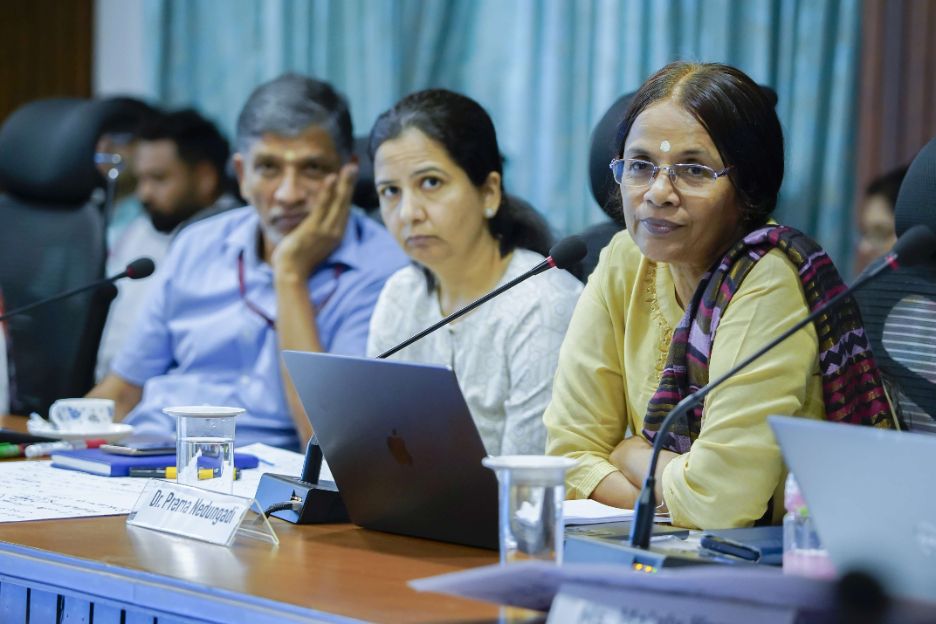
Throughout the proceedings, the Chair on Assistive Technologies emerged as a cross-cutting theme relevant to multiple academic disciplines. The observation made by the Chair lead Dr. Prema Nedungadi – that despite substantial advancements and investments in digital education across South Asia, the benefits of digital learning have largely not reached persons with disabilities ‑ served as a key focal point for the two-day event, shaping subsequent discussions on regional educational equity and accessibility.
Core Pillars and Current Milestones
The UNESCO Chair on Assistive Technologies in Education, co-led by Dr. Prema Nedungadi and Dr. Raghu Raman at Amrita Vishwa Vidyapeetham, operates across four strategic pillars: Research & Development (R&D), Capacity Building, Ecosystem Strengthening, and Institutional Collaboration.
Key metrics and achievements highlighted during the session include:
Among the technical innovations presented was an AI-enabled sign language avatar (currently in development stage) designed to convert spoken audio into Indian Sign Language (ISL), thereby expanding access to digital audio content for deaf users. On the academic front, the Chair noted the establishment of a specialized PhD program in Applied Indian Sign Language Linguistics. Reported as the first of its kind in India, the program integrates sign language linguistics with technological development into a single, cohesive field of study.
Inclusive Methodologies and Inter-Chair Collaboration
A central theme of the presentation was the incorporating participatory design methodologies. In partnership with the University of Hamburg, the Chair is evaluating assistive technologies directly with and by persons with disabilities, rather than designing tools in isolation. This approach aims to address longstanding concerns where accessibility software is developed without sufficient disabled user input. During the digital transformation panel, participants adopted the principle of “inclusivity by design”, advocating for accessibility features to be integrated from the inception of educational technologies rather than added retroactively.
This methodology will be scaled up via a youth hackathon and boot camp series where deaf students, PhD scholars, and young innovators work alongside persons with disabilities as active co-designers. The session strongly emphasized that deafness includes a rich cultural and linguistic identity, and that sign language must be supported as a culturally situated asset rather than a secondary translation tool for spoken language.
Strategic Cross-Disciplinary Convergence
During the Digital Transformation and Cultural Diversity working tracks, the concept of “inclusivity by design”—integrating access features into the base architecture of applications from the outset rather than retrofitting them—served as a foundation for newly established regional linkages. The Amrita Chair formalised pathways for collaborative R&D with three other prominent inclusion-focused Chairs:
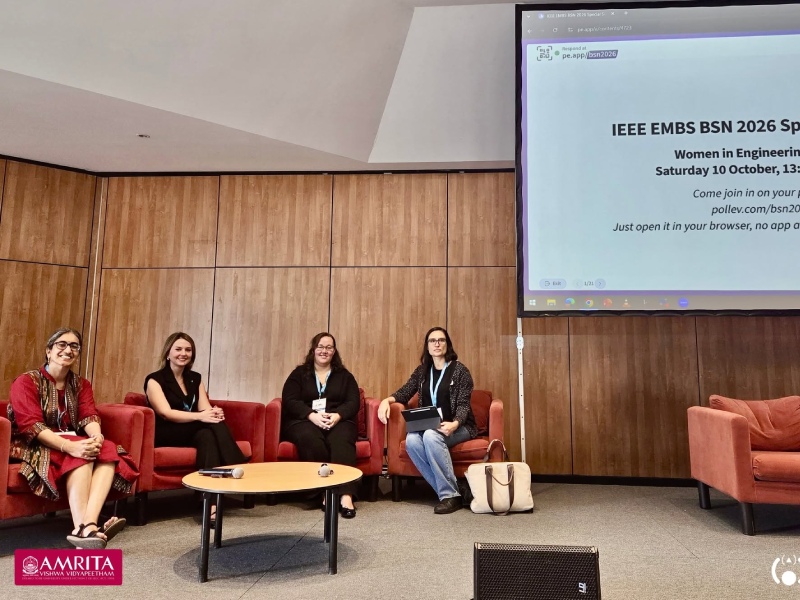
To formalize these linkages, a dedicated joint panel is scheduled for the Tech Women in Tech Conference in Kathmandu (January 2027). This panel will address digital transformation from access to inclusion across media, gender, science, and climate. Additionally, the AT Chair will collaborate with the UNESCO Gender Equality track to support the development of a gender-responsive disability toolkit in partnership with NCERT
Cultural Diversity, AI Ethics, and the “Linguistic Gap”
A vital contribution from the AT Chair emerged during the high-level debates on indigenous languages and computational linguistics. Tim Curtis, UNESCO’s Regional Director for South Asia, issued a critical warning regarding a “new gap” of linguistic inequality in the AI era. He noted that communities whose languages lack a digital or textual presence risk total exclusion from future AI-mediated public services, healthcare, and education.
In response to this urgency, the roundtable recommended accelerating indigenous language digitization alongside the creation of open-access sign language datasets as a regional priority for inclusion, provided they are bound by ethical AI frameworks that protect community ownership and intellectual property.
Disaster Risk Reduction (DRR) and Responsive Technology
The technical expertise of the AT Chair was further integrated into the Environmental Crisis policy recommendations. The assembly noted that existing disaster dashboards and early warning systems frequently fail to account for the specific needs of vulnerable populations.
A key directive was established to incorporate accessible communication pathways for persons with disabilities and older populations directly into running DRR and early warning projects. This creates a direct bridge between the disability-focused Chairs and the UNESCO Natural Sciences sector. Furthermore, the Chair will monitor the broader ethical footprint of digital transformation, participating in concept notes on responsible technology assessments that audit the energy and water intensities of AI systems and regional data centers
Strategic Roadmap for 2026–2027
The Chair outlined several key targets and initiatives for the upcoming 2026–2027 period:
In his concluding address, Mr. Tim Curtis reiterated that the ultimate value of the UNESCO Chairs network lies in its institutional capacity to act as a collective regional knowledge network rather than isolated institutional units. By putting technical AT developers in direct conversation with user communities, civil society, and line ministries, the AT Chair is uniquely positioned to turn evidence-based innovations into sustainable, state-level policy and real-world impact across South Asia.