


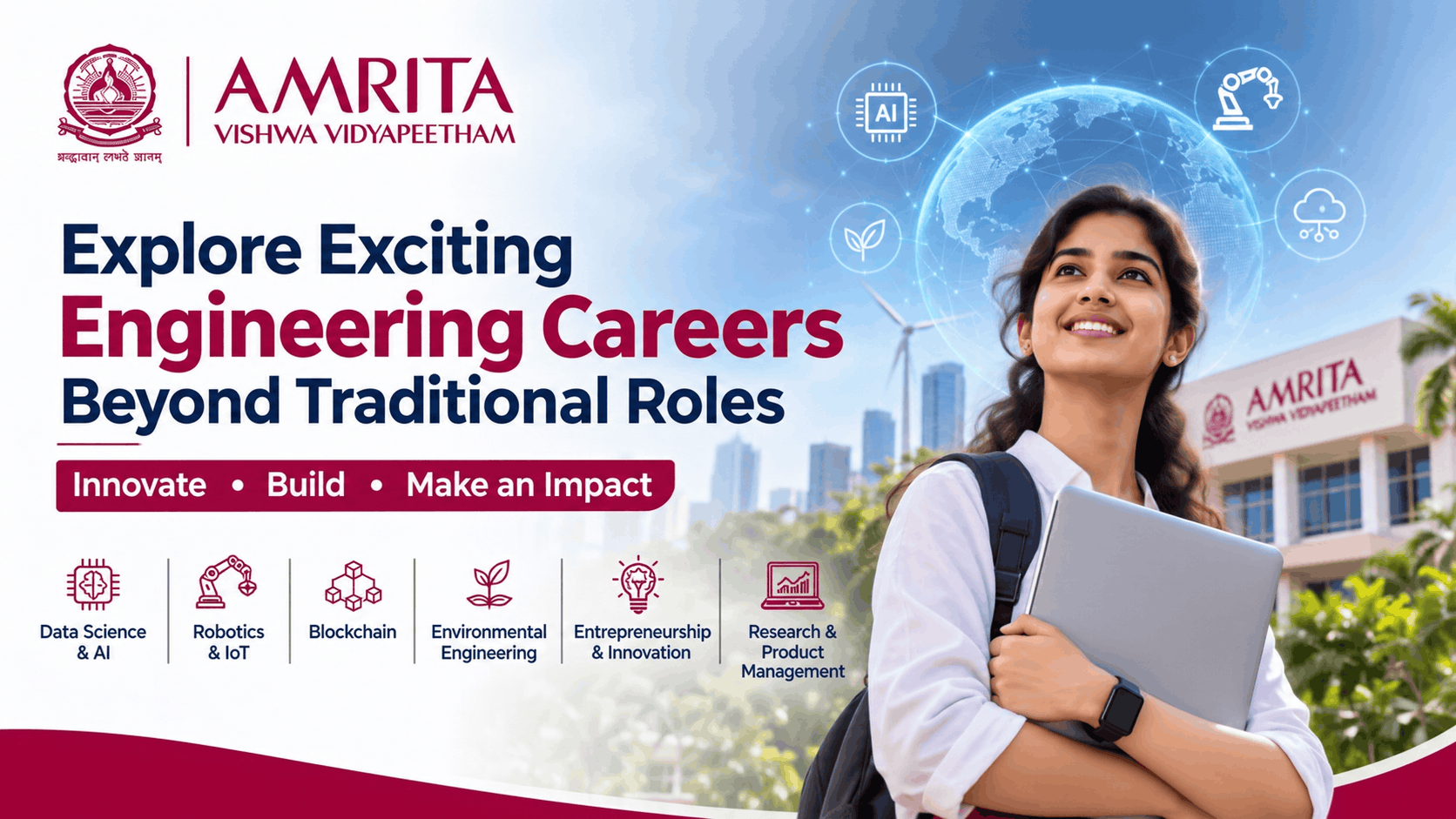
The field of engineering is constantly evolving, presenting aspiring professionals with a myriad of exciting career opportunities that extend far beyond traditional roles. As technology advances at a rapid pace, new and innovative engineering disciplines are emerging, offering students and professionals the chance to explore diverse paths and make a significant impact in various industries.
In this comprehensive guide, we will delve into the modern engineering landscape, highlighting the cutting-edge career options available to you as an aspiring engineer in India and beyond. By understanding the vast array of possibilities that lie ahead, you can make informed decisions about your future and embark on a fulfilling career path that aligns with your passions and strengths.
Whether you are a student considering your options after 12th grade or a professional looking to transition into a more dynamic role, this article will provide valuable insights to help you navigate the world of modern engineering.Emerging Engineering Fields
The explosion of data has made data scienceCombining AI with robotics one of the most sought-after fields in recent years. As an engineer, you can transition into roles such as Data Analyst, data scientist, or machine learning engineer, where you will analyse complex data sets to derive actionable insights and develop predictive models. These skills are crucial in various sectors, including finance, healthcare, and technology.
AI involves instilling ‘intelligence’ in machines, enabling them to function independently, make decisions, and ‘learn’ from experience. Robotics, on the other hand, focuses on the practical completion of tasks by machines.
Combining AI with robotics increases the potential multifold, with applications across industries like autonomous vehicles, military simulations, intelligent routing of content delivery, and automated customer service. Career choices in this field include Machine Learning Engineer, Data Scientist, AI Engineer, Data Analyst, and Machine Learning Architect.
IoT refers to a connected network of objects that can receive and send data through transmitters. Applications range from smartwatches and wearable health monitors to smart fabrics, toasters, refrigerators, and even sofas.
The Industrial Internet of Things (IIoT) uses IoT applications in the industrial sector. Career opportunities in IoT span device and hardware development, network and architecture design, mobile and UI development, and data analytics.
Blockchain is a decentralised store of data and a record-keeping technology that ensures safety from hacker attacks. Its applications extend to banking, financial services, healthcare, voting, government transactions, stocks, trading, identification, insurance, music, real estate, supply chain management, and contracts. Cryptocurrencies like Bitcoin are excellent applications of blockchain technology.
Specialised certificate courses and online courses from platforms like Edx and Coursera are available to gain expertise in this field. Career options include Blockchain Developer, Blockchain Quality Engineer, Blockchain Legal Consultant, Blockchain Designer, and Blockchain Project Manager.
Environmental engineering focuses on using scientific methods and technology to proactively improve the environment and design, construct, and manage waste management systems. There is an increasing demand for environmental engineers as industries hire them to reduce their negative impact on the environment. Government agencies also require environmental engineers to ensure compliance with regulations and develop sustainable solutions.
Engineers with innovative ideas and problem-solving skills can thrive in the startup ecosystem. You have the opportunity to develop new apps, hardware products, or tech services while gaining valuable experience in business management, marketing, and customer relations. Entrepreneurship allows you to create your own career roadmap and make a significant impact in your chosen field.
Consulting is a dynamic field where engineers apply their technical expertise to solve complex problems for various industries. You may work on diverse projects, from optimising manufacturing processes to implementing software systems.
Consulting roles develop strong analytical and communication skills, making you a valuable asset to organizations seeking expert advice and solutions.
If you are passionate about innovation and discovery, a career in R&D might be the perfect fit for you. In this field, you will develop new technologies, improve existing products, and find novel solutions to complex challenges.
Engineers in R&D often collaborate with scientists and researchers to push the boundaries of what is possible and contribute to groundbreaking advancements.
Product management is a role that blends technical knowledge with business acumen. As a product manager, you will oversee the development of a product from conception to launch, ensuring that it meets market demands and aligns with business goals.
This role requires a deep understanding of technology, user experience, and market trends, making it an exciting career option for engineers with a keen eye for innovation and a passion for creating impactful products.
The world of engineering is brimming with exciting career options that go beyond traditional roles. As industries evolve and new technologies emerge, engineers have the opportunity to shape the future and make a significant impact in diverse fields.
By exploring these cutting-edge career choices, you can find a path that aligns with your passions, skills, and aspirations. At Amrita University, we recognise the importance of preparing students for the dynamic landscape of modern engineering. Our comprehensive curriculum, industry partnerships, and focus on holistic development equip you with the knowledge, skills, and values needed to succeed in your chosen career path.
If you are ready to embark on a thrilling journey in the world of engineering, join us at Amrita University and take the first step towards a fulfilling and impactful career!
1. What skills do I need to develop for a successful career in modern engineering?
To excel in engineering roles, develop both technical and soft skills. Technical skills include programming, data analysis, and problem-solving. Soft skills like communication, collaboration, and critical thinking are vital. A growth mindset and willingness to learn will keep you ahead in engineering.
2. How can I gain practical experience in emerging engineering fields?
Practical experience is key to landing your dream engineering job. Participate in internships, co-op programs, or university projects. Engage in hackathons, coding competitions, and open-source projects. Join professional organisations and attend industry events to network and stay updated.
3. What are the benefits of pursuing a Master’s degree in engineering?
A Master’s degree in engineering opens many career opportunities. It helps you specialise and deepen technical knowledge. You’ll gain exposure to advanced research and industry practices. A Master’s can enhance employability, earning potential, and leadership prospects. It also offers networking and collaboration with experts.
4. How can Amrita University support my career aspirations in modern engineering?
Amrita University provides strong support to help you achieve your engineering career goals. Our dynamic curriculum is industry-driven. We offer specialisations, electives, and hands-on projects tailored to your interests. Strong industry partnerships and internship opportunities enhance your exposure. Career guidance services ensure a successful engineering career launch.


