Developed by Amrita Institute of Medical Sciences, Faridabad, Haryana, Platform for publication of the course- Amrita AHEAD
The Online Certificate Course on Antimicrobial Stewardship and Infection Prevention and Control is developed by Amrita Institute of Medical Sciences in Faridabad, Haryana, and is available on the Amrita AHEAD platform. This comprehensive course is designed to provide healthcare professionals with the latest evidence-based knowledge on Antimicrobial Stewardship (AMS) and Infection Prevention and Control (IPC).
The program consists of two modules: the Basic Module for medical, pharmacy, and nursing students, as well as healthcare professionals in primary and secondary care, and the Advanced Module for healthcare professionals in tertiary care hospitals. The course combines theoretical learning with practical strategies for implementation in healthcare settings, particularly in low- and middle-income countries, and is aimed at improving patient safety and healthcare outcomes.

Amrita Vishwa Vidyapeetham has not appointed any agent or third-party representative within India for admissions to any programme. Students residing in India are advised not to make payments or seat reservation advances to any individual or organization claiming to offer admission assistance for Amrita campuses.
For international admissions, the University may work with authorized overseas representatives in select countries. International applicants are advised to verify the credentials of such representatives through official Amrita communication channels before proceeding with applications or payments.
– Issued in Public Interest by Directorate of Admissions and Academic Outreach

Basic Module:
Advanced Module:
Basic Course:
Advanced Course:




The course includes key national and international experts who would cover basics of microbiology, pharmacology, infectious diseases management, Antimicrobial Stewardship (AMS) and Infection Prevention & Control (IPC) practices. Sessions would be conducted virtually and registered participants will have the opportunity to receive one week hands-on- training at Amrita Hospital, Faridabad, Haryana
Course Fee : INR 2500
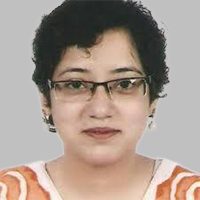
Basics of Microbiology
Dr. Meher Rizvi
Associate Professor, Department of Microbiology and Immunology, Sultan Qaboos University, Oman

Interpretation of Laboratory data
Dr. Anil kumar
Professor and HOD, Department of Microbiology, Amrita Hospital, Kochi, Keralam

Introduction to Pharmacology ( Part I)
Kinetics
Dr. Grace Mary John
Infectious Diseases Clinical Specialist and Chief Clinical Pharmacist at Believers Church Medical College Hospital , Thiruvalla, Keralam

Introduction to Pharmacology ( Part II)
Dynamics
Dr. Subhrojyoti Bhowmick
Professor Of Pharmacology, KPC Medical College, Kolkata

Introduction to AMR ( The human microbiome, definition and mechanisms of AMR)
Dr. Kiranjeet Kaur
Associate Professor, Chitkara University, Chandigarh

Strategies to prevent and control AMR
Prof Marc Mendelson
Professor, Department of Infectious Diseases, University of Cape Town, South Africa

Introduction to AMSP
Dr. Zubair Umer Mohammed
Associate Professor, Anesthesiology and Critical Care, Amrita Hospital, Kochi, Keralam

Principles of AMSP with examples
Dr. Priscilla Rupali
Sr. Professor & Head, Department of Infectious Diseases, Christian Medical College, Vellore

Importance of multidisciplinary AMS team and how to create a team based on available resources (interview)
Dr. Kamini Walia
Senior Scientist, Indian Council of Medical Research

Importance of multidisciplinary AMS team and how to create a team based on available resources (interview)
Dr. Payal Patel
Associate Professor and System wide Medical Director of Antimicrobial Stewardship at Intermountain Health, USA
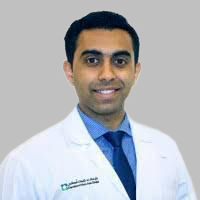
Introduction to various Antimicrobial Stewardship (AMS) Strategies
Dr. Mohammed Hisham
Lead Clinical Pharmacist at Cleveland Clinic Abu Dhabi

Upper and Lower Respiratory Tract infections and Sepsis
Dr. Ramasubramanian V
Senior Consultant, Infectious Disease, Apollo Hospital, Chennai

Intra abdominal infections
Dr. Adarsh A K
Associate Consultant & Head, Infectious Diseases, Adult Immunization & Travel Medicine, Aster MIMS, Kannur & Calicut

Central nervous system infections
Dr. Akshatha R
Assistant Professor, Department of Infectious Diseases, KMC Manipal

Bone and Joint infections
Dr. Rajalakshmi A
Senior Consultant and Coordinator, Infectious Diseases Group Lead – HIC and ASP, KIMSHEALTH, Trivandrum, Keralam

Skin and Soft tissue infections
Dr. Aparna Chakravarthy
Professor, Department of Pediatric Infectious Diseases, Amrita Hospital, Faridabad, Haryana
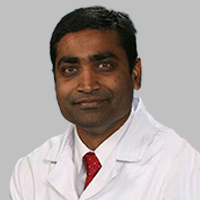
Bacteremia
Dr. Sumanth Gandra
Associate Professor of Medicine, Washington University Infectious Diseases
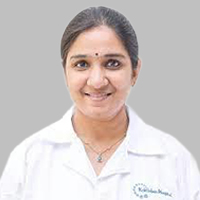
Urinary tract infections and Infective Endocarditis
Dr. Tanu Singhal
Consultant, Paediatrics and Infectious Disease, Kokilaben Dhirubhai Ambani Hospital, Mumbai, Maharashtra, India

Surgical prophylaxis
Dr. Ashish Katewa
HOD & Professor, Pediatric CVTS, Amrita Hospital, Faridabad, Haryana
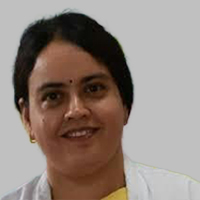
Overview of surveillance for Healthcare-Associated Infections
Dr. Purva Mathur
Professor, Laboratory Medicine JPN Apex Trauma Center All India Institute Of Medical Sciences, New Delhi
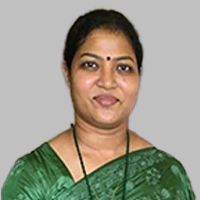
Surveillance of surgical site infections and ventilator associated pneumonia
Dr Manisha Biswal
Professor, Department of Medical Microbiology, Postgraduate Institute of Medical education and Research, Chandigarh

Surveillance of bloodstream infections and urinary tract infections
Dr Bijayini Behera
Professor, Department of microbiology All India Institute of Medical Sciences, Bhubaneswar, Odisha

Standard precautions
Dr. Arya S Kumar
Project Scientist -III, Amrita Hospital, Kochi, Keralam

Antimicrobial stewardship: Outcomes metrics
Ms Fabia Edathadathil
Quantitative Researcher, Amrita Hospital, Kochi, Keralam

Transmission based precautions, outbreak management
Dr. Poornima B
Additional Associate Professor and Infection Control O cer Department of Microbiology and Infection Control, Amrita Hospital, Kochi, Keralam
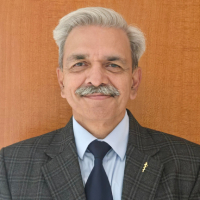
Dr. Ashutosh Sharma
Medical Superintendent, Amrita Hospital, Faridabad

Dr. Prem Nair
Group Medical Director, Amrita Hospitals

Swami Nijamritananda Puri
Administrative Director, Amrita Hospital, Faridabad

Dr. Sanjeev K. Singh
Medical Director, Amrita Institute of Medical Sciences, Faridabad, Haryana
Course Director

Dr. Vrinda Nampoothiri
Post Doctoral Researcher, Amrita Institute of Medical Science Faridabad, Haryana, India

Dr. Kusum Rani
Post Dotoral Researcher
Amrita Institute of Medical Sciences Faridabad, Haryana, India

Dr. Arya S. Kumar
Project Scientist – III
Amrita Institute of Medical Sciences Kochi, Keralam, India
Ms. Fabia Edathadathil
Quantitative Researcher
Amrita Institute of Medical Sciences Kochi, Keralam, India
Dr. Meera Susan John
Clinical Pharmacist
Amrita Institute of Medical Sciences Kochi, Keralam, India
Dr. Sherya H
Clinical Pharmacist
Amrita Institute of Medical Sciences Kochi, Keralam, India
Dr. Aleena Issac
Senior Research Fellow
Amrita Institute of Medical Sciences Faridabad, Haryana, India
Dr Sathyanarayana Reddy
Clinical Pharmacist
Amrita Institute of Medical Sciences, Faridabad, Haryana, India
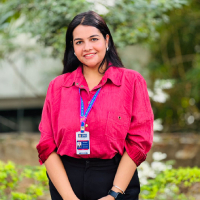
Dr Vidhi Shukla
Clinical Pharmacist & Researcher, Amrita Institute of Medical Sciences and Research Centre, Faridabad, Haryana

Mr Anandu Hari
Data Manager, Amrita Institute of Medical Sciences and Research Centre, Faridabad, Haryana
Dr. Sanjeev K. Singh
Medical Director, Amrita Institute of Medical Sciences, Faridabad, Haryana
Course Director
Dr. Sathyanarayana Reddy B.
Clinical Pharmacist, Amrita Institute of Medical Sciences, Faridabad, Haryana, India
Cheif Course Co-Ordinator
Dr. Vrinda Nampoothiri
Post Doctoral Researcher, Amrita Institute of Medical Science Faridabad, Haryana, India
Dr. Kusum Rani
Post Dotoral Researcher
Amrita Institute of Medical Sciences Faridabad, Haryana, India
Dr. Arya S. Kumar
Project Scientist – III
Amrita Institute of Medical Sciences Kochi, Keralam, India
Ms. Fabia Edathadathil
Quantitative Researcher
Amrita Institute of Medical Sciences Kochi, Keralam, India
Dr. Meera Susan John
Clinical Pharmacist
Amrita Institute of Medical Sciences Kochi, Keralam, India
Dr. Sherya H
Clinical Pharmacist
Amrita Institute of Medical Sciences Kochi, Keralam, India
Dr. Aleena Issac
Senior Research Fellow
Amrita Institute of Medical Sciences Faridabad, Haryana, India
Basic Course:
Advanced Course:
Basic Course:
Participants will:
Advanced Course:
Participants will:
| 25AMIP101A Antimicrobial Stewardship and Infection Prevention and Control-Basic CourseP/F | |
| Topic | Speakers |
|---|---|
| Introduction to the course | Alison Holmes, Professor in Infectious Diseases, Imperial College London, UK |
| Basics of Microbiology | Dr. Meher Rizvi,Associate Professor, Department of Microbiology and Immunology, Sultan Qaboos University, Oman |
| Interpretation of Laboratory data | Dr. Anilkumar, Professor, Department of Microbiology, Amrita Hospital, Kochi, Keralam |
Introduction to Pharmacology ( Part I) Kinetics
|
Dr. Grace Mary John, Infectious Diseases Clinical Specialist and Chief Clinical Pharmacist at Believers Church Medical College Hospital , Thiruvalla, Keralam |
Introduction to Pharmacology ( Part II) Dynamics
|
Dr. Subrajyoti Bhowmik,Associate Professor of Pharmacology at KPC Medical College, Kolkata |
Introduction to AMR( causes and spread -one health concept & burden)
|
Dr. Kiranjeet Kaur,Assistant Professor, Chitkara University, Patiala |
| How to develop and implement a one health approach to AMR | Prof. Karin Thursky Director of the National Centre for Antimicrobial Stewardship (NCAS), Australia |
Strategies to prevent and control (policies, GAP, NAP)
|
Dr. Marc Mendelson, Professor, Department of Infectious Diseases, University of Cape Town, South Africa |
| Introduction to AMSP | Dr. Zubair Umer Mohammed, Associate Professor, Anesthesiology and Critical Care, Amrita Hospital, Kochi, Keralam |
| Principles of AMSP with examples | Dr. Priscilla Rupali, Sr. Professor & Head of the Department of Infectious Diseases at Christian Medical College Vellore |
| Importance of multidisciplinary AMS team and how to create a team based on available resources | Dr. Kamini Walia, Senior Scientist, Indian Council of Medical Research &DrPayal Patel,Systemwide Medical Director of Antimicrobial Stewardship at Intermountain Health, USA |
AMS strategies
|
Dr. Mohammed Hisham, Lead Clinical Pharmacist at Cleveland Clinic Abu Dhabi |
| Common clinical indication – 2 focus (session I) – URTI & LRTI , Sepsis | Dr. Ram Subrahmaniam, Infectious Disease specialist, Apollo Hospitals Chennai, Tamil Nadu |
| Common clinical indication – 2 focus (Session II) – Intra abdominal , CNS, Bacteremia | Carlos Palos,physician in Intensive Medicine and Internal Medicine and coordinator of the group of infection control and resistance to antimicrobials of Luz Saúde and Hospital Beatriz Ângelo, Portugal |
| Common clinical indication – 2 focus (Session III) – Skin and Soft tissue, Bone and Joint infections | DrSubrahmaniamSwaminathan, Director of Infectious Diseases at the Gleneagles Global Hospita, Chennai, Tamil Nadu |
| Common clinical indication – 2 focus (Session IV) – Urinary tract infections, Infective Endocarditis | DrTanusinghal,Consultant, Paediatrics and Infectious Disease, KokilabenDhirubhaiAmbani Hospital, Mumbai, Maharashtra, India |
Surgical prophylaxis
|
DrPuneetDhar, Head, Gastrointestinal Surgery, Amrita Hospital, Faridabad, Haryana |
How to do surveillance of HAI and reporting
|
DrPurvaMathur, Professor, All India Institute of Medical Sciences, New Delhi |
Standard precautions
|
Dr Arya S Kumar, Project Scientist, Amrita Hospital, Kochi, Keralam |
Transmission based precautions, outbreak management
|
DrPoornima B, Assistant Professor at the Department of Microbiology, Amrita Hosptial, Kochi, Keralam |
| Data reporting and analytics (AMSP and IPC) Types of metrices Surveillance metrices-structural, process, consumption AMR metrices- regulatory requirements | Ms Fabia ET, Quantitative Researcher, Amrita Hospital, Kochi, Keralam |
| 25AMIP111A Antimicrobial Stewardship and Infection Prevention and Control-Advance course P/F | |
| Introduction to advanced MOOC | Alison Holmes, Professor in Infectious Diseases, Imperial College London, UK |
Preparation of antibiogram and antibiotic policy
|
Dr. Anita Sharma, Fortis Mohali |
Diagnostic Stewardship
|
Dr. Sharmila Sengupta, Senior Consultant, Department of Microbiology, Amrita Hospital, Faridabad |
| Appropriate selection of antibiotics based on phenotypic and molecular diagnostics | Dr. Balaji, Professor, Department of Clinical Microbiology, CMC Vellor |
PK/PD
|
Nusrat Shafiq, Professor, Department of Pharmacology at the Postgraduate Institute of Medical Education and Research, Chandigarh, India |
Comprehensive strategic approach to ASP
|
Dr. Twisha Patel, CDC, USA &DrPayal Patel, System wide Medical Director of Antimicrobial Stewardship at Intermountain Health, USA |
AMS in special setting – based on case scenarios
|
Dr. AnupWarrier, Senior Consultant – Infectious Diseases, Aster Medcity, Kochi, Keralam |
Antifungal Stewardship
|
Arunaloke Chakrabarti Professor, Postgraduate Institute of Medical Education and Research, Chandigarh |
| Antitubercular Stewardship | Dr. Camilla Rodrigues, Senior consultant microbiologist and the Chair of the Infection Control Committee, P.D. Hinduja Hospital, Mumbai, Maharashtra |
Application of IT in ASP E.g Role of CDSS in ASP
|
Dr. Nathan PeifferSmadja, Honorary Clinical Research Fellow Department of Infectious Disease, Imperial College London, UK |
Role of patient and public in ASP and IPC
|
Dr. Oluch iMbamalu, Senior Lecturer in the Global Surgery Division, University of Cape Town, South Africa |
Understanding of site context and the role of social science in AMS and IPC
|
Dr. EsmitaCharani, Associate Professor, University of Cape Town, South Africa; Ms Candice Bonaconsa, Nurse Researcher and PhD candidate, University of Cape Town, South Africa |
Implementation science
|
Dr. Raheelah Ahmed, Reader, University of London, UK |
| Advanced IPC – Implementation of improvement science | Dr. Daniel Vanderende, Medical Officer at CDC, USA |
| how to incorporate AMS and IPC to hospital costing models | Nina Zhu, Research Lead for Population Health and Policy, Imperial College London, UK |
| How to create a present a data dashboard | Bernard Hernandez, post-doctoral research associate at the Centre for Bio-Inspired Technology at Imperial College London. |
The top reasons to choose Amrita for your career