



Date: 31 December 2025
Amrita Vishwa Vidyapeetham continued its commitment to improving and promoting health and well-being among communities across India through dedicated healthcare outreach, preventive health services, and community-based health education programmes. Through free medical camps, preventive health screenings, awareness sessions, and practical training activities, the University worked to improve access to healthcare and strengthen public understanding of important health and well-being topics, including hygiene, nutrition, family planning, sports, exercise, healthy ageing, and other aspects of physical and mental well-being.
These initiatives collectively reached over 22,000 beneficiaries, including more than 250 immigrants, reflecting the University’s efforts to extend healthcare services and health education to diverse population groups. Particular attention was given to rural, economically disadvantaged, immigrant, and underserved communities that often experience difficulties accessing regular healthcare services and reliable health information.
The University’s 2025 community health initiatives included a free multispecialty medical camp in Kerala, a rural healthcare outreach programme in Bihar, and a health and nutrition training programme for Anganwadi workers in Mizoram. These programmes addressed different dimensions of community health by providing medical consultations, preventive screenings, early identification of potential health concerns, and educational activities focused on nutrition, personal hygiene, maternal and child healthcare, and healthy living practices. Through community-based learning and practical guidance, participants were encouraged to understand the importance of disease prevention, balanced nutrition, appropriate healthcare-seeking behaviour, and maintaining healthy lifestyles. These initiatives also contributed to improving awareness of family health, maternal and child well-being, and the importance of preventive care across different stages of life.
These outreach programmes were implemented with the involvement of medical professionals, healthcare workers, government health personnel, local organisations, and student volunteers, enabling the University to extend medical expertise and health education directly to communities. Through medical consultations, interactive awareness sessions, and capacity-building activities, Amrita supported community members in developing a better understanding of essential healthcare practices and preventive measures. The programmes also sought to promote inclusive participation by reaching diverse community groups, including over 250 immigrants within a wider beneficiary population exceeding 22,000 individuals. The involvement of local stakeholders encouraged community participation, strengthened healthcare awareness, and supported the dissemination of practical health information among individuals and families with limited access to regular medical services.
Through these initiatives, Amrita Vishwa Vidyapeetham continues to improve and promote health and well-being by integrating accessible healthcare services with community education on hygiene, nutrition, disease prevention, healthy lifestyles, and overall physical and mental wellness. By encouraging preventive healthcare, strengthening local health knowledge, and promoting collaborative community participation, the University seeks to support healthier living across different age groups, including children, women, adults, and older persons. With more than 22,000 beneficiaries reached, including over 250 immigrants, these efforts reflect Amrita’s continued commitment to making health education and essential healthcare services more accessible, supporting inclusive community well-being, and contributing to SDG 3 (Good Health and Well-Being) and the long-term health and resilience of communities across India.
| Programme and Location | Documented Direct Reach |
|---|---|
| 31 August | Kuzhithura, Karunagappally, Kerala | Approximately 500 people received free multispecialty consultations, assessments and medicines |
| 20 September | Amrita SeRVe village, Bihar | 99 villagers treated; blood pressure and blood sugar screening available |
| 10 March | Aizawl, Mizoram | 83 Anganwadi workers trained in nutrition, hygiene, maternal–child health and well-being |
| Evidence / Reporting Basis | Documented Reach | Category of Beneficiaries |
|---|---|---|
| 1. Kerala Multispecialty Medical Camp (2025) | Approximately 500 | Patients receiving free healthcare |
| 2. Bihar Rural Medical Camp (2025) | 99 | Villagers from Musahar ommunity receiving medical treatment |
| 3. Mizoram Anganwadi Training (2025) | 83 | Anganwadi workers trained |
| 5. Kodungallur School Health Awareness Programme (2025) | Over 100 | School students |
| Subtotal: 2025-dated Activities | Approximately 783 or more | Reported programme participations |
| 4. Anganwadi Dinacharya Programme (December 2024–August 2025) | 436 | 183 mothers, 230 children and 23 Anganwadi workers |
| Cumulative Reported Outreach Reach | Approximately 1,219 or more | Combined programme participations |
Amrita Hospital, Kochi, part of Amrita Vishwa Vidyapeetham, organised a free multispecialty medical camp in collaboration with Karunagappally Oommen Chandy Palliative Care on 31 August 2025. The camp was held at Kuzhithura Government Fisheries Higher Secondary School in Karunagappally, Kerala, and provided essential healthcare services to approximately 500 people from the local community.
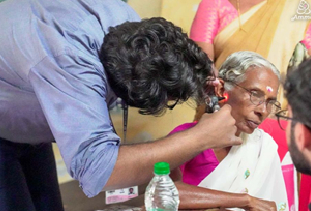
A team of around 100 healthcare professionals and support personnel, including more than 60 specialist doctors, participated in the initiative. Residents received free medical consultations and health assessments in several specialties, including general medicine, surgery, paediatrics, paediatric cardiology, gynaecology, cardiology, ENT, dermatology, orthopaedics, ophthalmology and dentistry. Both modern medicine and Ayurvedic healthcare services were available, and medicines were distributed free of charge to those in need.
The medical camp brought specialised healthcare services closer to families living in coastal communities, particularly those who may face financial difficulties or challenges in accessing hospital-based treatment. Children, women, older adults and other residents had the opportunity to consult experienced doctors, discuss their health concerns and receive medical advice. By providing these services within the community, the initiative helped reduce barriers to healthcare access and encouraged people to seek timely medical attention.
More than 50 AYUDH youth volunteers actively supported the organisation and coordination of the camp. They assisted healthcare professionals, helped community members navigate the available services and contributed to the smooth conduct of the programme. Their participation highlighted the important role of young volunteers in supporting community healthcare and social service activities. Through initiatives such as this, Amrita Vishwa Vidyapeetham continues to extend healthcare services beyond hospital premises and reach communities that may otherwise have limited access to specialist medical care. The collaboration between healthcare professionals, local organisations and youth volunteers reflects the university’s commitment to improving healthcare accessibility, encouraging preventive health practices and supporting the overall health and well-being of communities.
| Documented Measure | 2025 Result |
|---|---|
| Community reach | Approximately 500 people |
| Clinical team | Approximately 100 members, including more than 60 specialist doctors |
| Beneficiaries | People under Below Poverty Line |
| Volunteers | More than 50 AYUDH volunteers |
| Services | Free multispecialty consultations, diagnostic assessments and medicines |
On 20 September 2025, Amrita Vishwa Vidyapeetham, through its Amrita SeRVe rural development initiative, supported a free medical camp in an Amrita SeRVe village in Bihar. The programme brought together government hospital doctors, healthcare professionals and local health workers to provide essential medical services to rural families. A total of 99 villagers benefited from free medical consultations, treatment, preventive health screenings and medicines.
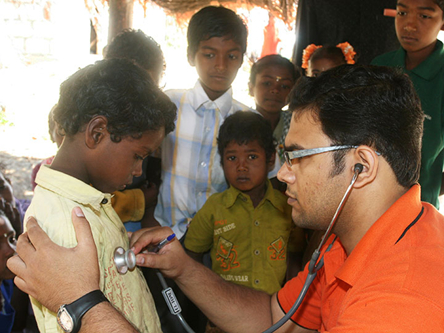
The medical camp focused on addressing common health concerns and helping residents identify potential health problems at an early stage. Healthcare professionals conducted examinations for viral fever, monitored blood pressure and carried out blood sugar screenings. These services were particularly valuable for villagers who may face difficulties accessing hospitals due to travel distances, financial limitations or the availability of healthcare facilities. Free medicines were also distributed to patients based on their medical needs.
The programme was supported by government hospital doctors and frontline healthcare workers, including Auxiliary Nurse Midwives (ANMs), Accredited Social Health Activists (ASHAs) and Family Planning staff. Dr. Manan Bhakt was among the medical professionals involved in the initiative. Their participation helped bring professional medical care closer to the community while strengthening cooperation between local healthcare providers and rural development teams.
Special attention was given to preventive healthcare through blood pressure monitoring and blood sugar testing. These screenings provided villagers with an opportunity to better understand their health conditions and seek medical advice when necessary. The involvement of ASHA workers and ANMs also helped connect residents with existing community healthcare services and encouraged greater awareness of regular health check-ups and healthy living practices.
Through Amrita SeRVe, Amrita Vishwa Vidyapeetham continues to work towards improving the quality of life in rural communities by addressing healthcare needs alongside broader social and developmental challenges. Initiatives such as this medical camp demonstrate the importance of bringing healthcare services directly to villages, encouraging preventive health practices and ensuring that people in underserved communities have opportunities to receive timely medical attention.
| Documented Measure | 2025 Result |
|---|---|
| Villagers treated | 99 |
| Preventive screening | Blood sugar and blood pressure checks |
| Beneficiaries | People under Below Poverty Line |
| Other services | Fever assessments, medical treatment and free medicines |
| Community health participation | Government hospital doctors, ANMs, ASHAs and Family Planning staff |
On 10 March 2025, Amrita Vishwa Vidyapeetham’s Science, Technology and Innovation (STI) Hub in Mizoram organised a one-day training programme on health, nutrition and community well-being at the Synod Conference Centre in Aizawl, Mizoram. Conducted in collaboration with the Directorate of Women and Child Development, Government of Mizoram, the programme brought together 83 Anganwadi workers from Aizawl Rural Block. The initiative focused on strengthening the knowledge and practical skills of frontline workers who play an important role in supporting the health and well-being of women, children, adolescents and families in rural communities.
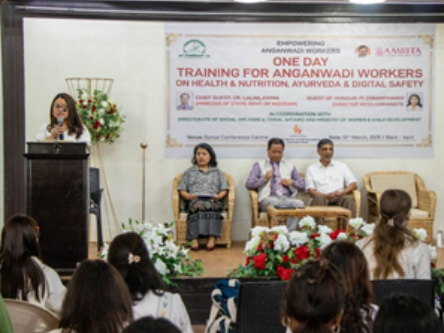
The training covered several important aspects of community healthcare, including balanced nutrition, personal hygiene, anaemia awareness, maternal and child health, and healthy daily routines. Participants learned about the nutritional benefits of locally available foods and how simple dietary improvements can help families maintain better health. Particular attention was given to the nutritional needs of pregnant and lactating women, children and adolescents, along with the importance of maintaining hygiene and adopting preventive healthcare practices.
The programme also introduced participants to traditional Ayurvedic approaches to healthy living, including Dinacharya, which emphasises maintaining a balanced daily routine, and Prakriti, which focuses on understanding individual characteristics and health needs. These concepts encouraged a broader understanding of well-being and the importance of healthy lifestyle choices. The discussions also provided a foundation for promoting physical exercise, active living, family health awareness and healthy aging within communities.
An important part of the training involved practical demonstrations of nutritious food preparations using affordable and locally available ingredients. Participants were introduced to Moringa–Jaggery Cookies, Ginger–Perilla Bites and Soya Nutriballs as examples of simple, nutrient-rich foods that families could incorporate into their regular diets. These demonstrations highlighted how traditional ingredients and locally available resources can be used to encourage healthier eating habits.
As Anganwadi workers regularly interact with mothers, children and families, the knowledge gained through this programme can be shared during their everyday community activities. By strengthening the skills of these frontline workers, Amrita Vishwa Vidyapeetham aims to encourage greater awareness of nutrition, hygiene, maternal and child healthcare, and preventive health practices in rural households. The programme was organised through the STI Hub under the STI-ITLIVES collaboration involving Amrita Vishwa Vidyapeetham and Mizoram University, with support from the Department of Science and Technology, Government of India. Through such initiatives, Amrita continues to support community-based health education and strengthen the role of local healthcare workers in promoting healthier living.
| Documented Measure | 2025 Result |
|---|---|
| Direct participants | 83 Anganwadi workers |
| Primary themes | Nutrition, hygiene, maternal–child health and anaemia awareness |
| Additional topics | Healthy routines, Ayurveda concepts and child digital well-being |
| Beneficiaries | People under Below Poverty Line |
| Practical demonstrations | Three locally sourced food products |
| Government collaboration | Directorate of Women and Child Development, Mizoram |
Amrita Vishwa Vidyapeetham continued its efforts to improve community health and well-being in 2025 through medical outreach programmes, preventive healthcare services and health education initiatives across different parts of India. These activities focused on making healthcare more accessible, encouraging early identification of health concerns and strengthening awareness of healthy living practices among rural and underserved communities.
In Kerala, Amrita Hospital, Kochi, organised a free multispecialty medical camp that provided healthcare consultations and medicines to approximately 500 people from coastal communities. In Bihar, the Amrita SeRVe initiative supported a rural medical camp where 99 villagers received free medical consultations, preventive screenings and medicines. Meanwhile, in Mizoram, Amrita’s Science, Technology and Innovation Hub trained 83 Anganwadi workers in nutrition, hygiene, maternal and child healthcare, and healthy daily routines, helping them strengthen their knowledge of community health practices.
An important aspect of these programmes was the involvement of healthcare professionals, government health workers, local organisations and youth volunteers. Their combined efforts helped bring medical services and health education closer to communities, particularly those facing financial or geographical challenges in accessing healthcare. The participation of frontline workers and volunteers also encouraged greater community involvement and created opportunities for sharing health knowledge beyond the immediate activities.
Beyond providing medical treatment, these initiatives highlighted the importance of preventive healthcare and everyday health awareness. Blood pressure monitoring, blood sugar screenings, nutrition education and maternal and child health training helped participants better understand common health concerns and the value of seeking timely medical advice. By combining direct healthcare services with educational activities, Amrita sought to address immediate medical needs while encouraging healthier lifestyles. Through these initiatives, Amrita Vishwa Vidyapeetham continues to extend its healthcare expertise beyond hospitals and classrooms. By working closely with communities and local partners, the university aims to make essential healthcare services and practical health information more accessible, strengthen preventive healthcare practices and contribute to healthier communities across India.