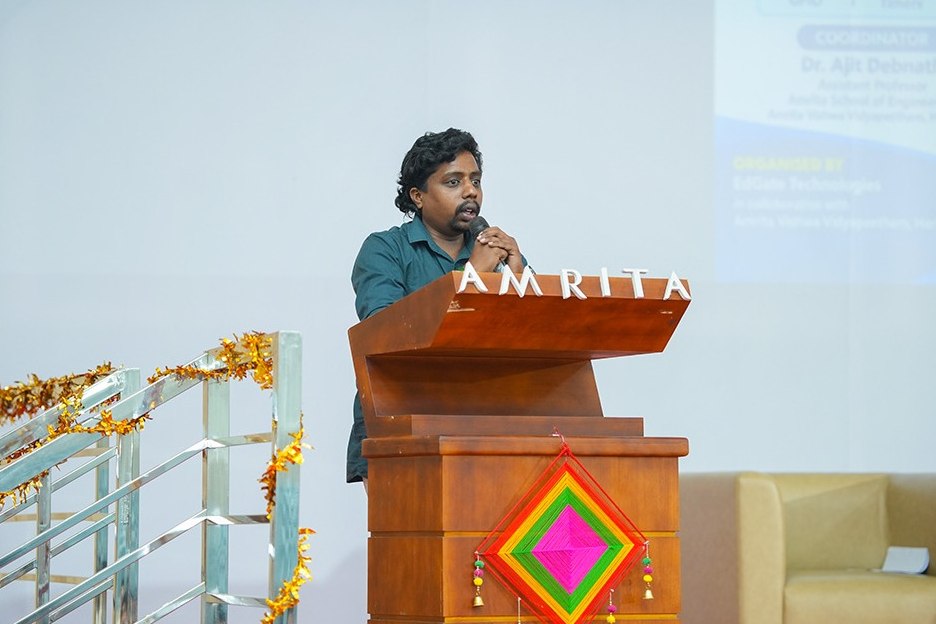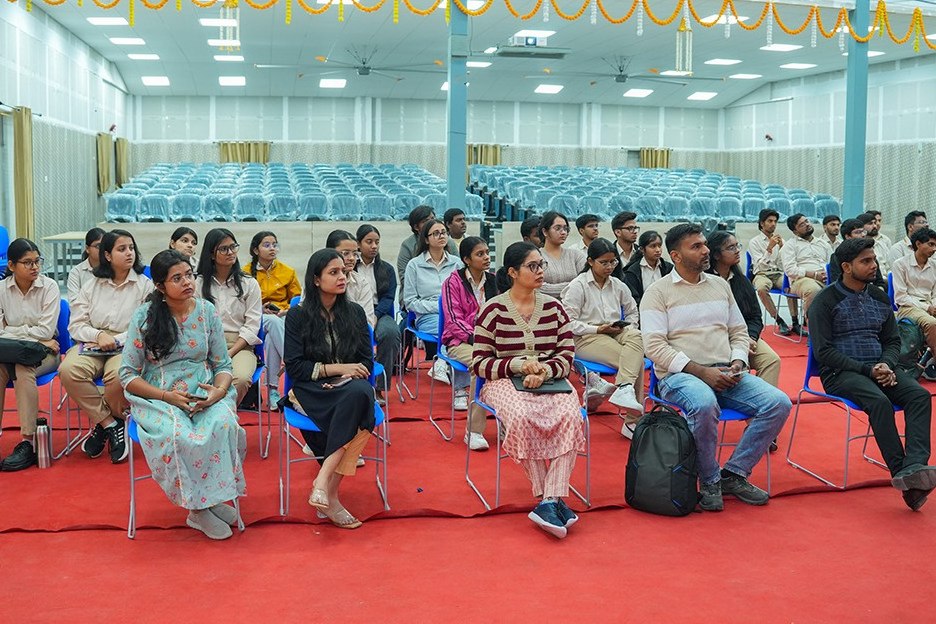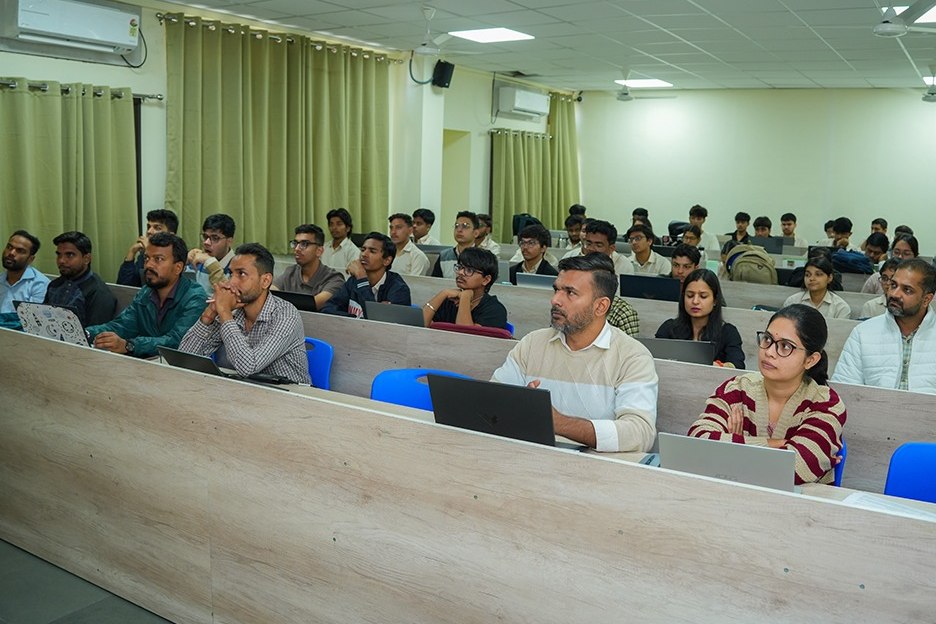
A five-day Faculty Development Programme (FDP) on “Bare Metal Programming on TI-MSPM0 Boards” was held from November 16 to 20, 2026, at Amrita Vishwa Vidyapeetham, Haridwar Campus, in association with Texas Instruments and EdGate Technologies Pvt. Ltd. Organised by EdGate Technologies in collaboration with Amrita Vishwa Vidyapeetham, the programme aimed to strengthen faculty competencies in embedded systems, microcontroller programming and peripheral interfacing.
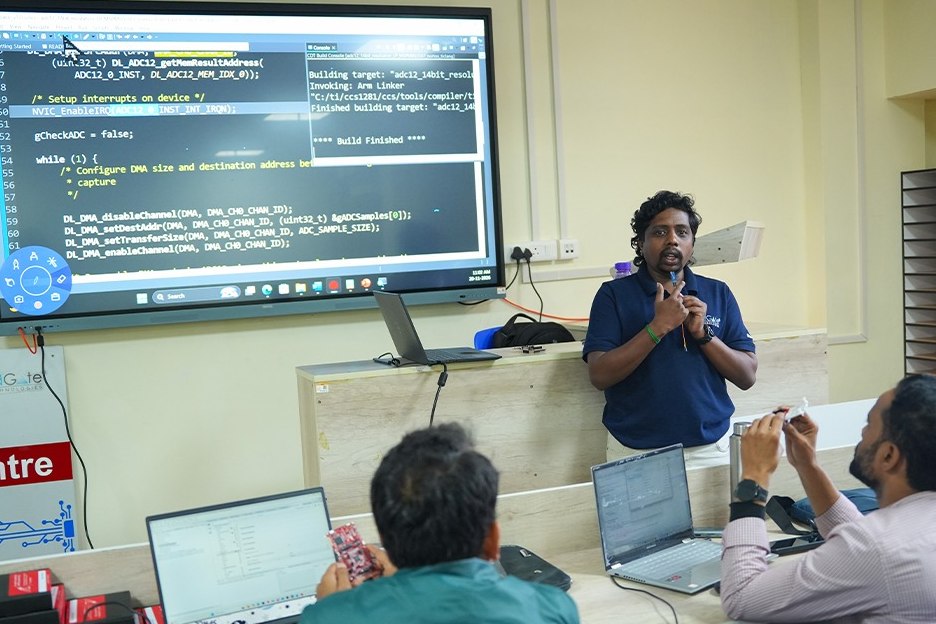
The FDP introduced bare metal programming, which enables direct interaction with microcontroller hardware without an operating system or high-level abstraction layers. Using Texas Instruments’ MSPM0 development boards, participants explored microcontroller architecture, register-level programming, memory-mapped peripherals and the relationship between software instructions and hardware operations.
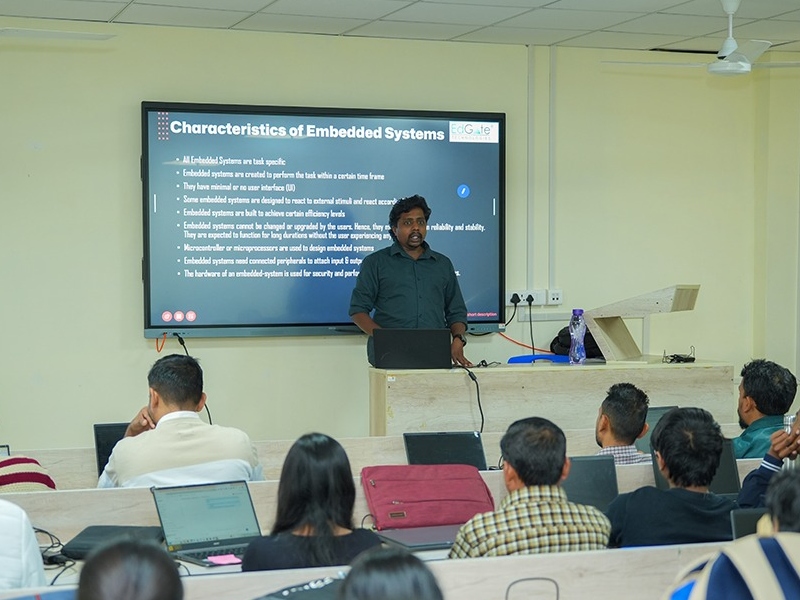
The programme was coordinated by Dr. Ajit Debnath, Assistant Professor, Amrita School of Engineering, Haridwar. Technical sessions were delivered by Mr. Krishna Chaithanya T, Senior Embedded System Engineer, EdGate Technologies Pvt. Ltd., combining academic perspectives with industry-oriented expertise.
The training covered General Purpose Input/Output (GPIO) configuration, hardware timers, interrupt handling, Analog-to-Digital Converter (ADC) interfacing and serial communication protocols, including UART, SPI and I²C. Participants practised configuring input and output pins, controlling external devices, generating time delays through hardware timers, and applying interrupt-driven programming techniques. ADC sessions examined the conversion of analogue signals for digital processing, while communication exercises introduced the principles and implementation of commonly used serial protocols. These components demonstrated how embedded software manages diverse hardware operations.
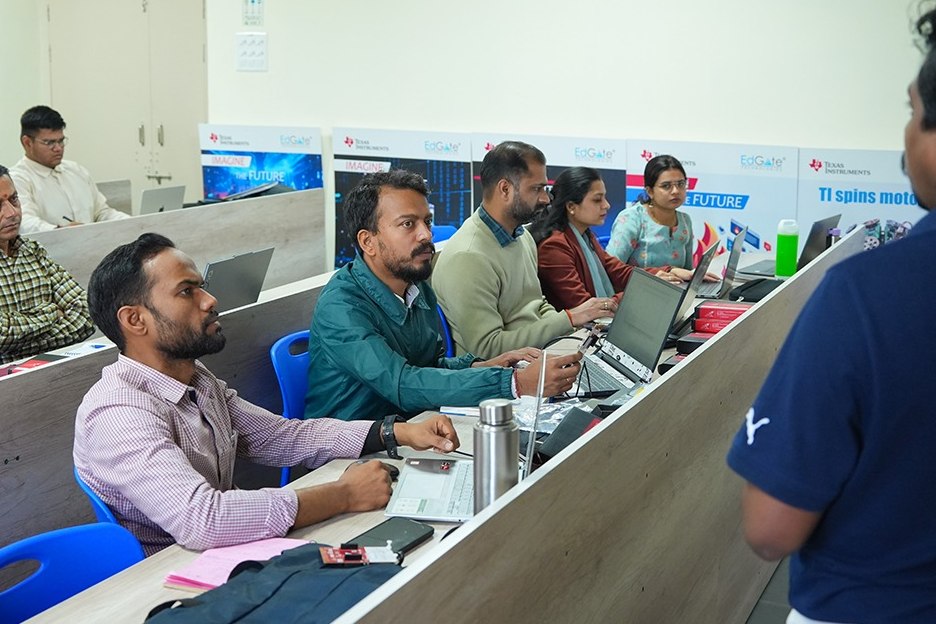
Hands-on programming and hardware experimentation formed a central part of the FDP. Participants configured microcontroller peripherals through registers, integrated hardware modules into functional embedded applications and gained exposure to debugging and systematic embedded software development. These activities connected foundational concepts with practical implementation. The structured sessions progressed from individual peripheral operations to the integration of different hardware modules, helping participants understand how register-level instructions translate into real-time device behaviour. Practical exercises also encouraged participants to identify configuration issues and apply debugging approaches.
The programme helped faculty explore how microcontroller-based experiments can be integrated into classroom teaching, laboratory courses, student projects and research. The exposure is expected to support more application-oriented and project-based learning in electronics and communication engineering, electrical engineering and related disciplines. Collaboration with Texas Instruments and EdGate Technologies also reinforced industry–academia engagement through access to relevant platforms and technical expertise. By bringing current industry practices into faculty training, the initiative contributed to closer alignment between academic instruction and the evolving needs of the electronics and embedded systems sector.
The FDP concluded on November 20, 2026, with a valedictory session and the presentation of certificates to successful participants. Dr. Ajit Debnath highlighted the value of continuous faculty development and practical industry-oriented training in improving teaching methodologies and encouraging innovative, application-based student projects. The concluding session also offered participants an opportunity to reflect on the technical knowledge and practical skills acquired during the programme.
Appreciation was expressed for the technical contribution of Mr. Krishna Chaithanya T and the support of EdGate Technologies Pvt. Ltd., Texas Instruments and Amrita Vishwa Vidyapeetham. The initiative reaffirmed the Haridwar Campus’s commitment to faculty capacity building, hands-on technical education and industry-integrated learning.