PARIS, FRANCE
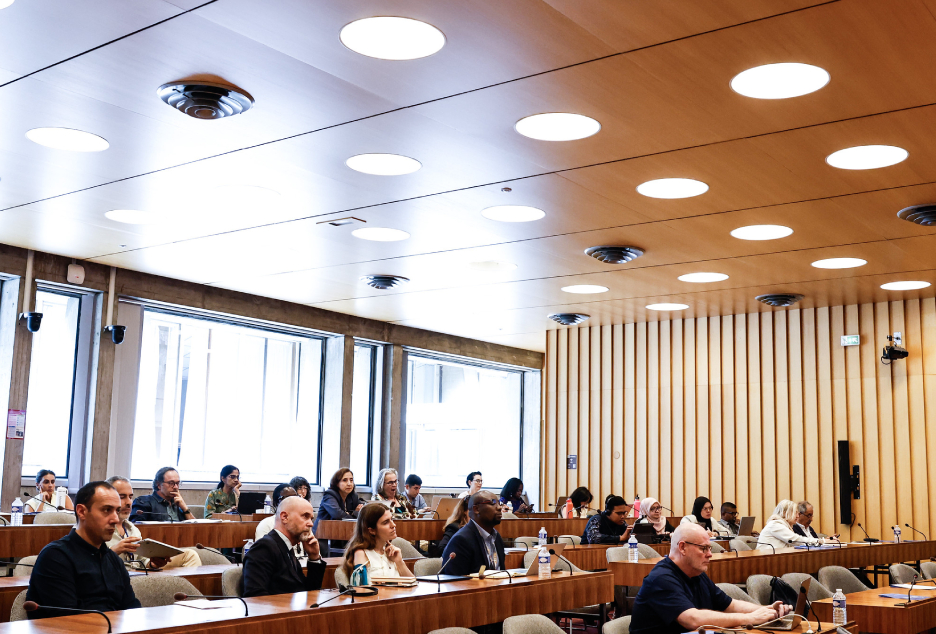
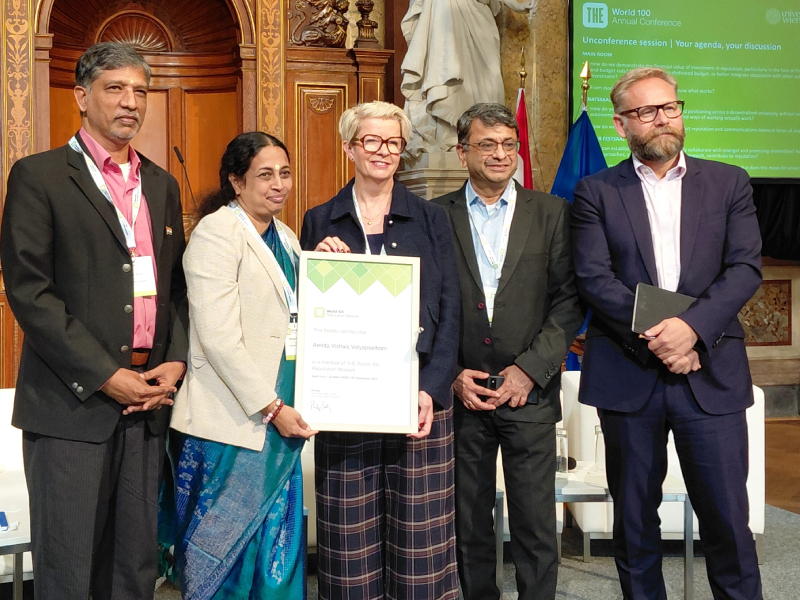
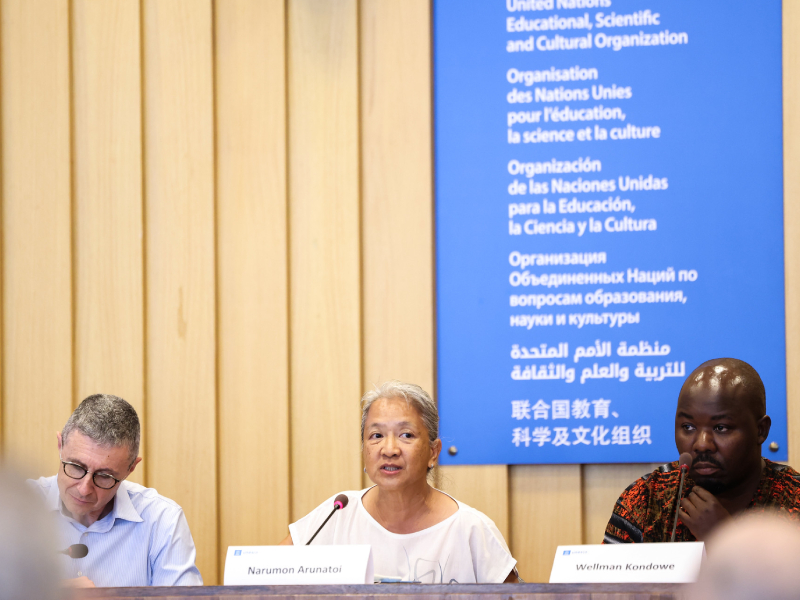
Dr. Maneesha V Ramesh, Pro-Vice-Chancellor of Amrita Vishwa Vidyapeetham, and UNESCO Chair on Experiential Learning for Sustainable Innovation & Development, represented Amrita at the 2026 Global Conference of the International Decade of Sciences for Sustainable Development (IDSSD 2024–2033) held at UNESCO Headquarters in Paris on 17 July 2026. As a featured participant in the high-level roundtable discussion, “Envisioning Sustainable Futures with Diverse Knowledge Systems,” she joined global experts in exploring how scientific, Indigenous, and local knowledge systems can collectively shape resilient and sustainable futures.
Organized under UNESCO’s International Decade of Sciences for Sustainable Development, the conference brought together UNESCO leaders, policymakers, researchers, UNESCO Chairs, Indigenous and local knowledge experts, youth representatives, and civil society leaders to examine how diverse knowledge systems can help address the world’s most pressing sustainability challenges and accelerate progress towards the Sustainable Development Goals (SDGs).
The roundtable was moderated by Clare Stark, Head of Futures Literacy and Foresight, UNESCO, and featured distinguished international experts including Dr. Narumon Arunatoi of Chulalongkorn University, Thailand; Dr. Wellman Kondowe of Mzuzu University, Malawi; Amadou Diallo of Guinea; Irakli Khodeli, Chief of UNESCO’s Management of Social Transformations (MOST) Programme; and concluded with reflections by Nigel Crawhall, Chief of UNESCO’s Local and Indigenous Knowledge Systems (LINKS) Section.
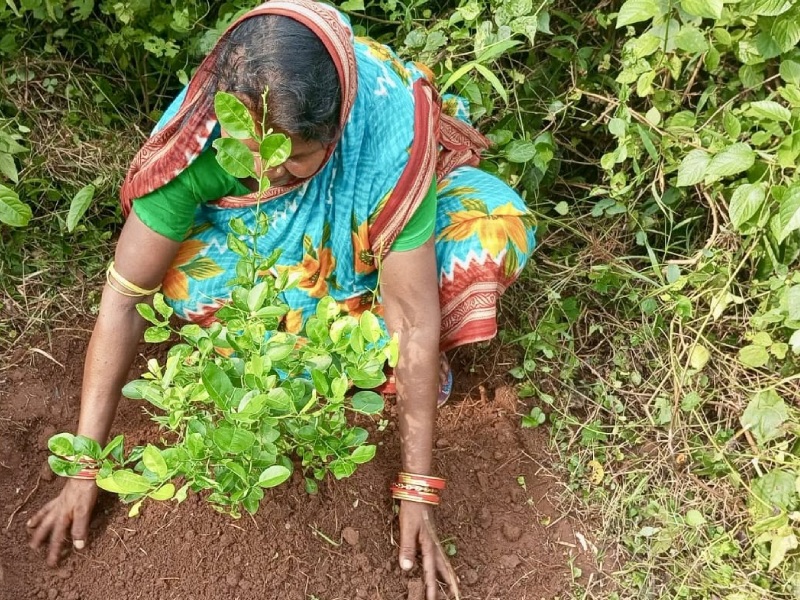
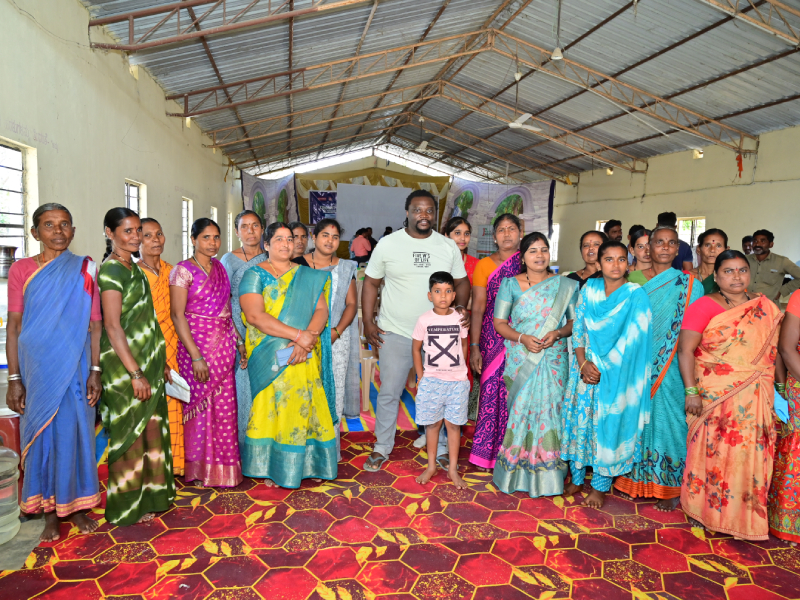
Drawing on Amrita’s pioneering Live-in-Labs® programme and its experiential learning approach, Dr. Maneesha demonstrated how higher education institutions can bridge scientific knowledge, Indigenous wisdom, and lived community experiences by positioning communities as equal partners in identifying challenges and co-creating sustainable solutions. She highlighted how Live-in-Labs® brings together students, researchers, faculty, and rural communities to collaboratively address real-world challenges in areas such as water security, sustainable agriculture, renewable energy, public health, disaster resilience, and rural livelihoods, transforming classrooms into platforms for sustainable development.
Reflecting on the future of higher education, Dr. Maneesha emphasized that universities must move beyond conventional classroom-based instruction by embedding future literacy, systems thinking, ethical leadership, and experiential learning into education. Such an approach, she noted, equips learners and communities to become active designers of sustainable futures in the face of climate change, technological disruption, and increasing global uncertainty.
Highlighting the importance of integrating multiple knowledge systems, she emphasised the need for practical and institutional mechanisms that combine scientific research with Indigenous and community knowledge while preserving local ownership and cultural context. She also emphasized the unique role of UNESCO Chairs as global platforms that connect research, education, policy, and community action, fostering knowledge co-production, collective intelligence, and international collaboration to advance sustainable development across regions.
Dr. Maneesha was accompanied by Dr. Krishnashree Achuthan, Dean of PG Programs, Amrita Vishwa Vidyapeetham, and Mr. Renjith Mohan, Program Manager, Live-in-Labs®, as part of the Amrita delegation to UNESCO Headquarters. Beyond the roundtable, the delegation participated in conference sessions and engaged with UNESCO officials, UNESCO Chairs, researchers, policymakers, and sustainability leaders from around the world. These interactions strengthened existing partnerships, fostered new international collaborations, and created opportunities for future joint initiatives in experiential learning, sustainability science, community-centred innovation, and knowledge co-production.
The conference forms part of UNESCO’s International Decade of Sciences for Sustainable Development (2024–2033), a global initiative that seeks to strengthen the role of science and diverse knowledge systems in addressing complex global challenges through inclusive, interdisciplinary, and action-oriented collaboration.
Amrita Vishwa Vidyapeetham continues to play a leading role in advancing UNESCO’s vision of science for sustainable development by integrating experiential learning, community engagement, and interdisciplinary research. Through initiatives such as the UNESCO Chair on Experiential Learning for Sustainable Innovation & Development and Live-in-Labs®, the University demonstrates how locally rooted innovations can contribute to global solutions, empowering communities while advancing the Sustainable Development Goals.