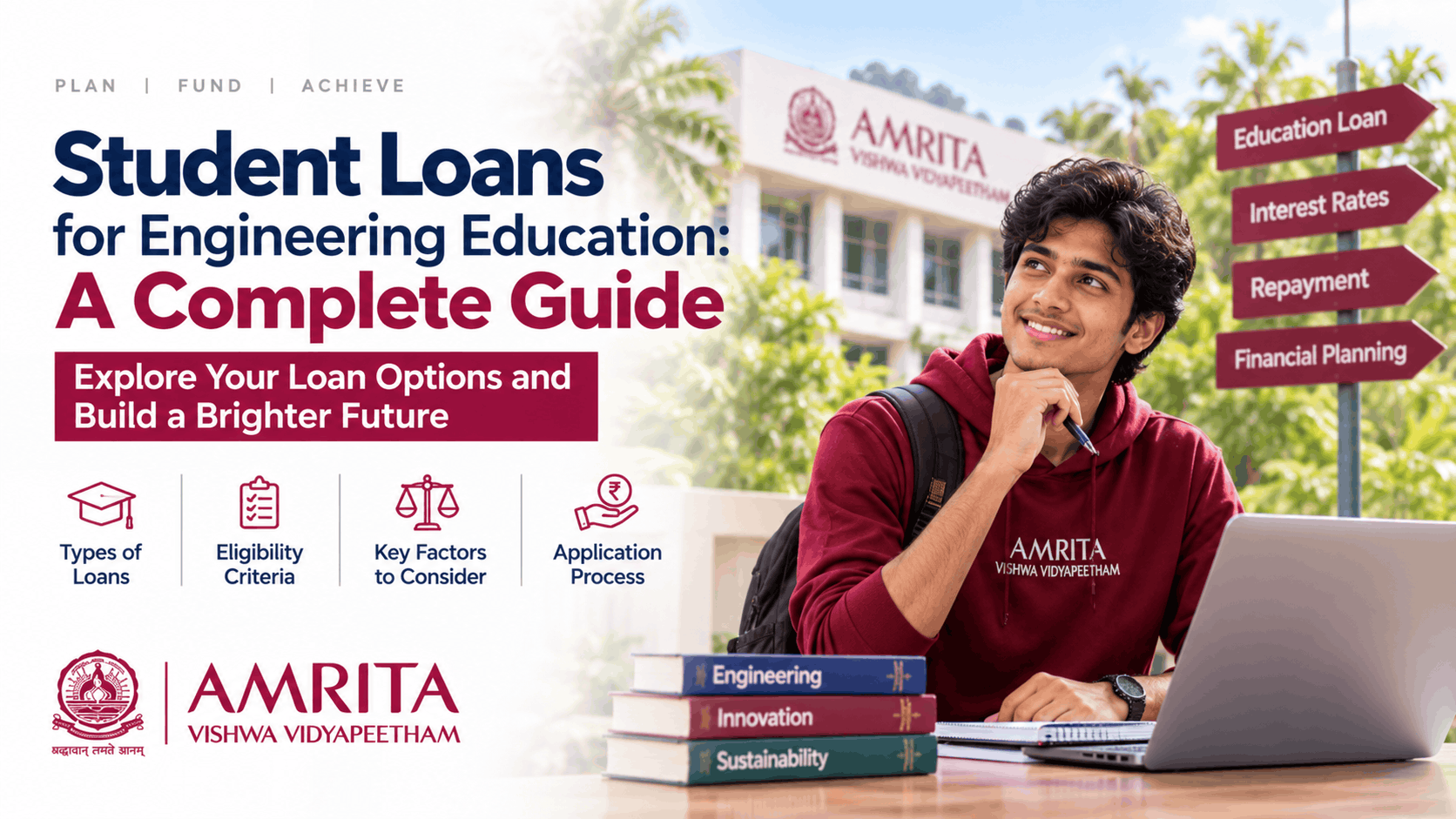
Navigating Loan Options for Engineering Education: A Student’s Guide
November 3, 2026 - 5:29
Student loan options are a key consideration when pursuing an engineering degree, a significant investment in your future. This degree equips you with the skills to solve complex problems and contribute meaningfully to society.
However, the rising cost of tuition can make financing your education a daunting prospect, especially for students from financially constrained backgrounds. This guide helps you navigate the financial landscape of engineering education, covering loan options and alternative financing strategies.
Understanding the types of loans available, their eligibility criteria, and key factors to consider when choosing a loan is crucial for making informed decisions. By researching and comparing different loan providers, you can find the most suitable option aligned with your financial situation and educational aspirations.
Types of Education Loans for Engineering
When it comes to financing your engineering education, there are several types of loans available, each with its own characteristics and benefits:
- Secured Loans:
- Require collateral, such as property or a vehicle, as security
- Offer potentially lower interest rates due to the presence of collateral
- Suitable if you have a valuable asset to use as security
- Interest rates typically range from 7.5% to 10.5%
- Unsecured Loans:
- Don’t require collateral but come with higher interest rates (10.5% to 14%)
- Lenders charge a premium to compensate for the lack of security
- A strong credit history or co-signer with good credit can improve chances of securing better rates
- Government Loans:
- Often have lower interest rates and more flexible repayment options compared to private lenders
- Eligibility criteria and terms vary based on specific government programs
- In India, options include the Prime Minister’s Scholarship Scheme for engineering students
- Private Loans:
- Offered by private banks and non-banking financial companies (NBFCs) like ICICI, HDFC, Credila, Avanse
- Interest rates and terms can vary significantly; thorough research and comparison is crucial
- NBFCs are known for flexible loan structures covering additional costs like travel and living expenses
Eligibility Criteria for Engineering Education Loans
To qualify for an engineering education loan, students generally need to meet these criteria:
- Age: Typically 18 or older, with some lenders having an upper limit of 35.
- Nationality: Some lenders require citizenship or permanent residency. Indian students must be citizens.
- Academic Qualifications: Strong academic records improve approval chances. For Indian B.Tech loans, entrance exam scores like JEE or COMEDK may be required.
- Admission: Proof of admission to a recognised engineering programme is required.
- Co-Applicant/Borrower: A parent, guardian, or relative with a stable income may need to co-sign the loan.
Some lenders may also require a minimum credit score for unsecured loans. Check specific lender requirements.
Factors to Consider When Choosing an Engineering Education Loan
- Interest Rates:
- Significantly impact the overall repayment cost
- Compare fixed vs variable rates – fixed provide stability, while variable may fluctuate over time
- Rates are typically lower for loans below Rs. 4 lakh in India
- Loan Amount:
- Borrow only what is genuinely needed for tuition, living expenses, and essential study materials
- Avoid unnecessary debt
- Most Indian banks offer up to Rs. 10 lakh for B.Tech programs
- Repayment Terms:
- Understand the repayment schedule when it starts (usually after course completion), frequency of installments, repayment tenure (5-7 years is common)
- Look for flexible plans aligned with future earning potential
- In India, repayment usually starts 1 year after course completion
- Processing Fees:
- Be aware of any fees for loan processing or disbursement
- Factor these into the overall cost comparison
- Hidden Costs:
- Read the fine print for additional charges or penalties on late or prepayments
- Special Concessions:
- Some banks offer interest rate concessions of 0.25-0.50% for female students in India
Don’t hesitate to negotiate terms or seek clarification from lenders on any unclear aspects before signing.
Expenses Covered Under Engineering Education Loans
Education loans for engineering typically cover:
- Tuition fees
- Accommodation and living expenses
- Books and study materials
- Travel expenses
- Study aids like laptops or necessary equipment
Understanding what’s included helps in effective financial planning to ensure necessary support for the entire course duration.
How to Apply for an Engineering Education Loan
- Research Loan Providers:
- Compare interest rates, loan limits, and repayment terms of banks and NBFCs
- If applying via the Vidya Lakshmi portal, check the associated banks
- Check Eligibility:
- Ensure meeting the lender’s criteria – admission to a recognized program, age, academic records, etc.
- Gather Documents:
- Prepare admission letter, ID proof, academic records, income proof, and collateral documents (if needed)
- Submit Application:
- Apply online, at a bank branch, or via the Vidya Lakshmi portal with required forms and documents
- Loan Processing & Verification:
- Lender will assess the application, verify documents, and evaluate the creditworthiness
- Approval times vary by bank and application complexity
- Loan Approval & Disbursement:
- If approved, carefully review and sign the agreement with co-applicants
- Loan amount is disbursed directly to the university as per the disbursement schedule
- Provide any additional documents required
Final Thoughts
Financing an engineering education requires careful planning and research. By understanding the types of loans available, eligibility criteria, key factors to consider, and the application process, you can make informed decisions aligned with your educational goals and financial situation.
At Amrita University, we are committed to supporting our students with both education and financial guidance. Our dynamic curriculum, strong industry partnerships, and global collaborations ensure that you receive a holistic education that prepares you for a successful career in engineering.
Investing in an engineering education opens doors to a rewarding career. Explore our programmes and find the right financial support to start your journey today!
Frequently Asked Questions
1. How does loan repayment work for engineering education loans?
Loan repayment usually starts 6-12 months after completing the course. The repayment period can last 5 to 7 years. This depends on the loan amount and lender’s terms. Monthly payments include both the principal and interest.
2. Can I apply for an education loan without collateral?
Yes, unsecured education loans are available without collateral. These loans usually have higher interest rates. A strong credit history or a co-signer with good credit can help secure better rates.
3. Are there any tax benefits for education loans?
Yes, education loans offer tax benefits under Section 80E of the Income Tax Act. The interest paid is deductible for up to 8 years, starting from the repayment year. This reduces your tax liability, making repayment easier.
4. What happens if I face difficulty in repaying my college loan?
If you face difficulty repaying your loan, contact your lender promptly. Many offer flexible options like extended tenure or reduced installments. Financial advisors or your university’s aid office can help with alternative repayment strategies.
5. Can I apply for student loans to study engineering abroad?
Yes, many banks offer student loans for studying engineering abroad. Loan amounts, interest rates, and repayment terms vary by country and institution. Research and compare loan options for international education to find the best fit.