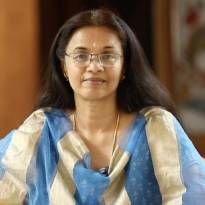
Dr. E. Pushpalatha
Dr. Kanchan K. Malik
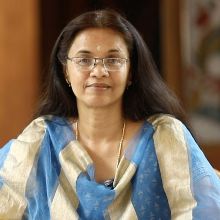
UNESCO Chair on Assistive Technologies in Education
Amrita Vishwa Vidyapeetham
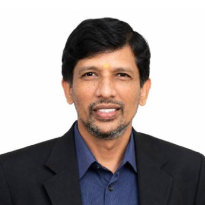
UNESCO Co – Chair on Assistive Technologies in Education
Amrita Vishwa Vidyapeetham
Thematic Session 1: Bridging Access: Inclusive Technology, Education, and Awareness for Indigenous Communities
Guided by a vision of inclusive education, this Chair addresses the gap in digital transformation for people with disabilities through assistive technology R&D, capacity building, and ecosystem strengthening. A major highlight is pioneering a unique PhD program in Applied Indian Sign Language (ISL) Linguistics and developing a sign language avatar that automatically converts speech into human-like ISL. The Chair is actively building a South Asia Accessible Digital Learning and AI Inclusion Network to scale regional accessibility.
UNESCO Chair on Indigenous Cultural Heritage and Sustainable Development
University of Calicut
Thematic Session 2: Indigenous Healing Systems – History, Anthropological Lenses, and questions of Representation
The Chair advances higher education, heritage preservation, and empowerment for indigenous youth and women in Keralam and Lakshadweep. Through its dedicated Institute of Tribal Studies and Research, the Chair offers graduate and postgraduate degrees for indigenous students. Its impact spans extensive fieldwork, native language and health publications, and major cultural initiatives — such as the Keralam Tribal Congress and the multi-state Chhau Festival — bridging traditional ecological knowledge with modern academic research.
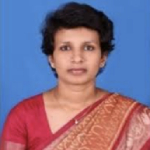
UNESCO Chair on Community-Based Disability Management and Rehabilitation Studies
University of Calicut
Thematic Session 3: Intersectionality and Inclusivity in the Contemporary Indigenous Reality
Supported by the Department of Social Justice, Keralam, this Chair focuses on the entire life cycle of individuals with intellectual and developmental disabilities. From early intervention and family support to vocational training, the Chair has registered over 15,000 individuals and runs a unique campus-based working café operated by young adults with disabilities. An ISO-certified and Rehabilitation Council of India (RCI) recognized hub, its grassroots model of community camps, skill training, and inclusive employment has earned widespread international recognition.
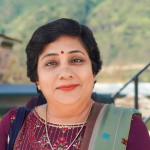
UNESCO Chair on Community Media
University of Hyderabad
Thematic Session 4: Indigenous Languages and Community Radio in India – Reclaiming Narratives and Reviving Cultural Heritage
The Chair advances participatory communication through research, teaching, capacity building, and international collaboration. It integrates community media and communication for social change into higher education, supports doctoral research, and develops training and knowledge resources for practitioners and policymakers. The Chair works with universities, community media networks, civil society organisations, and UNESCO partners across South Asia and beyond, including collaborations in Australia, Africa, Europe, and Bhutan. Current initiatives include projects on gender-sensitive community media, indigenous languages and knowledge systems, and Transforming MENtalities, which engages community radio to address gender norms and masculinities.
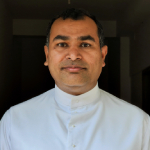
Fr. Bijo Thomas Karukappally
Fr. Bijo Thomas Karukappally is the Station Director of Community Radio Mattoli, Wayanad, with over 20 years of experience in social development, community engagement, and media. Under his leadership, Mattoli has received several national awards, including recognition from the Prime Minister of India for its outstanding service during the COVID-19 pandemic.
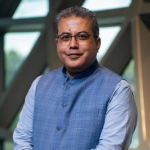
Dr. Nirmalya Mukherjee
Dr. Nirmalya Mukherjee is the Chief Executive of the Manbhum Ananda Ashram Nityananda Trust (MANT) and has over 25 years of experience in public health. He leads programmes on tribal and indigenous health across Eastern India and has promoted health communication through community radio and video. He was an Australia Awards Fellow in Evidence Implementation (2024–25).
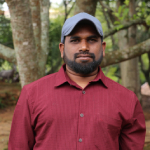
Mr. A. Manickam
Mr. A. Manickam has been with Keystone Foundation for over eight years, working in community radio and community engagement. He has contributed to several government-supported projects and has extensive experience in community communication, programme coordination, and promoting local voices through participatory media.