Four UNESCO Chairs in India cordially invite you to participate in a two-day symposium on Indigenous Peoples, Health, and Knowledge Systems, organized in observance of the International Day of the World’s Indigenous Peoples 2026.
The symposium will bring together Indigenous community representatives, scholars, policymakers, healthcare practitioners, educators, media professionals, and civil society organizations to explore Indigenous rights, health and well-being, traditional knowledge, cultural heritage, education, and sustainable development. It aims to promote dialogue, collaboration, and practical approaches that support the dignity, rights, and aspirations of Indigenous peoples.
Hosted in Wayanad, a region known for its rich indigenous heritage and vibrant tribal communities, the event will provide a meaningful platform for knowledge exchange, partnership-building, and the sharing of community-driven solutions for inclusive and sustainable development.






Approximately 225–250 participants including scholars, community members, policymakers, and NGOs
UNESCO Chair on Assistive Technologies in
Education,
Amrita Vishwa Vidyapeetham, Keralam
Guided by a vision of inclusive education, this Chair addresses the gap in digital transformation for people with disabilities through assistive technology R&D, capacity building, and ecosystem strengthening. A major highlight is pioneering a unique PhD program in Applied Indian Sign Language (ISL) Linguistics and developing a sign language avatar that automatically converts speech into human-like ISL. The Chair is actively building a South Asia Accessible Digital Learning and AI Inclusion Network to scale regional accessibility.
UNESCO Co-Chair on Assistive Technologies in
Education,
Amrita Vishwa Vidyapeetham, Keralam
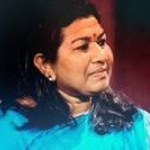
UNESCO Chair on Indigenous Cultural Heritage and Sustainable Development,
University of Calicut
The Chair advances higher education, heritage preservation, and empowerment for indigenous youth and women in Keralam and Lakshadweep. Through its dedicated Institute of Tribal Studies and Research, the Chair offers graduate and postgraduate degrees for indigenous students. Its impact spans extensive fieldwork, native language and health publications, and major cultural initiatives — such as the Keralam Tribal Congress and the multi-state Chhau Festival — bridging traditional ecological knowledge with modern academic research.
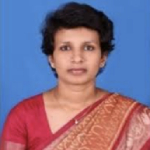
UNESCO Chair on Community-Based Disability Management and Rehabilitation Studies,
University of Calicut
Supported by the Department of Social Justice, Keralam, this Chair focuses on the entire life cycle of individuals with intellectual and developmental disabilities. From early intervention and family support to vocational training, the Chair has registered over 15,000 individuals and runs a unique campus-based working café operated by young adults with disabilities. An ISO-certified and Rehabilitation Council of India (RCI) recognized hub, its grassroots model of community camps, skill training, and inclusive employment has earned widespread international recognition.
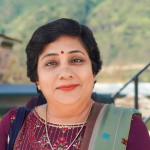
UNESCO Chair on Community
Media,
University of Hyderabad
The Chair’s work empowers grassroots voices through education, research, and global partnerships. It integrates community media into university curricula, guides doctoral research on digital and health communication, and spearheads international initiatives. Key projects range from pioneering civil society radio training in Bhutan and revitalizing indigenous languages with Australian universities, to leading the flagship Transforming Mentalities program, which uses community broadcasting to challenge toxic masculinity and shift cultural norms.
A UNESCO Chair is a project and team within a higher education or research institution that partners with UNESCO to advance knowledge and practice in areas of common priority, such as education, science, culture, and communication. Established for an initial period of four years through an agreement between the Director-General of UNESCO and the head of the host institution (e.g., Rector or President), each Chair is led by an academic Chairholder who directs activities supported by faculty, researchers, and students.
The program, launched in 1992, currently includes approximately 1,000 Chairs and 45 UNITWIN Networks hosted in over 120 countries. These Chairs aim to strengthen higher education systems, foster international inter-university cooperation, and address global challenges through research, training, and policy-making while promoting the transfer of knowledge across borders.