












The Global Report on Assistive Technology Report (2022) suggests that an estimated 3.5 billion people will require AT by 2050 globally. WHO estimates that, globally, over 2.5 billion individuals require AT, yet 90% lack access, affecting their education, health, and quality of life. There are 30 million Indians with disabilities, as per the 2011 census.
This initiative supports UNESCO’s mission to foster inclusive societies by underscoring the vital role of assistive technology in advancing equity and achieving the Sustainable Development Goals (SDGs), while aligning with global frameworks such as the United Nations Convention on the Rights of Persons with Disabilities (UNCRPD) and the World Health Assembly Resolution WHA 71.8 on improving access to assistive technology. AT is critical for advancing inclusion, equity, human rights, universal health coverage, and directly impacts multiple UN SDGs, including 3 (Good Health and Well-being), 4 (Quality Education), 10 (Reduced Inequalities), and 17 (Partnerships for the Goals).


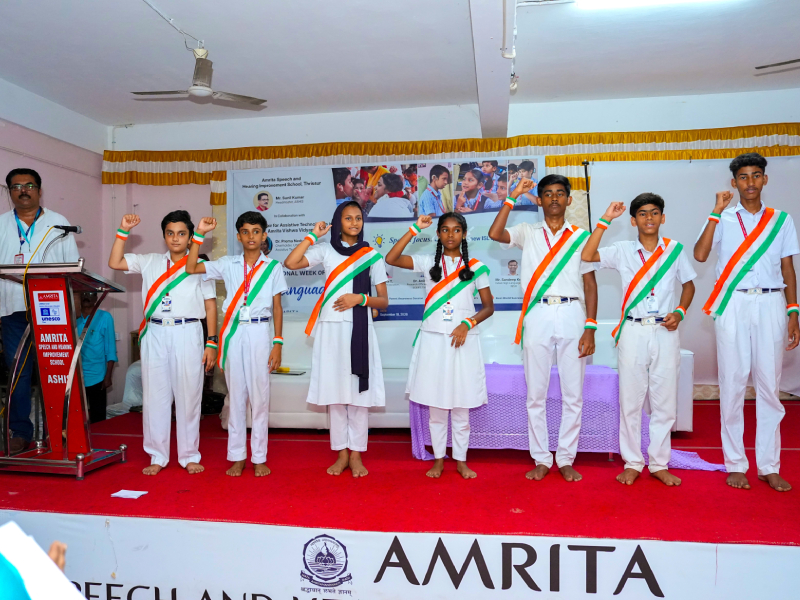
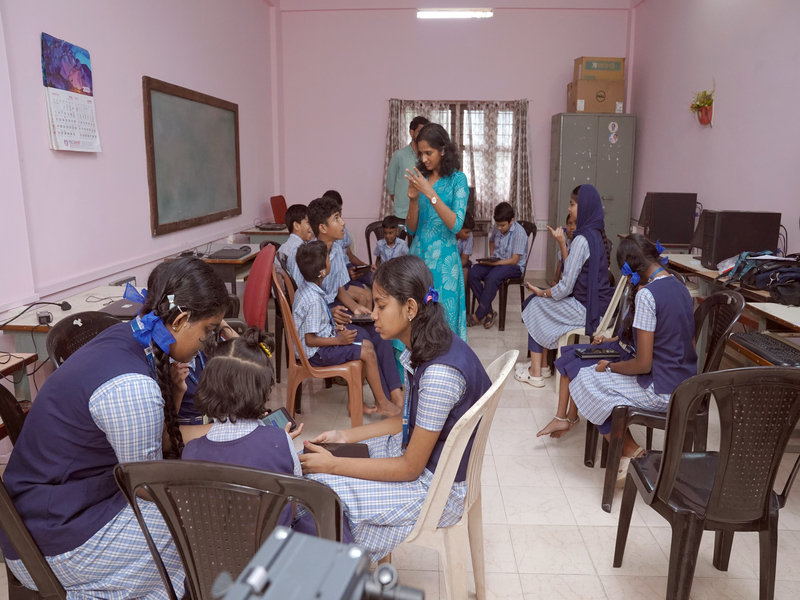
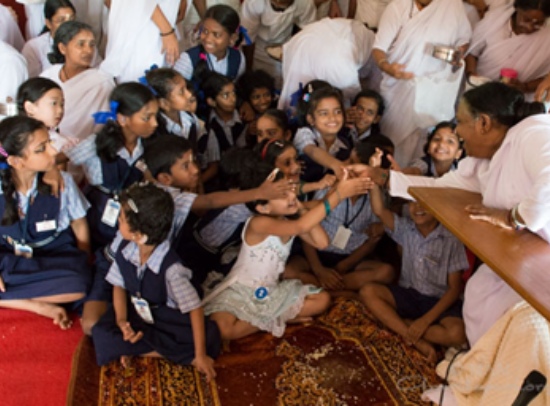
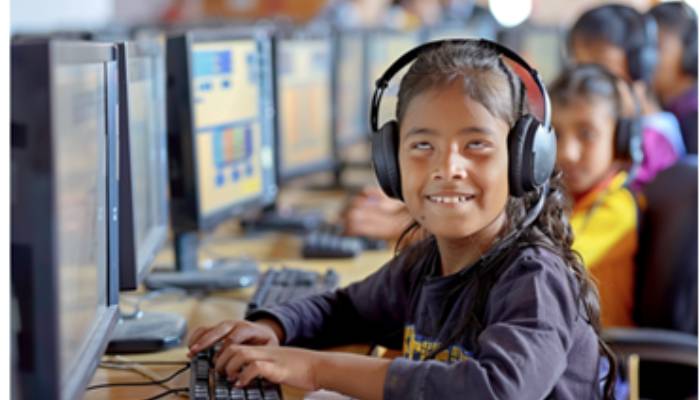
Amma has always emphasized the need to care for and support children with disabilities (CwDs). CWDs are often marginalized and excluded from the mainstream education system. They face several barriers to accessing quality education, which makes timely intervention and educational support essential. The Amrita Institute for Differently Abled (video) and the Amrita Speech and Hearing Improvement School (ASHISH) are two of Amma’s initiatives. Inspired by Amma’s vision of compassion-driven research, the UNESCO Chair draws upon the G20 New Delhi Leaders’ Declaration and deliberations from the Education and Digital Transformation Working Group, a part of the Civil 20 Engagement Group. The Chair is dedicated to advancing inclusive education with a focus on mitigating disparities caused by the digital divide through equitable access to educational resources and assistive technologies.

UNESCO-ATE’s objectives and activities align with UNESCO’s mandate and complement global efforts.
A solid body of research on assistive technology (AT) aims to bolster institutional and governmental support for inclusive education policies.
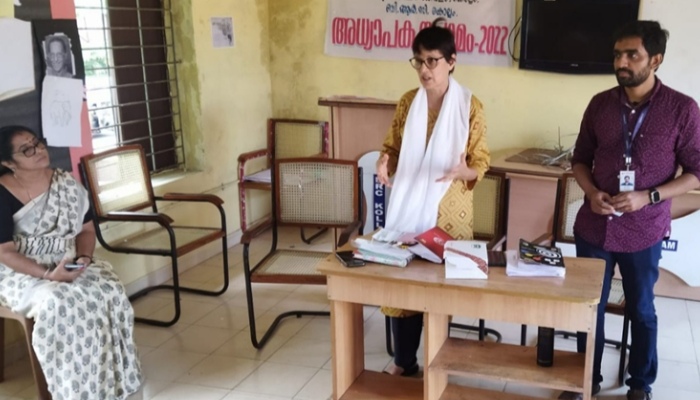
Seminars, conferences, and certificates aim to empower educators and stakeholders to integrate AT effectively, fostering a skilled community of practice.
Develop and facilitate the identification of low-cost AT innovations, including through competitions and linkage to PwD institutions and startups.
Promoting South-South and North-South cooperation with a focus on Africa through academic exchanges to disseminate knowledge through communication newsletters, networking platforms, and journals.
The Chair’s objectives align with India’s National Education Policy 2020 (NEP) to ensure equitable and inclusive education, use technology for equity and quality, professional development of educators, and foster partnerships with global institutions.

AI for Empowering Visual Abilities

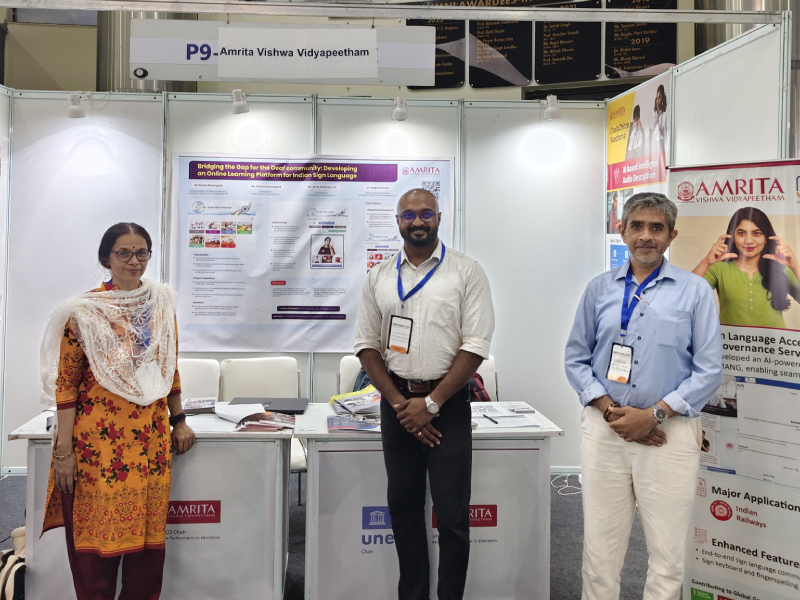
Assistive Technologies for the Deaf community

AI-Enhanced Solutions for Neurodiversity

Assistive Innovation for Cognitive Impairment and Locomotory Skills

Assistive Technologies Transforming Speech Impairment

AI-Driven Solutions for Cognitive and Intellectual Differences

ChalaChitra Vaachana offers user-friendly web and mobile interfaces for generating intelligent audio descriptions.

An AI-powered accessibility interface integrating Indian Sign Language (ISL) into the UMANG e-Governance platform, making government services more accessible to deaf users.

Developing and evaluating an evidence-based teacher training programme to strengthen autism awareness and identification

The Malayalam language, derived from both Sanskrit and Tamil, poses unique challenges to language learners since they are complex writing systems.
Chairholder for UNESCO Chair on Assistive Technologies in Education
Amrita Vishwa Vidyapeetham,
Amritapuri Campus, Clappana P.O.
Kollam, Keralam – 690525, INDIA