PROJECT SUMMARY:
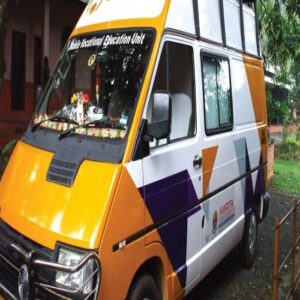
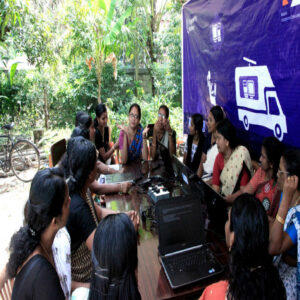
A solar powered classroom on wheels is what the MoVE project is all about. Skills training is the least accessible to those who stand to benefit the most from it. Making vocational education mobile may be one solution to this. In an effort to bring quality vocational education to the otherwise inaccessible regions of the diverse geography that India is, AMMACHI Labs conceptualised, designed and built a mobile vocational training center. This makes it even more difficult to implement a way to help these communities participate in any formal economic sector, and thereby overcome poverty. The future of MoVE is two-fold: one being MoVE-in-a-box where all the IT devices required for conducting a class is packed in a box instead of a vehicle. This would make the MoVE further mobile and bring training to the remotest of areas. the vehicle housing more heavy duty or emerging vocational tools like 3D printers, laser cutters and welding systems. The first model brings training to the villages and the second model aims to carry innovation to the villages.
PROJECT STATUS:
Completed Project (September 1, 2011 – December 8, 2013)
PROJECT AREAS:
Learning Technologies, Vocational Education
PROJECT TAGS:
Life Enrichment Education, Maker Skills, Serious Games, eLearning Courses