

Anganwadi workers are the backbone of frontline nutrition service delivery in India, yet they often lack access to consistent, practical training that equips them with the knowledge and skills to make a real difference. The STI Hub project, in collaboration with the ICDS (Integrated Child Development Services) scheme of the Women & Child Development Department, Government of Mizoram, has spent three years addressing this gap through a two-pronged approach: ongoing individual Anganwadi interventions throughout the year, combined with intensive annual mass training events for workers.
This dual model ensures continuous learning at the community level while also building systemic capacity among the workers themselves.
Model 1: Individual Anganwadi Interventions (Throughout the Year)
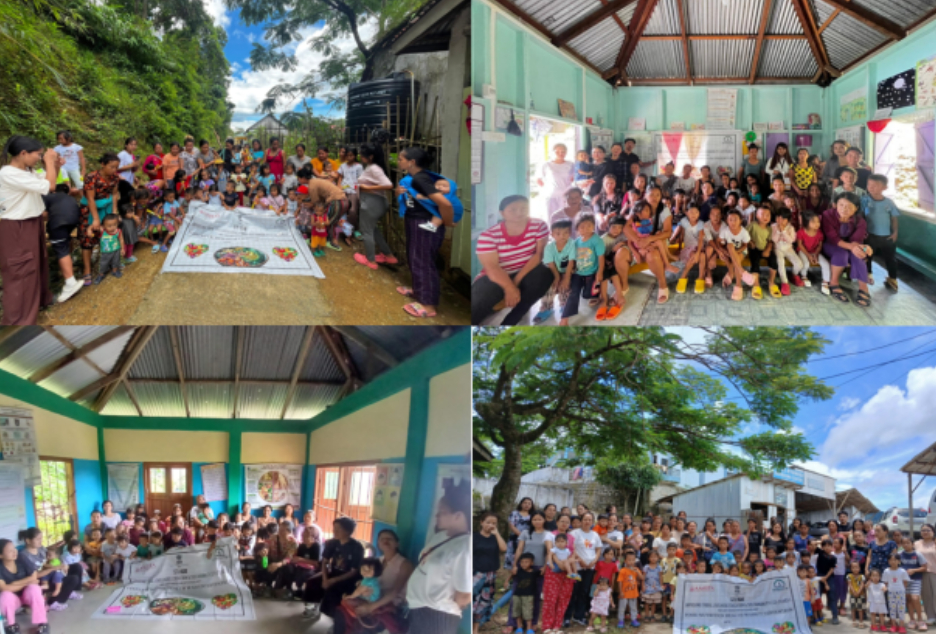
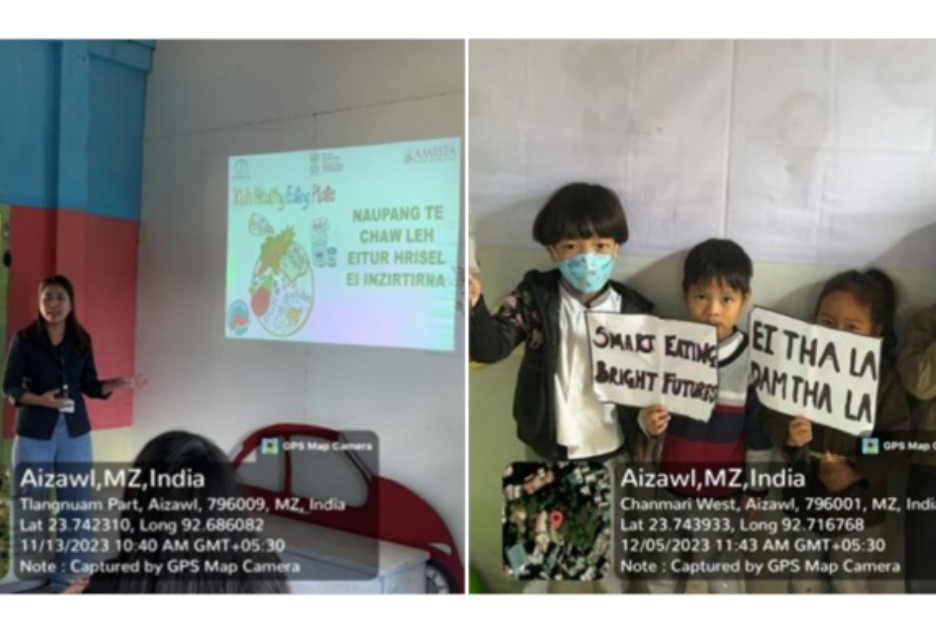
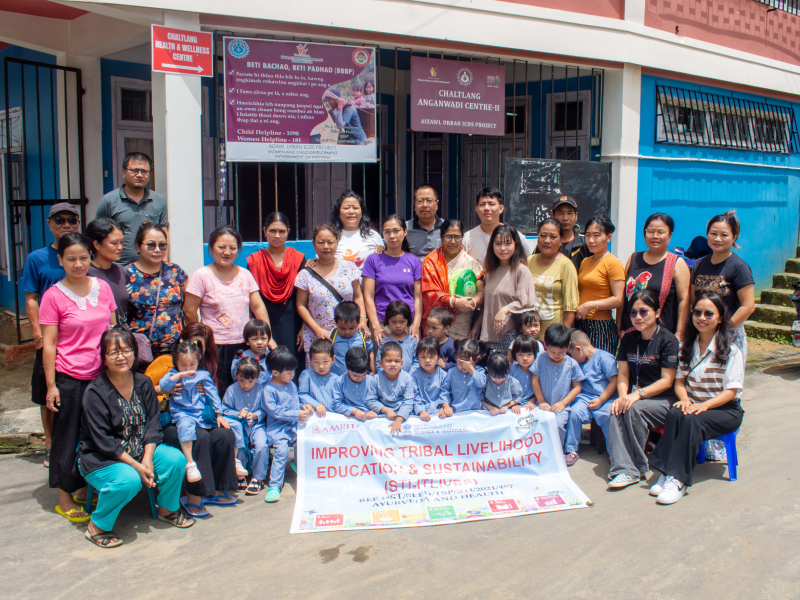
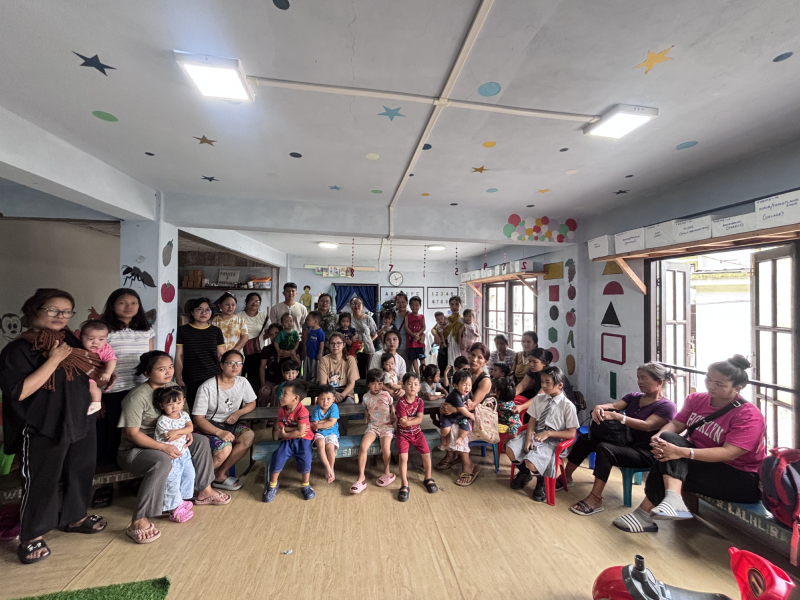
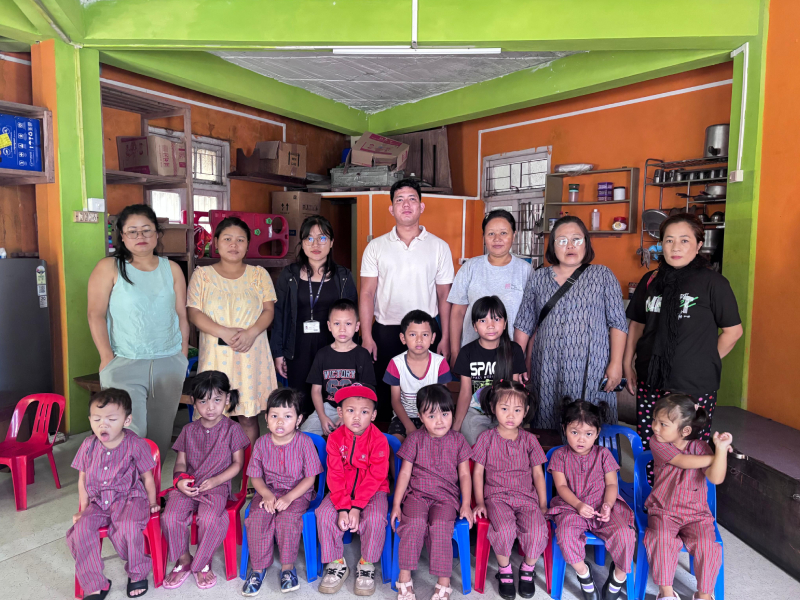
The STI Hub team conducted regular sessions in Anganwadi centres across Aizawl and Serchhip districts of Mizoram, reaching mothers, caregivers, children, and Anganwadi workers together. These are not worker-only trainings—they’re community-level awareness and education sessions where the worker participates alongside the beneficiaries. This ensures practical learning happens in the exact context where it will be implemented.
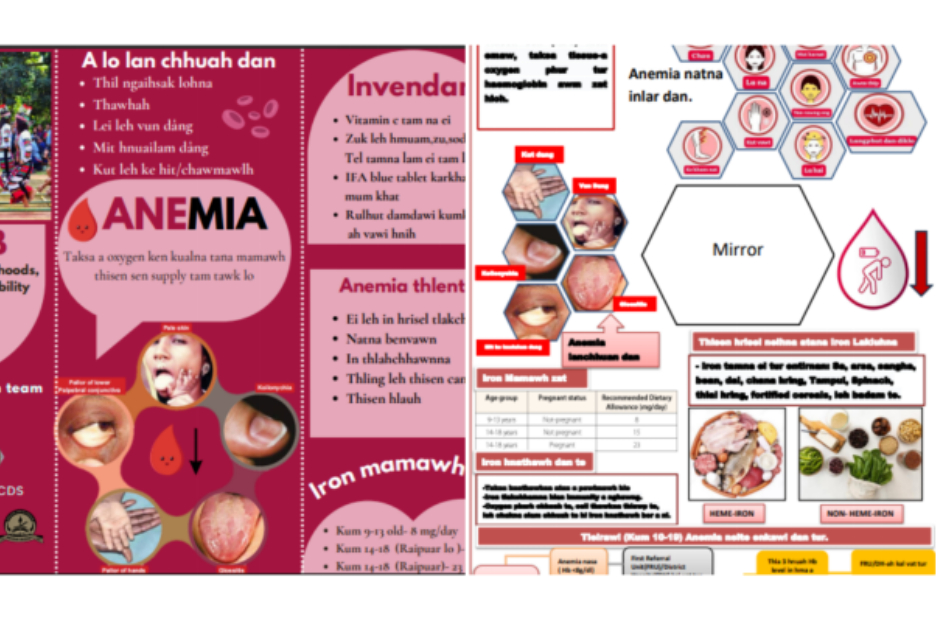
Over three years, the STI Hub team has visited multiple Anganwadis, conducting sessions on nutrition fundamentals, food pyramid, anaemia awareness and prevention, balanced diets for vulnerable groups, locally available nutrient-rich foods, and the nutritive benefits of superfoods like moringa. The materials for the sessions are all designed in local language for easier comprehension, and include placards, flipbooks, pictorial charts etc.
These individual wadi (Anganwadi, hereafter ‘wadi’ for short) interventions form the continuous backbone of community engagement, ensuring sustained learning and behaviour change among mothers and families.
Model 2: Annual Mass Training Events (For Anganwadi Workers)
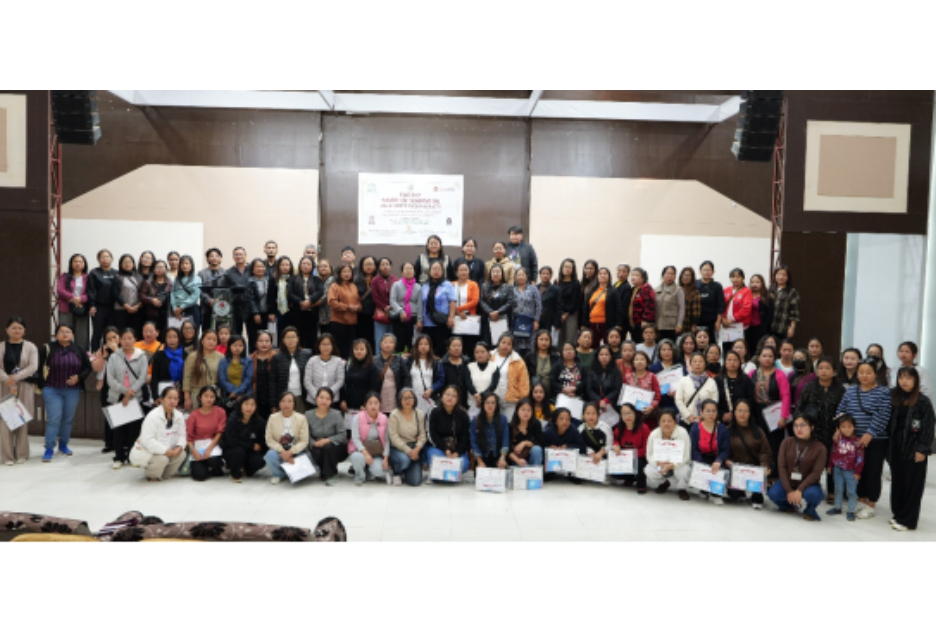
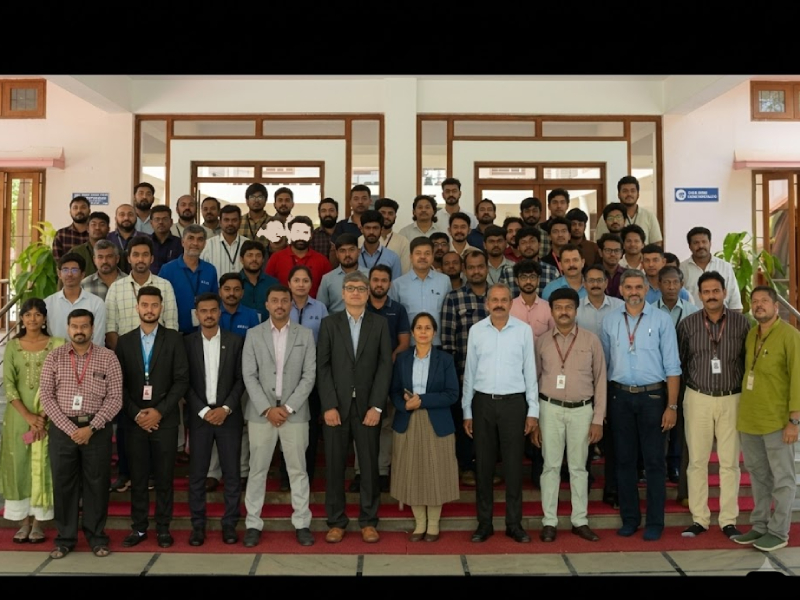
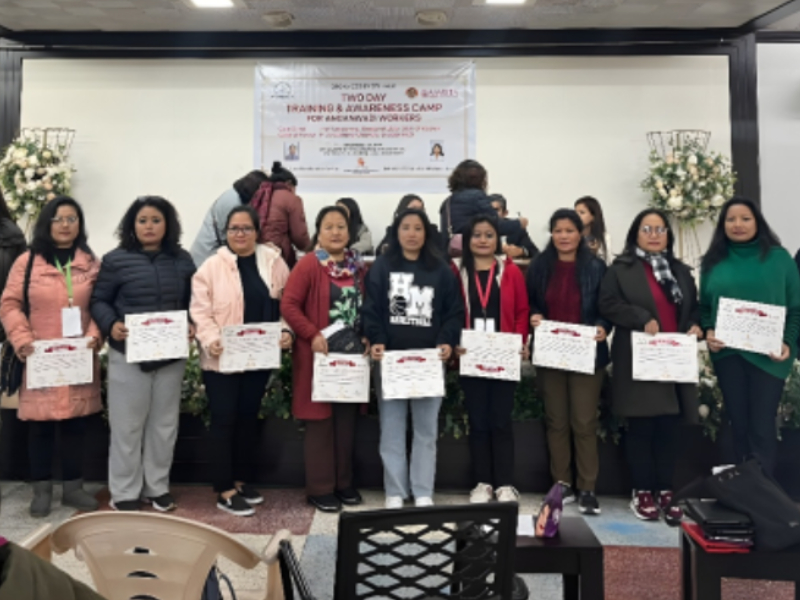
Complementing these individual wadi visits, the STI Hub conducts one major mass training event each year specifically for Anganwadi workers. These intensive two-day workshops bring together dozens of workers from across the district for deeper, dedicated capacity building.
Combining the above two models, hundreds of Anganwadi workers have been trained in the past three years:
| Year | Workers Trained | Location |
|---|---|---|
| Year 1 (2024) | 200 | Aizawl (Urban) |
| Year 2 (2025) | 123 | Aizawl (Rural) and Serchhip |
| Year 3 (2026) | 189 | Aizawl (Urban) |
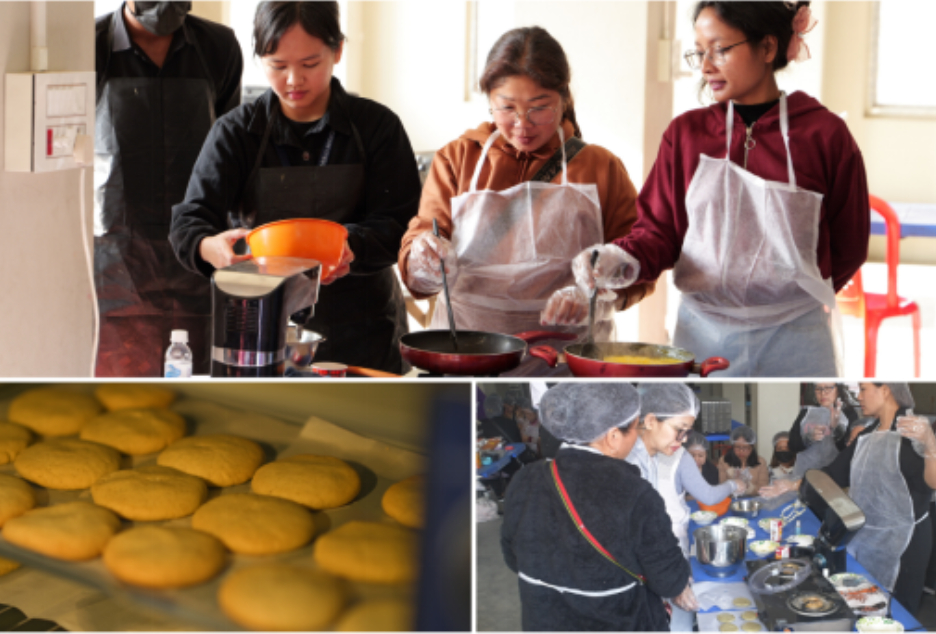
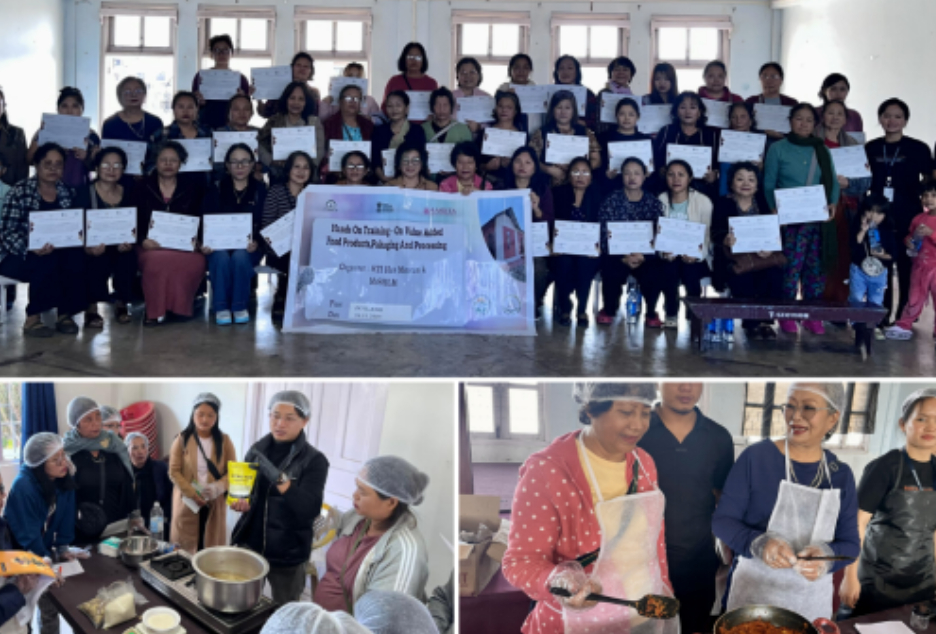
Beyond theory, recent mass trainings have also featured live demonstrations and hands-on practice in food processing and value-added product development. In Year 3 (February 2026), workers learned to prepare moringa-jaggery cookies, ginger-perilla digestive bites (formulated using Ayurvedic principles), and orange jam—products they can teach others to produce.
Positive Feedback and Measurable Impact
Feedback collected from participants highlighted the strong impact of the training programmes. According to the survey responses gathered after the sessions, a large majority of participants reported that the training significantly improved their understanding of nutrition and food preparation techniques. Many also indicated that they felt more confident in sharing this knowledge with mothers and families in their communities.
Participants particularly appreciated the focus on locally available ingredients, which makes it easier to implement the lessons learned during the training.
Lily Malsawmdawngkimi, Anganwadi worker at Tuikual South Anganwadi Centre–II shared:
“The preparation of moringa cookies was a completely new experience for us. They were not only delicious but also highly nutritious. This training has encouraged us to prepare such healthy food items for the children at our Anganwadi Centre, especially for those who require nutritious supplementary snacks.”
Lalremdiki, Anganwadi Helper from Kulikawn Anganwadi centre IV highlighted the importance of practical learning:
“We often hear about nutrition, but this programme showed us how to actually prepare healthy foods step by step. I will definitely apply this knowledge in my Anganwadi centre.”
Many workers also noted that the information about anaemia and balanced diets was particularly useful, as these are common health concerns in their communities.
Scaling Impact: The Master Trainer Model
From the first cohort of 200 workers trained in February 2024, the STI Hub identified and developed 12 Master Trainers—enthusiastic, capable Anganwadi workers with demonstrated leadership. These Master Trainers received specialized advanced training on adolescent anaemia awareness and prevention.
Armed with culturally translated training materials, posters, and presentations in Mizo language, these 12 Master Trainers independently organized outreach sessions for adolescent girls in their respective Anganwadi localities and nearby communities. Through these peer-led sessions—focused on recognizing anaemia symptoms, dietary prevention, and the importance of health-seeking behaviour—213 adolescent girls directly benefitted.
This multiplier effect—one trained worker training many others in their own community—is the hallmark of sustainable community health programming. Knowledge spreads organically through trusted, relatable voices rather than depending on external experts.
Livelihood and Entrepreneurship: Value-Added Food Product Trainings
Alongside but separate from the Anganwadi-focused trainings, the STI Hub has conducted several 13 additional specialized trainings on value-added food product development between 2025 and 2026, targeting a broader community audience beyond the Anganwadi system, reaching 820 participants
WHO WAS REACHED
A separate but complementary intervention — extending nutrition knowledge into livelihood and income generation
These trainings ensure that knowledge gained in nutrition and food processing translates into income-generating activities, making the intervention sustainable and benefiting entire households.
Beyond Nutrition: A Holistic Approach
The STI Hub initiative also introduced wadi workers to new domains of trainings — complementary areas that supported their overall well-being and professional effectiveness.
Nutrition knowledge is necessary but not sufficient. Anganwadi workers carry significant responsibility for community health, and their own well-being directly affects service quality. The STI Hub therefore introduced two complementary areas of training: Ayurvedic Dinacharya (daily wellness routines) to support workers’ physical and mental health, and basic digital literacy for reporting and communication — an increasingly essential skill as government systems shift towards digital records and data-driven monitoring.
Culturally Grounded, Language-Adapted Materials
A critical success factor has been the development of all training materials in Mizo language. Rather than relying on English or Hindi materials, facilitator guides, training presentations, posters, and pamphlets on nutrition, anaemia, food pyramid, and Ayurvedic concepts are translated and culturally adapted. This ensures maximum comprehension and engagement among the beneficiaries.
Why This Two-Pronged Approach Works
By combining individual Anganwadi interventions (continuous, community-level) with annual mass worker trainings (intensive, worker-focused), the STI Hub achieves multiple outcomes:
Over three years, through individual wadi visits and three mass training events, the STI Hub has engaged hundreds of Anganwadi workers and thousands of mothers and children in nutrition education that is practical, culturally respectful, and rooted in local food systems. The journey of the past three years demonstrates the power of consistent, community-focused capacity building. By equipping Anganwadi Workers with practical skills and relevant knowledge, the STI Hub is strengthening the foundation of grassroots health and nutrition services in Mizoram.