2021
IWSS 2021 — International Water Sustainability Symposium
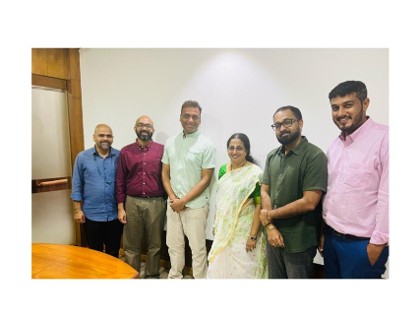
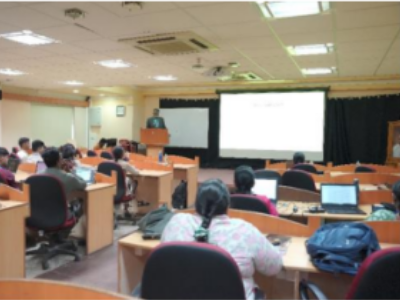
Keynote addresses by six TU Delft faculty at Amrita: Prof. Jules van Lier, Prof. Merle de Kreuk, Dr. Saket Pande, Dr. D. Daniel, Dr. Ralph Lindeboom, Dr. Boris van Breukelen.
2021


Indo–Dutch Excellence in Water Sustainability Research and Societal Impact
An international collaboration between Amrita Vishwa Vidyapeetham and TU Delft advancing resilient water systems, digital water intelligence, climate adaptation, and community transformation.
The Amrita–TU Delft Joint Centre of Excellence for Water Sustainability is a strategic international collaboration between Amrita Vishwa Vidyapeetham, India, and Delft University of Technology (TU Delft), The Netherlands, established in 2022 to advance research, innovation, and societal impact in water sustainability.
Built on the long-standing water partnership between India and The Netherlands, the Centre brings together expertise in water engineering, sustainability science, digital innovation, and community-centred implementation to address critical global water challenges.
What distinguishes the Centre is its translational research approach—where scientific rigour is combined with real-world implementation. Through interdisciplinary research, joint doctoral programmes, international collaboration, and technology innovation, the Centre develops scalable solutions in water quality, resilient infrastructure, decentralised treatment, climate adaptation, public health, and sustainable water governance.
Grounded in field realities and driven by global scientific excellence, the Centre is committed to shaping resilient and sustainable water futures across communities, institutions, and geographies.

Field-validated studies from water purification adoption to slow-moving landslide monitoring — always grounded in community need.

TU Delft’s modelling and process engineering expertise paired with Amrita’s real-world deployment context — producing extraordinary researchers.

Q1 journal articles and international conference presentations advancing the global knowledge base in water sustainability science.

Jointly pursued research grants, CSR partnerships, and international funding calls — backed by demonstrated societal relevance.
Three domains,
One Mission
The Joint Center organises its work around three interconnected research themes — each addressing a distinct dimension of water sustainability, each making the others stronger.
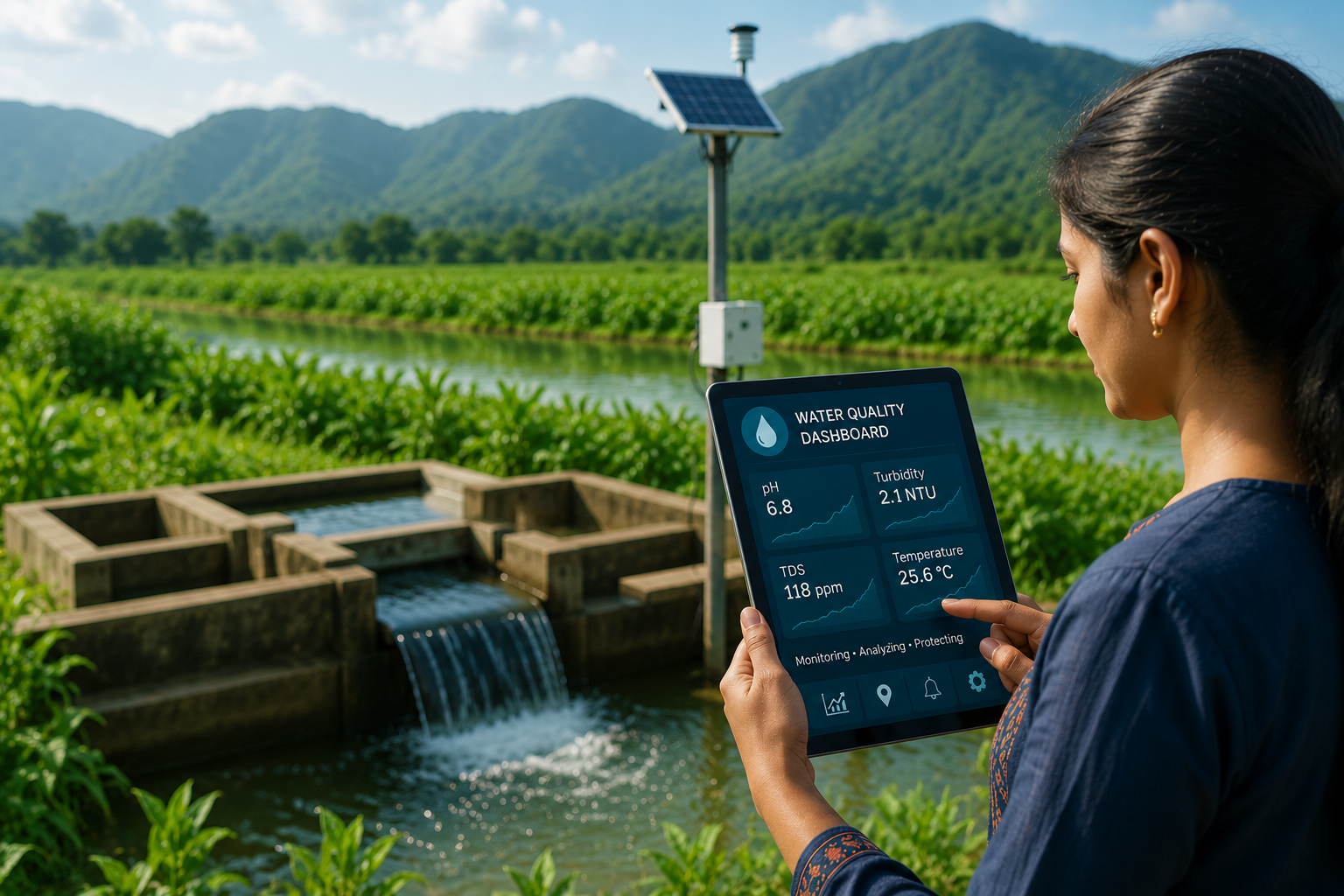
Understanding how communities adopt safe-water technologies — and what psychological, cultural, and infrastructural barriers prevent them from doing so. Research spans behavioral science, water quality monitoring, and community health.
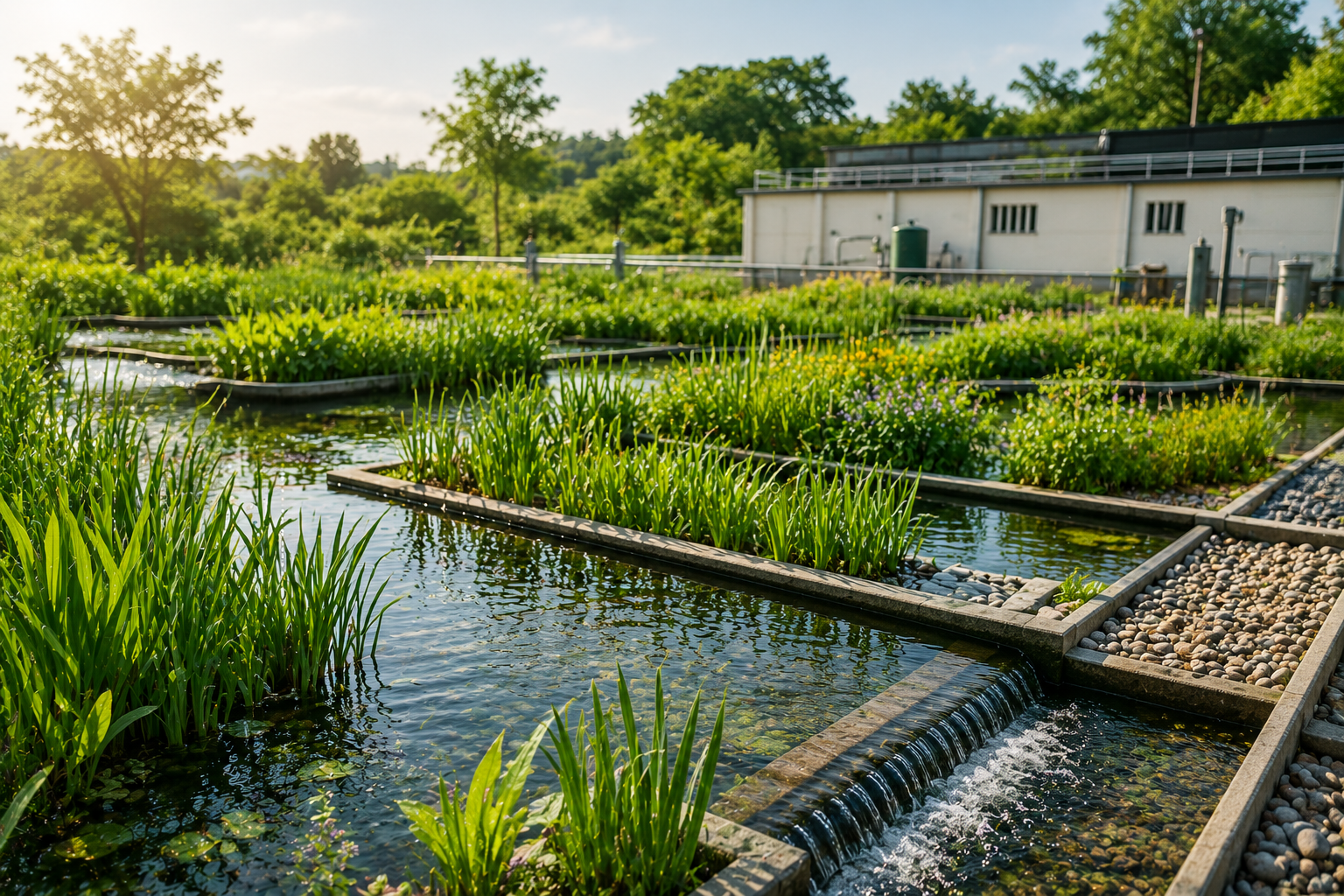
Low-energy, nature-based approaches to wastewater treatment and environmental sensing — covering pathogens, nutrients, aerosols, and phototrophic processes. Designed for decentralised deployment in resource-limited settings.
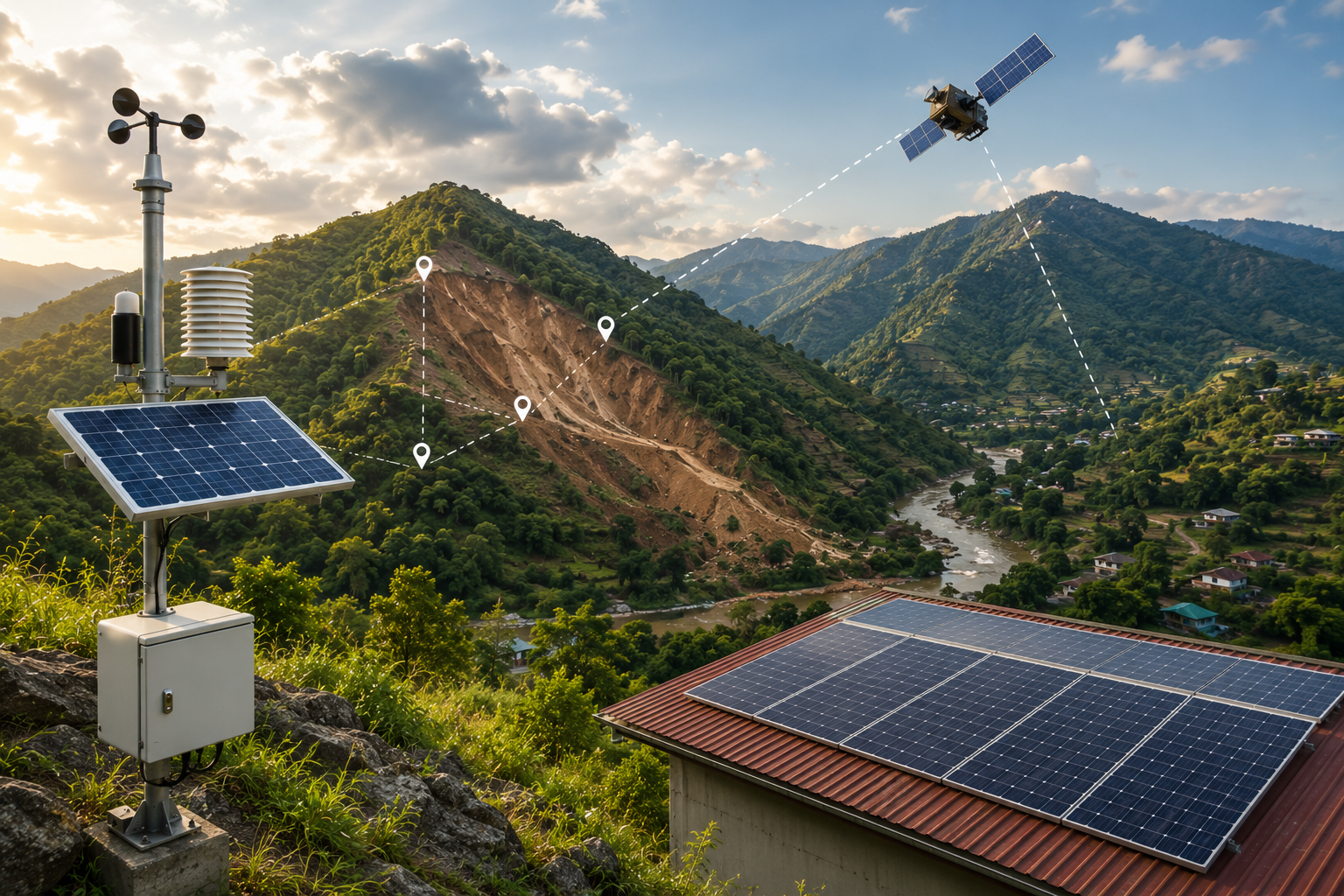
Multi-method monitoring of slow-moving landslides and climate-driven infrastructure risk. Integrating satellite remote sensing, IoT field sensors, and participatory community observation into actionable early-warning frameworks.
Projects in
Progress
Three ongoing studies, each co-supervised between Amrita and TU Delft, each embedded in real communities — and each already generating findings that matter.
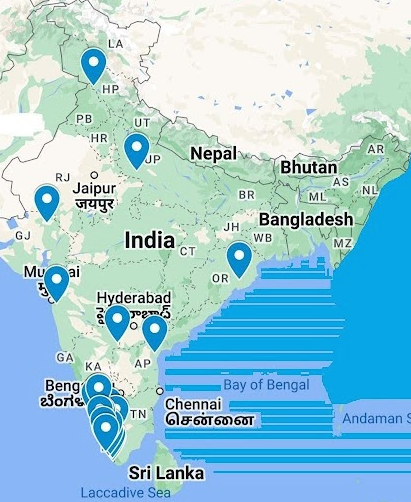
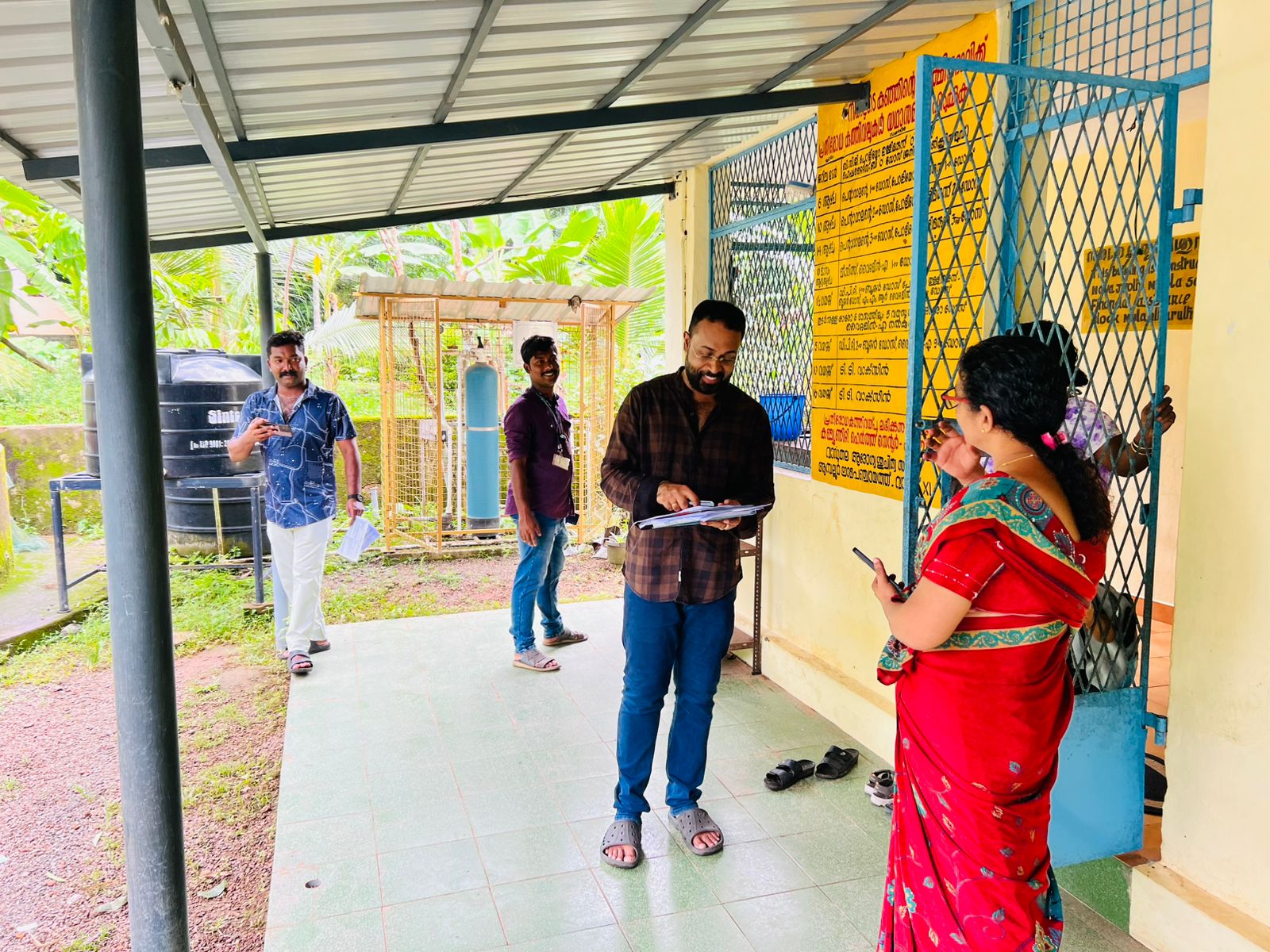
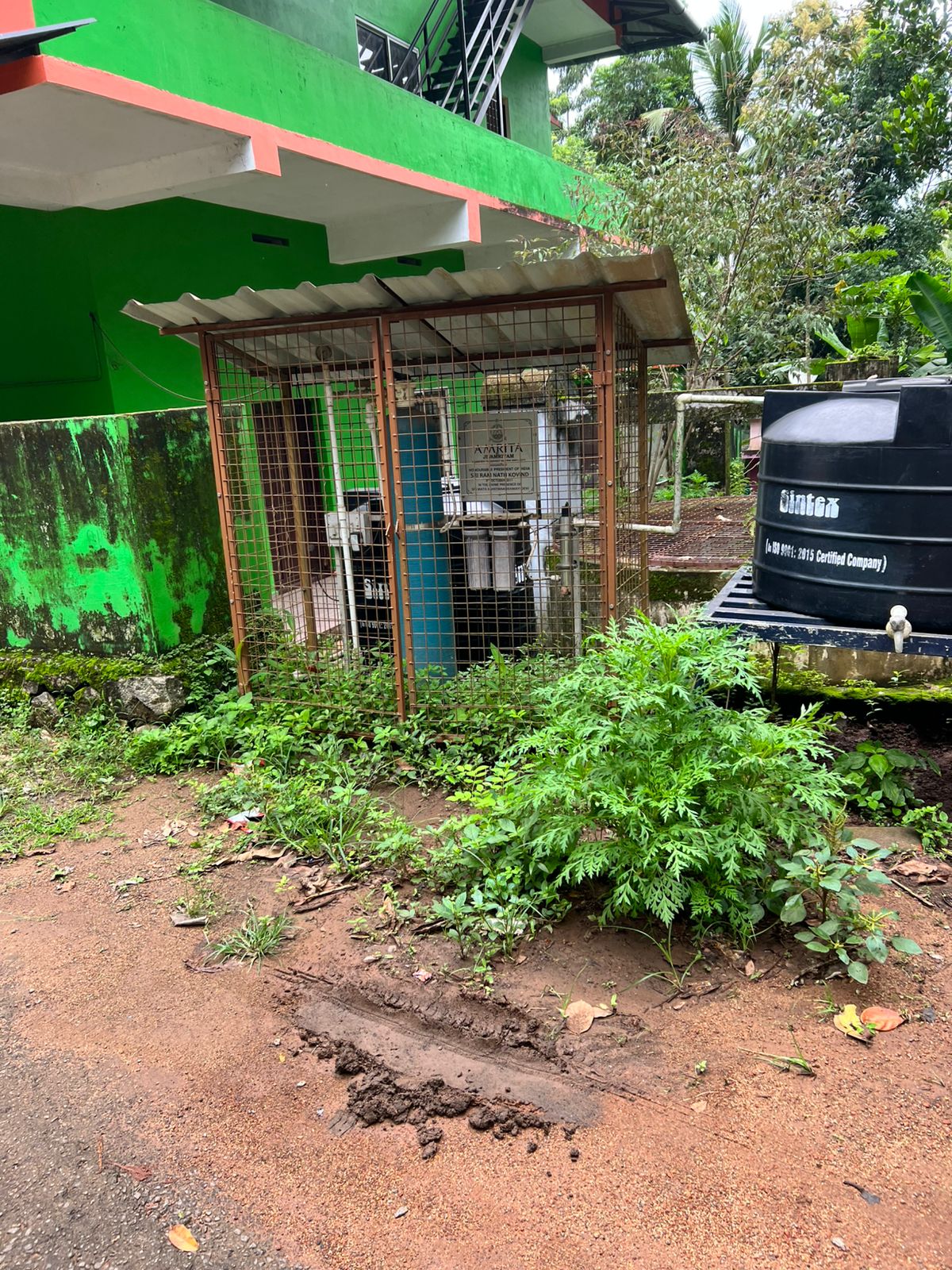
Jivamritam is a community-based water purification technology deployed across rural India. This project asks a deceptively difficult question: why do some communities embrace it and others don’t? Using a two-stage regression framework to correct for endogeneity, the research reveals how cultural norms, psychological traits, and social networks shape adoption — findings with direct implications for public health policy. 54 Jivamritam communities in rural India with different socio-cultural backgrounds.
Emergent Behaviour and the Adoption of Community-Based Water Purification Technology in Rural India
Journal: Research Square
Cultural Dynamics and Endogeneity in Psychological Drivers of Adoption of Community-Based Water Purification Technology in Rural India
Journal: iScience
Integrating Health, Behavioral, and Technology Acceptance Models to explain community-based water purification technology adoption
Journal: SSRN Electronic Journal
This project develops nature-based, low-energy systems for wastewater treatment and environmental sensing — purpose-built for decentralised deployment in communities with limited infrastructure. The research scope covers pathogen removal, nutrient cycling, aerosol dynamics, and phototrophic processes.
The work is positioned at the intersection of environmental engineering and community health, with direct applicability to Amrita-adopted villages that lack centralised sanitation infrastructure.
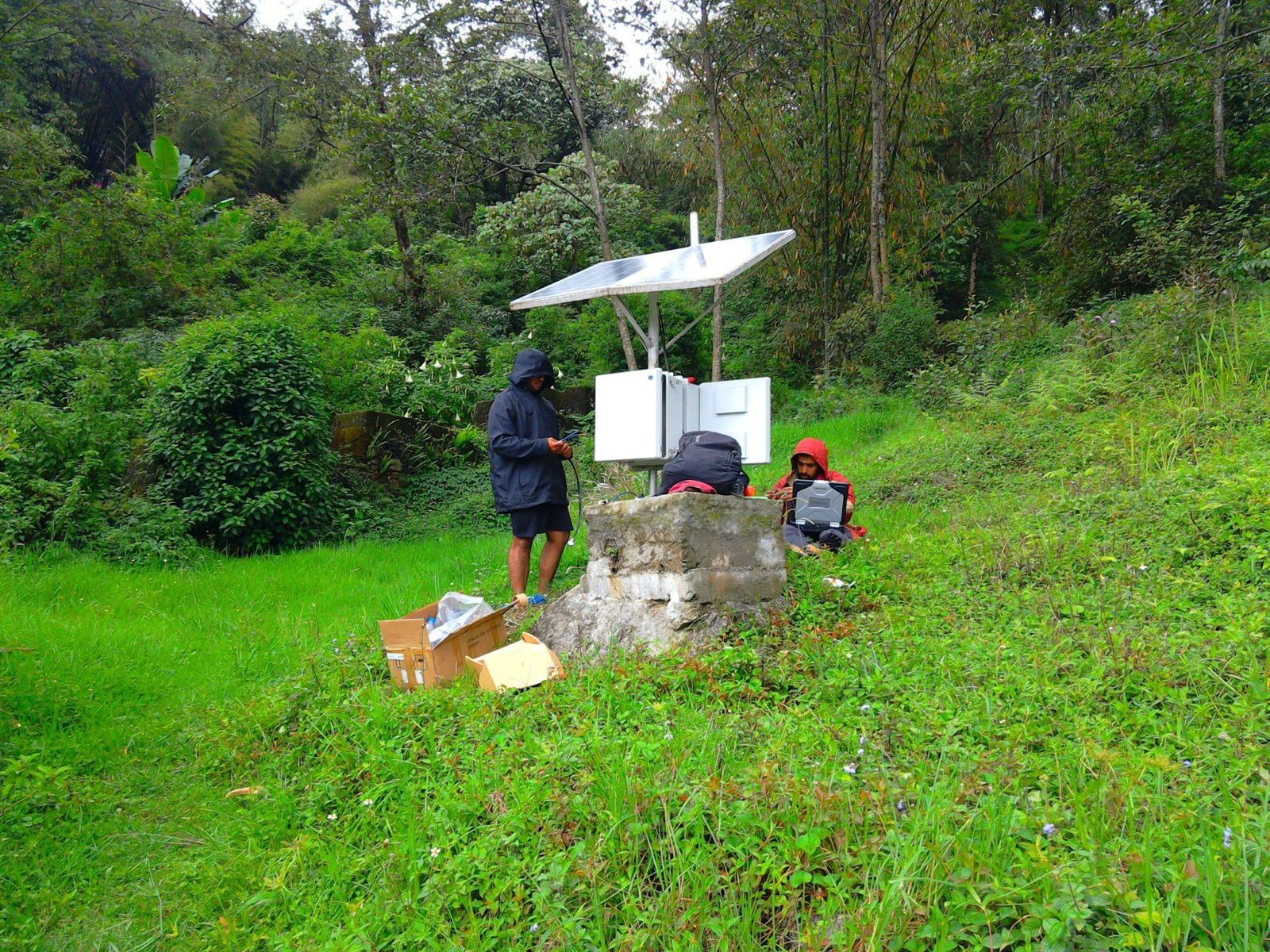
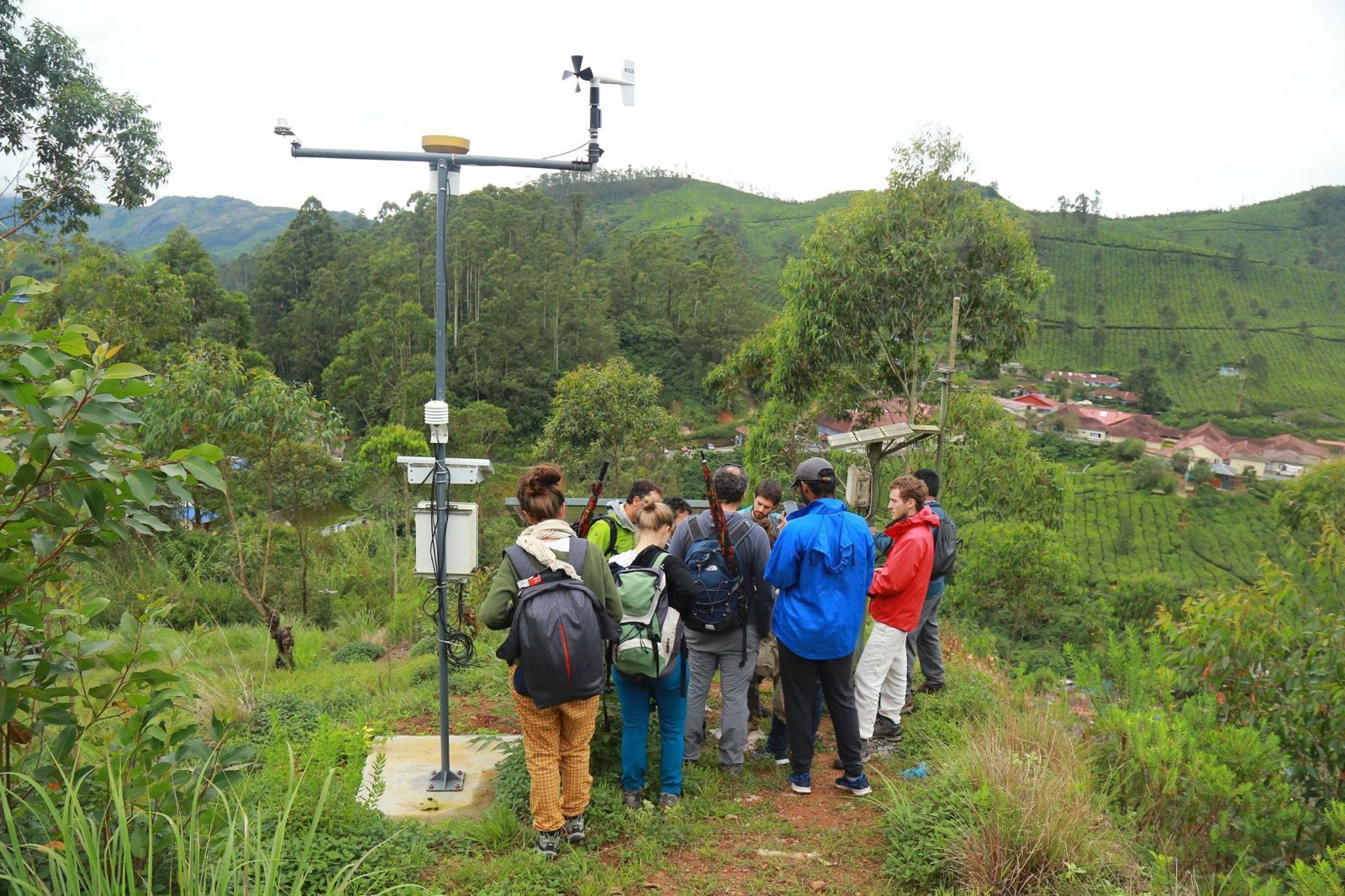
The community of Chandmari in Sikkim sits on a slow-moving landslide — a hazard that is silent, gradual, and devastating. This project builds a multi-method monitoring framework integrating inclinometer and SG-DEP sensing, limit equilibrium modelling, crackmeter-based participatory monitoring, DGPS field surveys, and long-term SBAS InSAR satellite analysis.
The research produces spatially and temporally resolved instability maps that directly inform evacuation planning, infrastructure investment, and community risk communication.
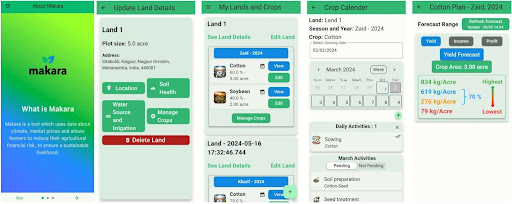
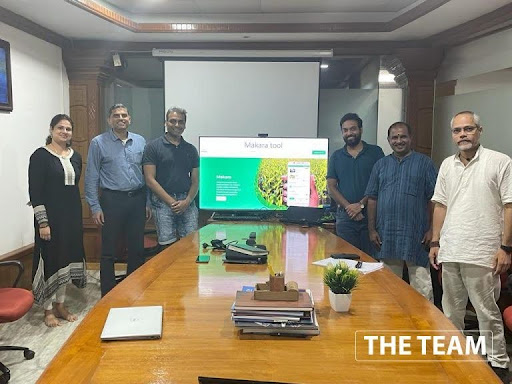
The objective of this partnership is to develop a multilingual digital platform with mobile and web interface to support actualizing the risk undertaken by farmers to grow cotton under any condition.
Duration: Dec 2022 to Dec 2024
Makara: A tool for cotton farmers to evaluate risk to income
Journal: Smart Agricultural Technology
Participatory development of mobile agricultural advisory driven by behavioural determinants of adoption
Journal: Journal of Environmental Management
Amrita’s
Investment
Beyond academic partnership, Amrita Vishwa Vidyapeetham has committed direct institutional resources in equipment, research infrastructure, and field operations to ensure the Joint Center’s research is properly resourced from day one.

Amrita funds each PhD scholar in the Joint Center in full — covering tuition, stipend, research costs, and field operations. This commitment ensures that outstanding researchers can focus entirely on producing world-class science, without financial constraint.
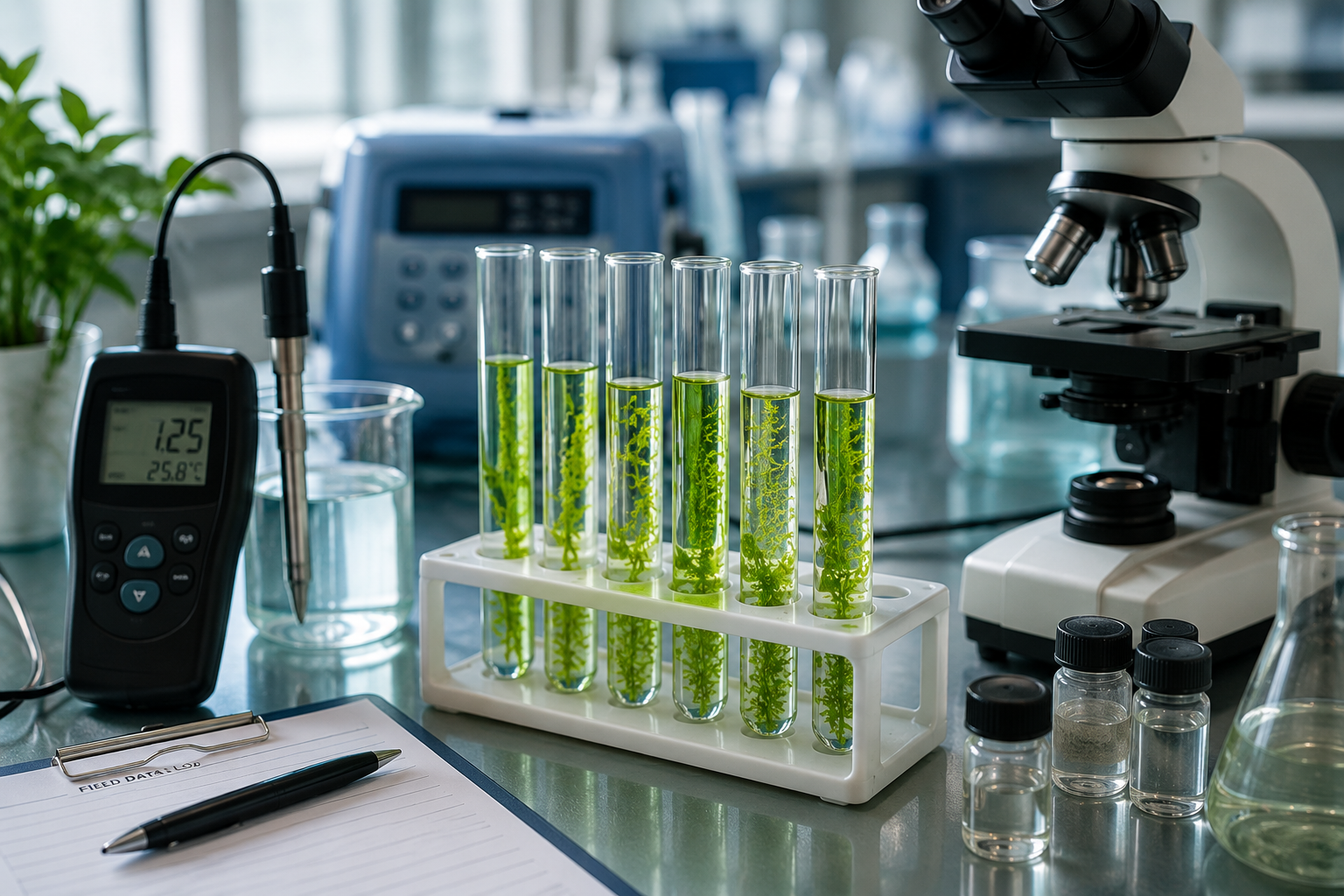
Logistics and project support across diverse communities all across India — surveys, monitoring, and data collection

Publication costs covered to ensure research reaches the widest possible audience
Beyond
the lab
The partnership has been built in public at symposia, policy forums, and international conferences where TU Delft and Amrita scholars have shared platforms and shaped conversations.
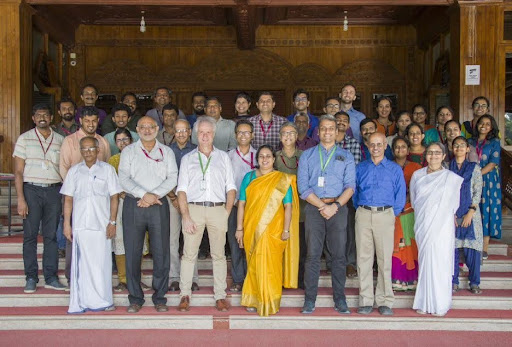
Keynote addresses by six TU Delft faculty at Amrita: Prof. Jules van Lier, Prof. Merle de Kreuk, Dr. Saket Pande, Dr. D. Daniel, Dr. Ralph Lindeboom, Dr. Boris van Breukelen.
Keynote addresses by Dr. Saket Pande and Ms. Anjana Ekka.
Prof. Merle de Kreuk participated as a distinguished guest at the G20 Civil Society forum.
Dr. Saket Pande delivered a keynote at the International Conference on Sustainable & Resilient Future, Amritapuri.
The people
behind it
A dedicated coordination committee at Amrita steers the Joint Center with sub-committees for student recruitment and external funding, ensuring the collaboration moves at pace.

Wastewater Treatment / Environmental Engineering

Assistant professor

Professor of River Basin Hydrology

Professor Wastewater treatment, Sanitary Engineering

Assistant Professor, Photobiorefineries, Sanitary Engineering

Professor, Hydrology and Geomorphology

Pro Vice Chancellor & Dean, School for Sustainable Futures

Principal, School for Sustainable Futures

Research Head, School for Sustainable Futures

Assistant Professor & Water Sustainability Group TAG Lead

Associate Director, Amrita Center for International Programs

Assistant Professor, School for Sustainable Futures

Assistant Professor, School for Sustainable Futures

Assistant Director, Office of the Pro Vice Chancellor

Assistant Professor, School for Sustainable Futures

Assistant Professor & Program Manager, Provost Office

Program Manager, Live-in-Labs® Program
What makes this
collaboration unique
The Amrita–TU Delft partnership creates something neither institution could produce alone — a research model that is simultaneously world-class and community-grounded.
Every project is rooted in an Amrita-adopted community. Researchers have continuous field access, years of community trust, and the ability to iterate solutions in real conditions — not lab simulations.
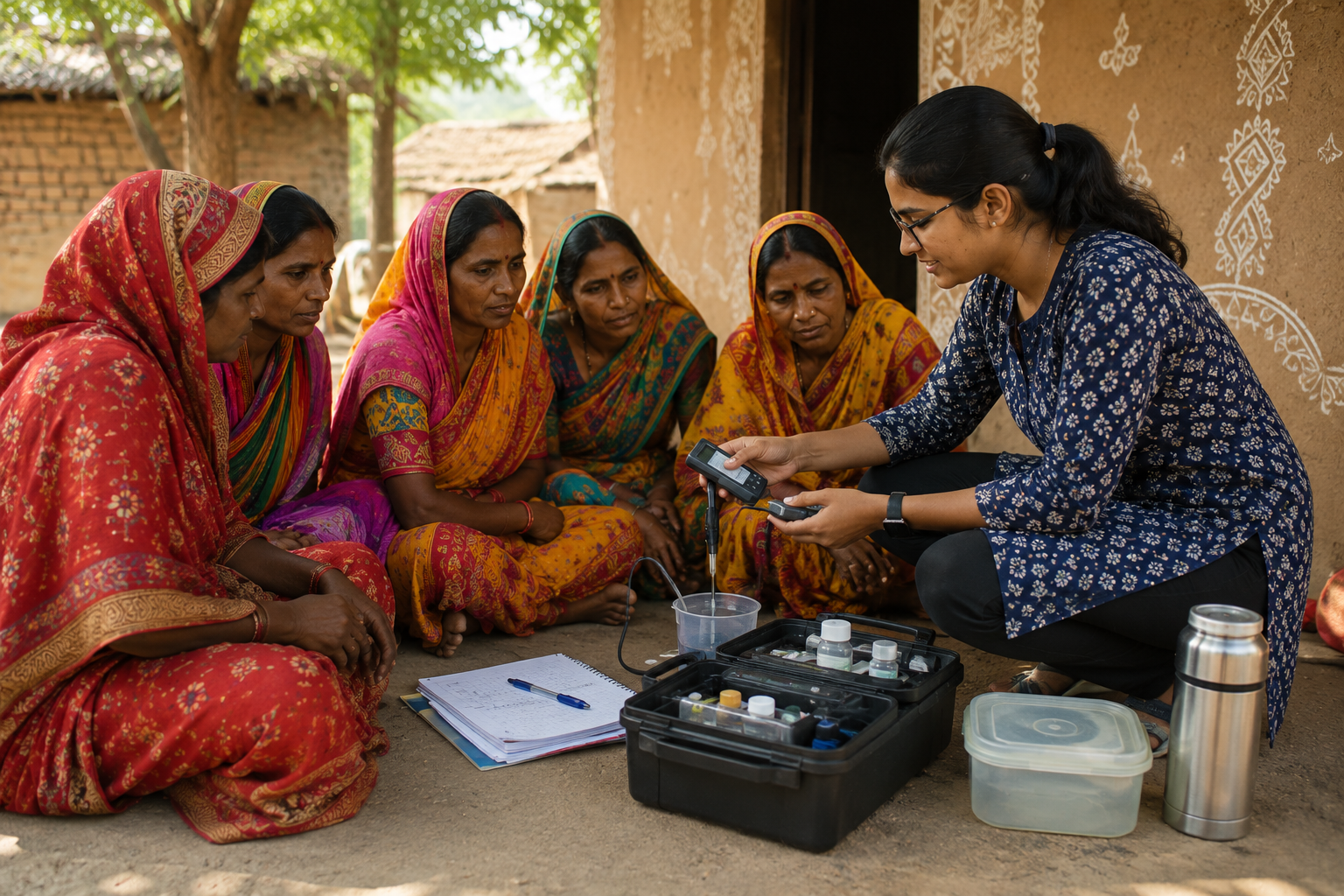
TU Delft brings world-leading modelling, sensing, and process engineering. Amrita brings deployment context and community relationships. Together they produce research that neither could achieve alone.
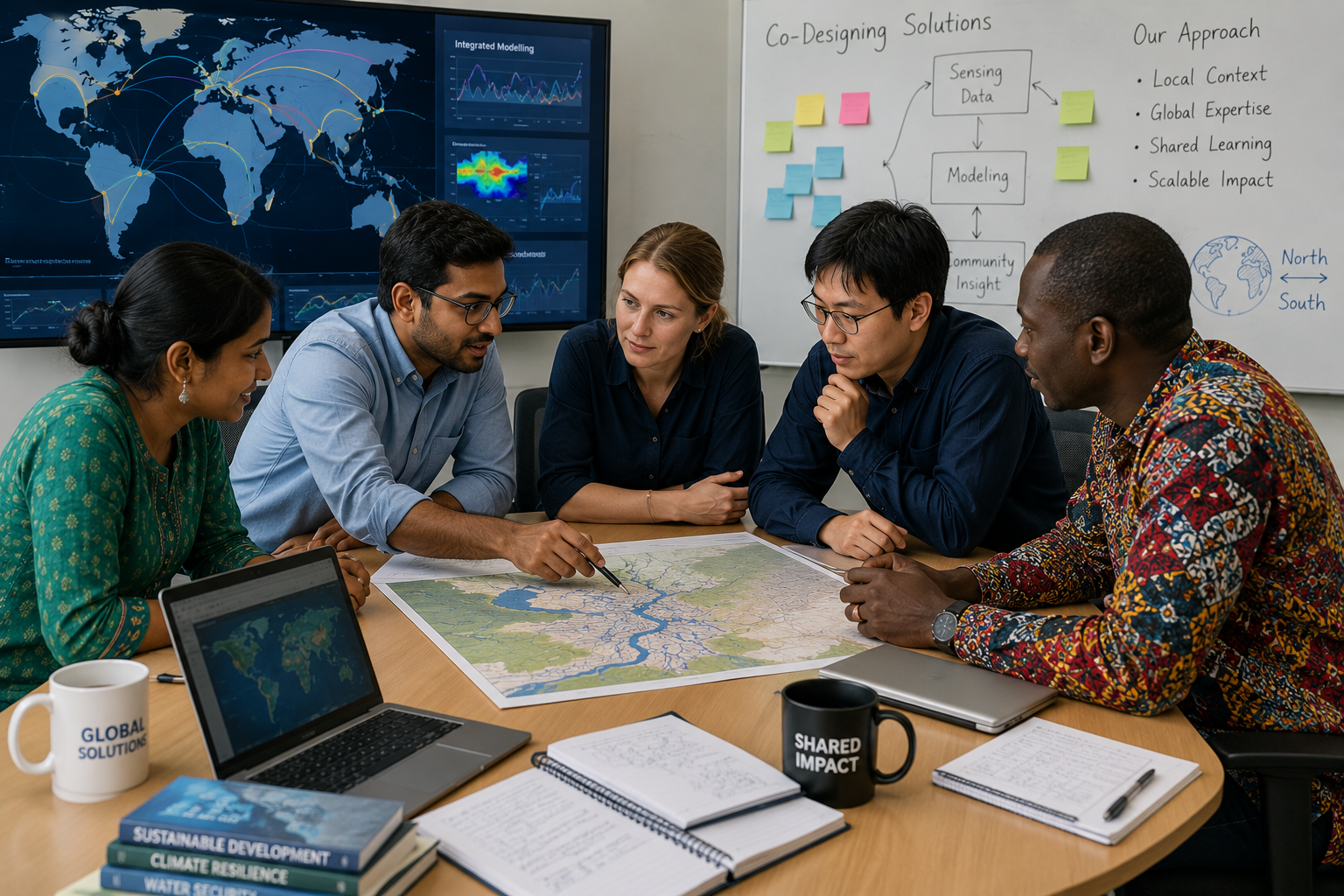
Scholars are co-supervised across two continents — gaining technical rigour from TU Delft and field wisdom from Amrita. They graduate as researchers equally at home in a modelling lab and a village field survey.
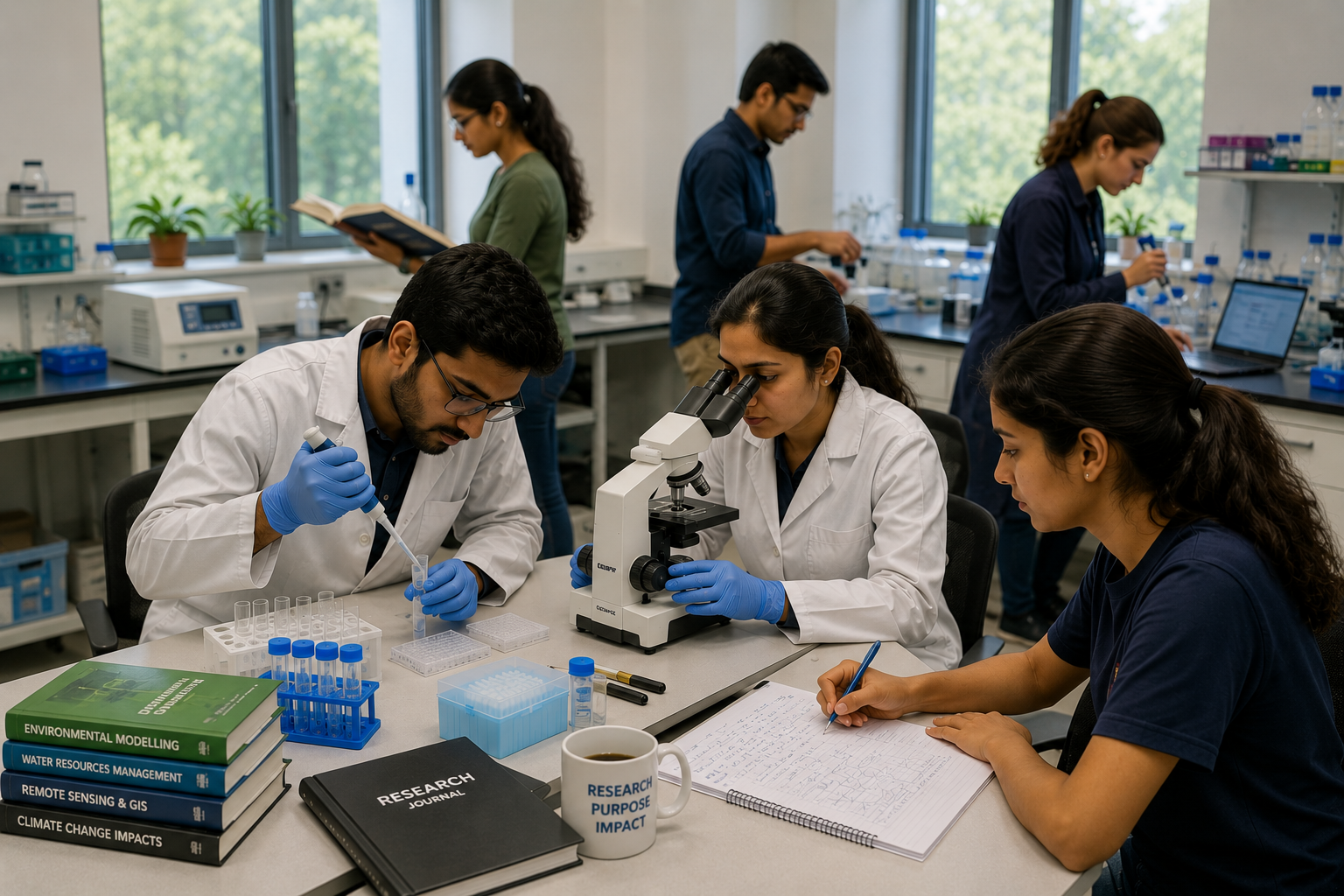
AMR surveillance, digital twins for water infrastructure, decentralised treatment, climate-driven hazard risk — the Center operates precisely where global funding bodies are directing attention.
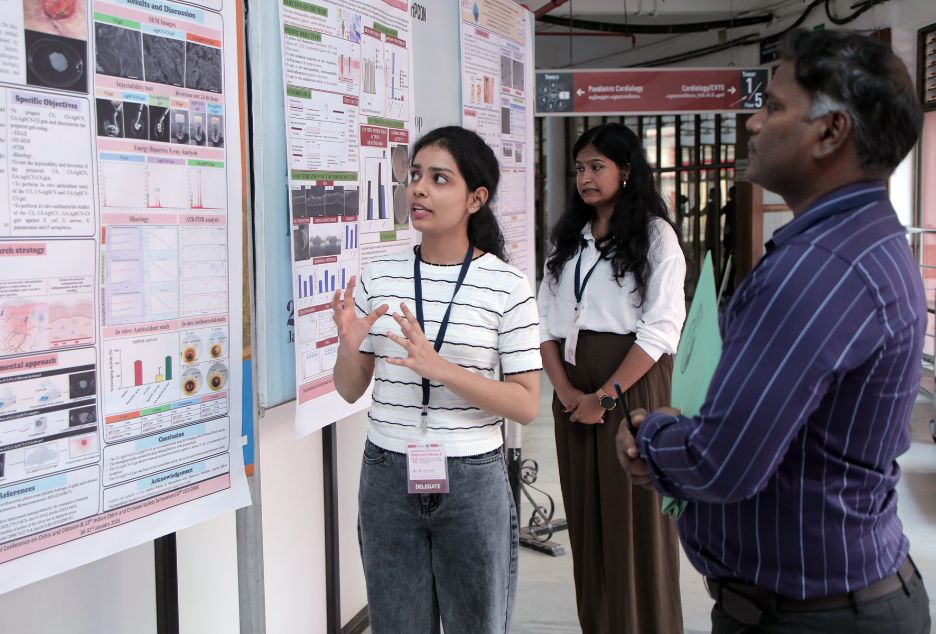
Research outputs don’t stop at publication. Findings become policy recommendations, community protocols, and early-warning systems — measured in changed behaviours and safer lives.
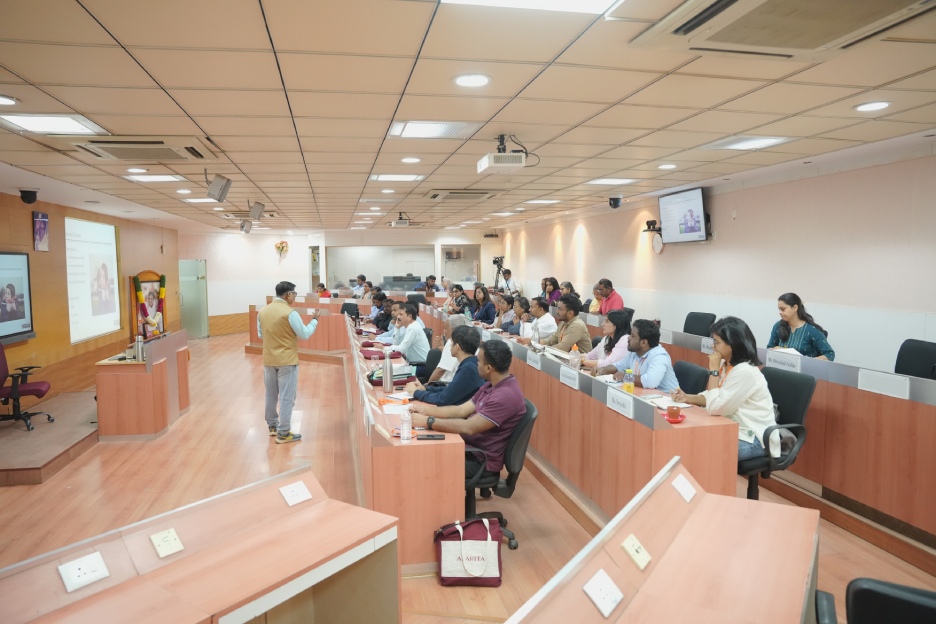
The Joint Center is designed to grow. Its committee structure, adopted-village testbeds, and funding sub-committee make it a durable research platform capable of scaling across new themes, partners, and geographies.
Get latest updates & announcements from this school in your inbox