The first phase of the Gender Harmony Project of the Center for Women’s Empowerment & Gender Equality (CWEGE) has been successfully completed across 10 villages in Bangarpet Taluk, Kolar District, Karnataka, engaging 318 women, including 180 Self-Help Group (SHG) members and 138 non-SHG participants.
Conducted between June 4 and August 5, Phase 1 focused on strengthening digital literacy, personal confidence, community participation and awareness around safety and gender equality through the Digital Literacy + Life Enrichment Education (DL + LEE) curriculum.
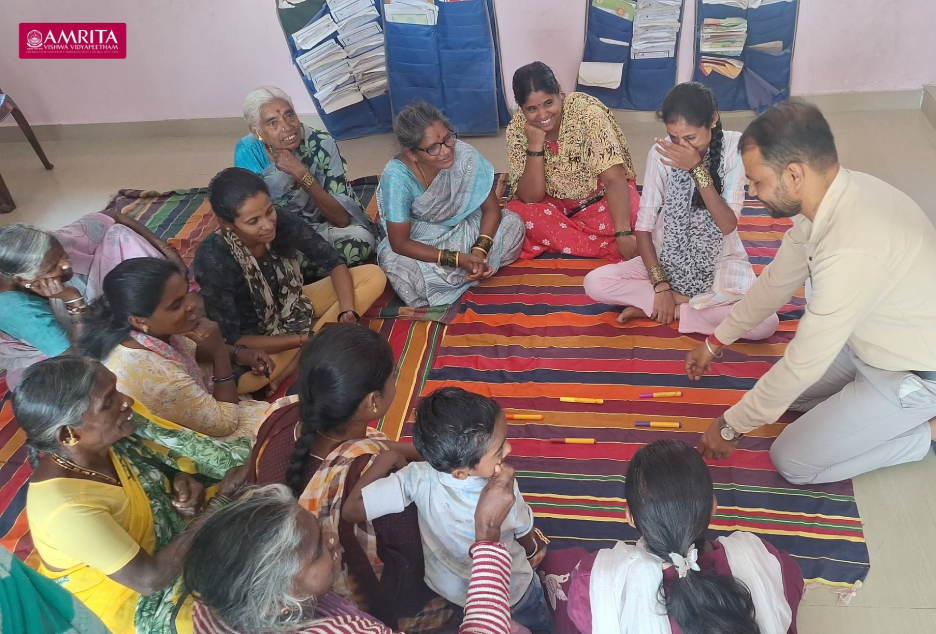
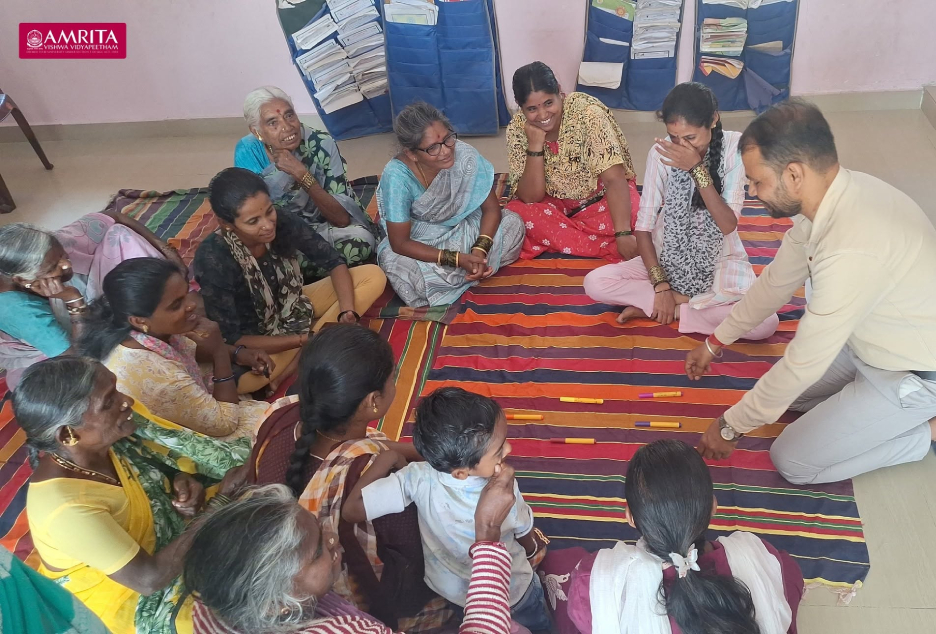
The two-day sessions were designed to provide women with practical digital skills while creating opportunities for learning, reflection and collective participation.
Day 1 introduced participants to essential digital tools and everyday applications, including smartphone usage, WhatsApp and Google Maps. The sessions focused on helping women navigate digital technologies with greater confidence and independence.
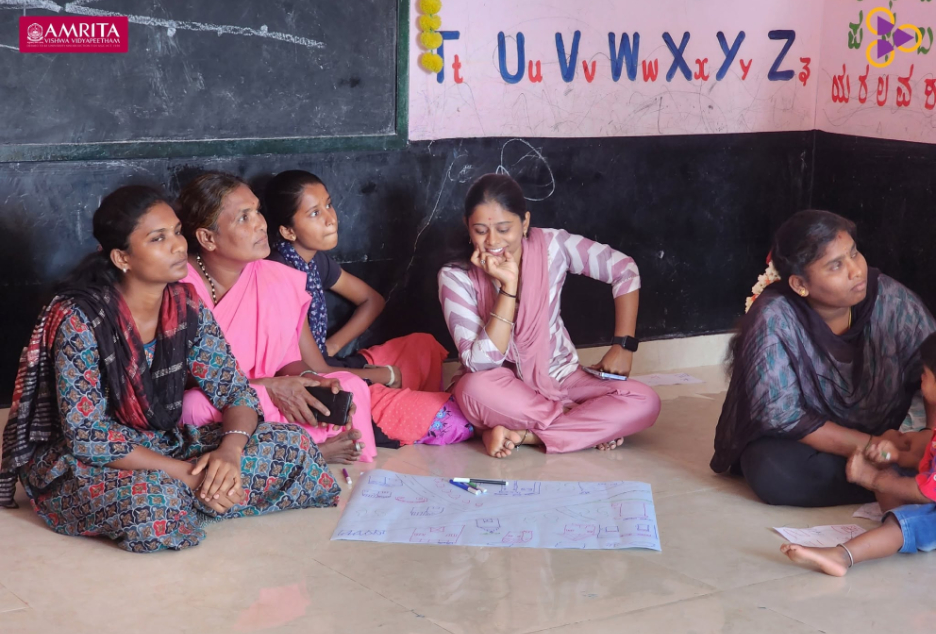
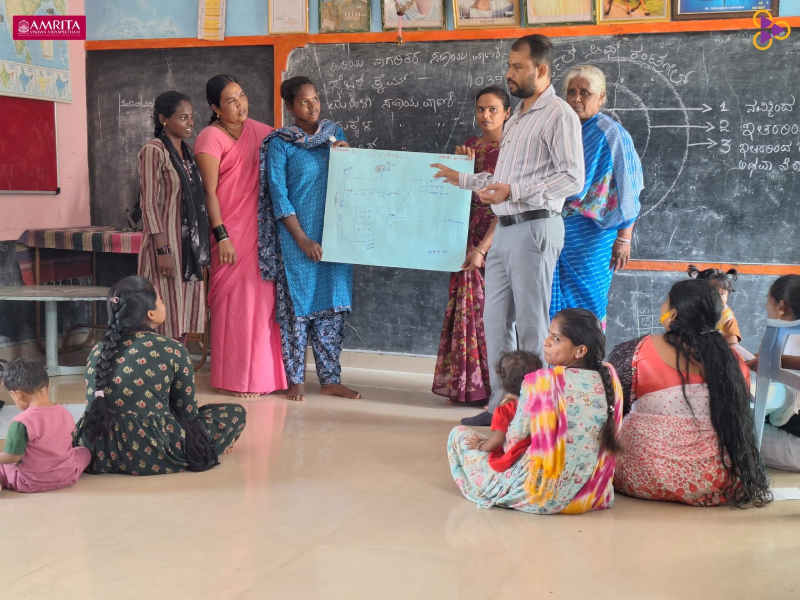
Day 2 began with cybersecurity awareness, equipping participants with knowledge to use digital platforms more safely. The day then moved into the Ideal Village activity, which encouraged women to examine the strengths and challenges within their communities and collectively envision practical solutions for creating safer, more inclusive and gender-equitable villages.
The sessions went beyond digital skills. Participants were encouraged to strengthen their confidence, improve personal safety awareness, make informed decisions and participate more actively in their communities.
The Ideal Village activity provided participants with a space to look beyond existing challenges and imagine the communities they want to build together.
Through group discussions and collective reflection, women identified areas that could be strengthened within their villages and explored how community members and local institutions could contribute to positive change.
This participatory approach is an important component of the Gender Harmony Project, helping women see themselves not only as beneficiaries but also as active contributors to the development and wellbeing of their communities.
As the first phase of the Gender Harmony Project, these sessions have established an important foundation for deeper community engagement and the long-term strengthening of community and institutional mechanisms for the prevention of and response to gender-based violence.
By combining digital literacy with life-enrichment education and community dialogue, the initiative seeks to strengthen the confidence, awareness and collective participation needed to address challenges related to gender, safety and inclusion.
The project received valuable support from the Government of Karnataka, whose collaboration in mobilising grassroots workers contributed significantly to the successful implementation of Phase 1.
The initiative also benefited from the active participation of Anganwadi teachers, ASHA workers, Gram Panchayat members and other local stakeholders, whose support helped facilitate community mobilisation and participation across the 10 villages.
Their involvement highlights the importance of collaboration between community institutions, frontline workers and local stakeholders in creating sustainable mechanisms for gender equality and community wellbeing.
The Gender Harmony Project contributes to several United Nations Sustainable Development Goals (SDGs):
With Phase 1 now complete, the Gender Harmony Project has taken its first steps towards building stronger community networks rooted in trust, confidence, awareness and collective participation.
The experience across the 10 villages demonstrates how practical education, digital empowerment and community dialogue can come together to help women actively shape safer, more inclusive and gender-equitable communities.