Inspire. Explore. Discover.

The computational neurosciences research group in Amrita continues its path-breaking work in modelling the human brain’s cells, circuits and behaviour. The lab aims to reconstruct the activity of brain circuits to reveal more information on how brain processes information and to use models to understand neural functions and brain disorders. Ongoing efforts in mathematical modelling of neurons and circuits aim to understand information processing at multiple scales.
At the Mind Brain Center, MIND Lab is dedicated to understand the complexity of the human brain using advanced neuroimaging techniques and the analysis of neural dynamics. Our research uses multimodal imaging modalities, including electroencephalography (EEG), to provide a comprehensive knowledge of brain function and behavior.
Mission Statement:
Our objective is to study the dynamic interplay between brain function and behavior using EEG and other imaging modalities. Through experimentation and analysis, we aim to learn about the neural mechanisms underlying movement behavior, cognitive processes, emotional regulation, with the goal of informing clinical interventions and improving human health and well-being.
Research Focus Areas:
EEG Signal Analysis: This Facility at Amrita Mind Brain Center specializes in analysing EEG data to determine the temporal and spatial dynamics of cerebral activity at millisecond resolution. We use signal processing techniques, such as time-frequency analysis, event-related potentials (ERPs), and connectivity measures, to elucidate the neural signatures underlying cognitive processes like movement behavior, attention, memory, and decision-making.
Neural Dynamics of Behavior: Our research extends to explore how neural dynamics relate to behavior in real-world contexts. We try to conduct behavioral studies with neuroimaging experiments to study the neural correlates of perception, action, emotion, and social interaction, shedding light on the underlying mechanisms of human behavior.
By identifying neural patterns associated, with healthy subjects these findings would help us to identify the aberrant patterns from clinical populations which aim to develop biomarkers for early detection, rehabilitation, and interventions to improve the patient’s outcome.
Facilities and Resources
MIND lab at Mind Brain Center is equipped with state-of-the-art neuroimaging equipment, where researchers can measure brain activity from up to 256 electrodes on the head, (with 256-lead EEG technology) with up to 16 kHz sampling rate, that can be combined also an input for recordings of up to 24 bipolar channels or a combination of EMG channels with a variety of physiological sensors for rich data of body and mind.
The Facility includes high-density EEG systems with following different electrode leads.


Community Engagement and Outreach:
In addition to our research efforts, we as part of Mind Brain Center, are committed to engaging with the broader community through outreach programs, educational workshops, and public seminars. We collaborate with schools, healthcare organizations, and advocacy groups to raise awareness about brain health and promote scientific literacy in neuroscience.
The laboratory provides the ideal environment to investigate physiology from subcellular mechanisms to network dynamics and behavior. The laboratory include electrophysiology setups for single-cell patch-clamp, imaging in vitro and other equipment.
Gait Analysis Lab at mind brain center aims to design and develop a low-cost device to study human gait patterns. This research facility focuses on making gait analysis more accessible, cost-effective, and applicable in diverse settings. By employing low-cost sensors, such as accelerometers and gyroscopes enable to gather data on body movements, stride length, and gait symmetry, providing valuable insights into musculoskeletal function during pathological conditions. Also, EEG and accelerometer sensors were used to understand the coordination between the central nervous system, the limb, and the musculoskeletal system that helps to develop EEG brain computer interfaces for assistance during walking.
Bio-Inspired Robotics Lab is a cutting-edge research facility dedicated to exploring the intersection of neuroscience and robotics. At the forefront of innovation, this lab draws inspiration from the complexities of the human brain to develop advanced robotic systems that exhibit higher levels of adaptability, learning, and problem-solving capabilities. Researchers in the lab leverage insights from neuroscience to design robotic models that mimic neural processes, enabling machines to better understand and interact with their environments. This interdisciplinary approach brings together experts in robotics, artificial intelligence, and neuroscience to create a synergy between biological principles and technological advancements
On March 29, 2022, Prof. Shyam Diwakar, Director, Mind Brain center, delivered invited lecture “From Neuroscience to AI: Exploring the Cerebellum as a Deep Learning framework for pattern classification and for robotic control” at the 6th Brain mapping and AI workshop organized by Neurocomputing Lab, Department of Electrical Engineering, IIT Delhi from March 28-April 6,2022 through online mode. In his talk, he explained new methods in neuroscience for deep learning and pattern recognition. He addressed the role of cerebellum based neural networks in machine learning and robotic Control.
Dr. Shyam Diwakar, Director, Amrita Mind Brain Center, was an invited speaker and a panelist at the two Day virtual conference CME on Artificial Intelligence and Machine Learning in Medicine, jointly organized by Amrita Institute of Medical Sciences, Kochi and ICMR National Institute of Medical Statistics (ICMR-NIMS) held on April 29 and 30, 2022. Dr. Shyam Diwakar delivered a talk on From Neuroscience to AI: The Next AI frontiers for better health care”. As a panelist he addressed on artificial intelligence, internet of things and future of medicine and AI.
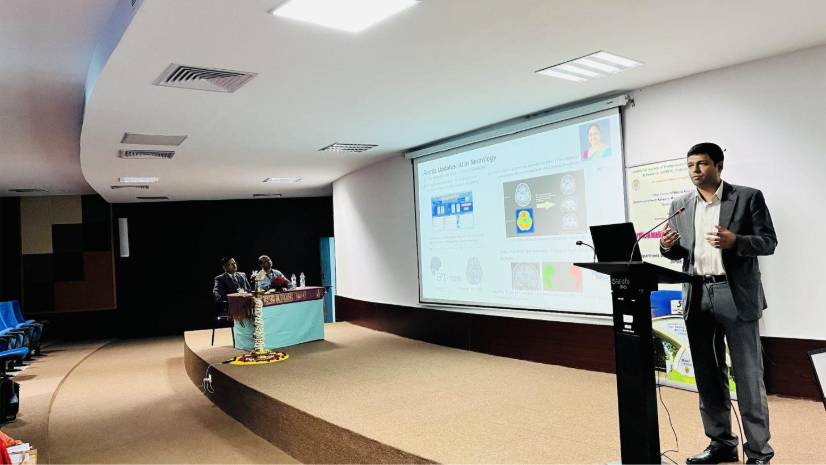
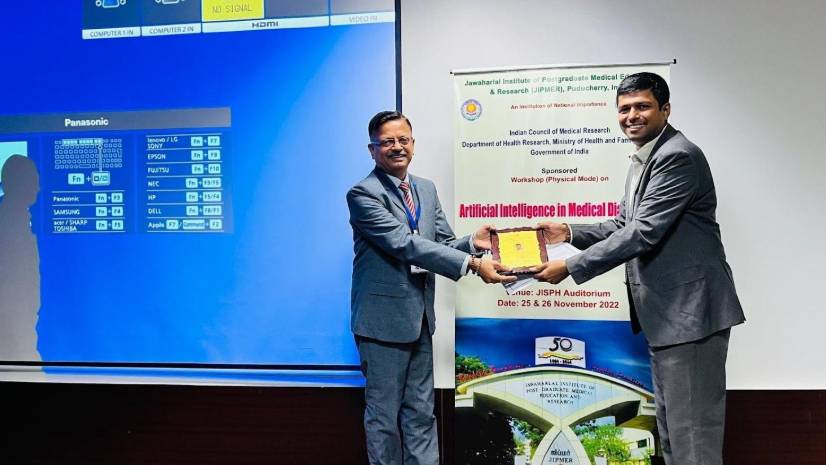
Dr. Shyam Diwakar delivered an invited lecture titled “AI in Neurology, Neuroscience, and Medicine: Use Cases and Beyond” at the Artificial Intelligence in Medical Diagnostics workshop hosted by JIPMER, Puducherry, on November 25, 2022. The workshop was attended by faculty members from various institutions including AIIMS, IIT, Indian Institute of Science (IISc), and Anna University, among others.
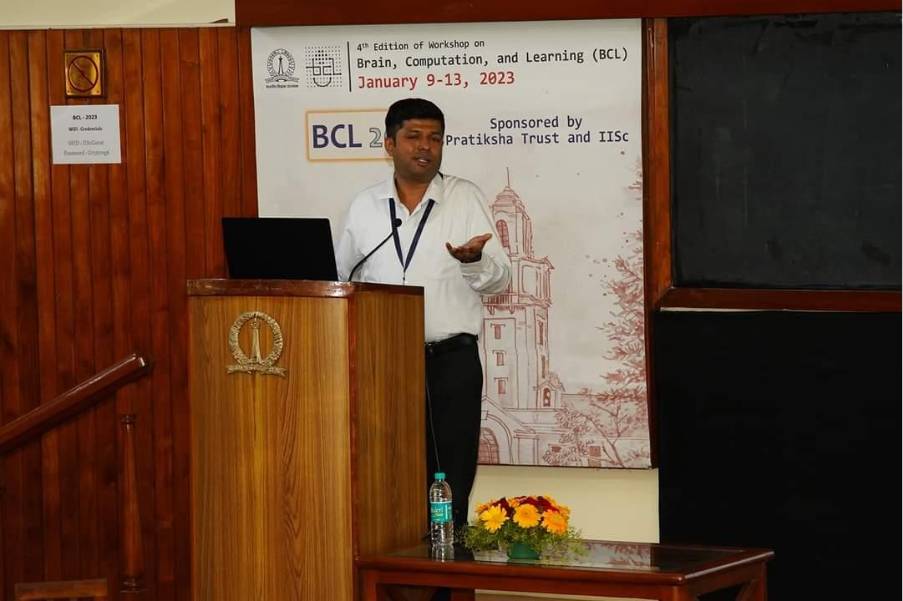
Dr. Shyam Diwakar delivered a talk on Multi-Scale Modeling of the Cerebellum: Computational Neuroscience of single Neuron Models, Circuit Reconstructions and Emergent Responses, Workshop on Brain, Computation, and Learning (BCL), IISC, Bangalore, Jan 11, 2023. This workshop is aimed at creating this useful dialogue between neurobiologists and computer scientists and educating research students of each area with relevant topics of the other.
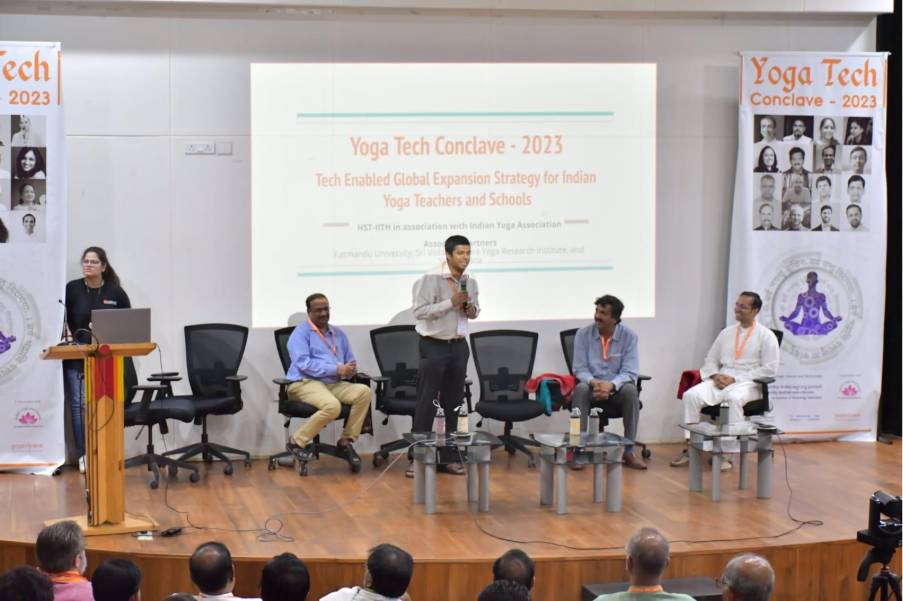
Dr. Shyam Diwakar was an invited speaker and panel coordinator at the Yoga Tech Conclave organized by IIT Hyderabad on May 14, 2023. Session highlighted how technology has transformed the way Yoga classes are conducted in the recent times and can potentially disrupt the way the Yoga industry has traditionally grown. Yoga Tech Conclave was targeted to address key questions related to today and future technology in Yoga training and industry. Shri Madhava Madanapalli of SVYASA, Dr. Raghavedra Rao of Central Council for Research in Yoga and Naturopathy and Shri Mayur Karthik of Art of Living. Smt. Ekta Bouderique of Heartfullness Institute, Ms. Ganga Nandini of Parmarth Niketan, Smt. Padmini Rathore of The Yoga Institute, Shri Subodh Tiwari of Kaivalyadhama Yoga Institute and Research Center also contributed to valuable insights on ongoing research, models of understanding, and outreach of technology-enabled yoga classes.
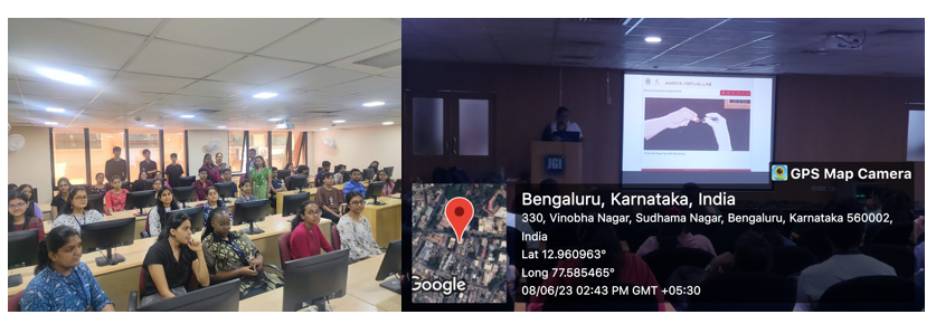
As part of the Virtual Lab National Outreach Program, Mrs. Nijin N., Research Associate at the Amrita Mind Brain Center, conducted comprehensive training sessions for faculty and students at the School of Science, Jain University, Bangalore, on June 8 and 9, 2023.The sessions provided in-depth virtual lab demonstrations and hands-on experiences across a wide range of disciplines, including Biotechnology, Biochemistry, Biomedical Engineering, ,Physics ,Chemistry and Biological Sciences.
These training programs aimed to enhance the teaching and learning experience by integrating virtual laboratory simulations, allowing participants to perform experiments in a simulated environment. This approach bridges the gap between theoretical knowledge and practical applications, providing an interactive and immersive learning experience. The Virtual Laboratory project is funded by the Ministry of Education, Government of India, and is coordinated by IIT Delhi, with Amrita Vishwa Vidyapeetham serving as one of the lead institutions alongside several IITs. The initiative demonstrates Amrita’s commitment to fostering innovation in STEM education and empowering educators and students with cutting-edge virtual lab tools.
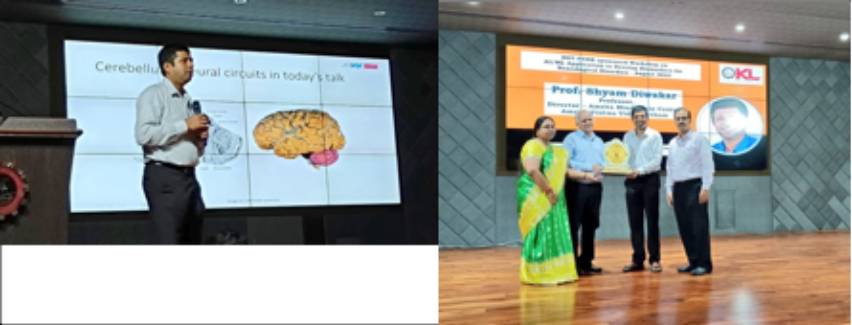
Dr. Shyam Diwakar was an invited speaker for the Workshop on AI/ML application to develop biomarkers for neurological disorders from 21st to 25th August 2023 at KLU University, Vijayawada, Andhra Pradesh. The workshop focused on the need for Computational Neuroscience not only to understand the brain but also to predict disorders early and even manage or cure the patient. The talk highlights the necessity to establish a bridge between brain science and AI research in the future.
Under the Amrita Virtual Labs training program, Mrs. Nijin N., Research Associate at the Amrita Mind Brain Center, conducted a ‘Train the Trainer’ workshop at St. Teresa’s College, Ernakulam, on August 18, 2023.The workshop aimed to empower educators with advanced virtual lab tools and teaching methodologies, enhancing their ability to integrate digital laboratory simulations into their curricula. Participants received hands-on training and insights on effectively utilizing virtual labs to create an interactive learning environment. This initiative is part of VALUE@Amrita ongoing commitment to advancing STEM education through innovative digital learning solutions.
As part of the Amrita Virtual Labs Nodal Centre outreach program, Mrs. Nijin N., Research Associate at the Amrita Mind Brain Center, conducted comprehensive training sessions for faculty and students across multiple disciplines, including Biotechnology, Biochemistry, Biomedical Engineering, Artificial Intelligence (AI) and Data Science, Computer Science, Physics, Chemistry, Mechanical Engineering, Electrical and Electronics Engineering (EEE), and Electronics and Communication.
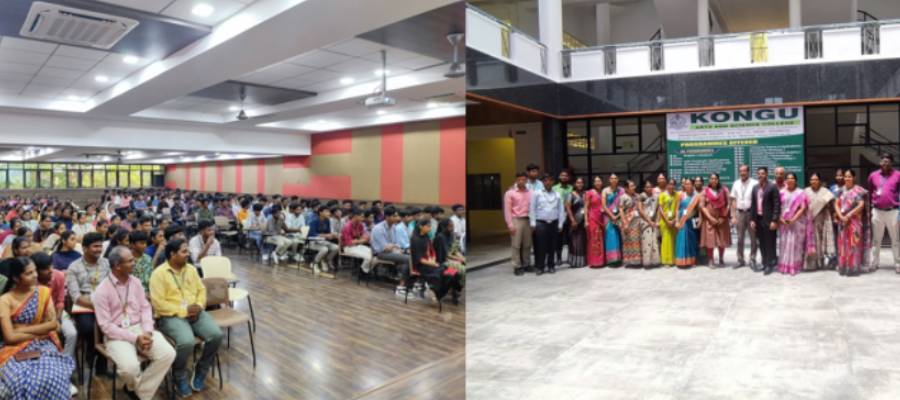
The training sessions were held at several prestigious institutions, including Kongu Arts and Science College, Erode Sengunthar Engineering College, Nandha Engineering College (Autonomous), K.S. Rangasamy College of Technology, and VET Institute of Arts and Science Co-education College, Thindal, Erode, from September 19 to September 21, 2023.These sessions aimed to enhance the teaching and learning experience by integrating virtual laboratory simulations, allowing participants to engage in interactive experiments within a digital environment. This initiative supports the ongoing efforts to bridge the gap between theoretical knowledge and practical applications in STEM education.
Dr. Shyam Diwakar was an invited speaker for the International Conference on Computational Neuroscience and Bilingualism, Oct 6-7, 2023, at BITS Pilani, Goa. The talk aims to foster and promote networking between researchers, academics, and scientists working in the field of Computational Neuroscience and Bilingualism.
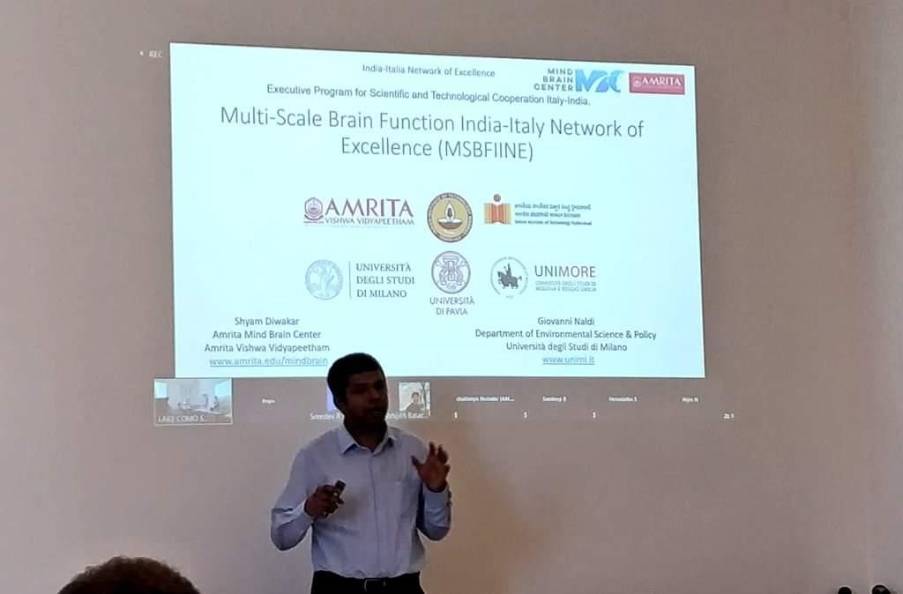
As part of the India-Italy network of excellence project, Dr. Shyam Diwakar was a school director at the SMILE Sustainable Medical Imaging with Learning and Regularization, part of the Lake Como School of Advanced Studies held August 28 – September 1, 2023, at Como, Italy. The school was jointly organized by Prof. Giovanni Naldi, Prof. Paola Causin from the University of Milan, Prof. Shyam Diwakar from Amrita, Prof. Marco Prato from the University of Modena, and Emilia-Romagna. The summer school had most participants in person, and a few attended online. Amrita Ph.D. students, Mr. Sreedev Radhakrishnan and Mr. Abhijith Balachandran from Amrita Mind Brain Center attended online. Dr. Shyam Diwakar gave a talk on “Telemedicine: Medical Imaging and Health” on September 1, 2023.
An invited talk titled “Virtual Laboratories and their impact on teachers and students: lessons from over a decade of building and deploying simulations for higher education was delivered by Dr. Shyam Diwakar of Amrita Mind Brain Center, at The Chemistry Laboratory: Evaluation, Assessment & Research (CLEAR) symposium, held online on May 2, 2024
Amrita Virtual Laboratories & research showcased at the CLEAR symposium. CLEAR24 was an online symposium on laboratory teaching in chemistry and was coordinated by Prof. Andreas Nehring of Leibniz University Hannover and team
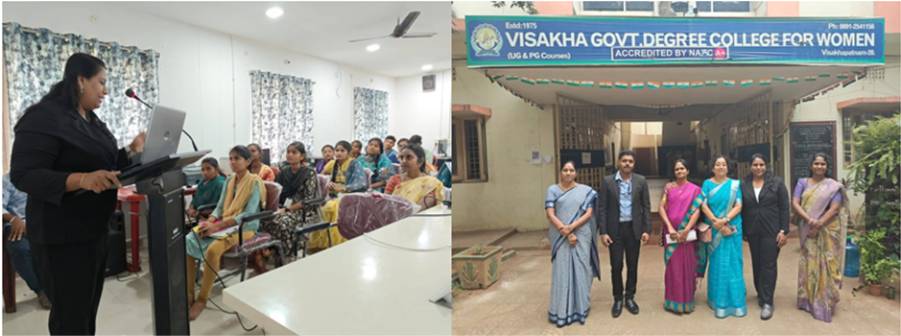
Mrs. Nijin N., Research Associate at the Amrita Mind Brain Center, facilitated extensive training sessions under the Amrita Virtual Labs Nodal Centre program for faculty and students across multiple disciplines, including Biotechnology, Biochemistry, Biomedical Engineering, Artificial Intelligence (AI) and Data Science, Computer Science, Physics, Chemistry, Mechanical Engineering, Electrical and Electronics Engineering (EEE), and Electronics and Communication Engineering. The training sessions were organized in collaboration with the Directorate of Collegiate Education, AP and were conducted across multiple government colleges in Andhra Pradesh from December 17 to December 21, 2024. The sessions were delivered in both offline and hybrid modes, offering participants the flexibility to engage with content in a way that best suited their needs. These workshops aimed to enhance the educational experience by integrating advanced virtual laboratory simulations, enabling participants to perform experiments in a simulated environment. This approach bridges the gap between theoretical learning and practical applications, fostering an interactive and engaging educational environment. The Virtual Laboratory project is funded by the Ministry of Education, Government of India, and is coordinated by IIT Delhi. Amrita Vishwa Vidyapeetham is a key partner in this national initiative, working alongside several IITs to revolutionize digital learning and empower educators and students with state-of-the-art virtual lab tools.
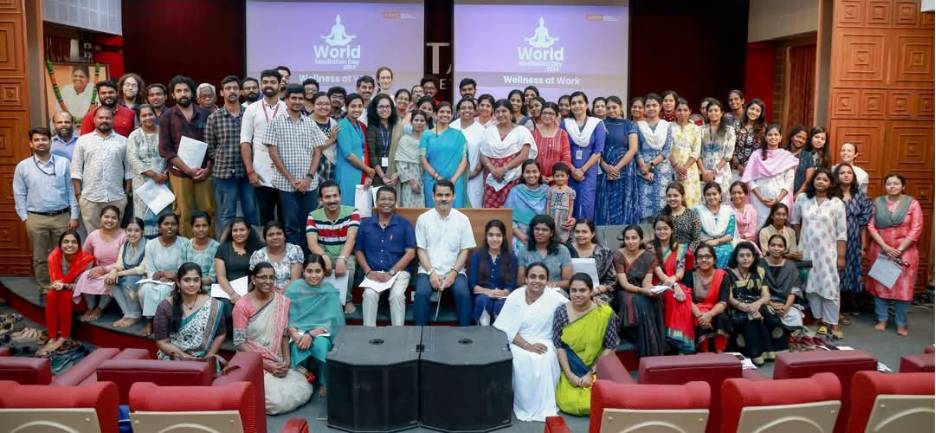
As part of the World Meditation Day celebrations on 21st December, 2024,, Mr. Dhanush Kumar and Ms. Rakhi R attended a Meditation and Wellness Workshop hosted by the Amrita School of Spiritual and Cultural Studies. The event featured Sampujya Swami Subhamritananda Puri, who led inspiring Wellness at Work sessions, incorporating spiritual principles into daily life to foster greater peace, contentment, and success in both personal and professional spheres. This was followed by the MaOM Meditation. Additionally, Dr. Ramya Neelamegham delivered an interactive and engaging address on Meditation in Daily Life: Simple Practices and Strategies.
Ms. Shrimankar Radhika, Ph.D. student at the Amrita Mind Brain Center participated in the Computational Approaches to Memory and Plasticity (CAMP) 2024, a 17-day summer school focused on data-driven neuroscience. The event took place at Indian Institute of Science Education and Research (IISER), Pune, from July 1-17, 2024. She was one of 40 Ph.D. students and postdoctoral researchers from across india selected to attend. The program, themed around the hippocampus, featured lectures, hands-on tutorials, and projects designed to immerse students in the field of computational_neuroscience.
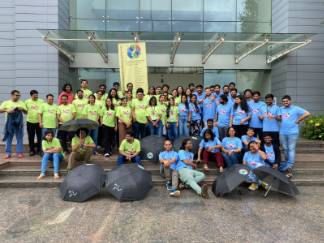
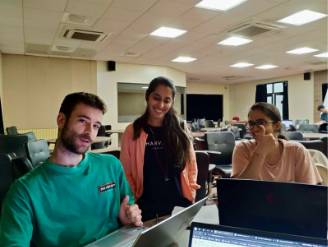
Amrita Mind Brain Center was delighted to welcome students from SN Central School, Karunagappally, for an outreach visit to Amrita Vishwa Vidyapeetham. The students engaged in interactive sessions on biorobotics, neurophysiology, mathematical modeling, neuroimaging, and the latest advancements in neuroscience research. This experience aimed to inspire the next generation of scientists to delve into the complexities of the brain and its influence on behavior and learning.
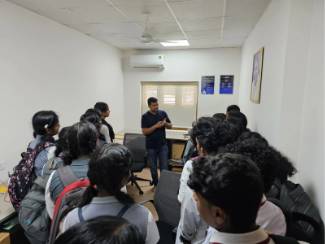
Dr. Shyam Diwakar highlighted the innovative projects led by Amrita Mind Brain Center, placing them in the context of healthcare advancements and ethical considerations. Speaking at the Healthcare AI workshop, he emphasized the importance of integrating artificial intelligence with ethical frameworks to drive progress in neuroscience and medical research.

The India-Italy Brain Modelling Workshop, jointly organized by Amrita Vishwa Vidyapeetham’s Amrita Mind Brain Center and the University of Milan, took place on December 6, 2024, at Via Celoria 2, Milan, Italy. Titled “Multiscale Brain Function and Neuro-Inspired Devices,”the workshop served as a multidisciplinary platform bridging neuroscience, datascience, and artificial intelligence AI.
The event, hosted as part of the “Multiscale Brain Function India-Italy Network of Excellence” project funded by the Department of Science and Technology, Government of India and Italy’s Ministero degli Affari Esteri e della cooperazione internazionale, was led by Prof. Giovanni Naldi and Dr. Thierry Nieus from the University of Milan, alongside Prof. Shyam Diwakar, Director of Amrita Mind Brain Center, Amritapuri campus.
The workshop featured insightful presentations by eminent professors and researchers, including Giovanni Naldi, Shyam Diwakar, Paolo Massobrio, Claudia Casellato, Daniele Linaro, Paolo Milani, Silvia Casarotto, Andrea Pigorini, Gianluca Gaglioti, Alessandro Sanzeni, and Thierry Nieus.
Representing Amrita’s cutting-edge research, Dr. Shyam Diwakar delivered a hashtag#talk titled “Modeling Neural Activity-Neurovascular Coupling to BOLD Response in the Cerebellum”, showcasing the pioneering works at the Amrita Mind Brain Center.
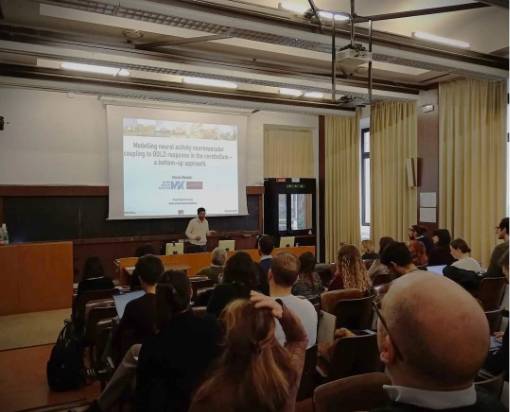
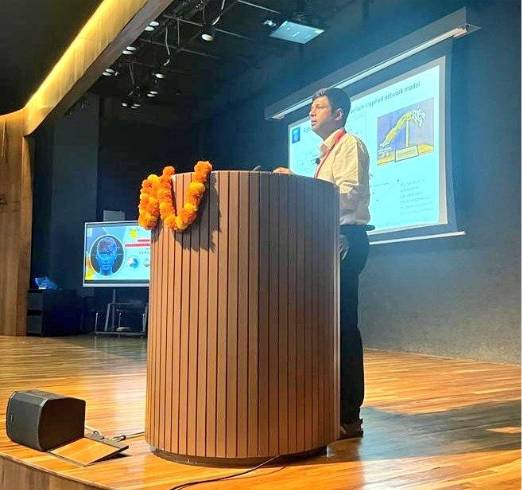
Addressing the complexities of cerebellum, a part of the brain known for its modular organization, Dr. Shyam Diwakar, Director, Amrita Mind Brain Center spoke on “Multiscale Modeling of the Cerebellum and Its Circuits” at the SPARC workshop “Movement Simulation through Neuro-Musculoskeletal Systems Modeling” organized by the Indian Institute of Technology Hyderabad from December 17-18, 2024., financially supported by the Ministry of Education, Government of India.
The main organizer of the event, Prof. Mohan Raghavan of IITH is one of the principal investigators of the MultiScale Brain Function India-Italy Network of Excellence coordinated by Amrita Vishwa Vidyapeetham and funded by Department of Science and Technology, Government of India and the Italian Ministry of Foreign Affairs.
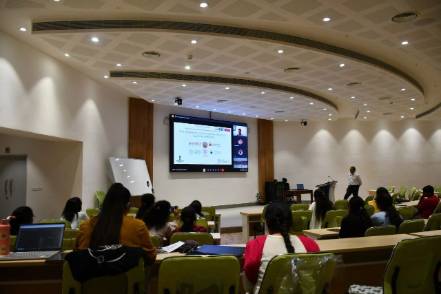
Dr. Chaitanya Nutakki, Research Scientist at the Amrita Mind Brain Center, presented Women vs. Men: Comparative Analysis of Physical Activity and Mobile Phone Usage on Cognitive Performance” at the International Conference on Gender and Technology. This event was hosted by Amrita Vishwa Vidyapeetham in collaboration with UNESCO.
Using data from surveys looking into activites of daily life, the work characterizes behavioral patterns that can lead to risks related to cognitive decline. The paper is part of our Indo italy network of Excellence project and is in collaboration with Prof. Giovanni Naldi of University of Milan and Prof. Egidio D’Angelo of the University of Pavia – International, Italy and Prof. Shyam Diwakar, Director, Amrita Mind Brain Center.
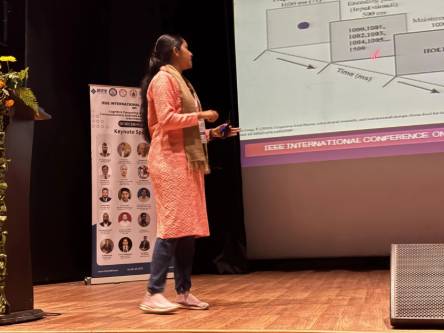
The internship project of Navya Ajith, done at Amrita Mind Brain Center, got submitted as peer reviewed conference paper and has been awarded Best Paper at the IEEE International Conference on Cognitive Computing in Engineering, Communications, Sciences and Biomedical Health Informatics (IC3ECSBHI 2025)”
The work was conducted under the guidance of Dr. Arathi G.R. and Dr. Shyam Diwakar. This collaborative work, co-authored by Giovanni Naldi and Egidio D’Angelo, is part of the India-Italy Network of Excellence.
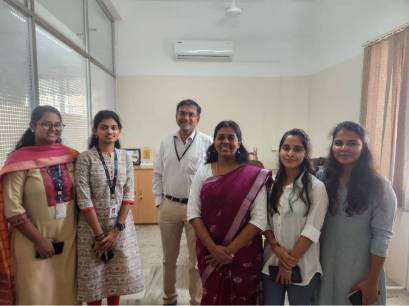
Dr. Asha Vijayan (Assistant Professor, Amrita Mind Brain Center) led an impactful workshop titled “Neurons to Network: Unleashing the Power of Brain-Inspired AI” as part of the techfest Kriya 2025, of PSG College Of Technology at their campus in Peelamedu, Coimbatore, Tamil Nadu .
PhD students Ms. Shrimankar Radhika and Ms. Sowmiya Krishna G from Amrita Mind Brain Center mentored students during the hands-on sessions.
With over 100 enthusiastic participants, this workshop saw the highest turnout and ignited fascinating discussions on AI inspired by the human brain!
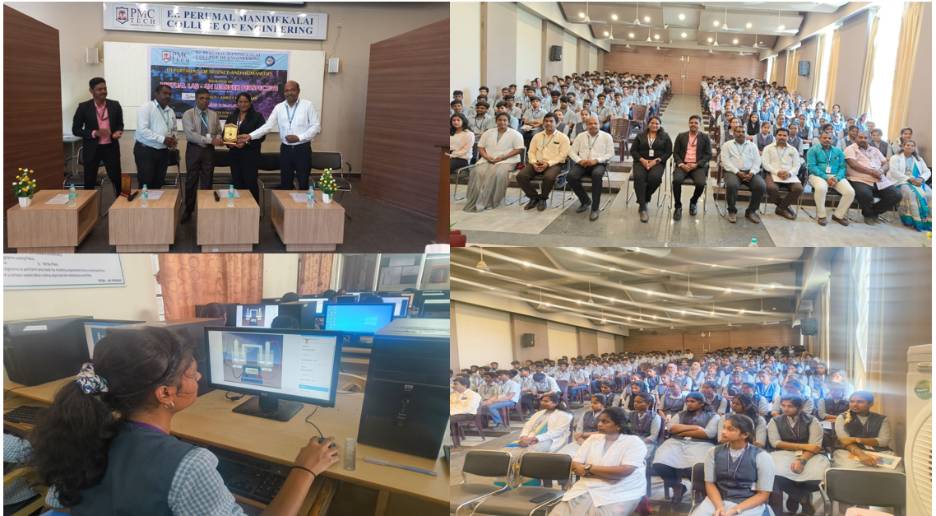
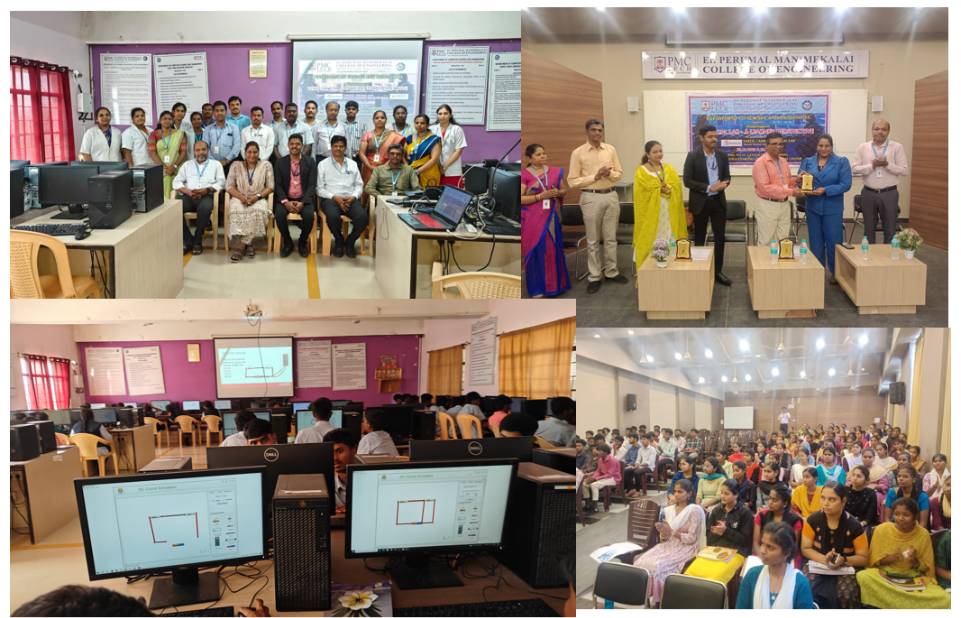
Mrs. Nijin N., Research Associate at the Amrita Mind Brain Center, along with other VL outreach team members, successfully led a two-day workshop on April 24 and 25, 2025, at Er. Perumal Manimekalai College of Engineering, Hosur, Tamil Nadu. The workshop aimed at transforming traditional laboratory experiences into interactive, simulation-based digital learning modules. The program engaged students from a broad spectrum of disciplines, including Computer Science, Mechanical Engineering, civil engineering, Electrical and Electronics Engineering (EEE), and the Physical and Chemical Sciences. Over 600 students participated in the sessions, gaining hands-on experience with state-of-the-art virtual lab simulations. These simulations are designed to replicate real-world lab environments, allowing students to perform experiments virtually—anytime, anywhere. The workshop emphasized the significance of technology-driven experiential learning, promoting deeper conceptual understanding and practical skill development in STEM education.
Mrs. Nijin N., research associate at the Amrita Mind Brain Center and part of the Virtual Labs National Outreach Team, successfully conducted two impactful workshops as part of an ongoing initiative to enhance digital pedagogy in higher education. The first workshop, organized as a Faculty Development Program (FDP) at Dr. NGP College of Arts & Science, was specifically designed to empower educators from the Departments of Biotechnology, Microbiology, Biochemistry, Chemistry, and Physical Sciences. This session provided faculty members with in-depth exposure to virtual laboratory tools and methodologies for integrating technology into science education. The second workshop was held at Hindustan College of Arts & Science and catered to students from the Departments of Biotechnology, Microbiology, Chemistry, and Computer Science. The student-centric session aimed to foster hands-on experiential learning through interactive virtual lab simulations. Together, these workshops trained over 80 faculty members and 120 students, offering them practical insights and hands-on experience with cutting-edge simulation-based laboratory platforms. The sessions emphasized the significance of technology-enabled experiential learning, thereby promoting an innovative approach to science education. These initiatives are part of Amrita Virtual Labs’ broader mission to bridge the gap between theory and practice, bringing advanced digital resources into classrooms and laboratories across the country.
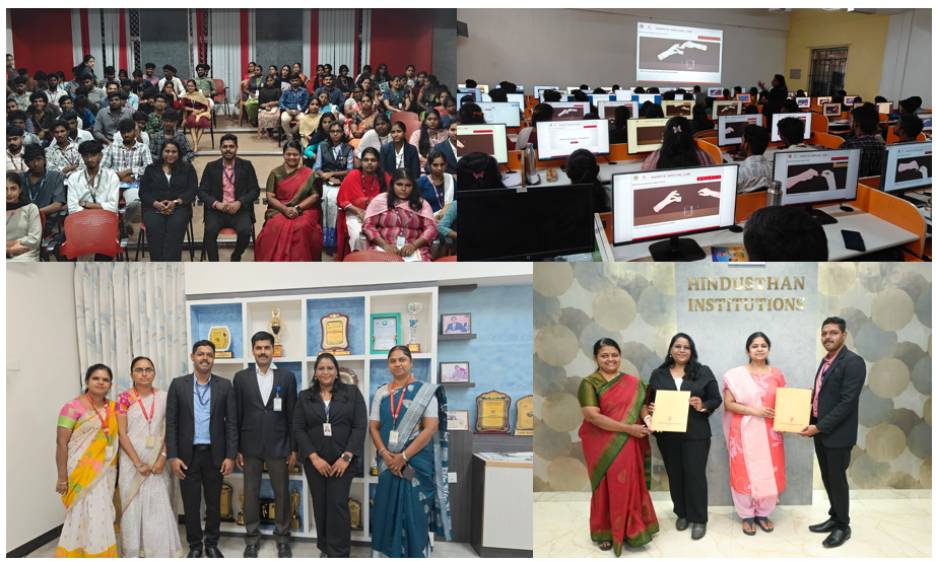
To advance technology-enabled laboratory learning in higher education, Amrita Virtual Labs conducted a one-day offline workshop at St. Michael’s College, Cherthala, on July 28, 2025. The institution organized the workshop to offer science students and faculty structured, hands-on training in virtual laboratory platforms. Mrs. Nijin N., Research Associate at the Amrita Mind Brain Center, along with members of the Virtual Labs National Outreach Team, led the session. The program brought together participants from diverse disciplines, including Physical Sciences, chemical sciences, Biochemistry, Microbiology, Biotechnology, Biomedical Science, and Mathematics, fostering an interdisciplinary learning environment. During the workshop, participants engaged with simulation-based experimental modules designed to replicate real laboratory scenarios. The demonstrations highlighted how virtual labs can enhance conceptual clarity, experimental skills, and analytical thinking while overcoming traditional infrastructural limitations. A total of 80 participants attended the session, gaining practical exposure to digital laboratory ecosystems that effectively bridge classroom theory with hands-on scientific application. The initiative reflects Amrita Virtual Labs’ continued commitment to expanding access to technology-integrated experiential learning across institutions.
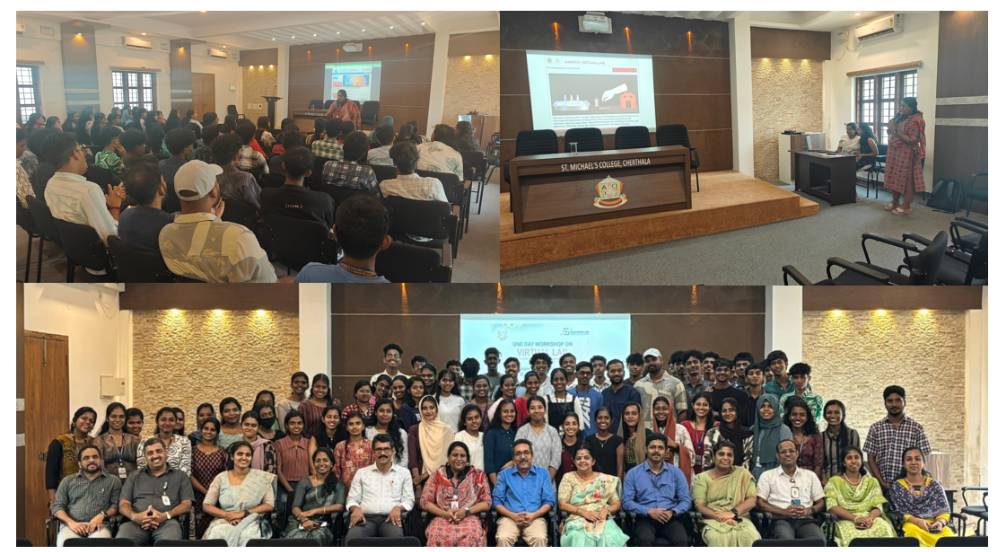
AI-Driven Health Prediction Integrating Vedic Principles towards sustainable futures
The research was carried out by MSc Bioinformatics internship students Mr. Raj Gondane and Ms. Kavya Raj Thekkedathu, from the School of Biotechnology, under the guidance of Mr. Dhanush Kumar, Dr. Asha Vijayan, and Prof. Shyam Diwakar. The study titled “A Computational Data Framework for Health Prediction Using Artificial Intelligence and Vedic Principles” examines the integration of traditional Indian knowledge systems with artificial intelligence to identify patterns associated with altered or poor health. By developing dictionary-based data models derived from Vedic astrology, the framework generates structured computational data that can potentially be applied to predict possible disease outcomes.
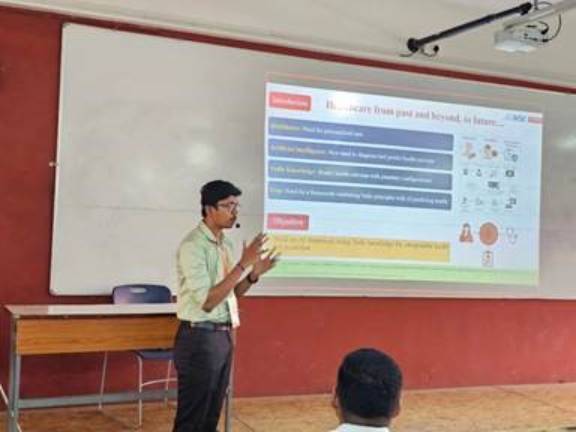
Enhancing sustainable higher education through virtual laboratories
Mind Brain Center’s research paper titled “Self-Guided Bioinformatics Learning Through Virtual Labs: Toward Sustainable and Inclusive Learning” has received the Best Paper Award at the ICSRF 2025. The study was led by internship student Mr. Shubham Mahindrakar from the Amrita School of Biotechnology, under the guidance of the Amrita Mind Brain Center Virtual Lab team: Mr. Dhanush Kumar, Ms. Rakhi Radhamani, Dr. Asha Vijayan, Prof. Shyam Diwakar, and Dr. Krishnashree Achuthan, Director, Amrita Center for Cybersecurity Systems. The research highlights innovative approaches to self-guided bioinformatics education using virtual laboratories, contributing toward sustainable, inclusive, and accessible learning frameworks in higher education.
Digital Brain Twins for Neural Circuit Modelling
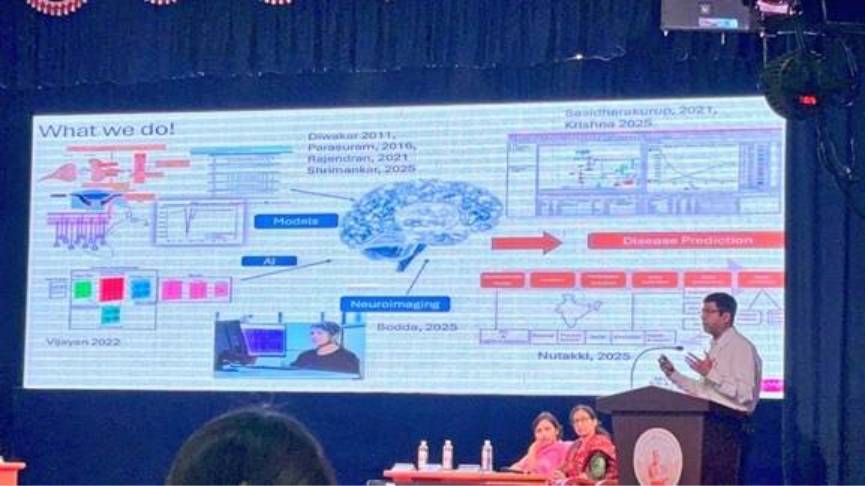
Prof. Shyam Diwakar, Director of the Amrita Mind Brain Center, delivered an invited talk titled “Digital Brain Twins: Multiscale Modelling of Neurons and Brain Circuits” at SYMRESEARCH 2.0, organized by the Faculty of Medical and Health Sciences and the Faculty of Engineering at Symbiosis International (Deemed University), Lavale, Pune, India, on 18-20 September 2025. The talk focused on how computational modeling, simulation, and data-driven approaches can be integrated to advance our understanding of brain function across multiple scales—from individual neurons to complex neural circuits—while showcasing the ongoing research innovations at the Center.
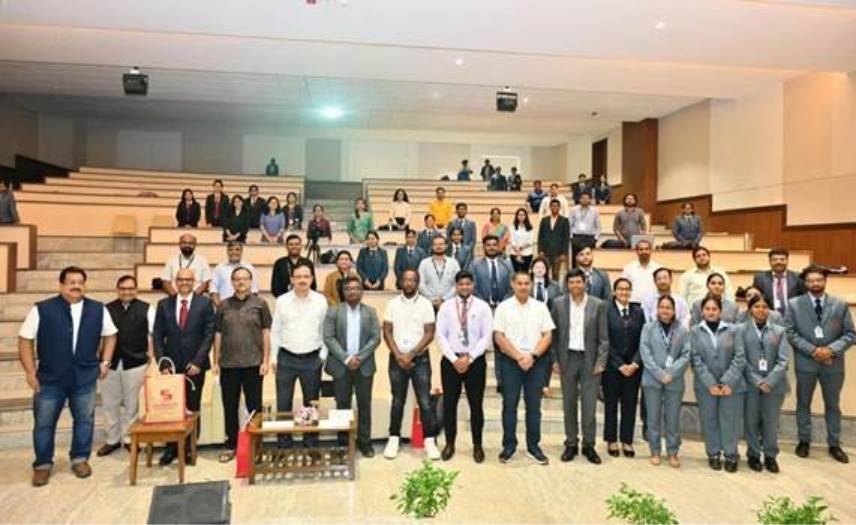
The Center’s research work was represented at the IEEE International Conference on Robotics and Mechatronics (ICRM, 2025) organized by Humanitarian Technology (HuT) Labs, Amrita Center for Advanced Robotics (ACAR), and the Department of Electronics and Communication Engineering, Amrita Vishwa Vidyapeetham, held on November 07–08, 2025.
Towards a User-Friendly EEG Analysis Platform
The Mind Brain Center’s research work, carried out by B.Tech Computer Science and Engineering students, including Mr. Rohith Alikkal, Mr. Akula Venkat Harshith, Mr. Bhuvan Shankar, and Mr. Midhun Krishna, was presented at the International Conference on Robotics and Mechatronics (ICRM, 2025) at Amrita Vishwa Vidyapeetham. Guided by Dr. Sandeep Bodda, Ms. Sowmiya Krishna, and Prof. Shyam Diwakar, Mr. Akula Venkat Harshith presented their paper titled “Implementing and Deploying a Student-Friendly GUI-Based Platform for EEG Signal Processing,” showcasing an innovative approach to making EEG signal processing more accessible and intuitive for students.
In a significant outreach effort to advance technology-integrated engineering education, Amrita Virtual Labs organized a large-scale offline workshop at Er. Perumal Manimekalai College of Engineering, Hosur, Tamil Nadu in two structured phases. Phase I was conducted on October 23–24, 2025, followed by Phase II from November 4–6, 2025. Collectively, the five-day initiative engaged nearly 1,000 students across diverse engineering streams. Mrs. Nijin N., Research Associate at the Amrita Mind Brain Center, led the sessions with members of the Virtual Labs National Outreach Team. The workshop witnessed participation from students representing computer science, Information Technology, Mechanical Engineering, Aeronautical Engineering, Artificial Intelligence and Data Science, Electronics Engineering, and Electrical Engineering demonstrating broad interdisciplinary engagement. The program featured structured demonstrations of interactive virtual experiments that simulate real-world laboratory environments. These modules were designed to enhance conceptual clarity, strengthen analytical reasoning, and develop practical competencies without reliance on physical laboratory infrastructure. The strong participation and active involvement of students reflected a growing academic interest in integrating virtual laboratory technologies into conventional engineering education.
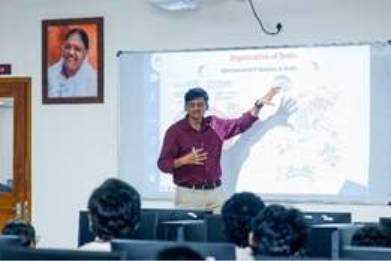
Dr. Sandeep Bodda, Assistant Professor, Mind Brain Center, had the opportunity to conduct a workshop titled “Bio Signals Unveiled: Analysis of EEG and Biomedical Signal Data,” organized by the Amrita School of Computing, Amritapuri, on 11th November, 2025. The workshop provided hands-on sessions on exploring EEG interpretation, biomedical signal processing, and practical analysis techniques used in modern computational biosciences. The workshop provided an opportunity for students to learn skills in neuroscience, biomedical engineering, AI-driven health analytics, and computational biosciences.
The center’s research work on autoimmune mechanisms in Alzheimer’s disease was presented at the 7th International Conference on Computer & Communication Technologies (IC3T 2025), hosted by the Department of CSE (Data Science), School of Computing, Mohan Babu University, Tirupati, Andhra Pradesh, on 10 December 2025.
Computational Modeling of Aβ-Induced Neuroinflammation in Alzheimer’s Disease
The center’s research study conducted as part of the BRITE 2025 program at the Amrita School of Biotechnology, “A Biochemical Systems Theory Model for Autoimmune Mechanisms in Alzheimer’s Disease: Simulating Aβ-Induced Necroptosis and Necrosis,” was presented at the 7th International Conference on Computer & Communication Technologies (IC3T 2025), hosted by the Department of CSE (Data Science), School of Computing, Mohan Babu University, Tirupati, Andhra Pradesh, on 10 December 2025. This research was conducted by students from the Amrita School of Biotechnology, Ms. Maitrayee Ghosh, Ms. Varshini Ravikumar, and Ms. Harish Kalaiselvi, under the guidance of Dr. Asha Vijayan and Ms. Sowmiyakrishna G and Prof. Shyam Diwakar from the Amrita Mind Brain Center. The study focused on computationally modeling the autoimmune and autoinflammatory pathways involved in Alzheimer’s disease using the AD2 framework. The work applied a Biochemical Systems Theory (BST) approach to capture how Aβ-mediated immune signaling may initiate self-sustaining neuroinflammatory cycles contributing to neurodegeneration.
Prof. Shyam Diwakar presented “Exploring Yogic Circuits and Brain Mapping,” focusing on the center’s recent findings relating to yoga, meditation, and the underlying neuroscience at the International Conference on Frontiers in Yoga Research & Applications (INCOFYRA), held at S-VYASA University, Bengaluru, from 18 to 21 December, 2025.
Abstract– This research in our lab is mainly focusing on the neuronal dynamics and behaviors of cerebellum and associated circuits such as basal ganglia, thalamus and motor cortex. The mathematical reconstruction of neurons and circuits in the motor related circuits, expands the knowledge of the function of neuronal circuits in terms of information flow and spatial excitation-inhibition with biologically plausible computer simulations, mathematical models, and neuron-based theories. The construction of such physiologically appropriate neural circuit models is expected to aid in the research of processes underlying brain and nervous system function as well as the treatment of damaged brain and nervous systems
Key words- Spiking neurons, Cerebellum and interconnected circuits, computational Neuroscience
Duration: 4-6 Months
PI’s – Dr. Arathi G.R., Dr.Asha Vijayan, and Dr. Shyam Diwakar
Email/ Number – sandeepb@am.amrita.edu
References
Abstract – In this digital world, the critical interconnections of lifestyle factors and cognitive wellness need to be explored. ADLs are critical indicators of cognitive health as they require a combination of memory, attention, executive function, motor skills, and problem-solving. This study uses subjective reports (self-assessments or caregiver observations) and objective measures (wearable devices or sensors) to monitor how cognitive changes impact daily activities over time.
Key words- Data analysis, lifestyle factors, cognitive function, survey.
Duration –4-6 months
PI’s- Dr.Chaitanya Nutakki and Dr. Shyam Diwakar.
Email- sandeepb@am.amrita.edu
Abstract —Music is a powerful medium that can evoke a wide range of cognitive and emotional responses in humans. The integration of modern neuroscientific techniques with psychological measures helps researchers to understand more about the neural underpinnings of music perception and processing. Executive functions, including selective attention, working memory, and inhibitory control, are critical cognitive processes that govern our goal-directed behavior. The research aims to investigate how listening to different Indian Carnatic ragas influences executive functions, specifically selective attention and working memory, in neurotypical populations. It is hypothesized the population exposed to Carnatic ragas will demonstrate improved cognitive task performance and distinct EEG patterns, including increased alpha and theta activity associated with focus, relaxation, and executive function processing. By combining cognitive task performance with EEG-based brain activity recording, the research seeks to understand whether exposure to Carnatic ragas enhances cognitive efficiency and induces favorable neural responses. The study adopts a mixed-methods design, with an experimental group performing cognitive tasks while listening to selected Carnatic ragas and a control group performing the same tasks in silence. EEG signals and behavioral data will be analyzed to evaluate differences in neural dynamics and cognitive outcomes between groups. The findings are expected to provide evidence of cognitive enhancement linked to Carnatic ragas, identify EEG markers reflecting improved executive functions, and contribute to fields such as music therapy, cognitive neuroscience, and Indian Knowledge Systems (IKS).
Key words: Executive Functions, Indian Carnatic raga, selective attention, working memory, Electroencephalography
Duration : 4-6 months
PIs—Dr. Shyam Diwakar and Mrs. Nijin N
Email- nijinn@am.amrita.edu
References
Abstract – Real-time gait analysis remains an open challenge due to noise, inter-subject variability, and the inherent complexity of locomotor signals. Existing methods relying on smartphones or low-density EEG provide valuable insights but lack the precision and robustness required for clinical translation. This study proposes a novel multi-modal gait analysis system that integrates six 6-DOF inertial measurement units (IMUs), heel-mounted force-sensitive resistors (FSRs), and a 64-channel EEG system. The platform combines precise kinematic capture, direct ground contact measurement, and high-resolution cortical activity mapping with advanced deep learning algorithms for real-time gait phase recognition. We hypothesise that this approach will achieve greater accuracy in gait phase classification, reveal novel cortical activation patterns during gait, and provide clinically relevant biomarkers for movement disorders. Preliminary system design, experimental protocol, and analysis pipelines are presented, along with anticipated outcomes and clinical applications.
Key words – EEG, low-cost accelerometers, neural activity, gait phases.
Duration: 4-6 months
PIs: Mr Abhijith B., Dr Chaitanya Nutakki, Dr Sandeep, and Dr Shyam Diwakar.
Email: sandeepb@am.amrita.edu, chaithanyakumar@am.amrita.edu
References
Abstract – The main goal of this study is to analyze the neural rhythms associated with language production and speaker-listener synchrony during verbal and non-verbal communication using EEG device. Brain oscillations and the synchrony between the different regions will help understand and enhance social behavior, improve communication and learning, provide insights into mental health, and explore collective cognitive processes.
Key words– EEG, verbal communication, brain synchrony.
Duration –4-6 months
PI’s-, Dr.Chaitanya Nutakki , Dr. Arathi G Nair and Dr. Shyam Diwakar.
References
This study presents a comprehensive, data-driven methodology to validate the accuracy and reliability of human gait kinematics and kinetics derived from a low-cost inertial measurement unit (IMU) device, termed the Ambulatory Sensor System for Inertial and Spatiotemporal Tracking (ASSIST). The ASSIST device integrates a 6-degree-of-freedom (6DOF) IMU, comprising a 3-axis accelerometer and a 3-axis gyroscope, with two force-sensitive resistors (FSRs) positioned on the heels to capture ground contact dynamics. Validation is performed by integrating ASSIST-derived data with OpenSim, a robust open-source software platform for biomechanical modelling, simulation, and analysis. OpenSim facilitates the creation and evaluation of dynamic musculoskeletal models, enabling precise analysis of locomotor biomechanics. By comparing ASSIST-derived gait parameters, including joint angles, stride characteristics, and ground reaction forces, against a reference system for motion capture, this study quantifies the device’s accuracy and reliability for gait analysis. The results aim to establish the ASSIST system as a viable, cost-effective tool for real-time clinical and research applications in human movement analysis, offering insights into biomechanical performance and rehabilitation outcomes.
Keywords: Human Gait, Low-cost sensors, biomechanics, Opensim.
Duration: 4-6 months
PIs: Mr Abhijith B., Dr Chaitanya Nutakki, and Dr Shyam Diwakar.
Email: abhijithb@am.amrita.edu, chaithanyakumar@am.amrita.edu
References
EEG-based cognitive interventions are methods that use neurofeedback or brain stimulation to modulate brain activity and enhance cognitive performance. However, the underlying mechanisms of these interventions are not fully understood, and the effects of different protocols on functional connectivity and resting state networks (RSNs) are unclear. In this study, we try to analyse the changes in functional connectivity and RSNs induced by EEG-based cognitive interventions in healthy participants. Participants undergo standardized cognitive assessments focusing on attention, working memory, and stress reduction, administered pre- and post-intervention. We quantify correlations between intervention induced EEG changes and behavioural performance metrics, while developing supervised machine learning and deep learning models to predict cognitive and stress-related outcomes from EEG features. Our findings are expected to demonstrate that these interventions modulate functional connectivity and RSNs in a domain-specific and frequency-dependent manner, with such changes associated with improvements or deterioration in attention, working memory, and stress reduction. This kind of approaches provides a comprehensive and sensitive method to understand the neural mechanisms of EEG-based cognitive interventions, and to optimize their protocols for different cognitive domains.
Duration: 4-6 months
PI’s- Dr. Sandeep Bodda, Dr. Shyam Diwakar
Email: sandeepb@am.amrita.edu
Abstract : The imperative need for a deeper understanding of neural features and cortical networks in movement disorders like stroke, trauma, and multiple sclerosis becomes evident when considering their potential impact on the development of BCI-like devices for rehabilitation. By gaining insight into these neural features and the intricate cortical networks involved, researchers may be better equipped to design more precise and effective solutions for individuals grappling with motor disabilities. Additionally, the identification of these features and networks holds great promise in clinical settings, as they may serve as valuable biomarkers for the early detection of diseases, potentially enabling timely interventions and improved patient outcomes.
Duration: 4-6 months
PI’s– Dr. Sandeep Bodda, Dr. Shyam Diwakar
Email: sandeepb@am.amrita.edu
Abstract-Clinically measuring gait is useful to determine the effectiveness of treatment. Current gait measuring techniques are more expensive and unreachable to the common people, especially those living in rural areas. Pathological gait analysis using less expensive experimental techniques is vital and essential for emerging countries like India. This project focuses on the development of a machine learning and deep learning-based model to analyze gait kinematics using video recordings and sensor data captured via mobile phones or cameras. Users can save and upload these data to the application, where features are extracted and processed by the model to identify subtle gait changes. The model is trained using publicly available clinical and sensor-based datasets to ensure accuracy and generalizability. By analyzing gait patterns, the system aims to detect and classify kinematic deviations potentially associated with early-stage Parkinson’s disease (PD) progression and joint abnormalities. The output, delivered through a mobile phone application, includes predictions on gait changes (normal vs. diseased), PD progression tracking, precise joint movement analysis, and a probabilistic risk assessment, which can support clinicians in making informed decisions regarding further diagnostic procedures or interventions.
Keywords: gait, joint kinematics, Parkinson’s, imu
Duration: 4-6 Months
PIs: Mr Abhijith B., Dr Chaitanya Nutakki, and Dr Shyam Diwakar.
Email: abhijithb@am.amrita.edu, chaithanyakumar@am.amrita.edu
Abstract: The project focuses on computational neuroscience to understand the intricate relationship between neuronal activity and blood flow in the cerebellum and related circuits.
As a bottom-up modelling approach, this project aims to model how population-level activity in the cerebellum, particularly granule cell dynamics drives changes in cerebral blood flow. This process, known as neurovascular coupling (NVC), is the basis for functional brain imaging techniques like fMRI. By mathematically simulating the production, consumption and diffusion of NO following neuronal activation, BOLD signal reconstruction has been done. We aimed to scale up this model by adding synaptic level connectivity in cerebellum and related circuits.
Keywords: Neurovascular coupling, fMRI, vasodilation, vasoconstriction.
Duration: 6 months
PI’s- Mr. Sreedev R, Dr. Chaitanya Nutakki and Dr. Shyam Diwakar
Email id: chaithanyakumar@am.amrita.edu

The following papers reflect the work on this project:
Abstract: Modelling of biochemical networks such as signal transduction and gene regulatory circuits are main components of modern systems biology. In the case of experimentally immeasurable biological processes, a mathematical model can be used to observe and analyze the behavior of a particular variable. The behavior of these hidden system states can be crucial to understand the performance of biological systems where measurement is difficult or impractical. These applications of mathematical modelling have particular relevance to the study of degenerative diseases of age such as Parkinson’s and Alzheimer’s disease that are unique to the human brain and for which animal models reproduce only certain pathological features. Pathogenesis in Parkinson’s and Alzheimer’s disease have been associated to some genetic impairments reflect on mitochondrial dysfunction, oxidative damage, neuro-inflammation, insulin resistance, abnormal protein phosphorylation and aggregation, compromising key functional roles of dopaminergic neurons, memory cells and their survival. Stochastic differential equations and biochemical systems theory based on ordinary differential equations can be used to mathematize biochemical reactions involved in these diseases. Some of the important pathways such as dopaminergic pathway, tau phosphorylation, alpha synuclein aggregation, oxidative stress etc. have been modelled using this software to study the pathophysiology of progression of the disease. The development of phenomenological models through dynamic simulations help to identify the specific target cells for the drug delivery. The objective of this study is to construct systems models representing biochemical pathways in Parkinson’s and Alzheimer’s diseases, with a primary focus on developing simulation tools in future helping the translation of research findings into clinical applications.
Key words- Biochemical System Theory, Parkinsons , Alzheimer’s, Pathway
Duration: 4-6 Months
PI’s – Dr. Shyam Diwakar, Dr. Asha Vijayan, Ms.Sowmiya
Email/ Number – sandeepb@am.amrita.edu
References
Abstract : Visuospatial impairment can be an early and severe sign of degenerative dementia. It is a condition that slowly and gradually impairs cognitive processes related to perception, spatial cognition, and memory. Current research needs a detailed understanding of the molecular and cellular interactions driving the disease pathology. This study aims to identify critical factors and common pathways shared between VSD and other neurodegenerative diseases (Alzheimer’s, Parkinson’s, and Huntington’s diseases, etc.) by leveraging Biochemical Systems Theory to develop a systems model, integrating it into a circuit-level neuronal model (e.g., AdEx model, Hodgkin and Huxley model) to simulate dynamic neural activity and patterns at the molecular level. Machine learning algorithms will detect distinctive patterns indicative of early VSD, with a comparative analysis between VSD and control data. Additionally, the research will focus on designing a cohesive clinical tool and developing software for data analysis that will help in evaluating diagnostic accuracy, monitoring patients, and assessing the efficacy of interventions. The study aims to develop a systems model of visuospatial dementia using Biochemical Systems Theory to simulate disease progression and understand the underlying molecular and circuit-level mechanisms
Key words- Visuospatial dementia, Biochemical System Theory, pathway modeling
Duration: 4-6 Months
PI’s – Dr. Shyam Diwakar,Ms. Sowmiyakrishna G
Email/ Number – sandeepb@am.amrita.edu
Abstract: The oscillator model of the cerebellum provides a powerful framework for simulating tremor conditions, offering insights into the underlying mechanisms and potential treatments. This approach begins with establishing a baseline model of cerebellar function, incorporating key neuronal components such as granule cells, Purkinje cells, deep cerebellar nuclei (DCN) neurons, inferior olive neurons, and Golgi cells. The model defines the connectivity between these components and implements their oscillatory behavior using differential equations to describe the activity of each neuronal population. To simulate normal cerebellar function, parameters are adjusted to reproduce typical oscillations, including regular simple spike firing in Purkinje cells, occasional complex spikes from climbing fibre input, and regular firing patterns in DCN. The model can then be modified to simulate tremor conditions, such as essential tremor, by altering specific parameters. For example, increasing the intrinsic excitability of DCN neurons, reducing Purkinje cell inhibition of DCN, and enhancing inferior olive oscillations can replicate the cerebellar changes observed in essential tremor. Analysis of the simulation results involves both time series and frequency domain analyses, as well as examination of phase synchronization between different neuronal populations. The model’s output is validated by comparing it to real physiological data, including single-unit recordings from animal models, and clinical observations of tremor frequency and amplitude
Key words- Cerebellar model , Oscillatory model, Mathematical Modeling , Motor disorders
Duration: 4-6 Months
PI’s – Dr. Shyam Diwakar, Ms. Shrimankar Radhika
Email/ Number – sandeepb@am.amrita.edu
Abstract : Ancient India worked on Vedic calculations to predict different calamities, stages of life, medications, and many more. One of the calculations is based on the correlative analysis of the planetary positions, other celestial bodies (represented as mathematical points), and their influence on different stages of life. To model the extremely complicated human life, this concept looks at a multiscale of features, including different parameters, tools, techniques, and degrees of freedom, making the parametric space very huge. Researchers have tried to incorporate this traditional Indian knowledge into machine learning and have failed miserably due to the high parametric data and their interlinked correlation. The introduction of deep learning and transformer-based models has again paved the way for Vedic science-based modeling.
The Vedic science-based calculation can help us correlate celestial patterns with human health. Understanding the health index helps us to foresee health hazards and make better decisions. The current study focuses on the usage of different astrological doctrines and concepts of AI to develop a predictor-based system for healthcare, thus having a personalized health assessment system. The principles considered would be dosha imbalances, energy flow, and mind-body constitution, which could lead to the prediction of certain disease risks and come up with different treatment plans, dietary adjustments, exercise routines, and stress management techniques. The system could also predict genetic risk and psychosomatic disorders.
This study would be an added advantage to traditional medicine, thus integrating ancient wisdom to enhance personalized healthcare.
Key words- Health care, Artificial Intelligence, Indian Knowledge System, Vedic systems
Duration: 4-6 Months
PI’s – Dr. Shyam Diwakar, Mr. Dhanush Kumar, Dr. Asha Vijayan
Email/ Number – sandeepb@am.amrita.edu
References
Abstract: The integration of virtual laboratories into STEM education has significantly reshaped the way students acquire practical skills and engage with experimental concepts. Virtual laboratories are widely recognized for being interactive, cost-effective, and scalable alternatives to traditional laboratory settings, enabling broader access to hands-on learning experiences. While most studies evaluating their effectiveness have relied on questionnaire-based assessments of student satisfaction, usability, and perceived learning outcomes, the cognitive dimensions of student interaction with these platforms remain underexplored. Electroencephalography (EEG) offers a non-invasive approach for objectively assessing mental workload during task performance. In this study, low-cost portable EEG devices will be employed to evaluate cognitive load while students interact with virtual laboratories. The spectral characteristics of EEG signals will be analyzed, with a focus on specific frequency bands known to be associated with cognitive states: frontal theta power as an indicator of working memory demand, parietal alpha suppression as a marker of attentional effort, and beta band activity as a reflection of task engagement and alertness. By examining these markers, the research seeks to establish neurophysiological correlates of cognitive load in virtual learning environments. The methodology involves recruiting a cohort of undergraduate students who will complete both low-complexity and high-complexity tasks or simulations within virtual laboratories while their EEG signals are continuously recorded. This study will contribute to improving the design of virtual laboratories by providing objective evidence on how task complexity modulates cognitive processing, thereby enhancing student engagement, reducing extraneous load, and maximizing learning outcomes in STEM education.
Key words- Virtual laboratories, Cognitive load (CL), Electroencephalography,
Duration: 4-6 Months
PI’s – Dr. Shyam Diwakar, Mrs. Nijin N, Mrs.Sreelekshmi S
Abstract: Sensorimotor control has been studied for decades because of its importance in daily life, and this study offers new insights into the mechanisms of generating motor commands by integrating sensory information. Integration of sensory signals through motor commands is a complex process involving integrating information from different sensory modalities, including visual, auditory, olfactory, gustatory, and motor, to create a unified perception of the environment. Cerebellum, the little brain, plays a crucial role in the precise modulation of motor commands by integrating sensory signals from various areas of the cerebral cortex. These functions are achieved by constant contralateral communication between the cerebrum and cerebellum. Major pathways in the cerebro-cerebellar connections are the efferent Cerebello-Thalamo-Cortical (CTC) pathway and the afferent Cortico-Ponto-Cerebellar (CPC) pathway. The Cortico-Ponto-Cerebellar (CPC) pathway is a crucial neural circuitry, facilitating communication between the cerebral cortex, pons, and cerebellum. Understanding the intricacies of this pathway at the single-neuron level is essential for unraveling its
functional roles in motor control, cognition, and various neurological disorders. Recent studies on the CPC pathway have shed light on different neurological disorders, including Parkinson's, cerebellar ataxia, and schizophrenia. Abnormalities in this pathway have also been shown to lead to motor deficits, cognitive impairments, and affective dysregulation. Therefore, understanding the integration of sensory information via the CPC pathway and its role in brain function and dysfunction would provide deeper insights into neurological and neuropsychiatric disorders.
Key words- Sensorimotor control, CPC pathway
Duration: 4-6 Months
PI’s – Dr. Shyam Diwakar, Dr. Asha Vijayan
Email/ Number – sandeepb@am.amrita.edu
References
Abstract:DL-CISNN is a cerebellum-inspired spiking neural network with many layers that incorporates 3 forms of learning from the cerebellum. Integrating 16 distinct types of learning inspired by cerebellar mechanisms into a DL framework, specifically employing Spiking Neural Networks (SNNs), is challenging. DL-CISNN aims to not only enhance the learning efficiency of artificial systems but also draw inspiration from the complexity and versatility of the cerebellum’s learning processes. The study begins by synthesizing an extensive literature review on the cerebellum’s role in motor control, cognitive function, and adaptive learning. Subsequently, the 16 types of learning observed in the cerebellum, including long-term potentiation, long-term depression, and spike-timing-dependent plasticity, are systematically incorporated into the DL-CISNN architecture.
To optimize the DL-CISNN, advanced training algorithms and neuromorphic computing techniques are employed. The research investigates the network’s performance across a range of cognitive tasks, including pattern recognition, motor learning, and associative memory. Through a combination of computational simulations and empirical validation, we assess the effectiveness of the proposed model in capturing the intricate learning dynamics inspired by the cerebellum.
Key words- Sensorimotor control, CPC pathway
Duration: 4-6 Months
PI’s – Dr. Shyam Diwakar, Dr. Asha Vijayan
Email/ Number – sandeepb@am.amrita.edu
References
Abstract: Sensorimotor control has been a subject of study for decades due to its crucial role in daily life. This study offers new insights into the mechanisms by which motor commands are generated through the integration of sensory information. The process of integrating sensory signals to generate motor commands is highly complex, involving input from various sensory modalities—including visual, auditory, olfactory, gustatory, and motor systems—to create a unified perception of the environment.
The cerebellum, often referred to as the “little brain,” plays a vital role in the precise modulation of motor commands by integrating sensory signals from multiple areas of the cerebral cortex. Its ability to coordinate movement, process multimodal sensory inputs, and facilitate learning has inspired the development of artificial systems capable of mimicking these functions.
The temporal dynamics of spikes in neural activity can encode rich information about sensory inputs and motor outputs, making Spiking Neural Networks (SNNs) particularly well-suited for cerebellum-inspired designs. A Cerebellum-Inspired Spiking Neural Network (CISNN) can model predictive motor control, error correction, and adaptive learning based on sensory feedback. The model will also incorporate mechanisms for adaptive learning, enabling it to respond to changes in input and demonstrate capabilities for error correction and predictive control.
The optimization of these biologically inspired neuronal networks can be achieved using Python-based frameworks such as NetPyNE. Simulated sensorimotor tasks—such as controlling a virtual robotic arm for trajectory tracking or object avoidance—will be employed to evaluate the network’s performance. The outcomes will be assessed in terms of accuracy, adaptability, and biological relevance.
Key words- Sensorimotor control, CISNN
Duration: 4-6 Months
PI’s – Dr. Shyam Diwakar, Dr. Asha Vijayan
Email/ Number – sandeepb@am.amrita.edu
References
Abstract: Biochemical systems modeling provides a subcellular perspective on diseases, bridging mechanisms and phenomena using simple mathematical frameworks. Using established tools, this approach focuses on modeling memory and movement disorders, such as dementia, Parkinson’s, and Alzheimer’s disease. By simulating key biochemical processes, such as protein aggregation, mitochondrial dysfunction, and oxidative stress, the models provide insights into neurodegeneration and synaptic loss. These computational frameworks unravel the associated complexities by integrating experimental data, computational tools, and biological insights. This approach uses established tools to simulate the neural dynamics underlying memory formation, recall, and motor control, as well as their pathological alterations.
Key words- BST, neurodegenerative disease
Duration: 4-6 Months
PI’s – Dr. Shyam Diwakar, Dr. Asha Vijayan
Email/ Number – sandeepb@am.amrita.edu
References
Abstract: Motor and cognitive functions are supported by tightly interconnected brain networks, including the cerebellum, basal ganglia, and cortical circuits. Dysfunction in these systems manifests as measurable alterations in neural activity and behavior, which can serve as biomarkers for disease diagnosis and monitoring. Biomarker reconstruction using computational models enables the extraction of disease-relevant signatures from neural dynamics, such as oscillatory activity, synaptic plasticity patterns, and network-level connectivity. By simulating healthy and pathological states, these models provide mechanistic insight into how disruptions in motor circuits translate into deficits in learning, memory, and executive functions. Integrating simulation outputs with electrophysiological and behavioral data facilitates the development of predictive, personalized biomarkers that could guide early diagnosis and targeted interventions in disorders such as Parkinson’s disease, stroke, and cerebellar ataxia.
Key words- Cognition, biomarker.
Duration: 4-6 Months
PI’s – Dr. Arathi G.R., Dr. Shyam Diwakar
Email/ Number: arathigr@am.amrita.edu
References
Abstract: The motor system is a highly interconnected network comprising the cortex, basal ganglia, cerebellum, and spinal circuits, where coordinated activity emerges from dynamic control processes. Modeling dynamic network control provides a computational framework to investigate how motor behaviors are flexibly initiated, maintained, and adapted through the interaction of excitatory, inhibitory, and modulatory pathways. Control-theoretic approaches applied to spiking and population-level models enable the identification of key nodes and pathways that govern network stability, synchronization, and adaptability. By simulating both healthy and pathological conditions, such models can reveal principles of motor control breakdown in disorders such as Parkinson’s disease, dystonia, and cerebellar ataxia, and suggest potential interventions through neuromodulation, stimulation, or rehabilitation strategies. This line of research offers critical insights into the design of targeted therapies and brain–machine interfaces for restoring motor function.
Key words- motor control, mathematical modelling.
Duration: 1 year
PI’s – Dr. Arathi G.R., Dr. Shyam Diwakar
Email/ Number: arathigr@am.amrita.edu
References
Abstract: We propose a modular, open-source toolkit for extracting, reconstructing, and validating neurophysiological biomarkers of motor and associated cognitive deficits from simulations and animal data. The toolkit will (i) ingest multimodal signals (spikes, LFP/BOLD. Oscillation), (ii) provide validated pipelines for preprocessing, (iii) compute candidate biomarkers—spectral power and peak frequency, cross-frequency coupling, coherence/PLV, phase–amplitude dynamics, burst metrics, graph-theoretic connectivity, and event-related measures—and (iv) map these to disease-relevant constructs (e.g., beta synchrony in Parkinson’s, cerebellar error-related signals) using machine-learning classifiers with cross-site generalization and BIDS-compatible outputs. Tight integration with neural simulators (e.g., AdEx/Spiking models) will enable in-silico perturbations and ground-truth benchmarking. By unifying robust signal processing, biomarker libraries, and reproducible reporting, the toolkit aims to accelerate translational discovery and support personalized assessment and closed-loop intervention design in motor disorders.
Key words- Machine learning, in-silico
Duration: 4-6 months
PI’s – Dr. Arathi G.R., Dr. Chaitanya, Dr. Shyam Diwakar
Email/ Number: arathigr@am.amrita.edu
References
Abstract: A multiscale digital twin of the brain’s motor and cognitive systems offers a transformative approach to studying both healthy function and disease-related dysfunction. By integrating models across multiple scales—from molecular level mechanisms through biophysical single-neuron dynamics to large-scale network communication and behavioral output—such a framework can replicate how motor control and cognitive processes emerge from underlying neural activity. This digital twin would incorporate structural and functional connectivity, plasticity mechanisms, and biomarker-informed simulations to provide personalized representations of neural function. Importantly, the framework allows in-silico perturbation of circuits, enabling the prediction of how lesions, neurodegeneration, or therapeutic interventions alter system behavior. Applications include reconstructing disease signatures in disorders such as Parkinson’s disease, cerebellar ataxia, or stroke, and optimizing strategies for neurorehabilitation or neuromodulation. Ultimately, a multiscale digital twin framework bridges computational neuroscience, clinical biomarkers, and translational interventions, providing a powerful tool for mechanistic insight and precision medicine in motor and cognitive disorders.
Key words- Multiscale modelling, brain digital twin.
Duration: 1.5 years
PI’s – Dr. Arathi G.R., Dr. Asha vijayan, Dr. Sandeep, Dr. Chaitanya, Dr. Shyam Diwakar
Email/ Number: arathigr@am.amrita.edu
References
Abstract: Computational neuroscience integrates mathematical modeling, biophysics, and systems neuroscience to study brain function, yet students and early researchers often face steep barriers due to the complexity of models and coding requirements. To address this, we propose the development of an educational simulator for computational neuroscience frameworks, designed as an interactive, modular, and user-friendly platform. The simulator will provide pre-built neuron and network models (e.g., integrate-and-fire, Hodgkin–Huxley, adaptive exponential), connectivity templates for canonical circuits (cortical column, cerebellar microcircuit, basal ganglia loop), and visualization tools for spiking activity, local field potentials, and plasticity dynamics. A drag-and-drop interface with adjustable biological parameters will allow learners to explore “what-if” scenarios, such as synaptic weight changes or lesion effects, without advanced coding. Additionally, integration with scripting backends (Python/NEURON) will offer progression to research-level modeling. This tool aims to bridge the gap between theoretical concepts and hands-on experimentation, fostering a deeper understanding of brain dynamics and lowering entry barriers to computational neuroscience education.
Key words- Online simulator, Computational neuroscience.
Duration: 8 months
PI’s – Dr. Shyam Diwakar, Dr. Arathi G.R., Ms. Sreelakshmi S., Dr. Asha vijayan
Email/ Number: arathigr@am.amrita.edu
References
Abstract: Alzheimer’s disease (AD) is a progressive neurodegenerative disorder characterized by cognitive decline, memory impairment, and neuronal loss. Growing evidence highlights the gut–brain axis as a critical mediator in AD pathology, where gut microbiota alterations influence neuroinflammation, amyloid-β accumulation, and synaptic dysfunction. This internship aims to investigate the role of gut microbiota in AD by identifying microbial species, metabolites, and signaling pathways implicated in neurodegeneration. Emphasis will be placed on short-chain fatty acids, bile acids, and inflammatory mediators as key mechanistic links between the gut and brain. The project will utilize recent literature, multi-omics data, and systems biology approaches to map microbial signatures associated with AD progression. Insights gained could contribute to the development of microbiota-based diagnostic markers and therapeutic strategies for slowing or preventing neurodegeneration in AD.
Key words-Systems Biology, Pathway modeling, Gut, AD Neuroinflammation, Multi-omics
Duration: 6 months
PI’s – Dr. Asha vijayan, Dr. Shyam Diwakar
Email/ Number: sandeepb@am.amrita.edu
References
Abstract: Pathway modeling in systems biology requires accurate identification of kinetic parameters, concentration values, and regulatory interactions of metabolic and signaling molecules. Traditionally, this data is curated manually from a vast and diverse body of scientific literature, a process that is time-consuming and prone to human bias. Recent advances in natural language processing, particularly large language models (LLMs), offer a transformative approach to automated knowledge extraction from research articles.
This internship aims to develop and validate an LLM-based workflow to identify key parameters and values related to metabolic and signaling molecules from peer-reviewed publications. The methodology involves fine-tuning domain-specific prompts, entity recognition, and context-aware parameter mapping to structured datasets suitable for pathway modeling. Extracted data will be benchmarked against manually curated databases (e.g., KEGG, Reactome, BioModels) to evaluate accuracy and consistency.
The expected outcome is a semi-automated framework that reduces the manual burden of literature mining while enhancing reproducibility and scalability in systems biology. This work can serve as a foundation for future integration of AI-assisted tools in model construction, simulation, and hypothesis generation for biological research.
Key words-Large Language Models (LLM), Systems Biology, Pathway Modeling, Metabolic Parameters, Signaling Molecules, Literature Mining, Bioinformatics
Duration: 6 months
PI’s – Dr. Asha vijayan, Dr. Shyam Diwakar
Email/ Number: sandeepb@am.amrita.edu
References
Abstract: The cerebellum, a small yet crucial part of the brain, contains about half of its neurons and is involved in both motor and non-motor functions. With the increasing complexity of data today, leveraging multiple processors for parallelization has become essential, as a single processor may need help managing the higher computational demands. The study explored the performance of CPU and GPU architectures in the simulation of a computational model of the scalable large-scale rat Cerebellum. Leveraging embarrassingly parallelization techniques, we executed the simulation on both CPU and GPU platforms, comparing their efficiency in execution time, number of processors utilized, and overall computational performance. Our findings reveal significant differences in execution speed and efficiency between the two architectures, with the GPU demonstrating superior performance for parallelizable tasks due to its extensive multi-core design. This analysis provides valuable insights into the advantages and limitations of CPU and GPU execution for large-scale neuronal simulations, offering guidance for future computational neuroscience research.
Keywords: GPGPU, Cerebellum, Parallelization, Supercomputing, Computational
Neuroscience.
Duration: 6 months.
PI’s: Dr. Arathi G.R., Ms. Radhika Shrimankar, Dr. Shyam Diwakar.
Email: arathigr@am.amritas.edu
References
“As an interdisciplinary research and teaching center, we draw faculty and topics from many schools at Amrita including Schools of Medicine, Engineering, Ayurveda, Biotechnology, Spiritual and Cultural Studies. The key labs and research focus at the center are the following.“