How do we build an AI future that is equitable from the very beginning?
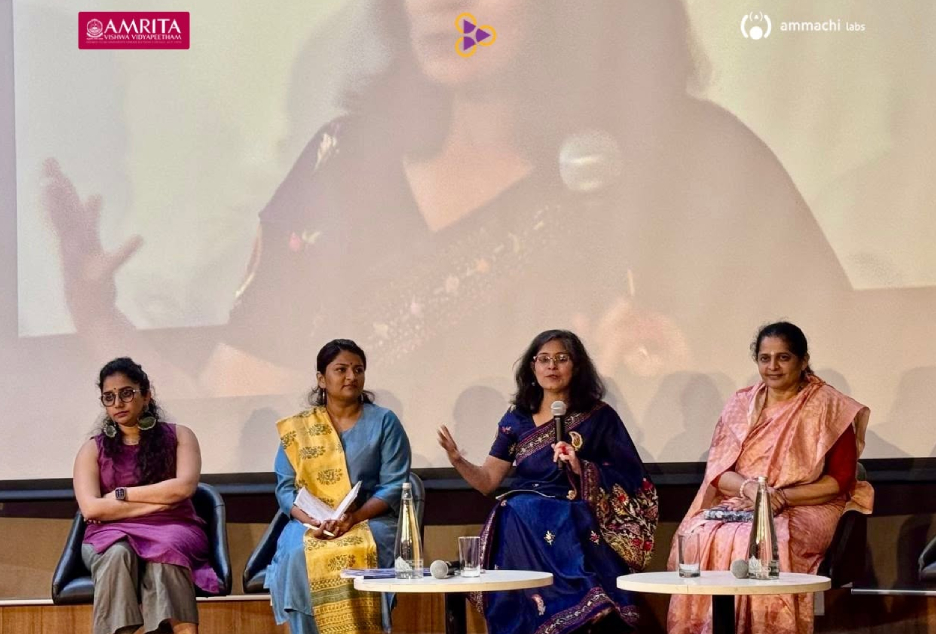
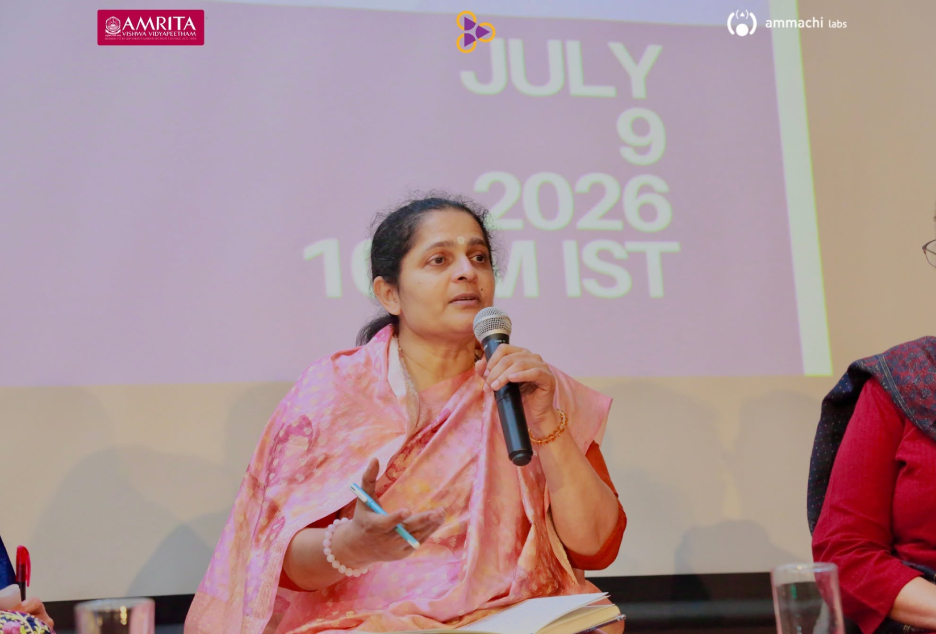
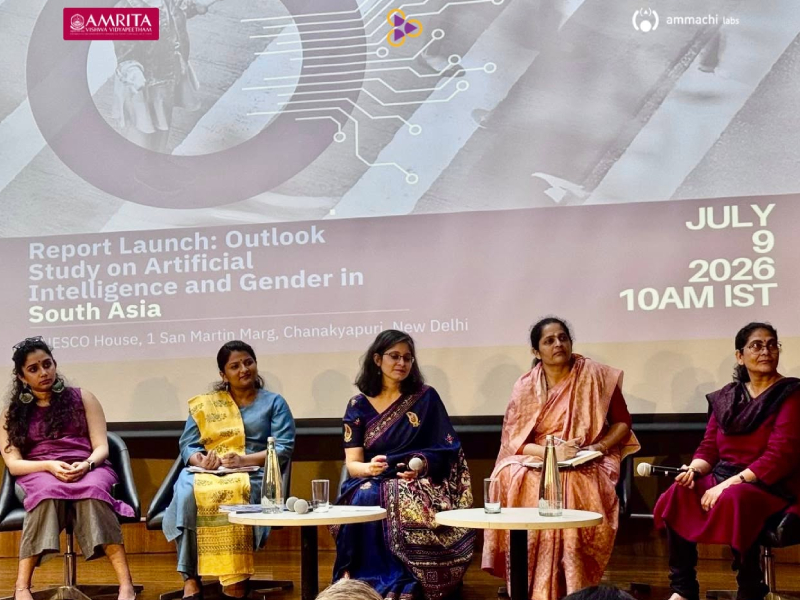
9 July 2026 at UNESCO House, UNESCO New Delhi Office.: As artificial intelligence continues to transform societies, economies, and public services, ensuring that its development is inclusive and ethical has become a global priority. Addressing this challenge, the UNESCO Women for Ethical AI (W4EAI) South Asia Outlook Study on Artificial Intelligence and Gender was officially launched on 9 July 2026 at UNESCO House, UNESCO New Delhi Office.
Developed by the UNESCO Women for Ethical AI South Asia Chapter, the report is the first regional, data-driven assessment of gender representation in AI across Bangladesh, Bhutan, India, Maldives, Nepal, and Sri Lanka. The study provides valuable insights into the opportunities, barriers, and policy gaps affecting women’s participation in the rapidly evolving AI ecosystem.
Amrita’s Contribution
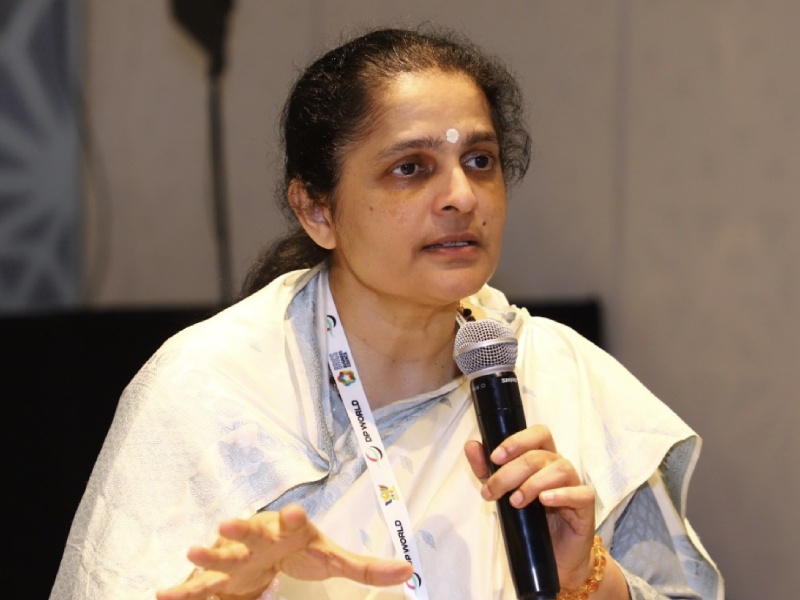
As Co-Chair of the UNESCO Women for Ethical AI South Asia Chapter, Amrita Vishwa Vidyapeetham played a significant role in this landmark initiative through the leadership of Dr. Bhavani Rao R, UNESCO Chair on Gender Equality and Women’s Empowerment.
Speaking at the launch, Dr. Bhavani Rao emphasized the importance of introducing AI and research education from the school level, increasing the visibility of women leaders in AI, advancing responsible AI research that values social, cultural, ethical, and environmental impact alongside technical excellence, and strengthening collaboration among governments, academia, civil society, industry, and local communities.
The study serves not only as a comprehensive assessment of the current state of gender representation in AI across South Asia but also as an evidence-based roadmap for policymakers, researchers, educators, and institutions committed to building AI ecosystems that are inclusive, ethical, and representative.
By identifying regional challenges and opportunities, the report aims to ensure that the future of artificial intelligence is shaped by diverse perspectives and benefits everyone.
This initiative reinforces the importance of collaboration in creating responsible AI systems that uphold human rights, promote gender equality, and contribute to sustainable development across the region.