As part of the MSc in Social Data Science and Policy programme at the Department of Public Policy, School of Social and Behavioural Sciences, Amrita Vishwa Vidyapeetham, Faridabad, students of the 2025 batch undertook an eight-day Field Immersion for Inclusive Policy Making in Dunda village, Uttarkashi district, Uttarakhand, from 6th to 13th March 2026.
The field immersion was designed to take students beyond the classroom and into the lived realities of rural communities. The immersion focused on understanding the impact of sanitation and cleanliness interventions associated with the Amala Bharatam Campaign, particularly in relation to toilet adoption, usage, community participation and behavioural change. Dunda, where Amrita has been working through sanitation and community mobilisation initiatives, was studied alongside Hithanu, a nearby village that had not been part of Amrita’s formal intervention programmes. This comparative approach enabled students to examine how community-based interventions interact with local contexts and institutions.
Learning from the community
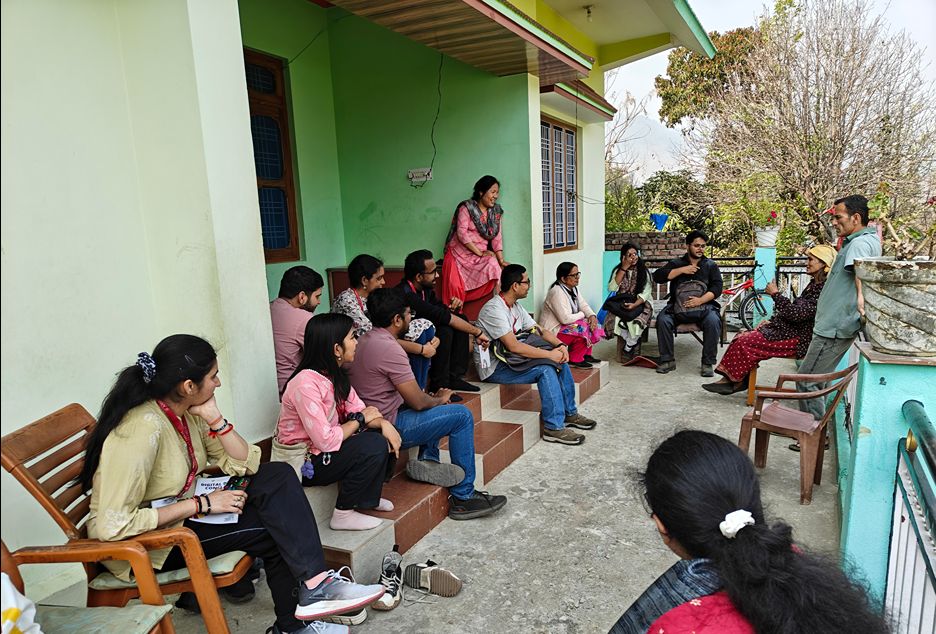
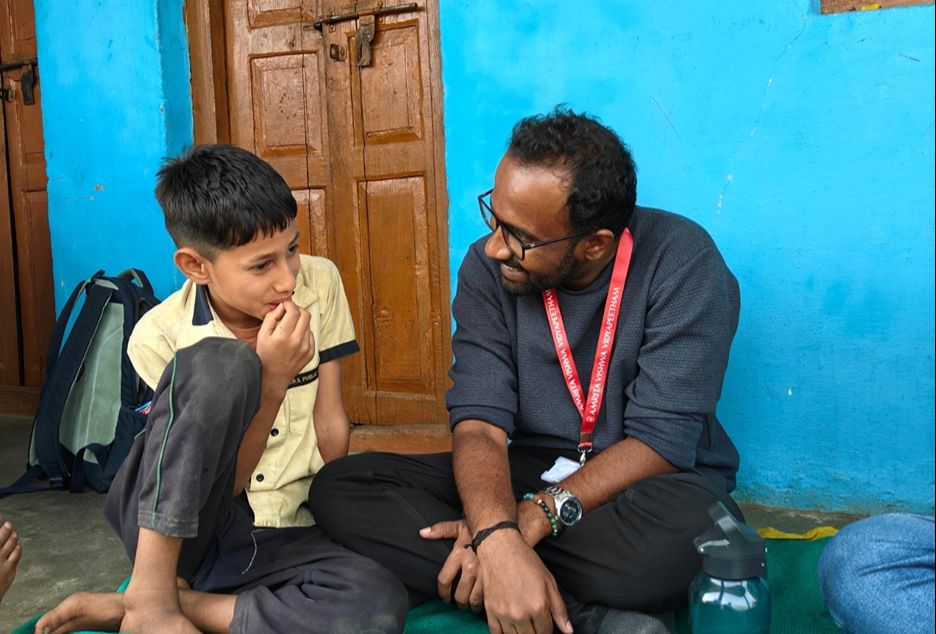
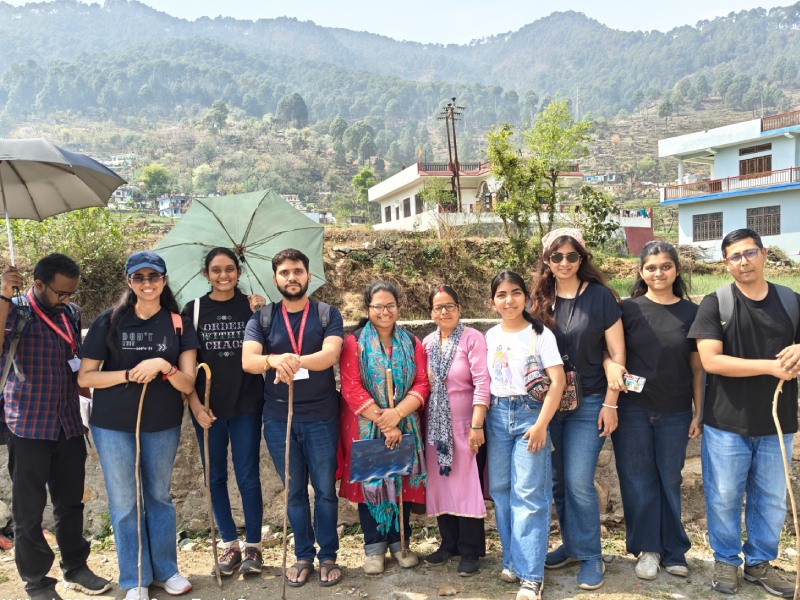
The students engaged directly with community members through household surveys, interviews, transect walks, focus group discussions and social mapping. These methods enabled them to examine not only sanitation practices, but also questions of dignity, safety, women’s participation, infrastructure, livelihoods, waste management and community institutions.
The early days of the immersion focused on understanding the physical and social landscape of Dunda. During transect walks, students observed the village’s terrain, agricultural practices, infrastructure, community spaces and sanitation conditions while interacting with residents and community organisers. These interactions helped students appreciate how local history, culture and community values shape the implementation and outcomes of public policy.
A particularly important dimension of the fieldwork was understanding sanitation beyond the provision of physical infrastructure. Conversations with women in Dunda highlighted how access to household toilets could influence safety, dignity, health and everyday decision-making. Students also documented the role of women’s Self-Help Groups (SHGs) and community awareness activities in supporting local mobilisation.
A comparative lens on rural development
The visit to Hithanu provided students with an opportunity to understand a community facing similar geographical challenges but without the same exposure to Amrita’s formal intervention programmes. Discussions with residents highlighted concerns related to road connectivity, water availability, sanitation and access to health facilities. The exercise demonstrated the importance of listening to communities when identifying policy priorities rather than relying solely on predetermined development indicators.
The field experience also reinforced the importance of ethical and context-sensitive research. Students encountered situations where respondents were unable to participate because of household responsibilities or time constraints. Rather than treating these as obstacles, the experience encouraged students to recognise that meaningful research must respect people’s agency and work within the rhythms of community life.
Mapping communities and understanding local systems
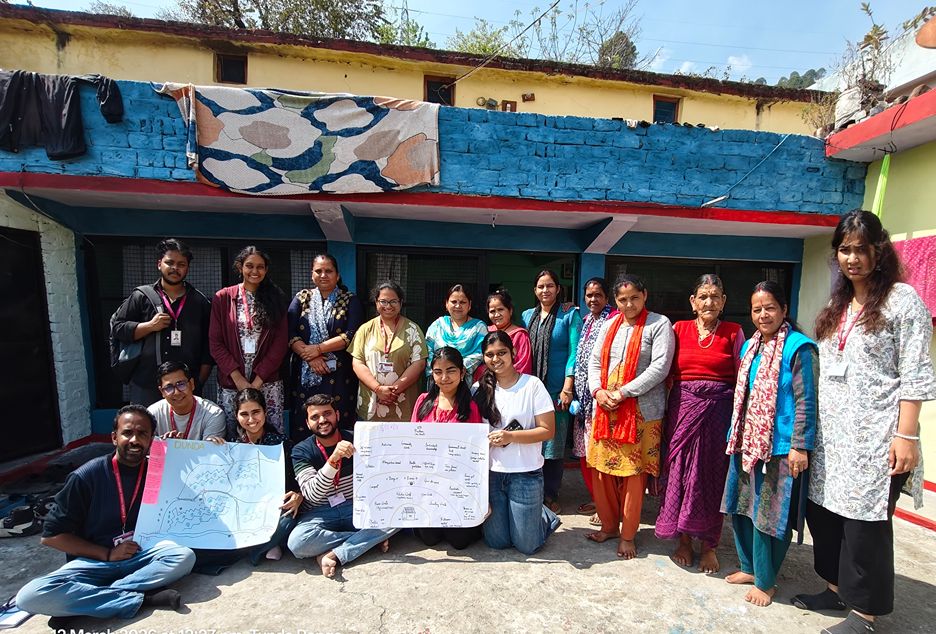
An important component of the immersion was social mapping. Students systematically documented roads, schools, temples, irrigation facilities, solar lights, government offices and other community resources. The exercise helped them understand the village not as a collection of isolated facilities, but as an interconnected social, economic, cultural and ecological system.
The final field activity involved a Focus Group Discussion with seven women from the community on waste management. The discussion generated more than 50 distinct responses and highlighted concerns about waste disposal and the need for stronger local mechanisms for maintaining cleanliness. Importantly, participants demonstrated awareness of waste segregation and the harmful effects of burning waste, while expressing willingness to participate in awareness campaigns and cleanliness initiatives.