AI Saathi Empowering the Transgender Community with AI Literacy and Digital Confidence
A 16-hour practical AI literacy programme by AMMACHI Labs, Amrita Vishwa Vidyapeetham, designed to introduce accessible, everyday applications of Artificial Intelligence through a phone-first, hands-on learning approach.
AI learning designed around real life
AI Saathi focused on practical digital confidence, helping participants explore tools they could use immediately in their professional and community activities.
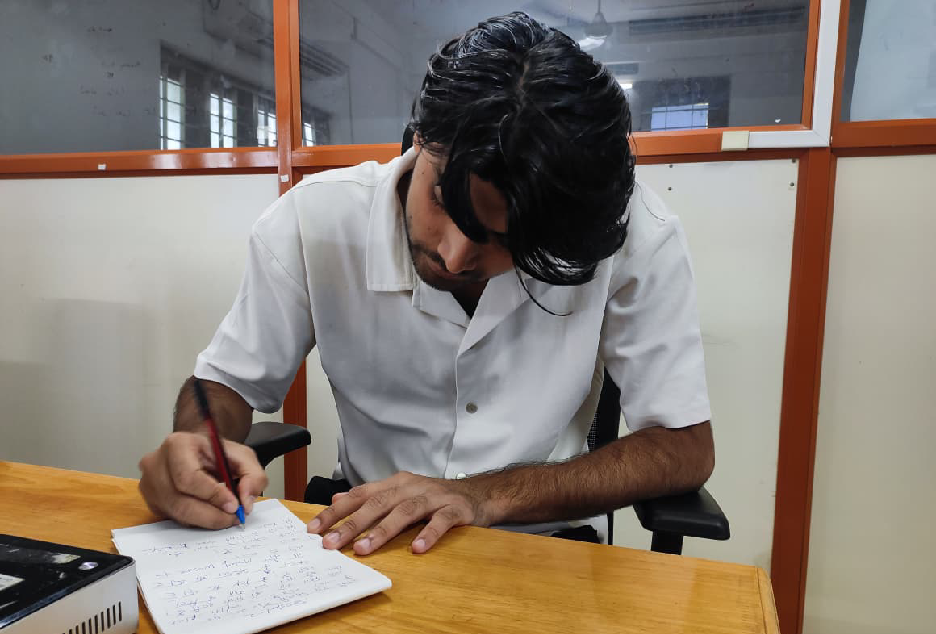
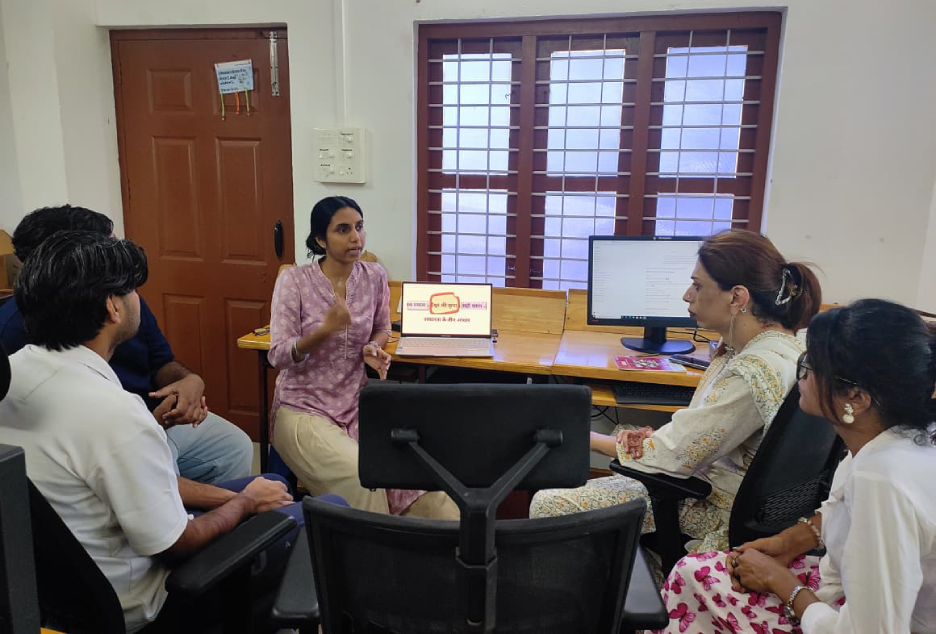
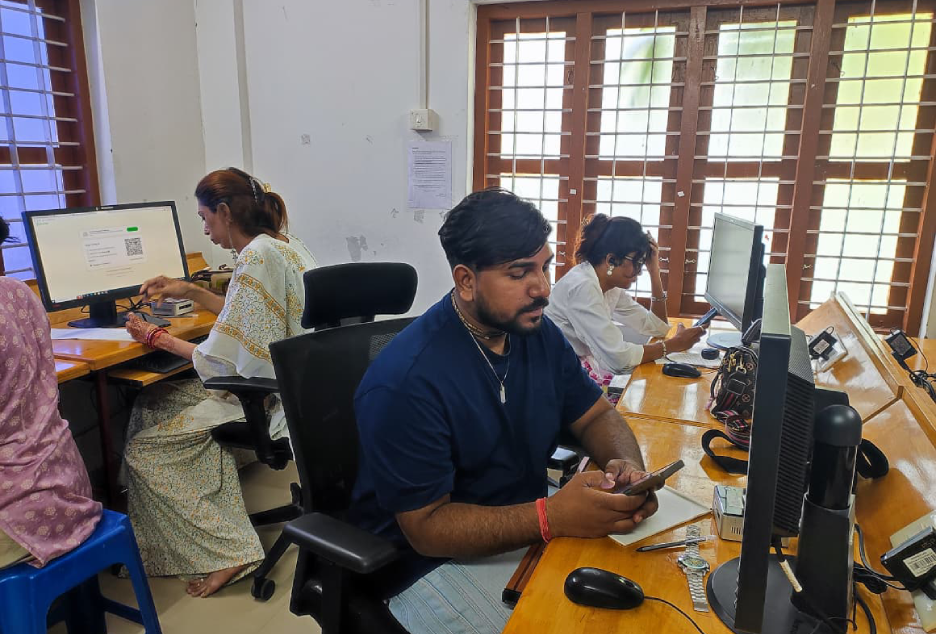
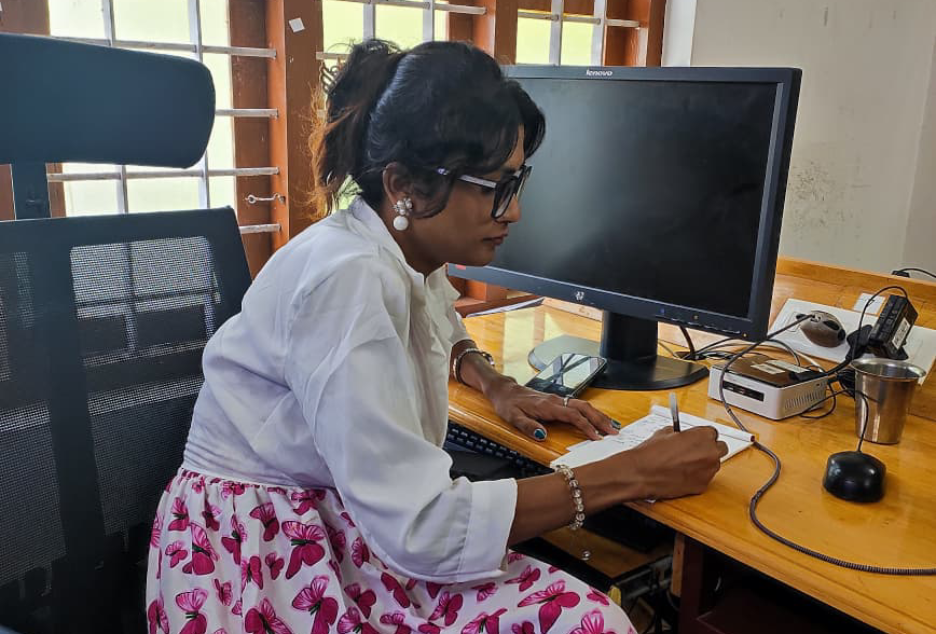
AI Saathi in Action
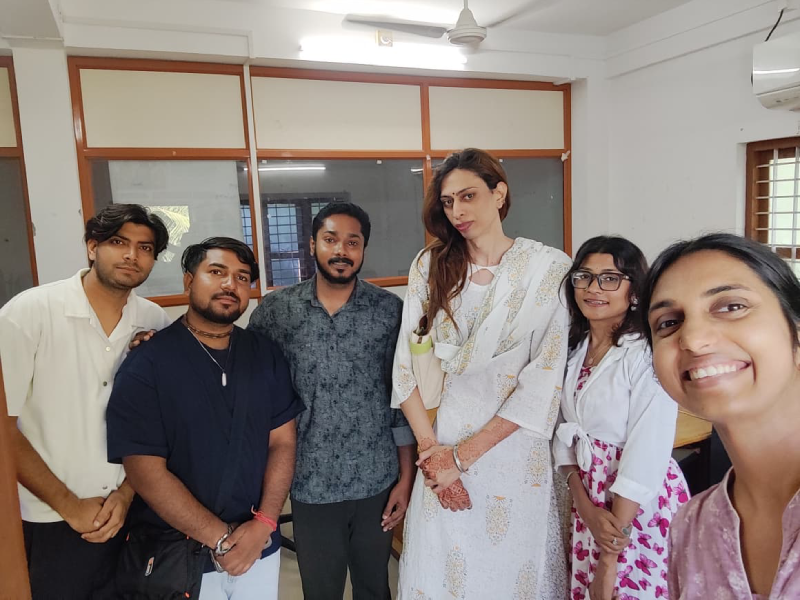
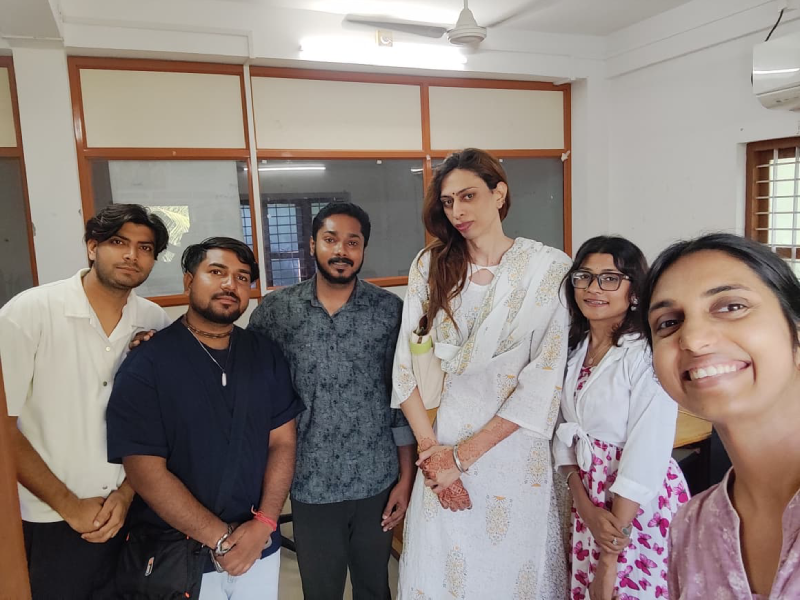
A glimpse into the hands-on learning, creative activities, collaboration and final showcase from the AI Saathi workshop.
Making AI accessible and practical:
AI Saathi was designed to make emerging digital tools more accessible to communities that are often underserved by conventional digital-skilling initiatives.
The pilot focused on four participants from the transgender community working in beautician and allied sectors. The programme explored how AI could support professional activities, communication, promotional work and community-related initiatives.
Rather than treating AI as a purely technical subject, AI Saathi focused on tools and activities that participants could immediately apply in everyday work.
Learning based on participants’ needs:
Before the programme began, the curriculum team conducted a needs and learner analysis with all four participants. The findings helped adapt the sessions to their existing experience, interests and practical constraints.
All participants owned smartphones and had some exposure to AI, but their levels of understanding varied. Some had already used ChatGPT and AI-assisted content creation, while others were encountering tools such as Canva for the first time.
The programme adopted a Core / Stretch approach, allowing participants with different levels of experience to learn at an appropriate pace.
Learning through practice:
An inclusive facilitation model:
The programme followed a buddy-based learning model, pairing participants with different levels of experience. This encouraged peer support and created opportunities for collaborative learning.
Buddy Pair
The facilitation approach incorporated visible ground rules and respectful, name- and pronoun-aware interaction from the beginning of the programme.
The programme also recognised participants’ existing professional commitments and shared timetables in advance. A mid-course goal-setting checkpoint was included to help participants who needed additional direction for their final projects.
What participants created:
Participants used AI tools to turn their ideas into practical communication materials. The posters below showcase selected outputs created during the programme.
Positive responses from the pilot
Certification & completion
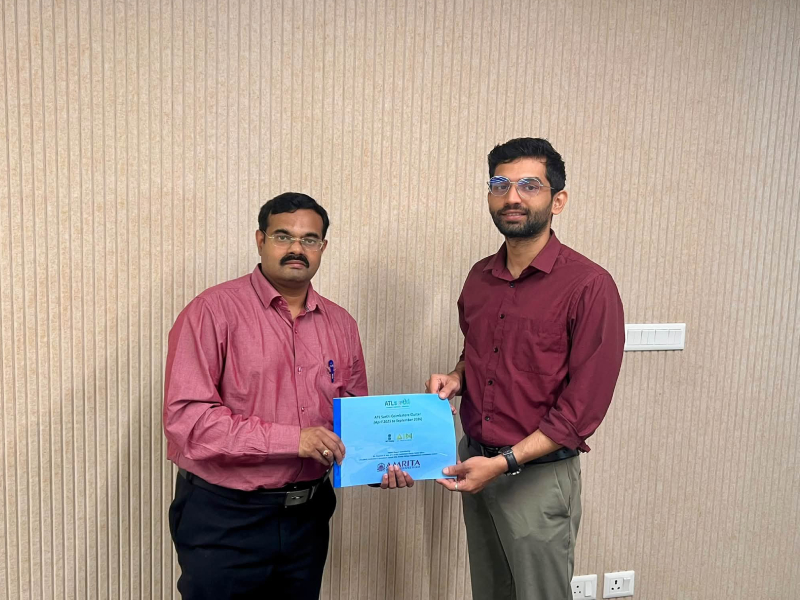
All four participants successfully completed the 16-hour programme and received Certificates of Participation.
The certificates were signed by Dr. Bhavani Rao R , Dean of the School of Social and Behavioural Sciences and Director of AMMACHI Labs and CWEGE.
Building on the pilot experience
The workshop experience informed recommendations for future batches of AI Saathi.