Programs
- M. Tech. in Automotive Engineering -Postgraduate
- 6-Week Short-Term Program: Discover India -Certificate
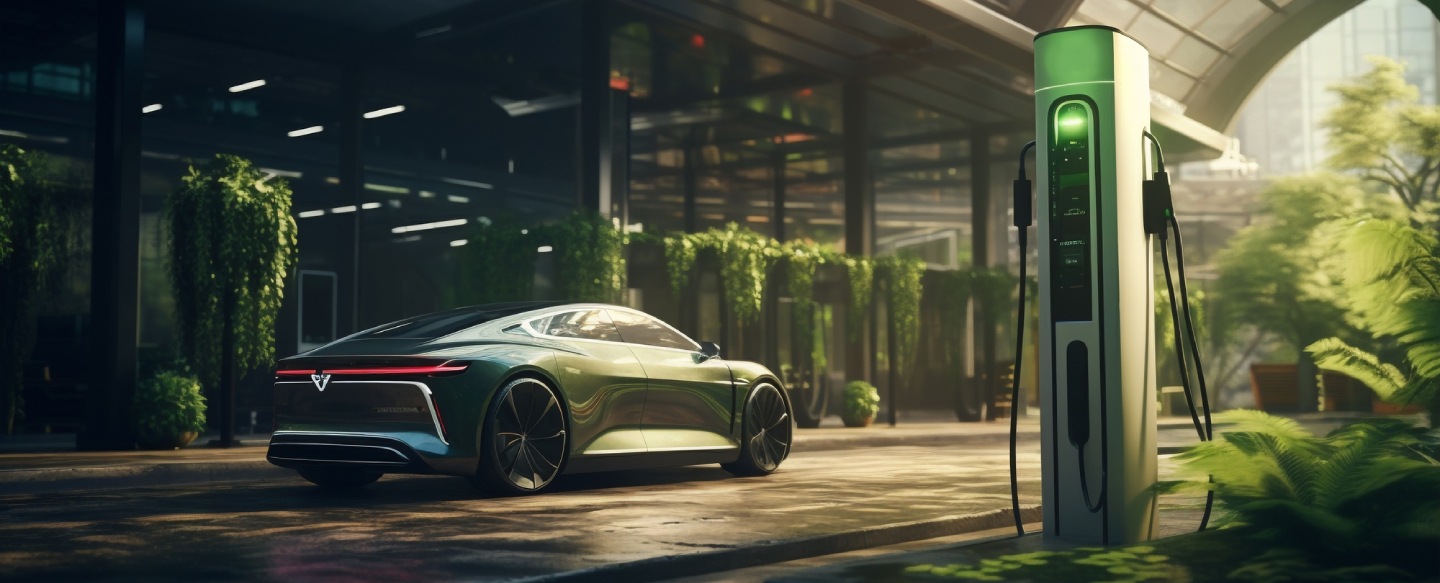
Architecting the Future of Sustainable & Intelligent Transportation
To be a premier catalyst for the global transition to green mobility by fostering a self-sustaining ecosystem of innovation. We envision a future where academia and industry converge to develop indigenous, cost-effective, and globally competitive electric vehicle technologies that ensure energy security and environmental sustainability.
The E-Mobility TAG is dedicated to pioneering a holistic EV ecosystem by addressing critical technological frontiers across the value chain. We are actively researching next-generation energy storage solutions, moving beyond traditional Lithium-ion to explore Sodium-ion chemistries, solid-state batteries, and sustainable circular economy protocols for battery recycling. Simultaneously, our work in power electronics focuses on high-efficiency Wide Bandgap (SiC/GaN) devices and magnet-free motor architectures to optimize drivetrain performance. To ensure seamless integration with the energy infrastructure, we are developing Vehicle-to-Everything (V2X) interfaces and wireless charging systems that stabilize grid loads. Finally, we underpin these physical innovations with intelligent mobility solutions, utilizing Digital Twins and AI-driven analytics to predict system health and enable the future of autonomous, connected electric fleets.


Amrita Vishwa Vidyapeetham, Bengaluru campus, successfully organized a six-day ATAL Online Faculty Development Programme (FDP) on “Advances in Electric Vehicles and Sustainable Energy Systems: Strategies, AI Applications, and Future Directions” from September 15 to 20, 2025. The programme was conducted by the Autonomous E-Mobility Centre, Department of Electrical and Electronics Engineering, Amrita School of Engineering, under the sponsorship of the AICTE Training and Learning (ATAL) Academy, as part of the thrust area Smart Cities & Mobility.
The FDP aimed to provide faculty members and researchers with advanced insights into electric mobility, renewable integration, and artificial intelligence–driven energy systems. A total of 202 participants from diverse academic and industrial backgrounds registered for the programme, and 170 participants successfully completed it. The inaugural ceremony, held on September 15, featured Group Captain S. Kalpana, Commanding Officer, Air Force Liaison Cell (BKP), as the Chief Guest, who emphasized the growing national need for sustainable mobility and green technology adoption. The session included a welcome address by Dr. Manitha P. V., Coordinator, followed by the Principal’s address by Dr. Sriram Devanathan, an introduction by Dr. Vidya H. A., Chairperson of the Department, and a vote of thanks delivered by Dr. Deepa K., Co-Coordinator of the FDP.
The six-day programme featured 13 expert-led sessions covering a comprehensive range of topics. The sessions were delivered by 13 distinguished experts from leading academic and industrial organizations, including IIM Bangalore, OPAL-RT Technologies, Tata Consultancy Services, Reliance Industries Ltd., University of Agder (Norway), University of South Eastern Norway, and Universiti Teknologi PETRONAS (Malaysia). Each talk combined theoretical depth with practical demonstrations, offering participants exposure to real-world simulation tools, charging-station management strategies, hydrogen-based systems, and AI-enabled control applications in electric vehicles.The six-day programme featured 13 expert-led sessions covering a comprehensive range of topics. These included,
The valedictory session, held on September 20, featured Mr. Srinivasa Rao Dangeti, Senior Director of Engineering, Honeywell, Bengaluru, who underscored the importance of industry–academia collaboration, digital-twin modeling, and AI integration for the advancement of sustainable transportation. The FDP concluded with highly positive feedback from participants, reflecting its success in enhancing academic expertise, fostering collaboration, and strengthening research directions in the field of electric vehicles and sustainable energy systems.
Dr. Manitha P. V., FDP Coordinator (pv_manitha@blr.amrita.edu), and Dr. Deepa K., Co-Coordinator (k_deepa@blr.amrita.edu), extended sincere gratitude to AICTE and the ATAL Academy for their support and to all resource persons and participants for their active engagement.