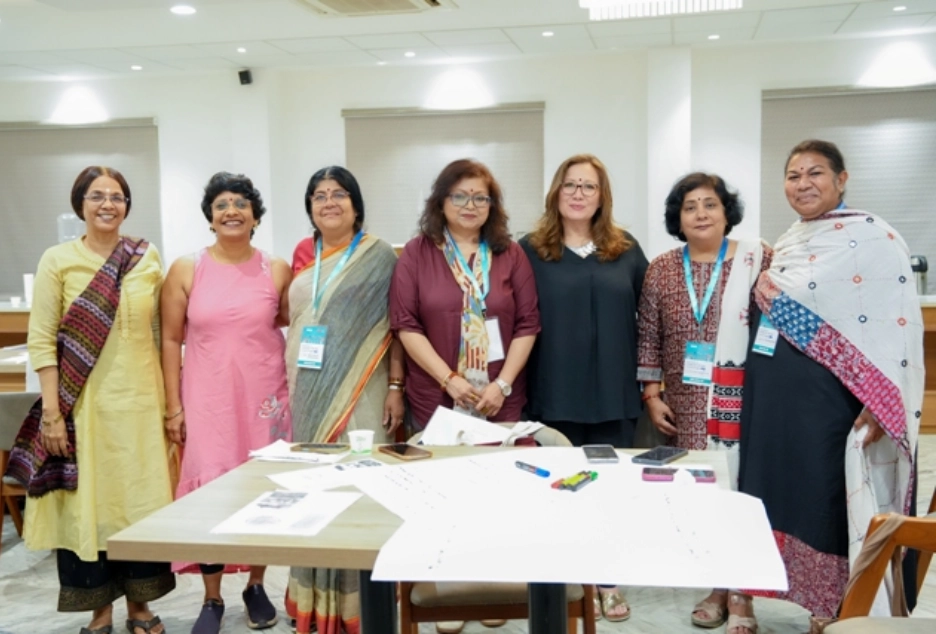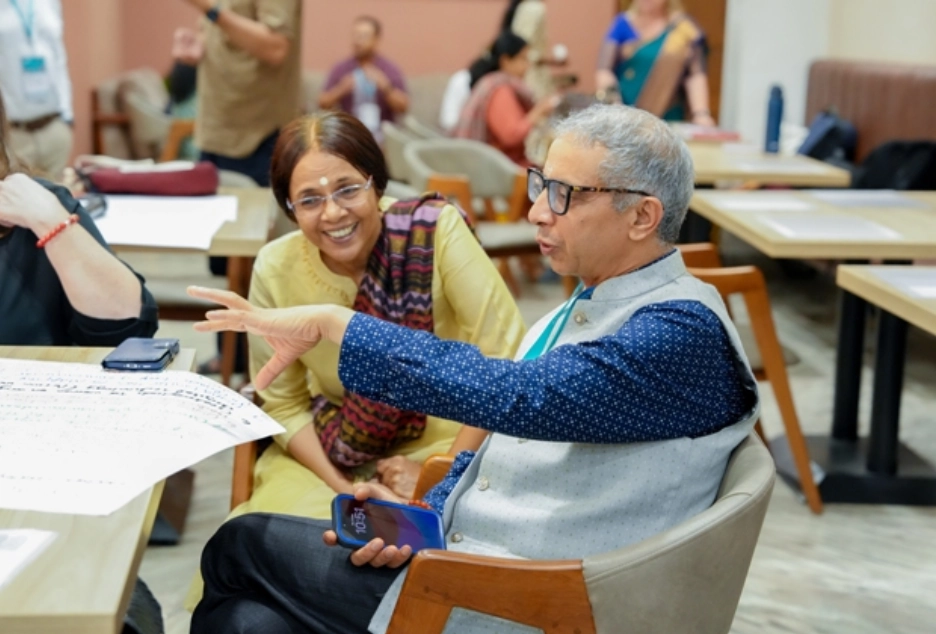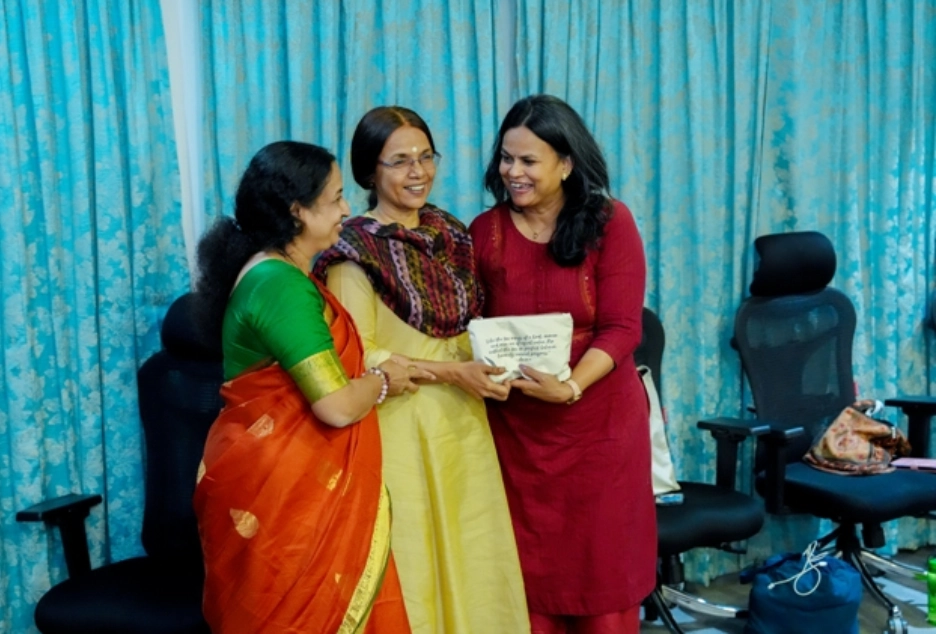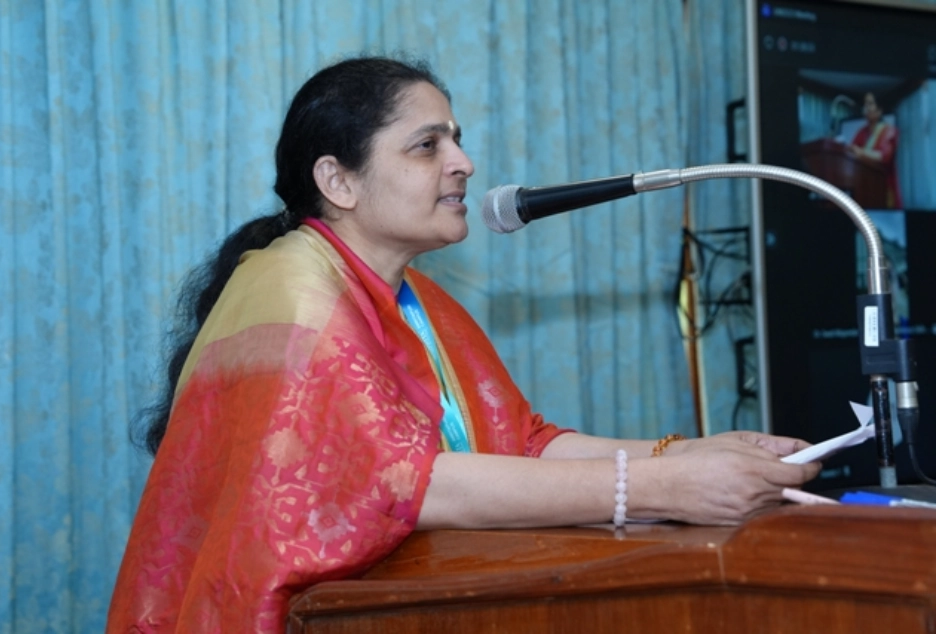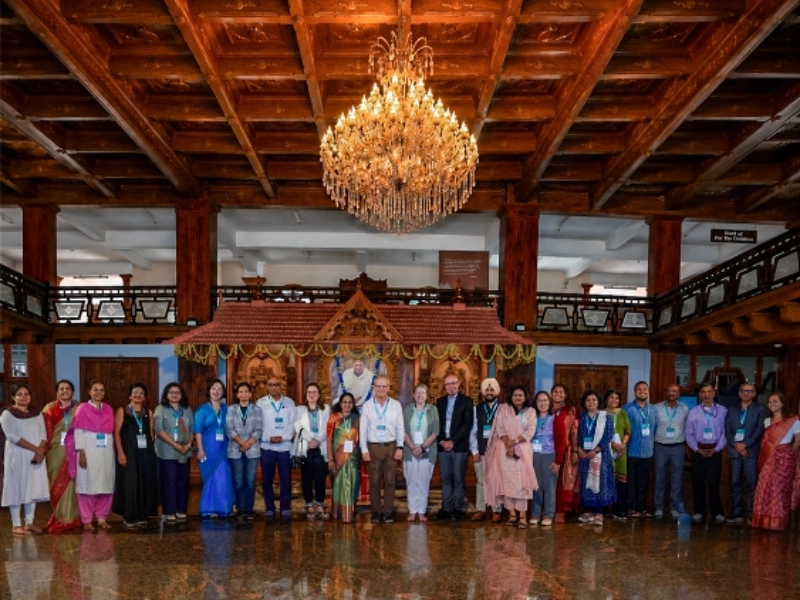
UNESCO Chair holders, policymakers, and international representatives from across South Asia convened at Amrita Vishwa Vidyapeetham for the UNESCO Chair Roundtable South Asia 2026, held at the university’s Amritapuri campus in Keralam.
The gathering served as an important platform for regional cooperation, interdisciplinary dialogue, and collaborative action towards sustainable and inclusive development.
Amrita Vishwa Vidyapeetham, home to three UNESCO Chairs, hosted the roundtable as part of its continued commitment to global academic collaboration and social impact initiatives.
Regional Dialogue & Strategic Collaboration
The roundtable brought together UNESCO Chairs from across South Asia, offering participants an opportunity to engage directly with UNESCO leadership and gain deeper insight into the organisation’s strategic priorities and programme directions for 2026–2027.
The discussions highlighted the importance of aligning institutional initiatives with UNESCO’s broader global goals while fostering collaborative approaches to address emerging societal challenges.
The meeting was led by Tim Curtis, alongside Jaco Du Toit and Sue Vize. UNESCO sector specialists including Jadav Sarita, Joyce Poan, Eunsong Kim, Ma’aly Hazzaz, and Dr. Neha Midha also participated in the sessions, along with Prabhjot Singh.
Participants engaged in discussions on some of the most pressing global and regional issues shaping society today, including environmental sustainability, digital transformation, youth engagement, cultural diversity, gender equality, and biodiversity conservation.
These themes strongly resonated with the ongoing work of UNESCO Chairs across the region and opened avenues for future collaboration, knowledge exchange, and joint initiatives.
The roundtable further reinforced the role of UNESCO Chairs as catalysts for interdisciplinary research, innovation, and community engagement.
Delegates highlighted the importance of collective action and partnership-driven approaches in addressing complex social and developmental challenges.
“Collaboration grounded in compassion, shared responsibility, and collective action can create transformational impact at scale.” — Mata Amritanandamayi Devi (Amma), Chancellor, Amrita Vishwa Vidyapeetham
The interaction with the Chancellor further enriched the dialogue and strengthened the spirit of cooperation among participating institutions and UNESCO representatives.
The UNESCO Chair Roundtable South Asia 2026 concluded with renewed commitment towards deeper engagement, continued partnerships, and advancing impactful initiatives aligned with UNESCO’s vision for sustainable and inclusive development.