Based on the UN Sustainable Development Goals, the University was also ranked No. 1 in India for Industry, Innovation & Infrastructure, and placed in the Global Top 25 for five more SDGs.
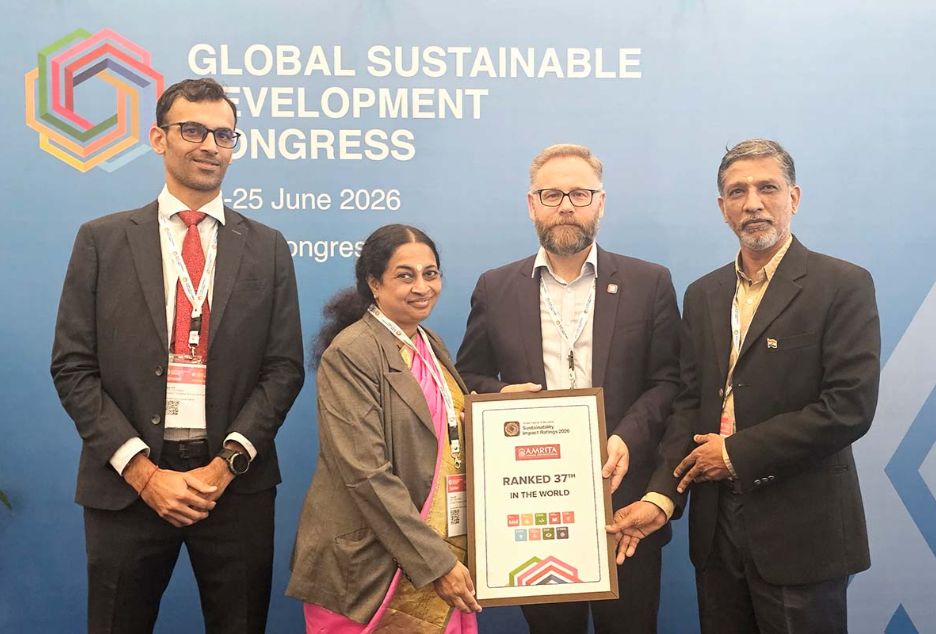
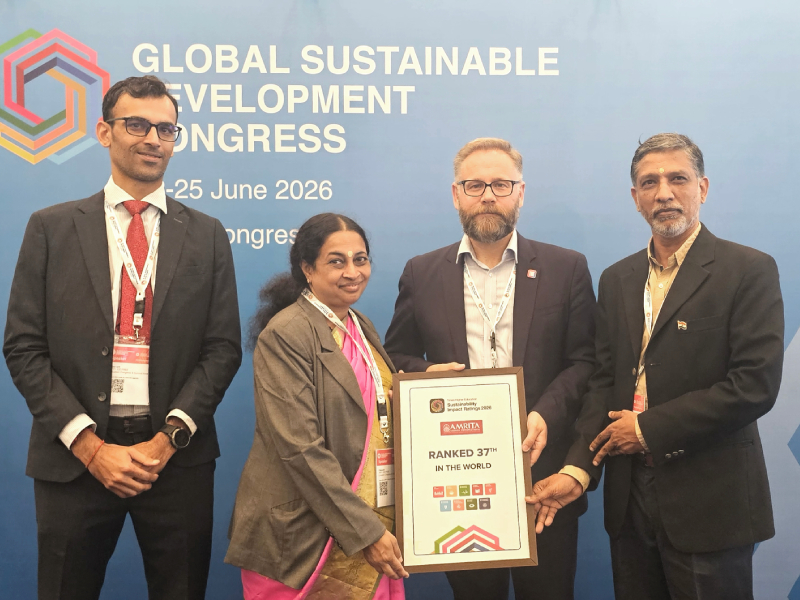
Amrita Vishwa Vidyapeetham has made an outstanding achievement with its overall global standing of 37 in the Times Higher Education (THE) Sustainability Impact Ratings 2026. This prestigious assessment is the world’s only performance table that evaluates how universities are working towards realising the United Nations’ 17 Sustainable Development Goals (SDGs).
The University was among the 1,646 institutions from 116 countries and regions to take part, with the rankings announced today at the Global Sustainable Development Congress 2026 in Jakarta, Indonesia.
Unlike other world rankings, the Sustainability Impact Ratings go beyond measuring universities and researchers via funding, publications, and intellectual caliber. Instead, they assess how staff and students are integrating the UN SDGs into teaching, research, operations, and practical action within communities.
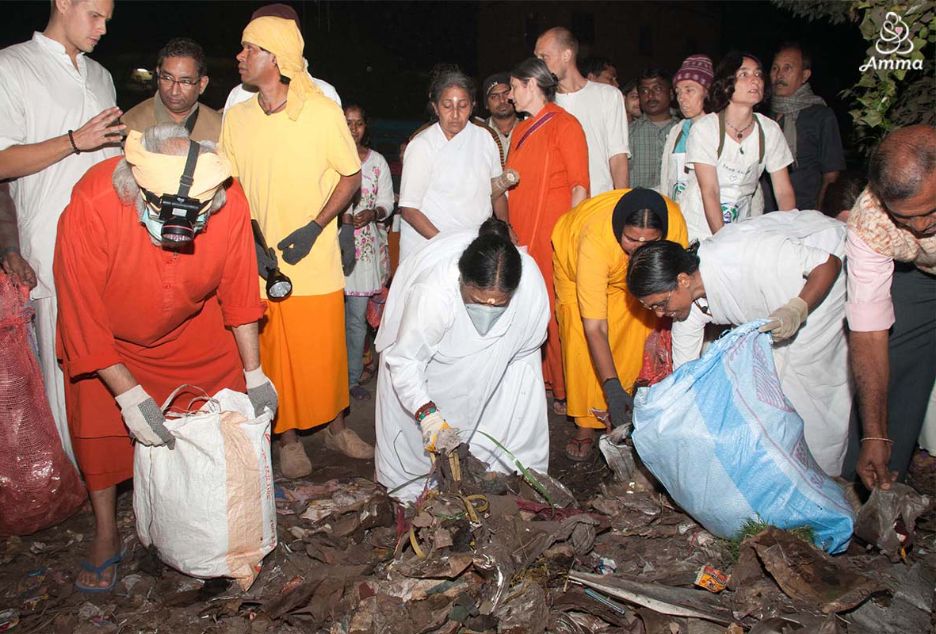
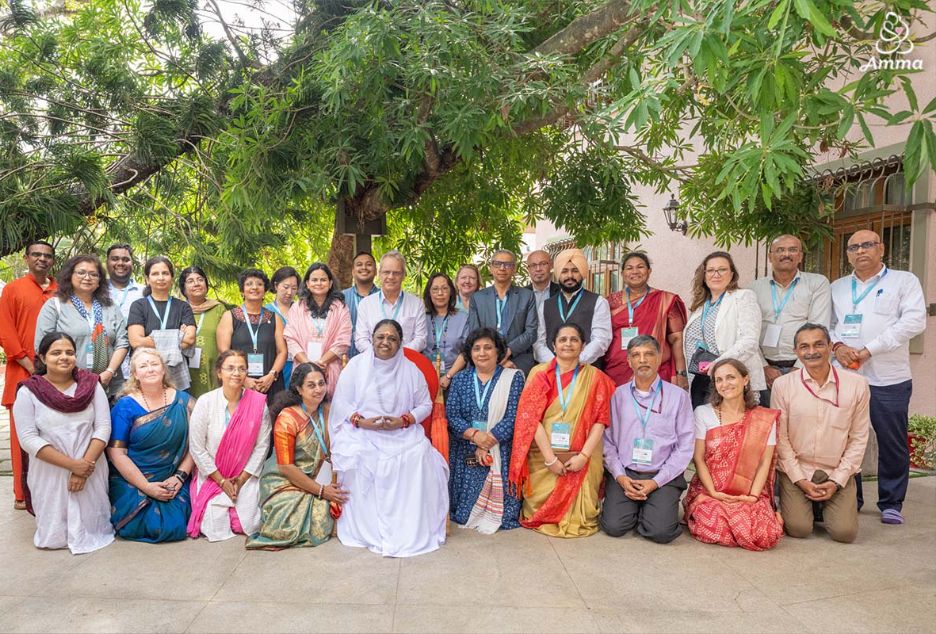
The ranking is a reflection of Amma’s guiding light as Chancellor. Built upon her vision of compassion-driven research, Amrita unites scientific rigour with spiritual knowledge. The result is concrete humanitarian initiatives across rural India that uplift people who are suffering, and inspire selfless service within the hearts of students and faculty.
“We should also consider how much we have been able to use research to serve the lowest and most vulnerable strata of society. This will make our impact more comprehensive and meaningful. In our approach to sustainable development, we should not forget that it is by strengthening the people at the base of the pyramid that the entire edifice of society becomes healthy and strong,” expressed Amma.
The impact of Amrita’s work towards this goal is powerfully demonstrated by its additional ratings this year. Globally, it placed in the Top 25 Worldwide for five SDGs—Quality Education (SDG 4), Gender Equality (SDG 5), No Poverty (SDG 1), Clean Water & Sanitation (SDG 6), and Affordable & Clean Energy (SDG 7).
The University is also among the Top 50 Worldwide for two more SDGs, Climate Action (SDG 13) and Industry, Innovation, and Infrastructure (SDG 9), for which it was also No. 1 in India.
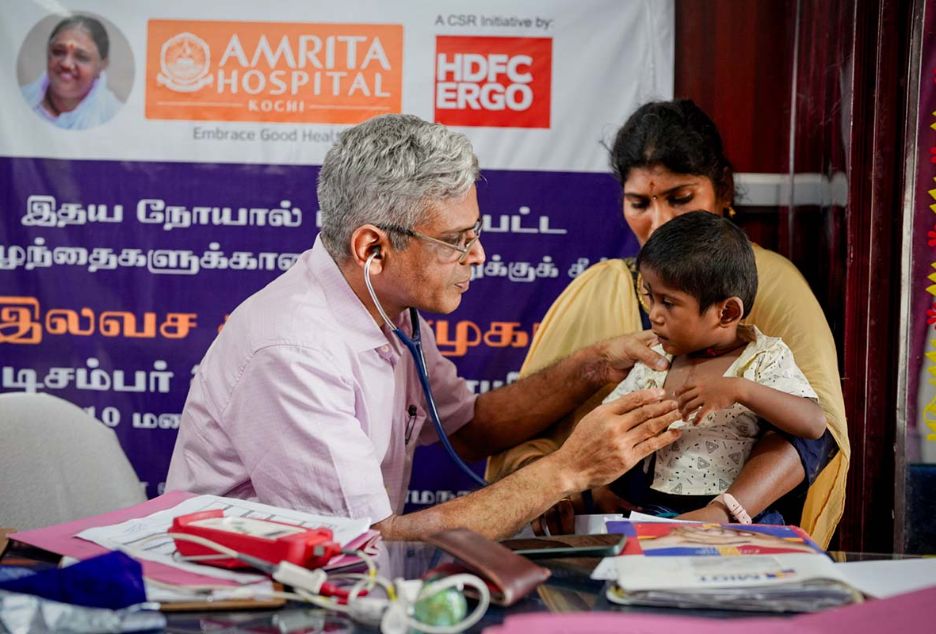
As well, the University achieved a Top 100 placement for Good Health and Well-being (SDG 3) and reached the top 200 for Zero Hunger (SDG 2) and Partnerships for the Goals (SDG 17).
Formerly the THE Impact Rankings, another milestone took place for Amrita. It is the first time it was featured in the SDGs for No Poverty, Zero Hunger, and Affordable & Clean Energy.
The University’s recognition across 10 of the 17 SDGs is more than just numbers. Behind each action transformations take place—within the minds of the students who serve, and in the lives of the people they reach.
Dr. Maneesha V. Ramesh, Amrita’s Pro Vice-Chancellor, and Dean, School for Sustainable Futures, emphasized this alignment between the university’s values, its practical work on the ground, and this global recognition.
“This year’s rankings affirm a conviction that has guided our work for years: technology earns its worth only when it reaches the people who need it most,” explained Dr. Ramesh.
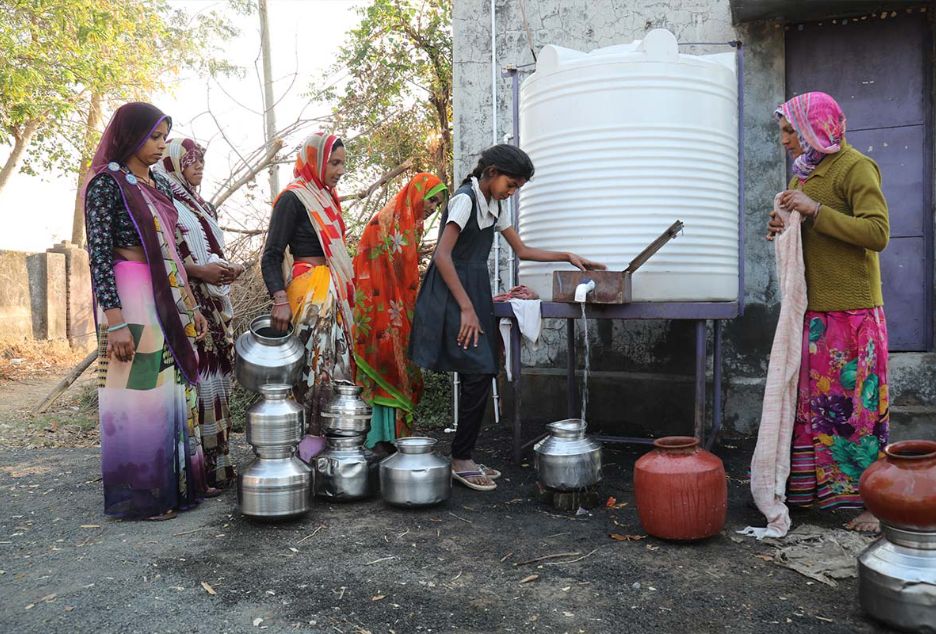
“From early-warning systems in landslide-prone hills to clean water in remote villages, we measure our research not by where it is published, but by the lives it safeguards. Through our outreach in 2,800 villages across India, we demonstrate that real impact comes from translating research into solutions that improve lives.”
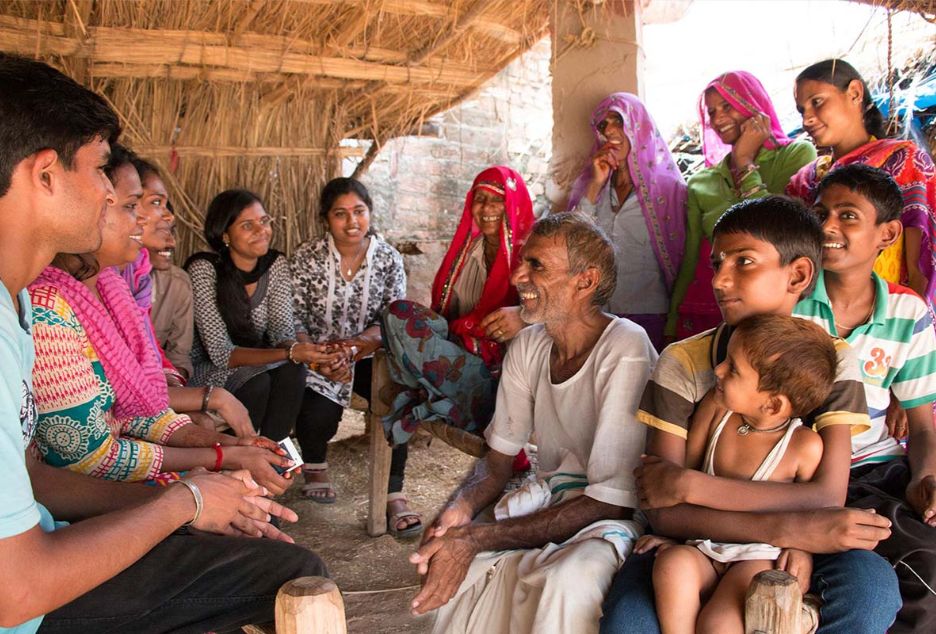
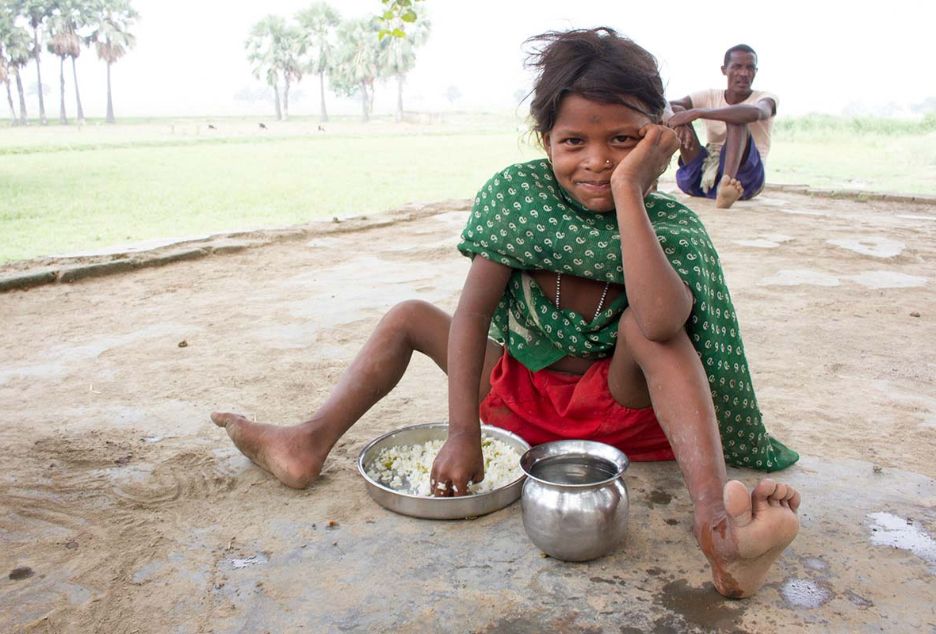
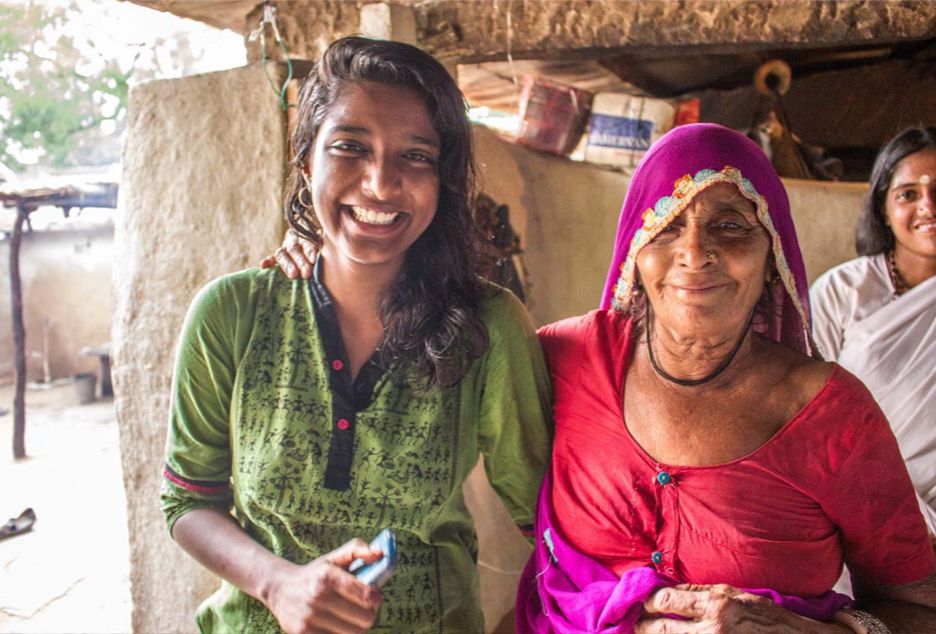
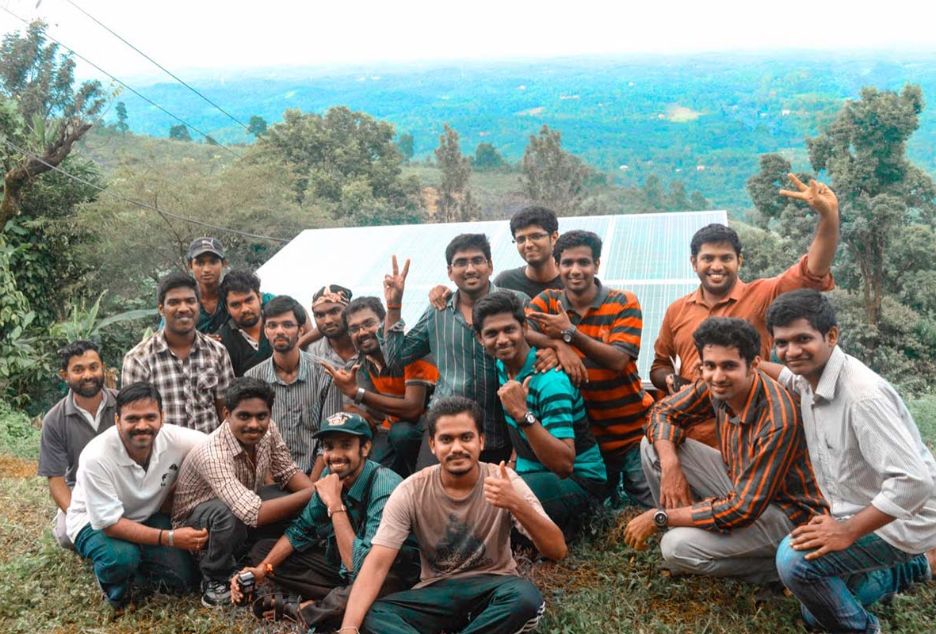
The foundation of Amrita’s rankings is the University’s Live-in-Labs—a unique program born from her deep compassion to bring solace to the suffering of India’s rural poor. Students with Amrita and over 30 international universities travel to some of the most impoverished villages across 25 states.
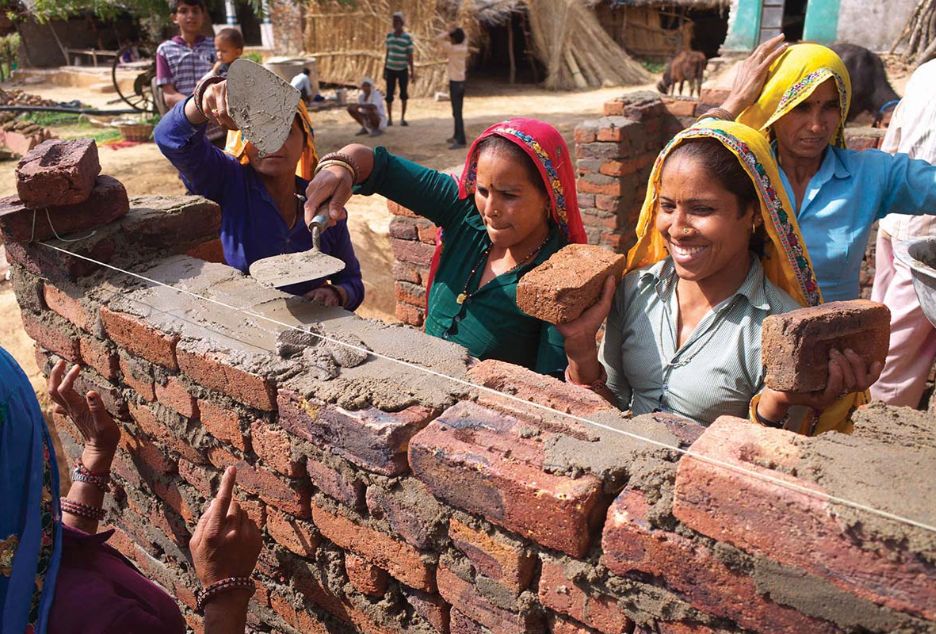
This allows them to truly understand the hardships faced—shortages of food, clean water, healthcare, education, sanitation, and electricity. Working hand-in-hand with communities, students design and implement practical, affordable, and sustainable projects aligned with the UN SDGs.
As Dr. Venkat Rangan, Amrita’s Vice-Chancellor shared, “The true measure of a university lies not in the knowledge it creates, but in whom that knowledge serves. This ranking validates what Amma has always taught us—that compassion and rigorous research must walk hand in hand. We are honoured that this global recognition reflects our commitment to transforming lives in villages across India.”
Overall, the 2026 Sustainable Impact Ratings demonstrate how Amrita’s reach extends far beyond its campuses and into the lives and futures of communities who live with great challenges. It is a reminder that true education is not something to be studied, but something to be experienced.