Advancing South-South collaboration, the UNESCO Chair on Assistive Technologies in Education joins three partner chairs for its first joint coordination meeting
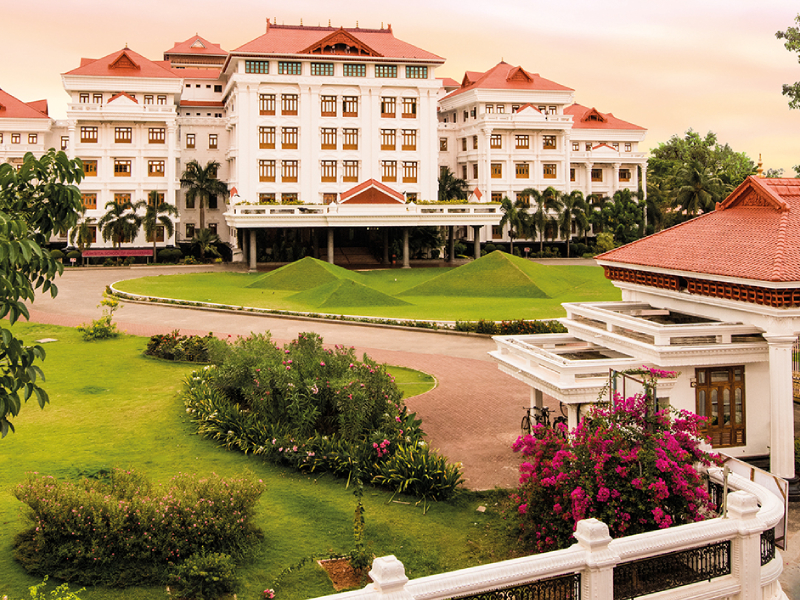
On June 5, 2026, the UNESCO Chair on Assistive Technologies in Education at Amrita Vishwa Vidyapeetham participated in its first formal collaborative meeting with three other UNESCO Chair institutions in India — marking a meaningful step in cross-institutional partnership around indigenous communities, knowledge systems, and inclusive development.
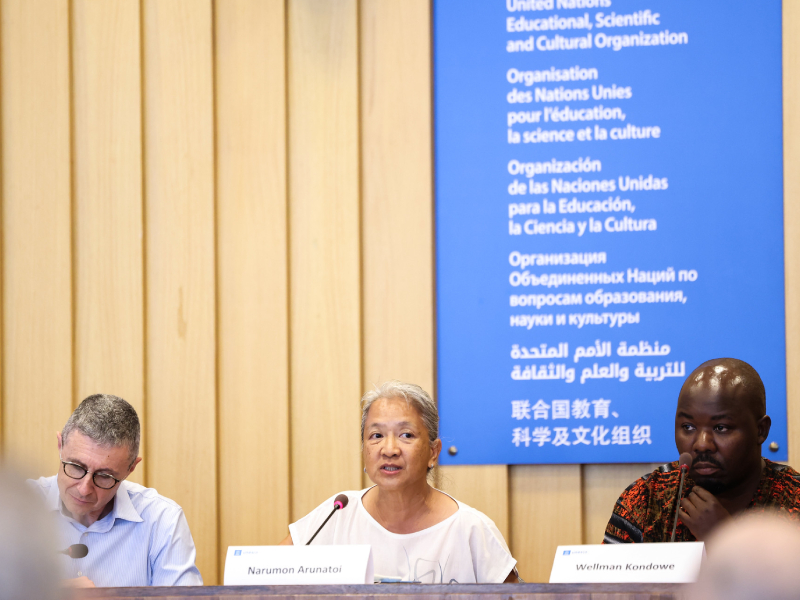
The virtual meeting was convened by Dr. Raghu Raman, Co-Chair at Amrita, and brought together representatives from four UNESCO Chairs,
The meeting focused on planning a two-day symposium to commemorate the International Day of the World’s Indigenous Peoples, observed annually by the United Nations on August 9. The symposium, titled “Symposium on Indigenous Peoples, Health and Knowledge Systems” will be held on August 8–9, 2026, at the Institute of Tribal Studies and Research (ITSR), Sultan Bathery, Wayanad, Keralam.
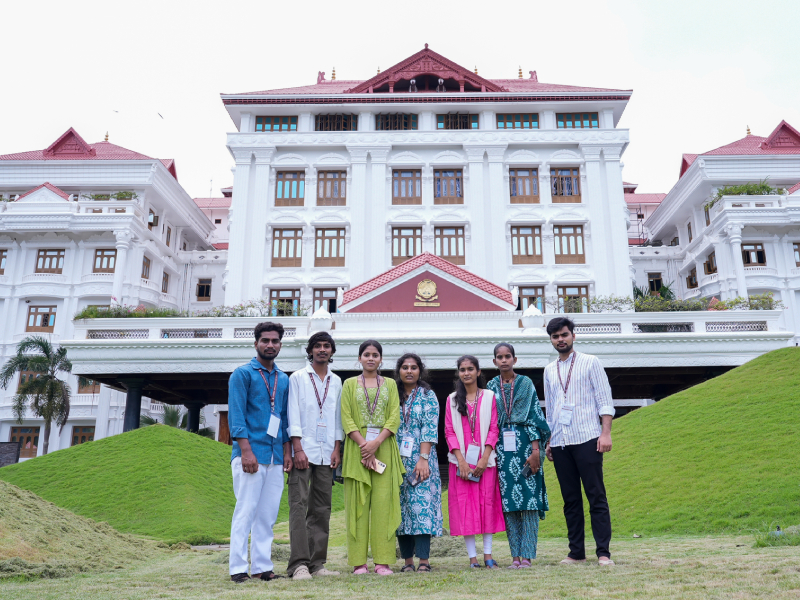
Wayanad is home to some of India’s most significant scheduled tribe populations, and ITSR — an institution dedicated exclusively to higher education for indigenous students — provides a deeply meaningful setting for such an event. The campus hosts 180 indigenous students and a seminar hall large enough to accommodate the full expected gathering of 225–250 participants, including external scholars, practitioners, and policymakers.
Event Outline
The event will be held in a hybrid format — in-person at ITSR with online participation — structured around four thematic sessions, each led and coordinated by one of the four UNESCO Chairs. Rather than an open call for papers, sessions will feature curated keynote addresses, expert panels of four to five participants, and presentations by select students and young PhD scholars.
A major highlight of the event will be the presence of Dr. Sanghamitra Pati, Additional Director General of the Indian Council of Medical Research (ICMR), who will serve as Chief Guest of the event. Dr. Pati has previously served as the Director of the Regional Medical Research Centre (RMRC), Bhubaneswar from August 2016 – December 2024, where she led critical COVID-19 serosurveillance studies across Odisha, Chhattisgarh, and Jharkhand, and was instrumental in co-developing the first ‘Make in Odisha’ rapid Antigen kit for COVID-19 diagnosis. Her research expertise centres on multimorbidity, health system strengthening, and the interplay between infectious diseases and NCDs. She conducted the first study on multimorbidity in primary care settings in any low- and middle-income country, and has been listed among the top 2% scientists globally in 2022, 2023, and 2024.
The symposium will also host the launch of two publications: INDIGENOUS, a journal developed under the leadership of the UNESCO Chair on Indigenous Cultural Heritage and Sustainable Development, and the Community Radio Handbook developed under the guidance of the UNESCO Chair on Community Media.
Recognising that indigenous knowledge is lived as much as it is studied, the programme will include a field immersion visit designed to introduce participants to local indigenous communities, cultural practices, and knowledge traditions. Cultural performances by indigenous students are also planned.
This collaboration will extend the Chair’s work on inclusive education and digital accessibility into the specific contexts of indigenous and tribal communities, while also directly advancing one of the Chair’s core objectives: promoting South-South collaboration and knowledge dissemination by bringing together institutions across India to address shared challenges.