



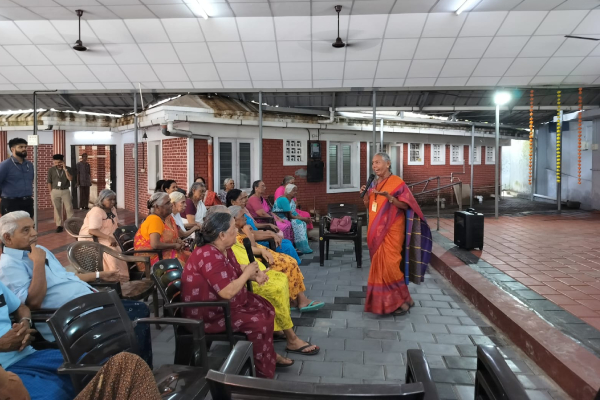
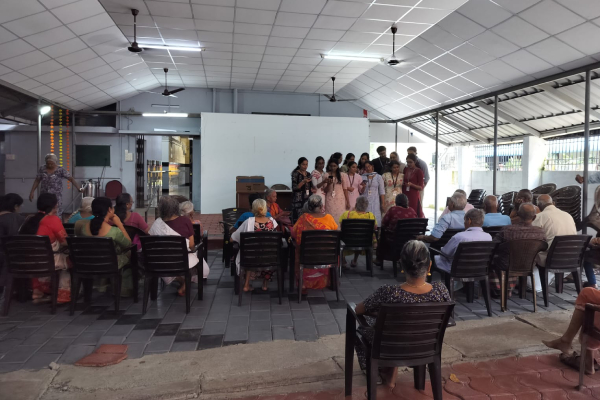
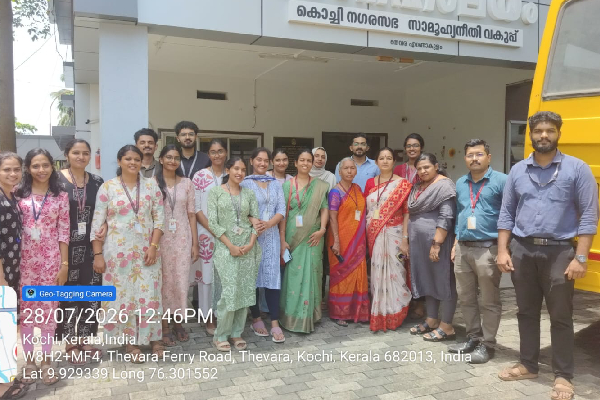
Pharm.D. interns (2020 batch) of Amrita School of Pharmacy visited Government Old Age Home, Thevara, on 28th July 2026. The program was organized by the Department of Pharmacy Practice as part of the School’s social responsibility and community engagement initiatives. The primary objective of the visit was to promote social responsibility among Pharm.D. interns, encourage meaningful interaction with the elderly, and understand the health and psychosocial needs of geriatric residents.
During the visit, the team interacted with inmates residing at the old age home. They spent quality time with the residents through informal conversations, listening to their life experiences, understanding their day-to-day challenges, and providing emotional support and companionship. The visit also served as a valuable experiential learning opportunity for the interns by enhancing their awareness of geriatric care, empathy, communication skills, and the importance of patient-centered and compassionate healthcare.
The Department of Pharmacy Practice organized a four-day Internship Orientation Program for Pharm.D. 2021 batch from 22nd to 25th July 2026. The program provided comprehensive academic orientation, clinical exposure, and professional guidance to the interns before the commencement of their internship training and included academic sessions delivered by medical clinicians, clinical pharmacists, faculty members from the Department of Pharmacy Practice, and outgoing Pharm.D. Interns.
The expert sessions covered diverse clinical and professional topics including principles of prescribing in the elderly, introduction to the Pharm.D. internship program, antiepileptic drug management, molecular targets and targeted therapies in oncology, diabetes mellitus management, immunosuppression in organ transplantation, chest pain management, materiovigilance, precision pharmacovigilance and pharmacogenomics, neonatology, anticoagulant therapy, antimicrobial stewardship, intensive care orientation, respiratory medicine, inhalation techniques, medication dose calculations, intravenous drug compatibility, and specialty-specific orientation to various clinical departments. These sessions provided the interns with valuable insights into evidence-based clinical practice and their responsibilities during hospital postings.
The program effectively equipped the interns with essential clinical knowledge, practical insights, professional competencies required for patient-centred pharmaceutical care, strengthened their clinical knowledge, enhanced their practical understanding, and fostered the professional skills and confidence required to contribute effectively to patient-centered pharmaceutical care during the internship.
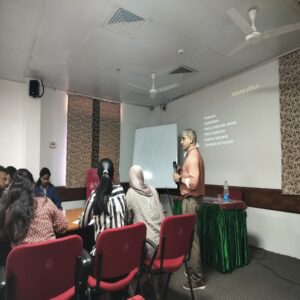
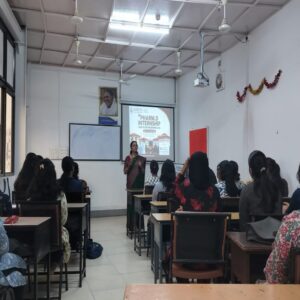
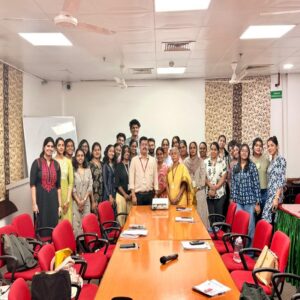
Dr. Nibu Parameswaran Nair, Adjunct Lecturer and Research Fellow in the School of Pharmacy and Pharmacology, University of Tasmania and a practicing Clinical Pharmacist in an Australian Government Hospital delivered a guest lecture on “Identifying and Managing Medication-Related Problems: Thinking Like a Safety Clinician” on 01st April 2026 at Amrita School of Pharmacy.
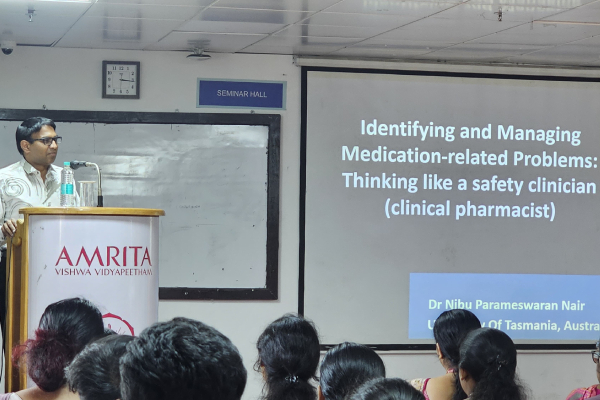
The lecture highlighted the comprehensive role of clinical pharmacists in managing polypharmacy, with emphasis on identifying and resolving medication-related problems, preventing and monitoring adverse drug reactions, and optimizing therapeutic outcomes. A detailed case study of an elderly patient with multiple comorbidities, including dementia, hypertension, and recurrent falls, was discussed to illustrate real-world challenges in medication review and de-prescribing. Additionally, he introduced the PADR-EC scoring system to assess patient risk based on factors like recent drug changes, renal function, cognitive impairment, antihypertensive burden, and anticholinergic use.
Overall, the session emphasized the importance of clinical judgment, patient-centered care, and structured tools in optimizing pharmacotherapy in geriatric patients with polypharmacy and was attended by 4th & 5th year Pharm.D students and M.Pharm (Pharmacy Practice) students.
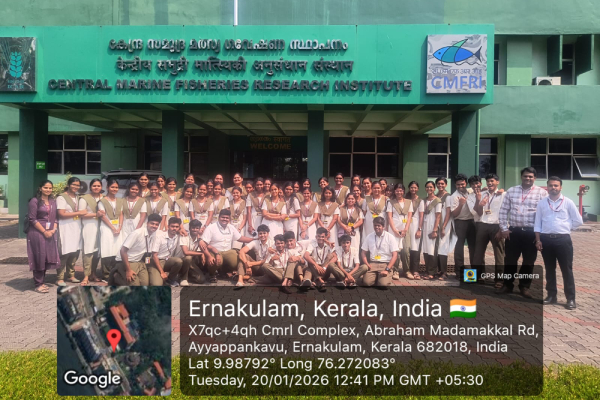
On 20th January 2026, as part of their academic curriculum, the students of B.Pharm 2024 Batch of Amrita School of Pharmacy visited the Central Marine Fisheries Research Institute (CMFRI), Kochi, to gain practical insight into marine research and fisheries management. The session was led by Dr. Vipin, who explained the institute’s establishment in 1947 under the Indian Council of Agricultural Research (ICAR) and its major research areas, including marine biodiversity, aquaculture, climate change, and sustainable fisheries. A short documentary on CMFRI’s seven-decade journey highlighted milestones such as mariculture advancements and its contribution to India’s Blue Revolution. The students also learned about CMFRI’s extensive national network of research centres supporting studies along India’s 8,118 km coastline.
The visit to the Marine Biodiversity Museum was particularly enlightening. The museum houses over 3,000 preserved marine specimens, including deep-sea organisms, sharks, rays, rare shells, corals, and holotype collections of scientific importance. Exhibits such as the Mermaid’s Purse (shark egg cases), Horseshoe crab, and giant clam shells enhanced our understanding of marine life and conservation needs.
“The visit strengthened our knowledge of marine ecosystems, emphasized the importance of sustainable fisheries, and helped us appreciate CMFRI’s vital role in marine research and community welfare,” said Melba Anna Biju, student of B.Pharm 2024 batch.
The students of the B.Pharm Second Semester (2025 Batch) of Amrita School of Pharmacy visited the Pharmacy Department of Amrita Hospital, Kochi on 17th January 2026 as part of their academic curriculum. The objective of the visit was to understand the functioning of a hospital pharmacy in a large multi-specialty healthcare setup and to observe the various responsibilities carried out by hospital pharmacists on a daily basis.
The visit included pharmacy main store, inpatient pharmacies, outpatient pharmacies, and speciality pharmacies.
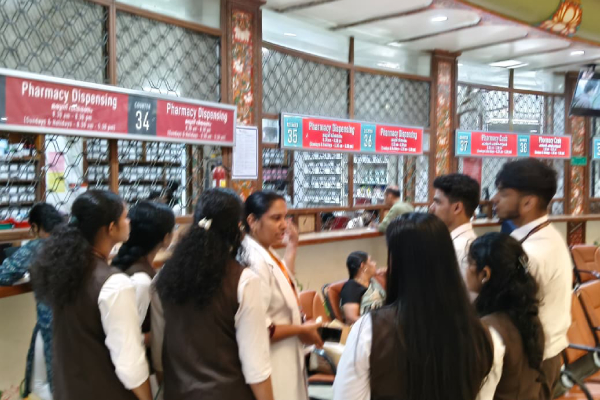
The students were first taken to the pharmacy main store, which supplies medicines to 28 pharmacies across different hospital blocks. The store maintains approximately 15 days of stock to ensure uninterrupted availability of medicines. Drugs are stored in a systematic and well-organized manner and are categorized as high-value and low-value items for better inventory control. Special precautions are taken while handling LASA (Look-Alike, Sound-Alike) medicines. Look-alike drugs are identified with pink labels, and sound-alike drugs are marked with yellow labels to minimize the risk of dispensing errors. The students were also introduced to the pharmacy software system used for raising indents, monitoring stock levels, tracking expiry dates, and maintaining accurate medicine records.
The visit then continued to the inpatient pharmacy, which operates 24 hours a day to meet the needs of admitted patients. It processes more than 2000 bills daily and ensures a continuous supply of medicines to wards and critical care units. Medicines are dispensed through a dedicated software system that integrates patient details, prescriptions, and billing information. Strict standard operating procedures (SOPs) are followed to maintain safety, accuracy, and accountability in dispensing.
Subsequently, the students visited the outpatient pharmacy, which serves patients from departments such as ENT, General Medicine, and Geriatrics. This pharmacy functions independently from the inpatient section and emphasizes quick dispensing and efficient patient flow. The OP pharmacy operates every day, including Sundays, ensuring uninterrupted service for outpatients.
The students were also shown the specialty pharmacies that cater to specific clinical areas. Medicines are maintained batch-wise, and expiry dates are regularly checked to prevent wastage. A separate pediatric pharmacy operates in G Block, ensuring the availability of child-specific medicines in appropriate dosage forms. Extra precautions are taken during dispensing to ensure precision and patient safety.
Emphasis was placed on the importance of adhering to regulatory guidelines and established protocols to prevent dispensing errors. High-risk medications are stored separately, and drugs requiring special temperature conditions are maintained under appropriate storage settings.
“The hospital pharmacy visit was a highly informative and enriching experience that provided us with valuable practical exposure and deeper insight into the day-to-day functioning of a hospital pharmacy,” said Ms. Roshni R. Nair, student of B.Pharm 2025 batch.
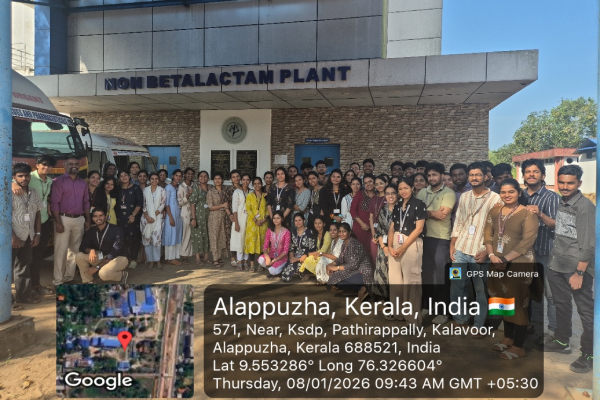
Amrita School of Pharmacy organized a one-day industrial visit for the 2023 batch of B.Pharm students to Keralam State Drugs and Pharmaceuticals (KSDP) Ltd., Alappuzha, Keralam, on 08th January 2026. KSDP is a Government of Keralam enterprise engaged in the manufacture and supply of essential and life-saving medicines, primarily catering to the requirements of government hospitals across Keralam.
The students were provided with a brief introduction to the history, existing facilities, and future development plans of KSDP by Sri. Santhosh T. R., Senior Manager (Technical), KSDP. Subsequently, the students were divided into three groups and proceeded to the non-beta-lactam plant, a facility dedicated to the manufacture of products that do not contain beta-lactam antibiotics.
The students were then guided through the facility to the tablet manufacturing unit, where the three fundamental steps of tablet manufacturing—namely granulation, compression, and coating—were explained in detail. Following this, they were taken to the primary packaging area for tablets, which included blister, alu-alu, and strip packaging. The students observed Diclofenac and Amlodipine tablets being packaged using a flat-sealing blister packaging machine (ACG BQS). The machine automatically inspected the tablet strips for filling defects, and any defective strips were rejected and disposed of.
Thereafter, the students were guided to the capsule filling area, which housed capsule filling machines with capacities of 40,000 and 90,000 capsules per hour. Although the machines were not operational at the time, the complete filling procedure was explained in detail.
The visit continued to the Oral Liquid Manufacturing Area, where syrup formulations were being produced. The students observed the filling process of Paediatric Paracetamol Syrup IP. Containers were first air-cleaned using air jets and then transported to the liquid filling line. Bottles were filled using a four-head filling machine and sealed with an eight-head automatic sealing machine. The sealed bottles were then transported via a conveyor belt to the labelling machine, following a manual inspection to ensure quality compliance before labelling.
Secondary packaging of all products was carried out in a separate designated area, where the finished products were manually packed into paper boxes or cardboard cartons, sealed, and stored for distribution with appropriate labelling.
The guide also explained the various regulatory and infrastructural specifications followed in the plant. The facility featured epoxy flooring with up-and-down coving and smooth PCGI walls to ensure compliance with Good Manufacturing Practices (GMP). An AHU/HVAC system was installed to supply HEPA-filtered, dehumidified, and temperature-controlled air to each manufacturing unit. Additionally, a double-door airlock system was provided for every manufacturing area to prevent cross-contamination, with separate airlocks for personnel and materials.
The purified water used in the preparation of medicines was sourced from a borewell and treated through multiple purification stages, including sand filtration, activated charcoal filtration, water softening, ultrafiltration, reverse osmosis, and ion exchange, before being transferred to a storage tank. The stored water was maintained at 80C and continuously circulated in a loop system to prevent microbial growth and eliminate issues associated with stagnant water.
Following the facility walkthrough, the guide addressed and clarified the students’ queries marking the conclusion of the industrial visit.
Reflecting on the experience, Ms. Gayathri Ramavarma, a student of the B.Pharm 2023 batch, stated: “The industrial visit opened our eyes to the actual procedures and workings of a manufacturing facility. We were able to observe processes that we had previously studied only in theory. The visit provided greater clarity on various operations and helped us gain valuable practical knowledge, thereby enhancing the quality of our education and preparing us to become better professionals in the future.”
The industrial visit was organized with the objective of providing students exposure to real-time pharmaceutical production facilities and processes that are otherwise studied theoretically. A total of 54 students participated in the visit, accompanied by Dr. Rahul Soman, Assistant Professor, Department of Pharmaceutics, along with Mrs. Devika S. Kumar and Ms. Lakshmi Upendran, Ph.D. scholars from the Department of Pharmaceutics.
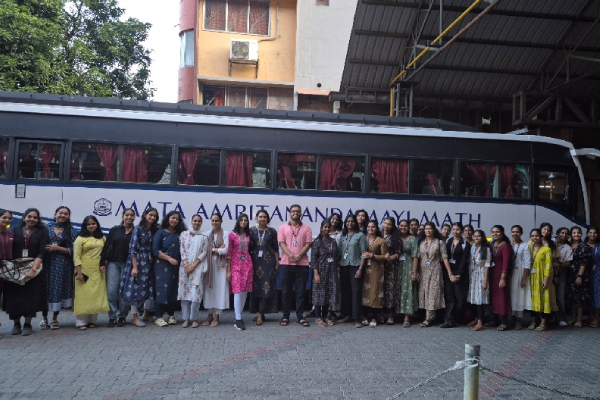
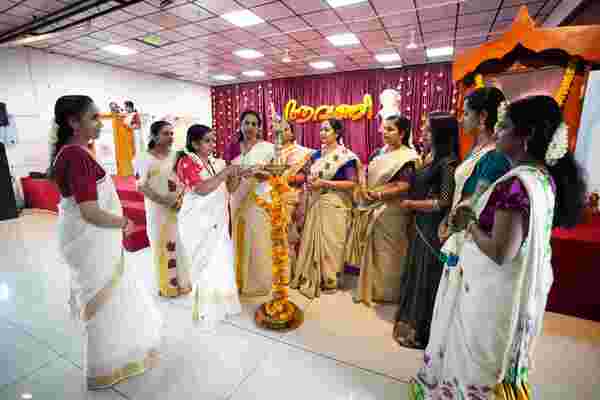
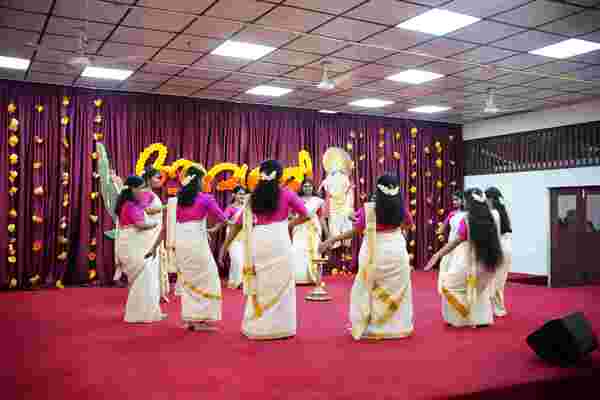
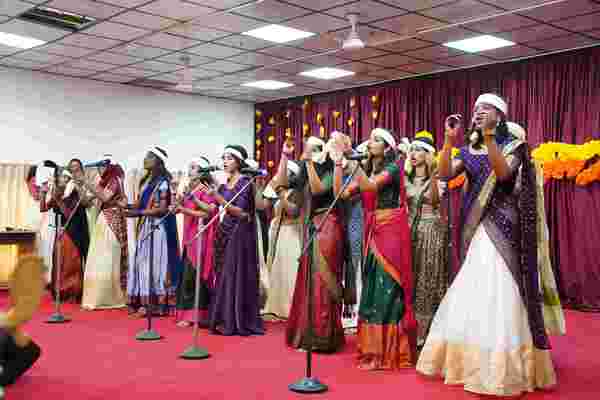
Amrita School of Pharmacy celebrated Onam festival of the year, “Aavani-2025” with great enthusiasm and joy on 03rd September 2025. The celebrations began with the inaugural lamp lighting. Onam message was delivered by Dr. Sabitha M., Principal, Amrita School of Pharmacy, who extended her heartfelt wishes for a happy and prosperous Onam to all students, faculty, and staff. The cultural programs showcased the vibrant spirit of Onam, with students presenting Thiruvathira, Vanchippaattu, Group Songs and Group Dances. Both students and faculty members also actively participated in a variety of fun-filled Onam games, adding excitement and energy to the occasion. A sumptuous Onam sadhya was also served to students and faculty members. The celebrations concluded on a high note with a traditional percussion performance.
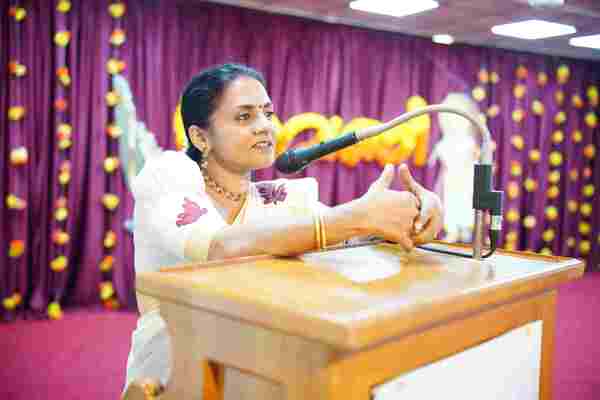
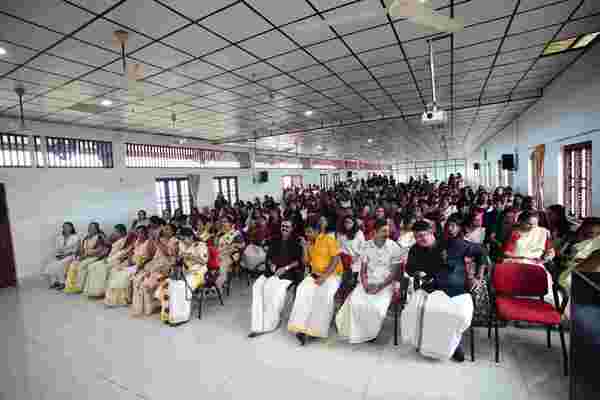
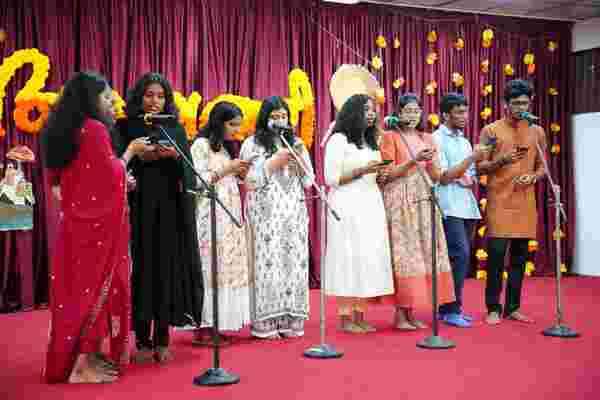

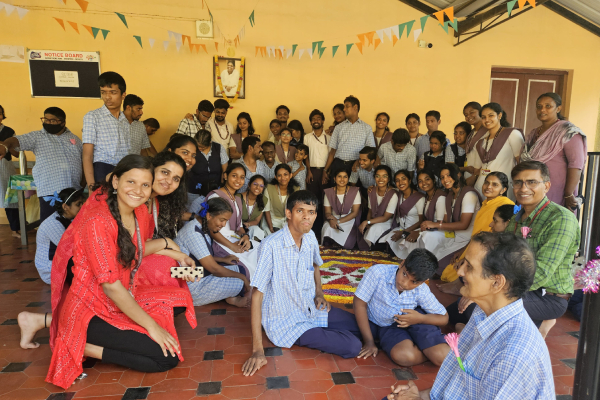
On 26th August 2025, members of the Social Service Club of Amrita School of Pharmacy, along with 2nd Year Pharm.D and M.Pharm students, visited the Amrita Institute for Differently Abled. The day was filled with laughter, music, and joy as students and children engaged in interactive sessions—dancing, singing, and conducting fun games. Food was distributed, and the happiness on the children’s faces made the celebrations even more special. The visit became a meaningful learning experience reflecting the values of empathy and inclusiveness.
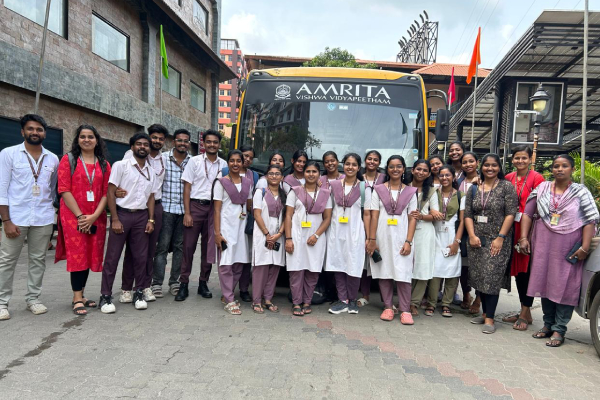
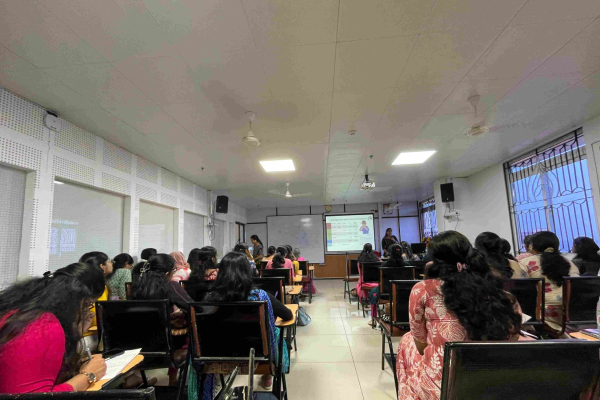
The Orientation Program for the Pharm.D 2020 Batch Interns of Amrita School of Pharmacy was conducted on 23rd and 25th July 2025 at the Nalanda 12th floor of Amrita Hospital Kochi. This event marked the official commencement of the internship phase for the newly inducted PharmD interns.
Ms. Meenu Vijayan, Assistant Professor at the Department of Pharmacy Practice and Internship Coordinator, welcomed the gathering. This was followed by address by Dr. Sabitha M., Principal, who emphasized the responsibilities of PharmD interns and highlighted the importance of commitment and dedication during clinical postings.
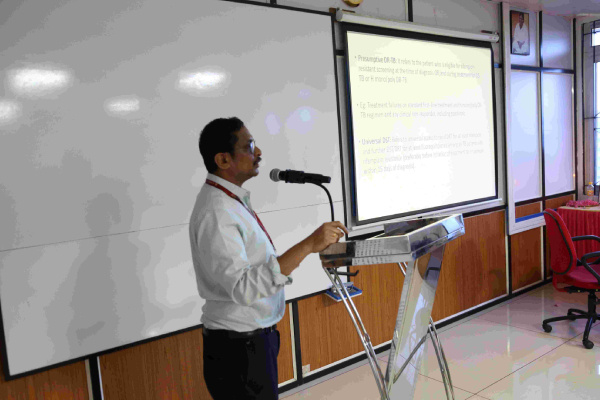
The first scientific session by Dr. Akhilesh K., Professor, Department of Respiratory Medicine, Amrita Hospital Kochi, provided an in-depth update on TB therapies, challenges in MDR-TB treatment, and patient compliance strategies. Ms. Marwa Abdul Khader and Ms. Anjana Menon, Pharm.D interns presented on the importance of the pharmacist’s role in the GICU. Dr. Lekshmipriya, Clinical Pharmacist, Respiratory Medicine, Amrita Hospital Kochi, shared valuable insights different respiratory conditions, which is essential for tailoring therapy and ensuring safe pharmacological care.
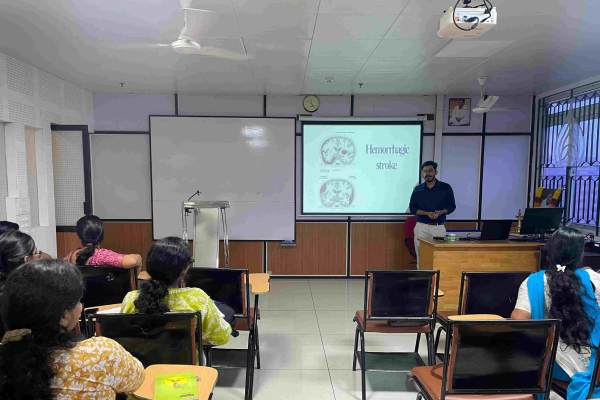
The afternoon session commenced with a presentation by Dr. Gayathri M. and Dr. Apeksha Singh, Clinical Pharmacists from the Infectious Diseases department at Amrita Hospital Kochi, focusing on antibiotic stewardship. The session highlighted the critical role of clinical pharmacists in promoting rational antibiotic use and implementing antimicrobial stewardship programs. Dr. Nivedita Pavithran, Professor & Head, Department of Clinical Nutrition, Amrita Hospital Kochi, delivered an inspiring and thought-provoking session focused on career motivation, self-discipline, and the core values of service and empathy in the healthcare profession.Dr. Ashiq Vijayan, Clinical Pharmacist, Stroke Medicine, Amrita Hospital Kochi, delivered an engaging session showcasing the vital role of clinical pharmacists in stroke management. Through case-based discussions, he highlighted the importance of individualized pharmacotherapy, careful medication selection, and timely dose adjustments in improving patient outcomes.
Day 2 began with an insightful session by Dr. Anup Menon, Assistant Professor, Department of General Medicine, Amrita Hospital Kochi, who delivered a comprehensive overview of Total Parenteral Nutrition (TPN) in critically ill patients.Mr. Ritwik Kalidas, Pharm.D Intern, delivered an insightful session recounting his clinical exposure and experiences in the Medical ICU. He shared real-time examples of pharmaceutical interventions, including dose modifications, monitoring therapy responses, and collaborating with the healthcare team to optimize patient care. Ms. Sowndarya, Pharm.D Intern, shared her enriching experience in the medical oncology department, highlighting various chemotherapeutic regimens. The session emphasized the importance of patient counseling, addressing adverse effects, and providing supportive care to improve treatment tolerance and quality of life.
The afternoon session on Day 2 was delivered by Dr. Megha Rajeev, Clinical Pharmacist from the Department of Paediatric Neurology, Amrita Hospital Kochi, titled, Management of Neurological Disorders in Pediatrics, She presented an engaging overview of pediatric-specific therapeutic strategies, focusing on the management of seizure disorders, neurodevelopmental conditions, and the critical role of medication safety in neurologic care. Following this, Ms. Bindu Varghese, Administrative Executive at Amrita School of Pharmacytook a session on General Internship Guidelines. With a clear and practical approach, she outlined the rules, protocols, and professional expectations to be followed during clinical rotations. The final session of the afternoon focused on the topic “Neonatal Dose Calculations,” delivered by Dr. Govind K. Pradeep and Dr. Mohammad Shafi P. A., Clinical Pharmacists from the Department of Neonatology, Amrita Hospital Kochi. This session emphasized the critical importance of precision in neonatal pharmacokinetics, showcasing how age, weight, and developmental factors significantly influence drug dosing in newborns. The two-day academic event served as a comprehensive platform for knowledge-sharing between clinicians, clinical pharmacists, and Pharm.D interns.
| Sl No | Venue | Date | No. of Student Participated |
| 1 | Mookumpuzha Temple, Amritapuri | January 25, 2020 | 10 |
| 2 | VHP –Devasam Kalyanamandabam, Kanjirakode, Vadakkanchery | January 11, 2020 | 10 |
| Sl No | Venue | Date | No. of Student Participated |
| 1 | Chalakudy . Vyasa Vidhyanikethan School. | December 28, 2019 | 10 |
| 2 | Red star Fine Arts Society, Kaitharam, North Paravoor. | December 15, 2019 | 5 |
| 3 | Govt Hr Sec School, South Vazhakuzham, Perumbaoor. | December 1, 2019 | 8 |
| 4 | Saraswathy Vidhya Nikethan School, Kodakara | November 16, 2019 | 10 |
| 5 | Thuthiyur Church Hall (CSEZ) Special Zone Kakkanad. | November 13, 2019 | 5 |
| 6 | Fisheries School, Thevara | November 10, 2019 | 10 |
| 7 | Arattupuzha, Thrissur | November 3, 2019 | 10 |
| 8 | Mala | July 20, 2019 | 10 |
| 9 | Kayamkulam | June 22, 2019 | 10 |
| 10 | Dr. KK Kunjupilla Memorial Hr.Sec.School Ambalappuzha,Alapuzha. | January 4, 2019 | 15 |

Invited talk by Prof. Dr. Adrián LLerena Ruiz – Director, Clinical Research Center, Extremadura University Hospital, Spain on Clinical implementation of a patient centred Pharmacogenetics programme – ethics and regulatory affairs, inter individuality variability in drug response, current research and implementation responses, for 4th year and 5th year Pharm D. students and M. Pharm students was held on December 06, 2019 at Amrita School of Pharmacy.

A talk on “Regulation for Biologicals” by Dr. Bobby George, Vice President, Regulatory Affairs, Reliance Life Sciences, Mumbai was held at Amrita School of Pharmacy on January 07, 2019.

Mr. Sandeep Sankaran, Scientist, Dr. Reddy’s Laboratories, Bangalore delivered a talk on – Gel Permeation Chromatography Modern Methods to Characterize Polymers – at Amrita School of Pharmacy on November 03, 2018.

A talk based on Regulatory Affairs was conducted on October 23, 2018 at AMRITA School of Pharmacy. The talk was delivered by Ms Shweta Menon, Senior Consultant in Parexel, Leicester, UK. She has almost 15 years of experience as a regulatory affairs professional.

The speaker was welcomed by Dr Vidya Viswanad, Assitant Professor, Department of Pharmaceutics. Ms Shweta Menon gave a detailed presentation on what are the various regulatory filings and documentation requirements in various countries as well as about generic drugs and biologics. She also gave an overview on the skills required for a regulatory professional and what is done by a CRO in regulatory affairs as she is currently working with it. The talk justified the topic “An Insight into Regulatory Affairs: Industry Perspective”.
The talk was attended by M Pharm Pharmaceutics, Pharamacology and Pharmaceutical Chemistry 1st and 2nd year students and the final year BPharm students. The session ended with memento presentation to Ms Shweta Menon and vote of thanks.

A skype talk was organized on the topic “How to conduct meta analysis” by Dr. Diana Thomas Manappurathe, The Vascular Biology Unit, Queensland Research Centre, College of Medicine and Dendistry, James Cook University, Townsville, Australia on October 12, 2018.

An AYUDH camp was conducted from 23/12/17 to 28/12/17 at Amritapuri Campus, Kollam. Students and teachers from the various Amrita schools and colleges had attended the camp.

Five students from Amrita School of Pharmacy, Akitha Ajay (Pharm D 2017), Sreelekshmi (Pharm D 2016), Arya (Pharm D 2016), Arya G.K (Pharm D 2015), Anandchandran (Pharm D 2015) attended the camp.Various tasks and activities were given to the members during the session of which each task had time limits. As for the winners of each tasks, the points were awarded to their respective teams. Highly motivational speeches were conducted by various prominent figues. The importance of taking initiativity and responsibility were highlighted throughout the session. A stupendous speech was delivered by Major General G D Bakshi that enlightened the students with the significance of patriotism. Students from all parts of India had attended this summit. It was indeed a wonderful experience for the members from Amrita School of Pharmacy.

Ayudh (Amrita Yuva Dharma Dhara ) is an international youth movement of Mata Amrithanandamayi Math which seeks to empower young people to integrate universal values into daily activities starting with themselves. AYUDH’s aim is to establish a future of hope, peace and social engagement while maintaining an awareness of spiritual principles. The movement also aims at youth empowerment to become compassionate leaders with a sense of tolerance, solidarity and global responsibility and thereby contribute to a peaceful and sustainable world.

Amrita School of Pharmacy, Kochi, hosted a talk by Mr. Nibu Parameswaran, Research Scholar, University of Tasmania, Australia on “Predictions of Hospitalization Due to Drug Reaction in Elderly Community Dwelling Patients” (The PADR-EC-Score), for Pharm D. & M. Pharm students, on October 12, 2017.

Amrita School of Pharmacy, Kochi, organised a workshop on in-silico drug design using Biovia Discovery Studio on 4th and 5th September, 2017. Dr. Sabitha M., Principal, Amrita School of Pharmacy, Kochi, lighted the lamp and inaugurated the event.

Amrita School of Pharmacy, Kochi, conducted a talk by Dr. Baskaran Thyagarajan, Assistant Professor, College of Health Sciences, University of Wyoming, USA, on “ Obesity and Nanotherapeutics” for B. Pharm fourth year and M. Pharm first year and second year students, on August 22nd, 2017.

Amrita School of Pharmacy, Amrita Vishwa Vidyapeetham, Kochi, conducted its 2017 Graduation Ceremony on August 21st, 2017. The welcome address was delivered by Dr. Sabitha M., Principal, School of Pharmacy, Kochi, and Sampoojya Swamiji Purnamritananda Puri, General Secretary, Mata Amritanandamayi Math, gave the benedictory address.

Onam celebrations – Avani 2014 – was organized on September 04, 2014 at Amrita School of Pharmacy. The events were organized by team Aventadors (Pharm.D & B.Pharm 2012 batch). Event of the colorful day started with ‘Pookalamalsaram’ (floral carpet designing). The celebrations started with a prayer followed by welcome speech by Elizabeth C. Ninan of Pharm.D 2012 batch.
Onam message was delivered by Dr. Sabitha M., Principal, who wished everyone happiness along with prosperity and reminded about the importance of remembering the unprivileged people around us and extending possible helps to them during such festival season.

The program included an onam skit followed by a colourful traditional Thiruvathira by first year Pharm.D and B.Pharm 2014 batch. An onam fusion dance by Mavericks 2013 batch and group song by Aventadors 2012 batch were the other events which made the program unique. An election among teachers for Sreeman and Sreemathi was conducted from which Mr. Shan M., Senior Lecturer, Department of Pharmaceutics was selected as Shriman and Ms. Saranya T.S., Lecturer, Pharmaceutical Chemistry & Analysis was selected as Srimathi.

In between, Maveli was welcomed along with Pulikkali. The events concluded with a vote of thanks by R. Hari of B.Pharm 2012 batch. A sumptuous Onasadhya was served and the day was turned even more joyous when many honorable invitees from Amrita Hospital joined the Onasadhya.
As a part of Teachers Day celebration, gifts were presented to all the teachers and soon the most awaited Onakkalikal started. Games included treasure hunt, lemon-spoon race, water balloon catch and throw, gems and straw trick, tongue twisters in which both students and teachers participated actively. The fun filled games marked an end to Avani 2014.

Graduands of pharmacy programs, B. Pharm., M. Pharm. and Pharm D. (PB) students from the Amrita School ofPharmacy received a fond farewell. On August 14, 2014, Amrita School of Pharmacy bid farewell to the outgoing students of B. Pharm. 2010 batch, M. Pharm. 2012 batch and Pharm. D. (PB) 2011 batch.
Dr. Sabitha M., Principal, Amrita School of Pharmacy, Kochi gave a heartfelt welcome to the future professionals. The benedictory address was delivered by Sampoojya Swami Poornamritananda Puri, General Secretary, Mata Amritanandamayi Math, followed by presidential address by Dr. Prem Nair, Medical Director, Amrita Institute of Medical Sciences (AIMS), Kochi.

To inculcate moral and ethical values in students, a Ramayana celebration was organized by Amrita School of Pharmacy on August 13, 2014

A quiz competition based on the subject pharmacuetical sciences and medicine was conducted on April 07, 2014 in the School of Pharmacy. Fifteen students from B.Pharm, M.Pharm, Pharm.D and Pharm.D (PB) participated in the quiz competition. There were 5 teams and the whole competition was divided into five rounds namely, general round, know your medicine round, subject choice round, visual round a rapid fire round. Final year B.Pharm students (Sandeep Sankaran, Radhika Unnikrishnan, Divine P. Daniel) bagged the first prize with 93 points. Pharm.D IV Year students (Aparna R. Das, K. Aditi, Anisha Mohan) won the second prize with 48 points.

Displaying Sporting Talent, the School’s Pharma Sports fest sees enthusiastic participation from students and staff members. The pharma sports fest Udghosh 14 began with an impressive inauguration on March 10, 2014. The meet was declared open by the Principal, Dr. Sabitha M. who also delivered an inspiring address. The inaugural ceremony included a marchpast by the different batches, lighting of the torch by athletes of various batches, oath taking by Sandeep Sankaran and captains of different classes followed by a colorful dance by the organising batch (2012 batch). A mascot was brought to the ground which entertained all staff and students.

The fest was for three days from March 10 – 12, 2014. Different indoor and outdoor games and athletics for both boys and girls were held during this period. There was tight but healthy competition in most of the games as the players gave their best in each of the games. Turnover of the supporters of different batches was also high. All the games were played in the true spirit of sportsmanship.
Mr. Sunil Dutt And Ms. Kavya, physical instructors at the Health Sciences campus deserve a special mention as they were present throughout and always gave full support to the students in all sports events. A cricket match between students and faculty members provided entertainment to all. The B. Pharm and Pharm D. (2010 batches) won the overall championship of Udghosh 2014.
The event had a graceful end with the sports flag being ceremoniously handed over to the organizers of the next year‘s sports fest followed by a colorful dance by 2013 batch. Prizes were distributed by the principal and faculty members. With AMMA’s grace and blessings, the 2012 batch and sports committee with the able support from the principal, teaching & non teaching staff and all students were able to make UDGHOSH 14 a grand success!!

An inter collegiate chess competition was held as a part of starting an indoor club for the School of Pharmacy. This was conducted in association with Chess Association, Ernakulam. There were 16 participants representing the various schools at Health Sciences campus.
The first prize (cash award of Rs. 2500) was bagged by Adithya Vivek (MBBS 2012 batch) from the School of Medicine. Aravind Siva (B.Pharm 2010 batch) from the School of Pharmacy won the second prize (cash award of Rs. 1500). The third prize (cash award of Rs. 1000) was bagged by Anand Pillai (MBBS 2012 batch) from the School of Medicine. All the participants appreciated the competition and most of them had their first experience of playing the game in a professional way.


The first talk by Dr. Siddharthya Mujumdar was a technical overview of the drug development process as seen from a Pharmaceutics and a regulatory standpoint.Highlighting the roadblocks involved in the journey of a molecule from being a lead to a marketed drug, the speaker emphasized on strengthening the learning at the undergraduate level to attain strong fundamentals in the science.Citing his background in polymer engineering as an example, Dr. Siddharthya reiterated the multidisciplinary nature of Pharmaceutical research and showed how people from different academic backgrounds fit into the scheme of things in the industry.
Although attended by Pharm. D. students as well as P. G. research scholars, the final year B. Pharm. students were the target audience for these sessions. Vidya Viswanad delivered a vote of thanks and handed over mementoes to the speakers.

2. A talk on Chitosan based systems for the delivery of Biopharmaceutical drugs by Dr. Bruno Sarmento on July 26, 2013. He shared insights about natural polymer chitosan, covering various aspects such as types of chitosan, chitosan nanoparticles for delivery of drugs, proteins, genetic materials through various routes of administration like oral, ocular, nasal, etc. Dr. Sarmento’s talk mainly emphasized on his research work to improve oral insulin delivery by incorporating insulin into solid lipid nanoparticles, dextran and alginate nanoparticles cotated with chitosan.
The chitosan coating provides optimum release of insulin with better antidiabetic action. Chitosan due to its hydrophobic character exhibit less intestinal solubility and due to its mucoadhesive property it provide prolonged contact time with intestine and also enhances paracellular transport by opening of tight junctions,” he explained.

His talk covered various aspects of Nanotechnology like preparation method used, Nanocharacterization methods and selected invitro cell culture studies and invivo animal studies.
Dr. Sarmento also interacted with students and faculty members and answered their queries.
Dr. Sarmento is also Assistant Professor at Institute of Superior De Sciences, Norte, Gandra Porugal. He also served as Postdoctoral Research Associate in Department of pharmaceutical Technology at University of Porto, Portugal.

3. A talk on Interpretation of Proton NMR by Dr. Rajasekharan, Professor & Principal, KMCH College of Pharmacy, Coimbatore on August 31, 2013.
4. A talk on Application of Kinetics in Formulation Development and its Regulatory Perspective by Dr. N. Anilkumar, Asst. Professor, College of Pharmacy, Mahatma Gandhi University, Cheruvandoor Campus on August 31, 2013.
5. A talk on Ayurveda in Trasition by Arun A., Senior Manager (Product Development) and Vaidyaratnam P. S., Variers Aryavaidyasala, Kottakkal, Malappuram Dist., Keralam on March 2, 2013.
6. A talk on Introduction in general with special reference to the Pharmaceutical Industry by Prof. Boby Johns George, Dept. of Pharmaceutics, St. Joseph’s College of Pharmacy, Cherthala on March 9, 2013.

Students of all batches showcased their talents with joy and enthusiasm for the dynamic cultural extravaganza. The fest included both off-stage and on-stage events with full support from the teachers of all departments.
The off-stage events were conducted during October 21-28, 2013 which included programs such as pencil drawing, extempore, poem writing, essay writing in English and Malayalam, cartoon drawing, story writing, water coloring, debate, oil painting, recitation, mehandi designing, face painting, elocution, tableau and quiz competition.

The creative pulse was widened with the on-stage items such asthiruvathira, split dance, fancy dress, group song, folk dance, mime,adapt to tune, bharathanatyam, karaoke, mohiniyattam, folk song and a mesmerizing skit from all the teams.
The overall championship was bagged by the host batch Orionz 2011who were the organizers of the fest. Vineeth (III year B. Pharm. student) of Orionz was honored as Kalapratibha and Malavika ( III year Pharm. D. student) as Kalathilakam. The second place was acquired by Aventadors 2012, followed by Pegasus 2010 and Mavericks 2013.
The best speaker award went to Vineeth of III year B. Pharm. student (Orionz 2011 batch) and best actor award to Akamsh of I year B. Pharm. (Mavericks 2013 batch).

The spirit of Onam was made more colorful with the cultural programs by students.”Onam is a festival of prosperity, equality and happiness. When we develop attitude of care and concern for the feelings of others with the same as that of ours, life becomes easy and ultimately prosperity and happiness will also follow. But on the other hand when a person is very selfish and self oriented, the life becomes more strenuous than it is,” shared Dr. Sabitha M., Principal, Amrita School of Pharamacy.
“Egoism is a failure for success, the importance of culture along with happiness makes a complete onam,” noted Sri. Hariharan, Visiting Faculty, Value-based Education.
The staff and students enjoyed the delicious onam sadhya. As part of the onam celebrations, pookalam competition (Floral Decoration Contest), musical chair for faculty and other games were also conducted.

With an intention to elevate social awareness of cleanliness of surroundings, Amala Bharatam Campaign cleanup initiative was performed in the School campus.The aim of the campaign was to clinch initiatives to clean and promote health by proper disposal of garbage and wastes.
This endeavor was fulfilled with the full support of all the students and staffs packed with energy and enthusiasm for the fulfillment of the task in the college. The waste was separated out into non-degradable plastic waste to assist in its appropriate disposal. Several trucks helped with the waste collection and disposal effort.
“We are proud to be a part of this cleanup program” responded the students. The interest was enhanced when both the students and teachers of Amrita School of Pharmacy as well as Amrita Centre for Nanosciences & Molecular Medicine did the work side-by-side.

In connection with Amritavarsham60 celebrations, the School organized a panel discussion titled Emerging Role of Pharmacy Professionals in Indian Healthcare.The objective of the discussion was to mould the younger generation Pharmacy professionals to improve their professional outlook and to contribute significantly.
High-profile panelists included Aji Joseph Kurian (Drug Inspector, Ernakulam), P. K. Harikumar (Retired Senior Manager, KSDP), Dr. V. Sankar (Professor and HOD, Department of Pharmacy Practice, PSG College of Pharmacy, Coimbatore), Dinesh Pallipatmana (Senior Pharmacist, Amrita Pharmacy, AIMS, Kochi), Dr. Nishant Kumar Gupta (Senior Research Associate, Arjuna Naturals Extracts Ltd, Aluva), Rasheed P. M. (Managing Director, Medicare Health Solutions Pvt. Ltd),Shibu S. A. (Regional Head-Keralam (Sales), Clover Pharmaceuticals Pvt. Ltd.), Dr. Mohamed Hisham (Clinical Pharmacist, Dept. of Critical Care medicine, KMCH, Coimbatore), John Joseph (Research Scholar, Center for Nanotechnology, AIMS Kochi) and Elizabeth M. Koshy (Pharm.D (PB) Intern, Amrita School of Pharmacy).

The moderator, Mr. Naveen Kumar Panicker, Lecturer, Amrita School of Pharmacy, outlined the basic facts of how India emerged as a leading drug producer.
The discussion was an opportunity for shedding light on the role of Pharm D. in various aspects of healthcare sector. The discussion was dynamic and offered a glimpse of various sections in Pharmacy such as hospital and clinical pharmacy, institutional, wholesale, manufacturing production, academia and marketing.
An attempt was made to tackle the common issues faced by pharmacy professionals in the society.The panel discussion was followed by a fun-filled skit which promoted the theme of harmful effects of self-medication.

The country’s 67th Independence Day was celebrated with great fervor at the School. The zest and zeal with which the students and faculty members displayed was significant.Emphasizing on the importance to understand the strong cultural and spiritual backbone of our country Principal, Dr. Sabitha M. shared valuable insights.
“The life in India is colorful with the variety of festivals, traditional rituals, art and dance forms. The values of discipline should be imbibed by all and the sacrifice of great people should always be remembered,” she remarked.
A quiz competition was also conducted by quizmaster Mr. Aravind R. Mridula Ramkumar and Lavanya Chandran bagged the first place followed by Jayakrishnan and Ciciliya.The celebration definitely helped to evolve a sense of patriotism in all the students.

Quiz competition on the Ramayana during Karkkidaka month sees participation from students and faculty members.The significance and symbolism of the epic and the importance of Ramayana in human life was elucidated by Dr. Sabitha M., Principal. She emphasized on the importance to lead a life based on dharma and truth.
For the questions tossed up by quizmaster S. Hariharan during the quiz competition based on the Ramayana, there was immense enthusiasm from the students and faculty members for the coordination and success of the quiz competition.
The first prize was bagged by the team Ayodhya – Neethu C. M. and Sruthy T. P. followed by the team Kishkinda – Sreelakshmi Sreekumar and Darshana Sudarshanan.

Graduands of pharmacy programs, B. Pharm., M. Pharm. and Pharm D. students from the Amrita College of Pharmacy received a fond farewell.
As part of the Pharma Sports Fest, a chess competition was conducted with Chess Association, Ernakulam. Aravind Siva S., student, won certificate and cash award of Rs. 4000/-.

Displaying Sporting Talent, the School’s Pharma Sports fest sees enthusiastic participation from students and staff members.UDHGHOSH 2013 began with a colorful inauguration on March 12, 2013 and was was spread over five days. The fest was inaugurated by Mr. T. P. Ouseph, Head, Coach of Mission Gold – A project of Keralam Cricket, Keralam.
The inauguration was followed by a colorful March Past and lighting of Olympic torch befitting any such occasion. Customary to such occasion, the fest also saw a dance program and fireworks. The students of the school proved their ability in the sports arena and the games were played in the true spirit of sportsmanship.
The faculty members also participated to make it a memorable event.Orionz (B. Pharm. & Pharm. D. (Regular, 2nd year) were declared the overall champions.
The closing ceremony ended with the school flag being ceremoniously handed over to the organizers of the next year’s sports, followed by a dance of the next year’s organizer.Dr. Sabitha M., Principal, School of Pharmacy, distributed the prizes and with which the curtains were drawn.

Students and faculty of Amrita School of Pharmacy celebrate role of pharmacist in public health during National Pharmacy Week.

The students and staff of Amrita School of Pharmacy celebrated Onam Avani 2012 on 24th August 2012.
The students conducted various competitions like Malayali Manka,Vachaka Raja, Thiruvathirakali, Group Dance, Onappattu, etc.
Students and staff had Onasadya and also they participated in various games like Uriyadi, Tug of War, Banana Eating, Filling the Bottle, etc.

Adhvaya, the colorful Arts Festival of the School of Pharmacy organized by BPharm and PharmD students.